"What the Fed does with interest rates is a top driver for Wall Street because lower rates can give a boost to the economy and to prices for investments, even if they also may worsen inflation. A report coming on Thursday will show how bad inflation was last month, and economists expect it to show prices for U.S. consumers continue to rise faster than anyone would like."
"Treasury yields eased a bit, following a larger initial drop, after one report said the U.S. unemployment rate was at its worst level last month since 2021, but employers also added more jobs than economists expected. A separate report, meanwhile, said an underlying measure of strength for revenue at U.S. retailers grew more in October than economists expected. The mixed data initially sent Treasury yields lower in the bond market."
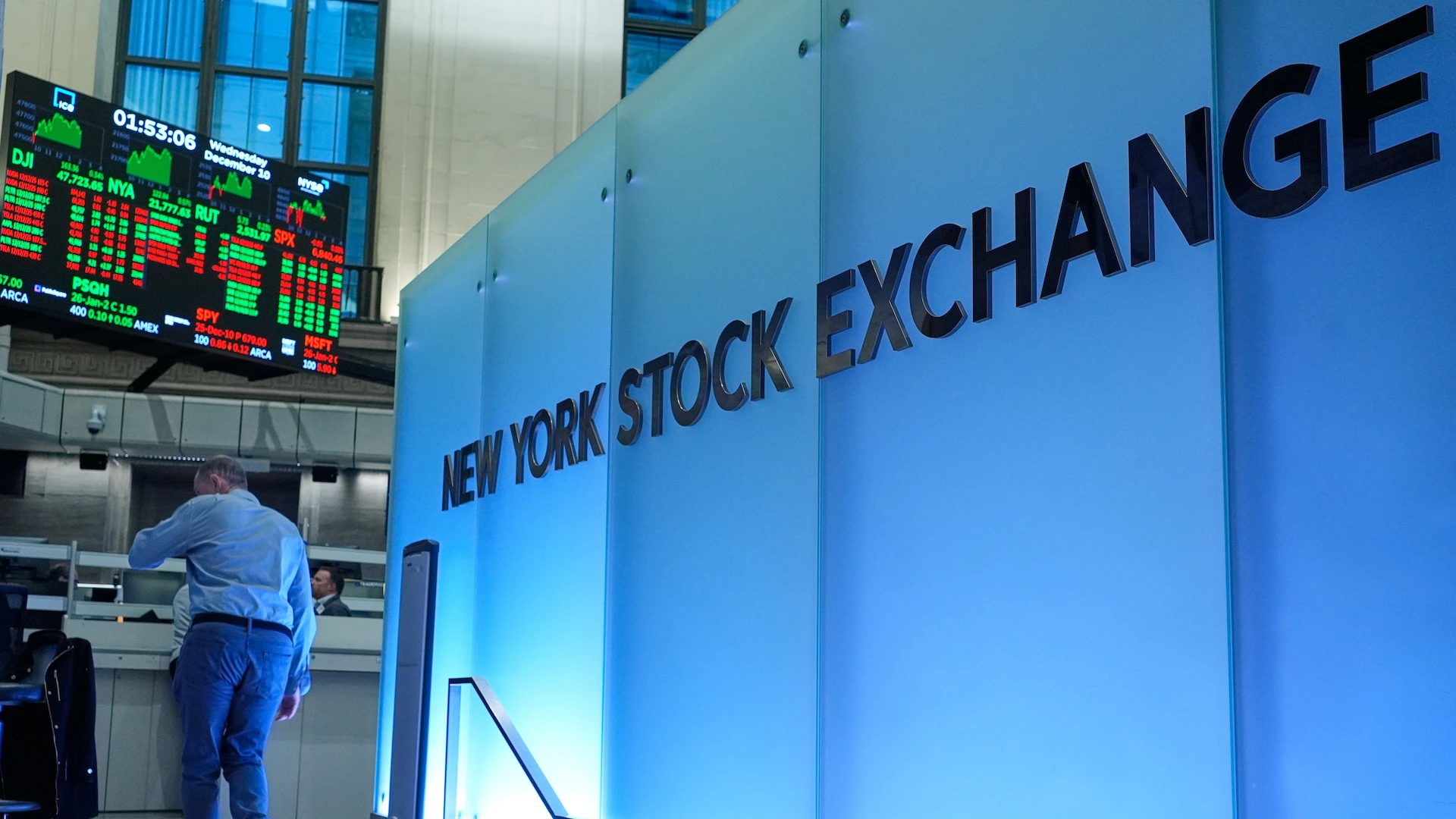
The U.S. stock market drifted lower on Tuesday amid mixed signals about economic strength and interest-rate direction. The S&P 500 fell 0.4%, the Dow dropped about 271 points (0.6%), and the Nasdaq was mostly unchanged. Treasury yields initially fell after reports showed the unemployment rate was highest since 2021 but employers added more jobs than expected; yields then recovered and fluctuated. Preliminary S&P Global data showed average selling prices for businesses climbed sharply, at one of the fastest rates since mid-2022, while overall business activity growth slowed to its weakest level since June. Economists expect Thursday’s inflation report to show persistent consumer-price increases.
Read at Fast Company
Unable to calculate read time
Collection
[
|
...
]