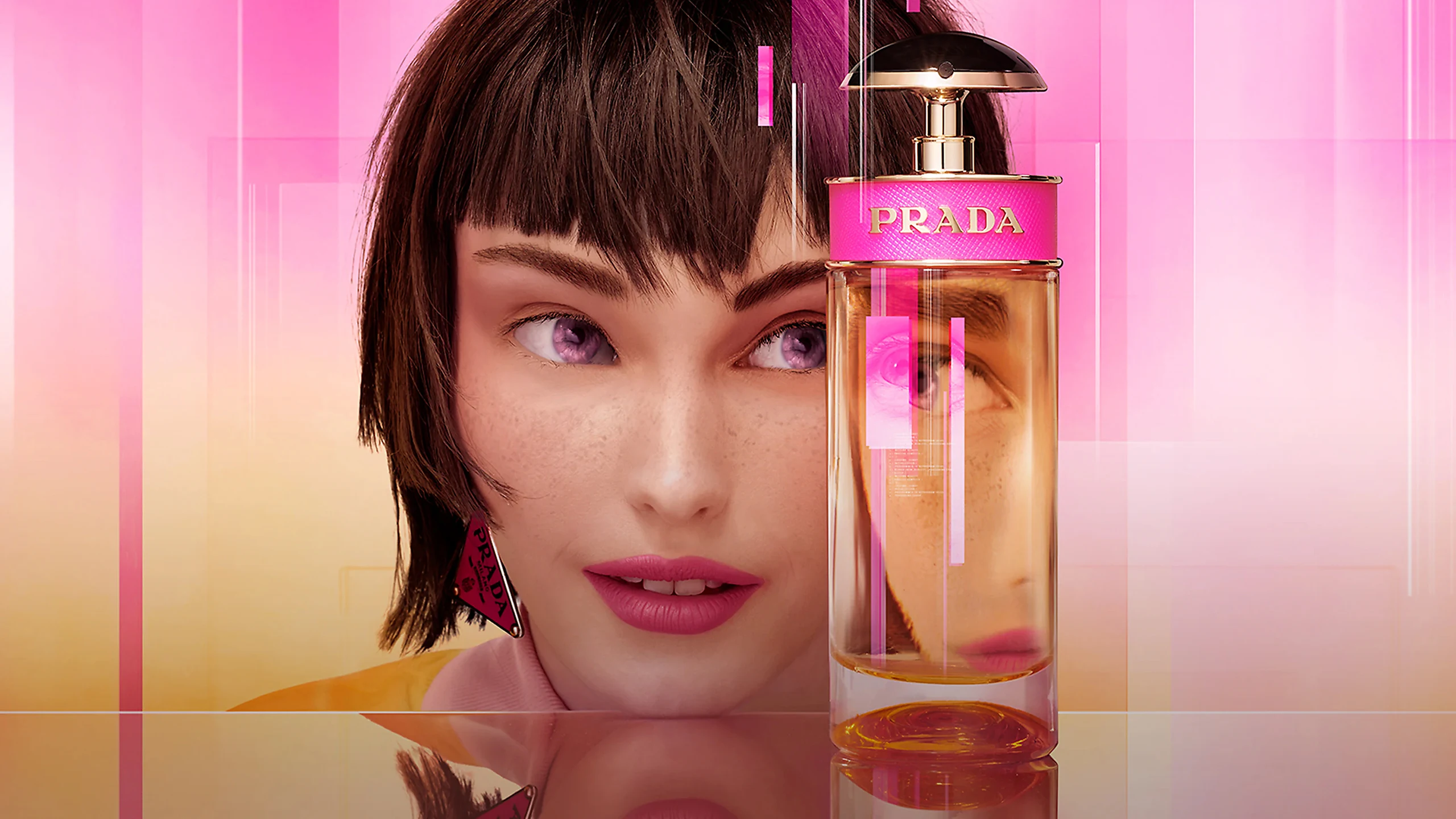
"In 2021, Prada created "Candy," an influencer designed to sell perfume. With an appearance rendered using then-state-of-the-art tools, Candy's not-quite-real vibe felt straight out of the Silicon (Uncanny) Valley. It was peppy, but cartoonlike, and it was hard to see how Candy could sell perfume it could never smell. Since then, technologies have greatly improved. A brand can now render any persona with a product, create movies with that model persona animated in a realistic way, and show them demonstrating products."
"The rise of social media channels such as Facebook, X, Pinterest, and especially Instagram, enabled broader reach for those unable to afford network advertising. As a result of this shift, brands began to outsource marketing to people using these models to share and demonstrate their products and services through brand partnerships. In a short time, the influencer industry has exploded in growth: The global influencer marketing platform market size is set to grow from around $23.6 billion this year to roughly $70.9 billion by 2032"
Prada created Candy in 2021 as a virtual influencer to sell perfume, but the character's cartoonlike rendering felt unreal and incapable of sensory experience. Advances in rendering and animation now let brands produce lifelike virtual personas, create realistic video demonstrations, and pair them directly with products. Brands can lower advertising costs, retain control over messaging, and potentially displace human influencers as virtual options become more profitable. Influencing traces back to traditional sales practices predating the internet. Social platforms like Facebook, X, Pinterest, and Instagram expanded reach for non-network advertisers, leading brands to outsource promotions to influencers and fueling rapid industry growth.
Read at Fast Company
Unable to calculate read time
Collection
[
|
...
]