"Having, having just written a carefully reported piece on protein, when people are, like, asking me, What's up with protein?, my honest answer is, I wish I knew. I really do. Feltman: [Laughs.] Brookshire: There is a recentand when I say recent, past 10, 15 years, it's kind of been buildingthis idea that we need to get more protein ... Feltman: Mm-hmm. Brookshire: That we're not getting enough protein, that somehow we desperately need this and we could be o"
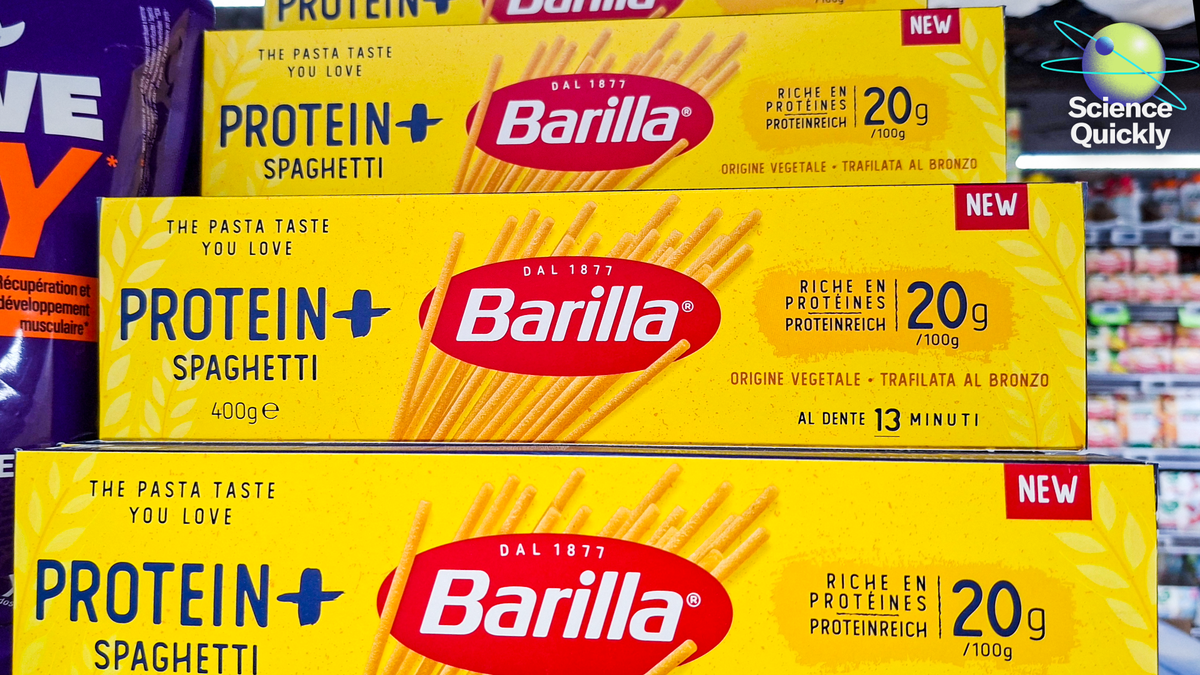
"Go into any grocery store these days and you'll see plenty of food-related fads, both new and old, being used to hawk products: You've got your paleo ketchups, gut-microbe-friendly sodas, and, my personal favorite, plant-based chips that are none-too-subtly billed as mimicking the singular taste of a Cool Ranch Dorito. But one of today's biggest nutritional buzzwords is actually kind of basic: protein."
"Influencers say we're not getting enough, food marketers want us to know they've got it, and Robert F. Kennedy, Jr., seems to think more meat could do us all some good. But what does the science actually say about this buzzy macronutrient?"
Protein has become a dominant nutrition buzzword in food marketing and public health messaging. Many people are told they are not getting enough protein, and that increasing protein could improve health. This emphasis has grown over the past decade or two, alongside a broader culture of protein-focused products. Some claims connect higher protein intake to better outcomes, but the strength of evidence depends on who is eating, baseline intake, and the health goal. The scientific picture is not uniform, and the reasons behind the enthusiasm are not always matched by clear, consistent findings across populations.
Read at www.scientificamerican.com
Unable to calculate read time
Collection
[
|
...
]