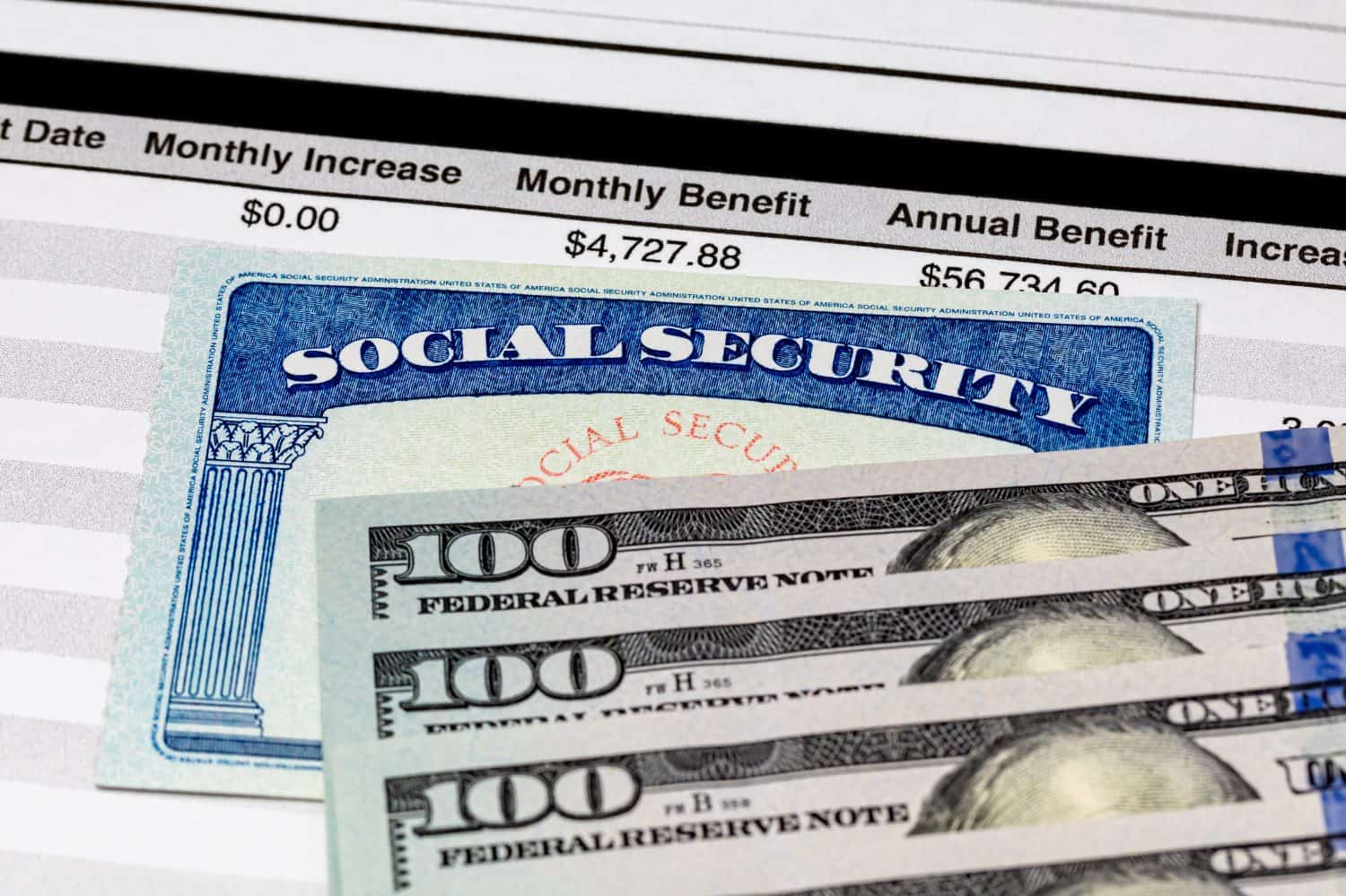
The Federal Reserve's decision to maintain its federal funds rate comes in response to a 3.3% inflation rise in March. Lowering interest rates typically encourages consumer spending, but with rising costs, the Fed's choice was prudent. However, this decision negatively affects seniors on Social Security, who often rely on credit. Many older Americans carry credit card debt and face high borrowing costs. Although they have significant home equity, the Fed's inaction means no relief from expensive loan rates for these retirees.
"The Fed's federal funds rate determines what it costs banks to borrow from each other overnight. When that rate gets lowered, banks save. And it's then common for them to pass some of that savings along to consumers."
"The reason the Fed's interest rate pause could hurt Social Security recipients boils down to expensive borrowing. It's a big myth that older Americans don't rely on credit. Many carry credit card balances, and many need to borrow money just to keep up with their bills."
"Senior homeowners ages 65 and over actually have a median $250,000 in home equity, according to the National Council on Aging. Tapping equity can make a lot of sense for cash-strapped seniors."
Read at 24/7 Wall St.
Unable to calculate read time
Collection
[
|
...
]