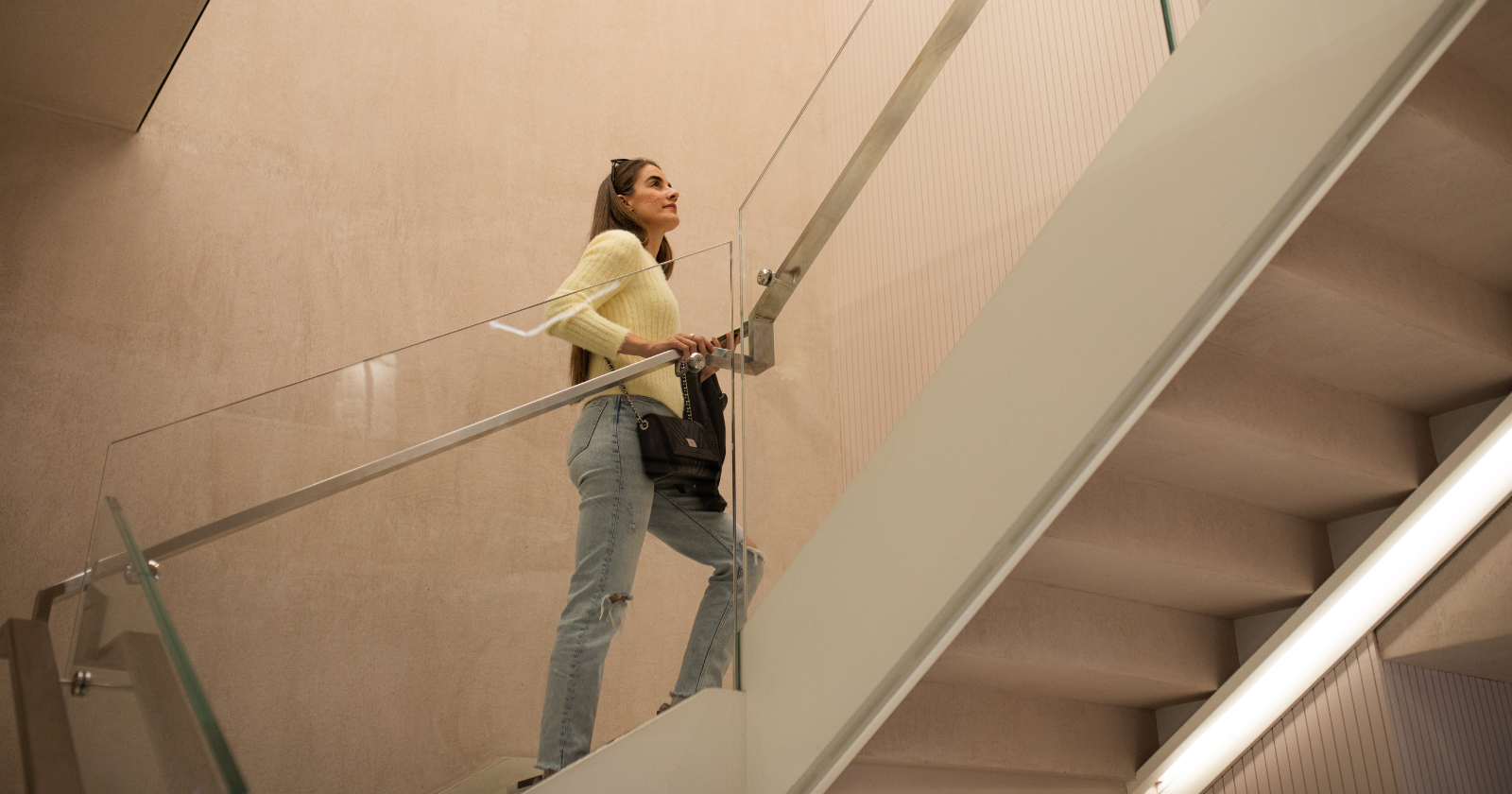
"Here's what I've noticed about stair-takers: they don't wait to feel motivated. They just do it. This pattern typically stems from parents who emphasized consistency over feelings. Growing up, these individuals likely heard phrases like "finish what you start" or "commitment means showing up even when you don't feel like it." Their parents probably didn't accept "I don't feel like it" as a valid excuse for skipping piano practice or not completing homework."
"But after diving deep into behavioral psychology, I've discovered something fascinating: this simple choice reveals profound truths about how someone was raised. The decision to climb stairs when nobody's watching isn't about impressing others or posting about it on social media. It's one of those quiet, consistent choices that psychologists say can tell us volumes about someone's upbringing and the values instilled in them from childhood."
"Research in developmental psychology shows that children who are taught to follow through on commitments, regardless of immediate desires, develop what researchers call "trait self-control." This becomes their default mode, not something they have to consciously activate. The stair-taking habit is just one manifestation of this deeper programming. These people brush their teeth even when exhausted, call their mothers on schedule, and yes, take the stairs because that's simply what they do."
Choosing the stairs when alone indicates internalized discipline and consistent habits learned in childhood. Such behavior often stems from parents who prioritized consistency over momentary motivation, teaching children to follow through regardless of immediate desires. Children exposed to messages like "finish what you start" develop trait self-control, which operates as a default rather than a conscious effort. Habitual actions—brushing teeth when exhausted, keeping scheduled calls, and taking stairs—manifest this deeper programming. The stair-taking choice functions as a small, everyday signal of upbringing and the values modeled and enforced by caregivers during development.
Read at Silicon Canals
Unable to calculate read time
Collection
[
|
...
]