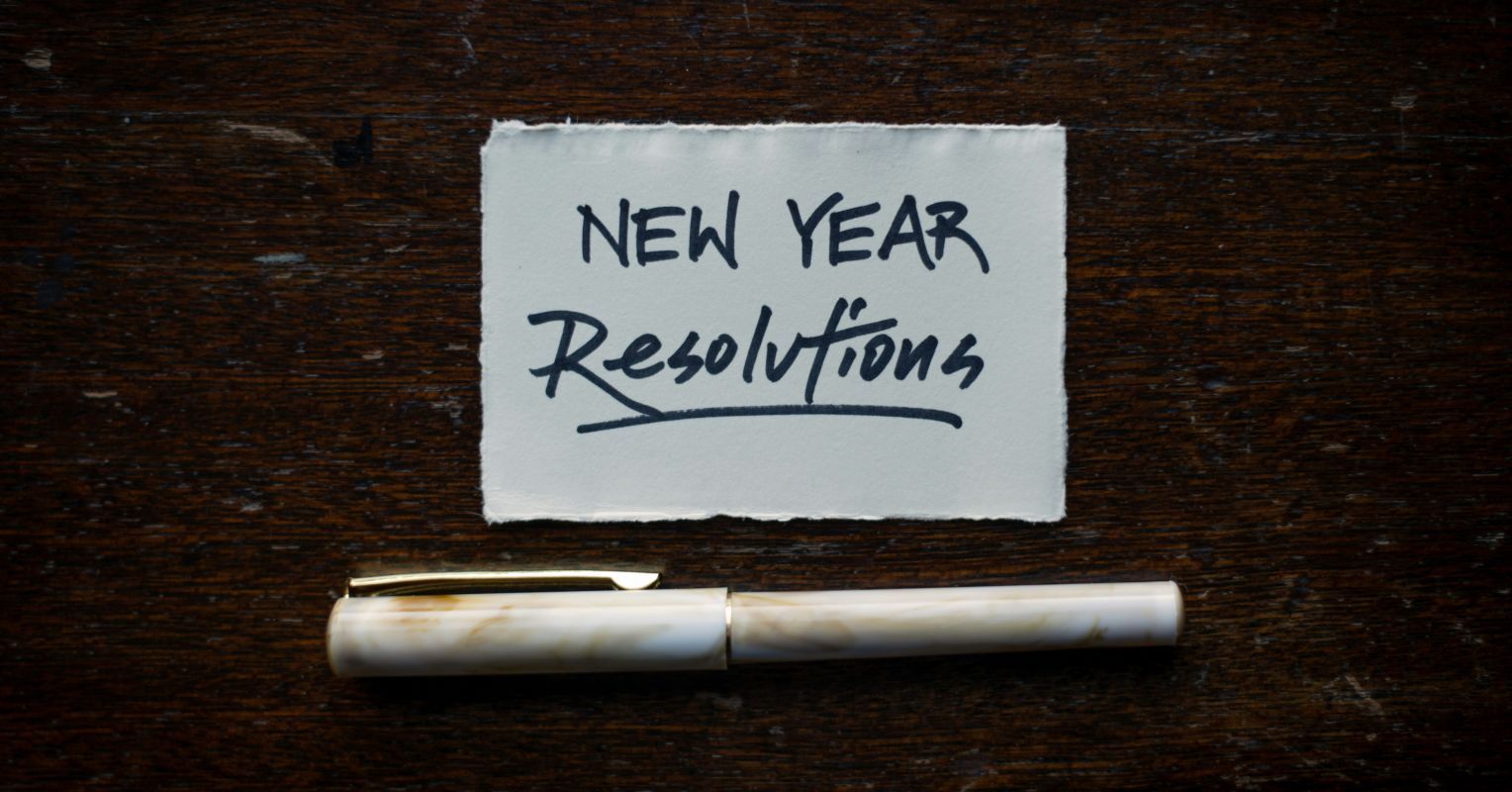
"We are approaching the end of the year, an opportunity to reflect on the progress you have made toward personal goals and set new ones for the upcoming year. According to a 2024 Pew Research survey, 30 percent of U.S. adults make at least one New Year's resolution. New Year's resolutions reflect a desire for personal growth. The majority of resolutions revolve around health goals such as exercising more often or eating healthier, reaching personal financial milestones, and addressing interpersonal relationships."
"First of all, healthy habits do not yield immediate results. You will not reach your health goals after a week of exercising and mindful eating. The same holds true for personal finance or relationship goals. This makes you vulnerable to disappointment and discouragement because the outcome of your efforts does not meet your expectations. A second reason is that healthy habits require some initial expenditure of effort, focus, and energy."
"Consider different healthy habits such as going for a walk, preparing a nutritious meal, reading a book, or journaling. What these behaviors have in common is that they require an initial investment in effort, focus, and energy. On the other hand, unhealthy habits such as eating junk food, consuming alcohol, or bingeing Netflix reruns do not require any effort or energy."
Around 30 percent of U.S. adults make at least one New Year's resolution, most targeting health, finances, or relationships. Healthy habit changes rarely produce immediate results, so early efforts often fail to meet expectations and cause disappointment. Establishing new behaviors requires an initial expenditure of effort, focus, and energy, whereas unhealthy habits demand little effort and become default choices when people feel depleted. The path of least resistance favors quick comforts like junk food, alcohol, or binge-watching. Perfectionist all-or-nothing thinking exacerbates abandonment by failing to value partial progress despite gradual habit formation taking months.
Read at Psychology Today
Unable to calculate read time
Collection
[
|
...
]