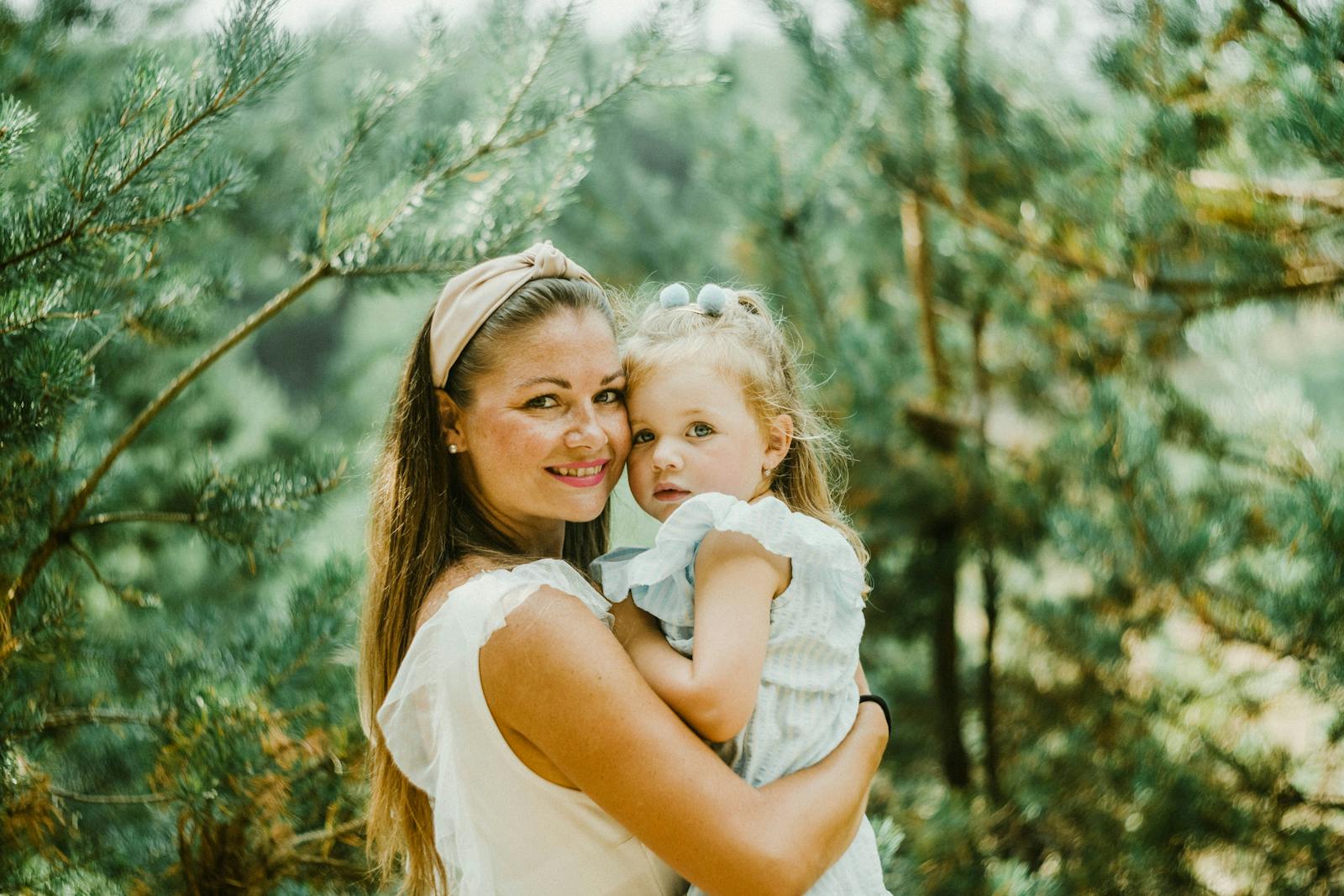
"The conventional wisdom around moments like this is reassuring: children learn social awareness naturally, and adjusting their behavior shows healthy development. Self-regulation is a milestone. We celebrate it. We call it emotional intelligence."
"But there's a difference between a child learning when to use an indoor voice and a child learning that her natural state of being requires an apology. The first is socialization. The second is something else entirely."
"I learned it so well that for the next three decades, I calibrated my enthusiasm before expressing it. I checked rooms before I laughed. I monitored how much space my personality occupied and trimmed the edges preemptively."
A child laughing joyfully may suddenly apologize for being loud, indicating a learned behavior of self-regulation. While social awareness is a part of healthy development, it can lead to children feeling they must apologize for their natural expressions of joy. This contrasts with simply learning when to use an indoor voice. Personal experiences reveal that early lessons in modesty and restraint can suppress enthusiasm, leading to a lifetime of monitoring one's own expressions and taking up less space.
Read at Silicon Canals
Unable to calculate read time
Collection
[
|
...
]