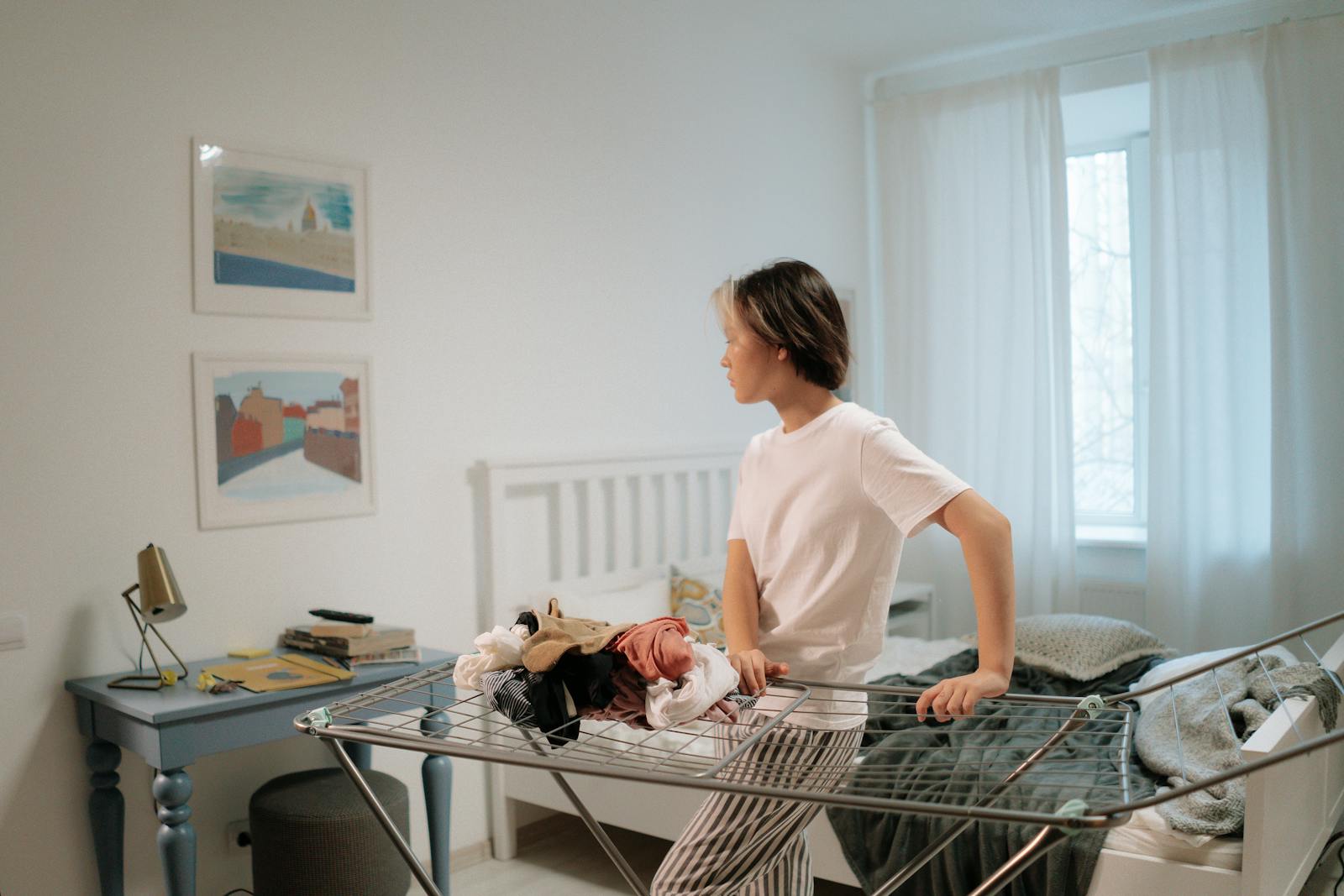
Many individuals maintain immaculate homes not out of discipline but as a coping mechanism from childhood experiences in chaotic environments. The act of organizing provides a sense of control in a world where many factors are unpredictable. Children learn to manage their surroundings to create stability, leading to adult behaviors that may appear virtuous but are actually rooted in past trauma. This ritual of control often goes unexamined, as the connection between effort and outcome in their physical environment becomes a source of comfort.
"The tidiness is real, but the impulse behind it has nothing to do with organization and everything to do with a nervous system that learned, decades ago, that arranging objects was the only reliable way to produce a predictable outcome in a world that offered very few."
"Children in unpredictable households figure out the rules fast. Not the stated rules. The actual ones. The rules about which adult's mood determines the temperature of the evening, which topics will trigger silence, which kinds of visibility are safe."
"The physical environment becomes the one domain where effort connects to outcome. In psychology, there's a concept called locus of control, which describes the degree to which a person believes they can influence events in their life."
Read at Silicon Canals
Unable to calculate read time
Collection
[
|
...
]