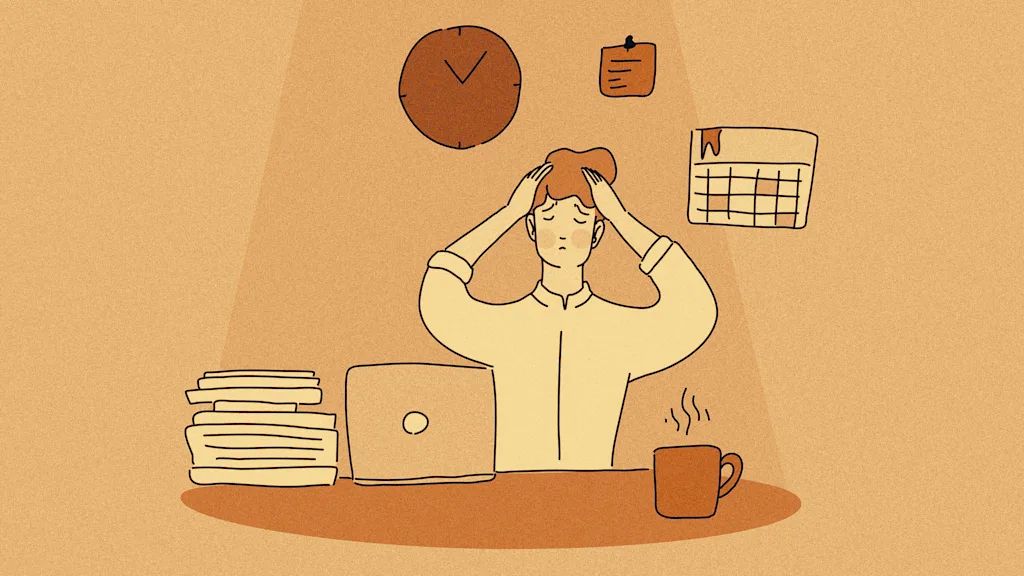
"Many people finish the workday not just tired but wired. Their mind keeps racing, their body feels tense, and even in moments that should be restful they feel a lingering sense of urgency. Conversations replay in their mind, unfinished tasks resurface, and their nervous system seems unwilling to power down."
"Stress is not inherently harmful. In fact, when experienced in short bursts, stress can be beneficial by increasing focus, improving performance and preparing the body to handle challenges. However, problems arise when stress becomes chronic and relentless."
"The nervous system perceives and processes both stress and pain. Built to be highly adaptable, it continually responds to internal signals and external factors, constantly recalibrating to maintain balance. When the brain continuously perceives ongoing demands without adequate recovery, it keeps the body in a prolonged state of alertness."
"During these periods of ongoing stress, hormones such as cortisol and adrenaline remain persistently elevated. In this sensitized state, signals that would typically be ignored or interpreted as minor can start to feel much more intense. This state leads to an increase in heart rate and sustained muscle tension, with the nervous system transitioning into continuous fight or flight mode. In the context of headaches, this sensitization can lower the threshold for pain, making it easier for a headache to start and harder for it to stop."
Many people end the workday feeling tired yet mentally activated, with racing thoughts, tense muscles, and lingering urgency. This persistent state is common in modern professional life and can affect physical health, especially for people prone to headaches. Stress can be helpful in short bursts, but chronic relentless stress disrupts recovery. The nervous system processes stress and pain and continually recalibrates to maintain balance. When ongoing demands continue without adequate recovery, the brain keeps the body in a prolonged alert state. Cortisol and adrenaline stay elevated, heart rate increases, and muscle tension persists, shifting the body into continuous fight-or-flight. This sensitization lowers the pain threshold, making headaches easier to start and harder to stop.
Read at Fast Company
Unable to calculate read time
Collection
[
|
...
]