"I have an unfortunate penchant for screens at night-they enable my hyperactive mind, allowing me to make progress on projects despite the darkness. Even more unfortunate are the results of this unnatural light-time: late-night alertness, ample tossing and turning, and many mornings welcomed with less than six hours of sleep. Bright lights keep us buzzing late into the night because of our circadian rhythm, which is the body's internal clock."
"Before the widespread availability of electricity, human activity was tightly synced with these natural light cycles, as it was for every other living being on the planet. Over time, though, experiencing light after dark shifted from a rare luxury to an everyday fixture. I wondered what my life, mind, and body would feel like without the disruption of electric light."
"When my boyfriend, Franco, and I agreed to house-sit at a remote farm in the Atlantic Forest of Bahia, Brazil, I knew it was the ideal location for such an experiment. It was worlds away from our apartment in the chaotic heart of Buenos Aires, the South American "city that never sleeps." And there was not a trace of light pollution to be found."
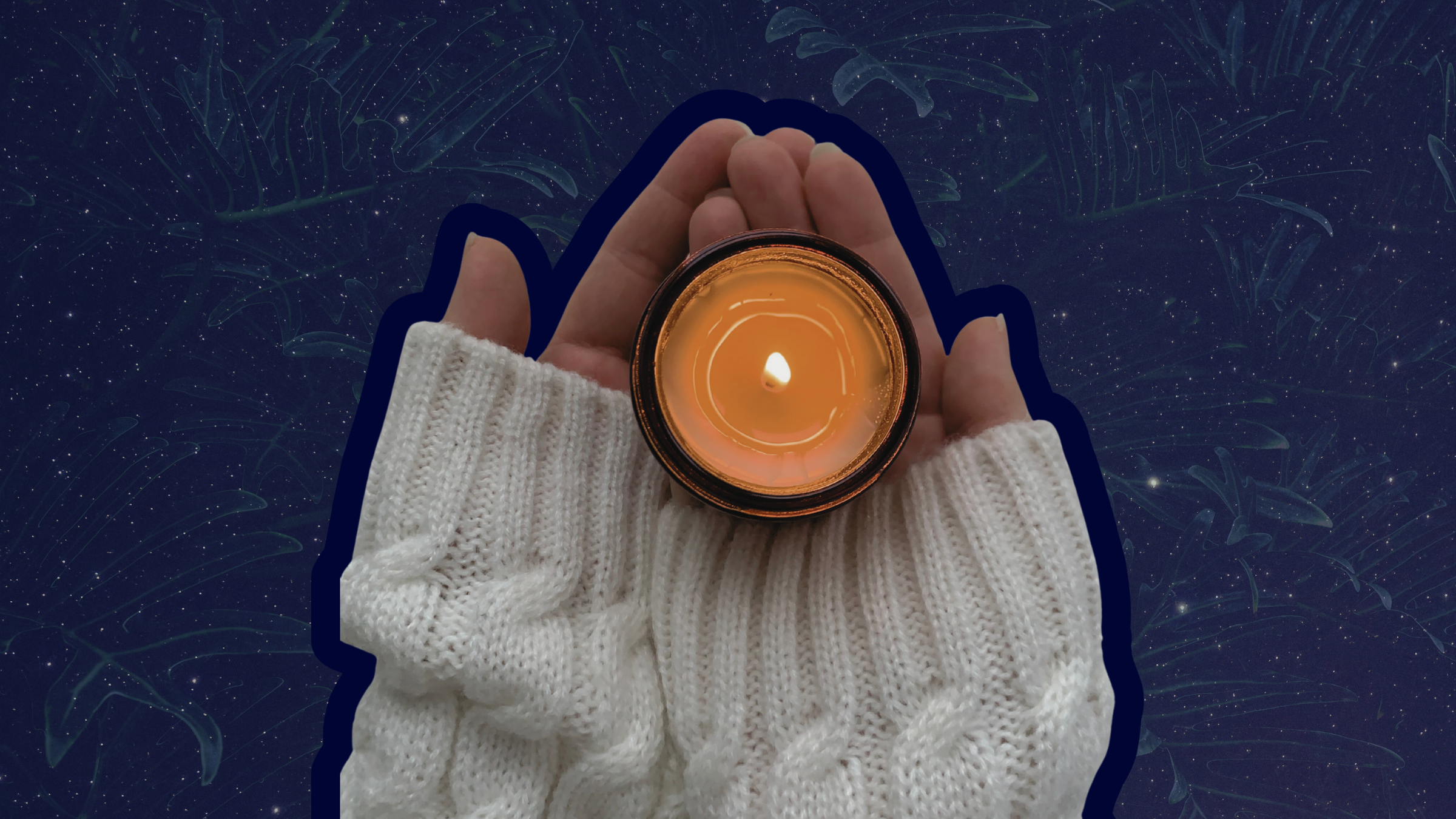
Nighttime screen use stimulates the mind and leads to late-night alertness, restless sleep, and frequent mornings with under six hours of sleep. Bright artificial light disrupts the circadian rhythm, the body's internal clock, and is intrinsically tied to light exposure. Before electricity, human activity aligned with natural light cycles, but post-electricity light after dark became common. A one-week experiment at a remote farm in Bahia, Brazil, without light pollution involved shutting down electronics at sunset and relying on candles and a red-light headlamp to minimize melatonin suppression. The goal was to let the body determine sleep onset.
Read at Yoga Journal
Unable to calculate read time
Collection
[
|
...
]