#light-pollution
#light-pollution
[ follow ]
#astronomy #stargazing #satellites #noise-pollution #space-telescopes #citizen-science #dark-skies #night-sky


fromwww.theguardian.com
2 weeks agoDo look up: stargazing in New Zealand's first dark sky community
As the last strip of pink on the horizon fades to indigo on the Maniototo Plain in Otago, every word I speak arrives in a puff of condensation. Six hundred metres above sea level, in winter the temperature here can drop to -15C. Spring isn't much warmer. But the chill is worth it. Standing in the dark in what feels like the middle of nowhere, I've come to a paddock not far from the historic mining town of Naseby to stargaze.
Skiing
fromArchitectural Digest
3 years agoThese Festive Garden Lighting Ideas Keep the Party Going All Night Long
"Using warmer lights and minimizing blue light emissions can help reduce the impact of your light pollution, as blue light brightens the night sky more than any other color of light."
Environment
Europe news
fromenglish.elpais.com
1 month agoFrom the nighttime lights of the rich to the blackouts caused by crises, this is how satellites capture the heartbeat of society'
Light pollution is increasing globally, but some regions are experiencing a decrease due to crises or effective environmental policies.

#environmental-protection

New York City
fromwww.amny.com
2 months agoNYS bill sparks birds or burglars' debate: Mandate to shut outdoor lights to help wildlife raises safety concerns
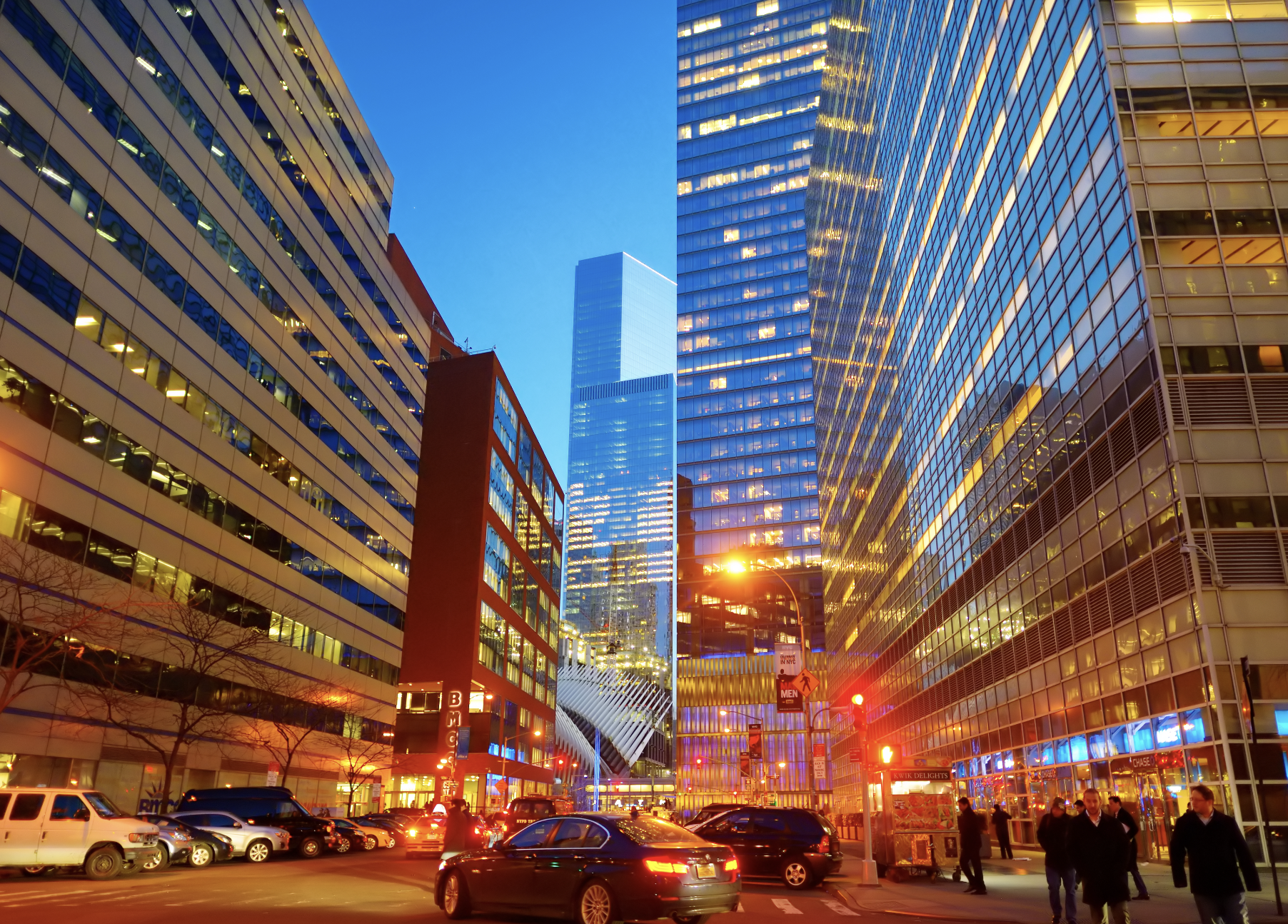
New York State lawmakers proposed the Dark Skies Protection Act requiring property owners to shut off outdoor lights between 11 p.m. and 5 a.m. to reduce light pollution and protect wildlife.
fromArchDaily
2 months agoDesigning the Sensory City: Architecture, Light Pollution, and Urban Noise
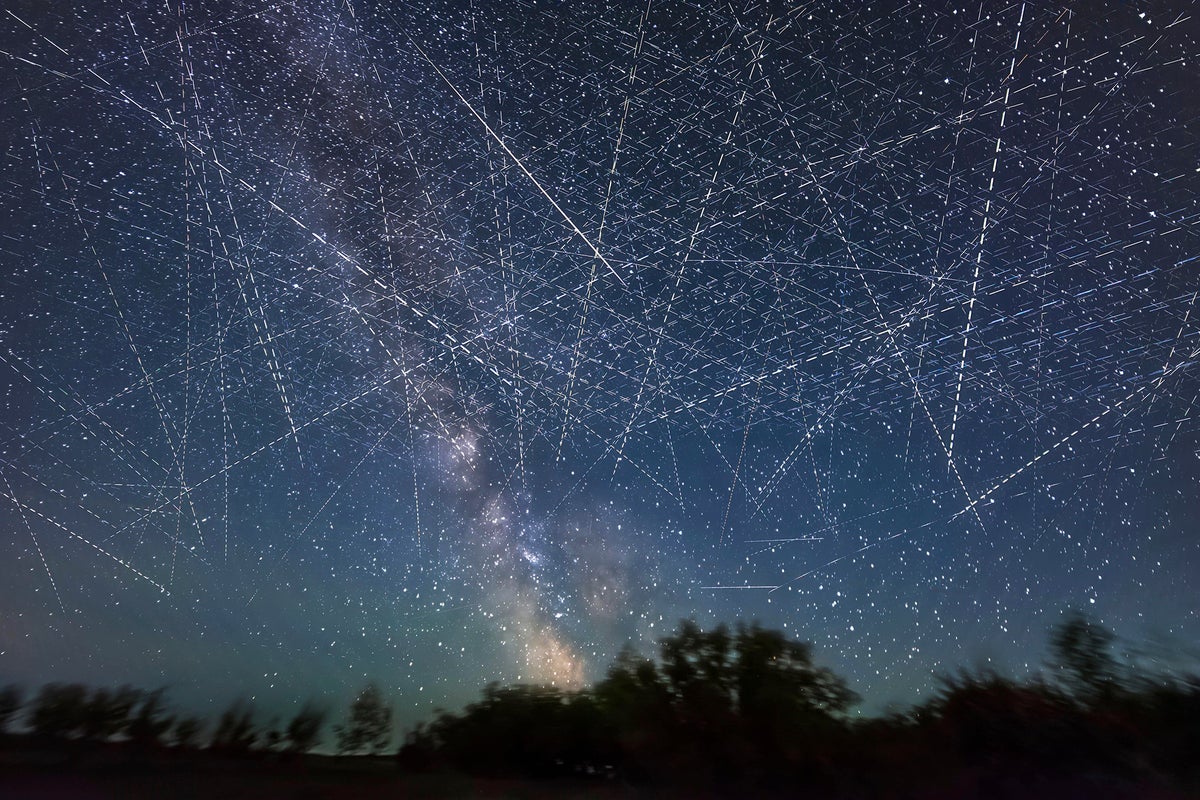
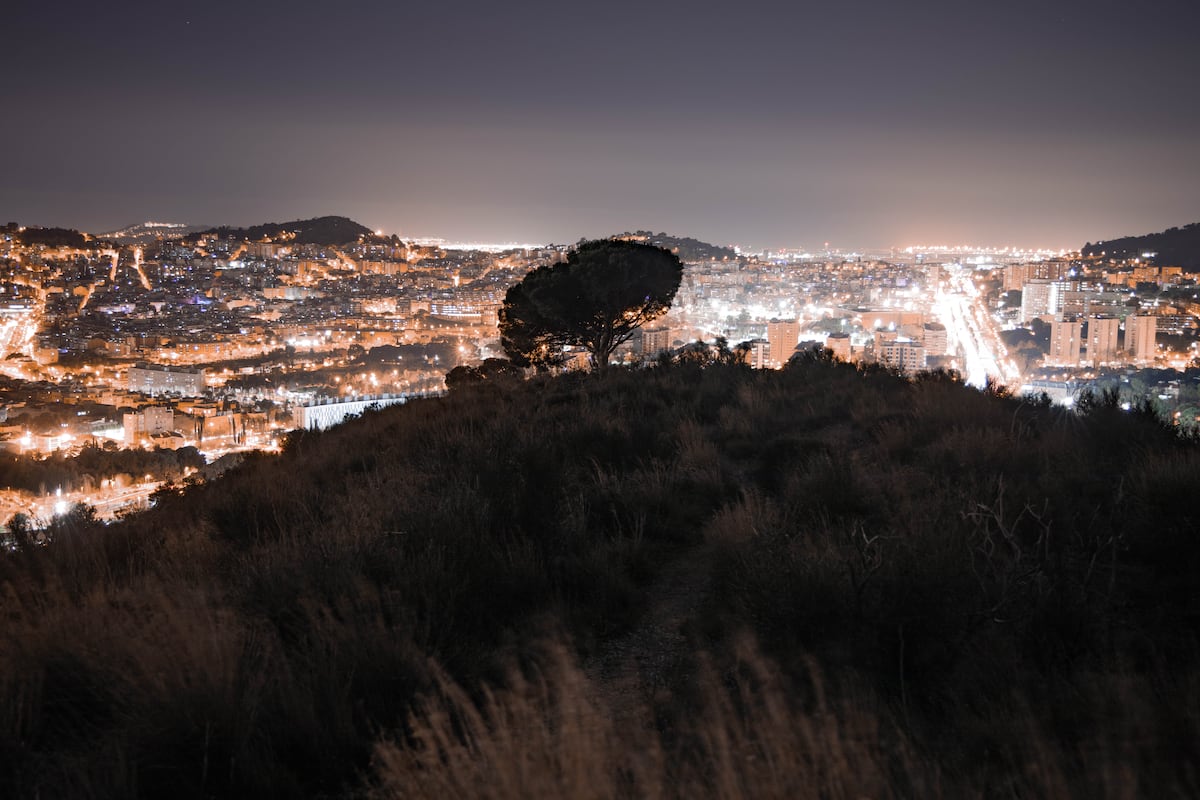
For most of human history, night arrived as a planetary certainty. Darkness spread across landscapes, and the sky revealed thousands of stars. Today, that sky is disappearing. Artificial light spills upward from cities, scattering through the atmosphere and turning night into a permanent haze. Research mapping global sky brightness shows that more than 80 percent of humanity now lives under light-polluted skies, and the Milky Way has vanished from view for over a third of the world's population.
Environment
Marketing
fromThe Cool Down
3 months agoDriver shares photo after spotting obnoxious vehicle on highway: 'How is that not illegal?'
Mobile LED-advertising trucks can create hazardous nighttime glare and driver distraction, remain largely legal nationwide, but are subject to local brightness and volume regulations.
Environment
fromwww.theguardian.com
3 months agoThe normal should be darkness': why one Belgian national park is turning off pointless' streetlights
Removing unnecessary streetlights in Wallonia aims to reduce severe light pollution and protect wildlife, despite local safety concerns and demands for biodiversity evidence.
fromwww.scientificamerican.com
3 months agoAstronomers have won the latest battle over dark skies, but the global conflict continues
Last week AES Andesa subsidiary of the AES Corporation, an American energy companyannounced it had scrapped its plans for a sprawling, city-size renewable energy project in Chile's Atacama Desert. The Atacama offers some of the world's darkest, clearest skieswhich is why it also hosts several of Earth's most important ground-based telescopes, including those of the European Southern Observatory's (ESO's) Paranal Observatory, which could've been within a mere five kilometers of the green-energy facility, according to earlier plans.
Science
fromMail Online
3 months agoBest places to see the Northern Lights in the UK
Thanks to increased solar activity, combined with clearer winter skies and longer hours of darkness, there have already been numerous reports of sightings throughout January across Scotland, Northern Ireland, Wales and England. In light of this, travel specialists Japan-101 have analysed 100 UK towns and cities to identify the best locations for viewing the phenomenon. Each was scored out of 100 based on artificial light levels, air pollution and cloud cover, and totalled to determine an index score out of 100.
Travel
fromTravel + Leisure
4 months ago13 of the Darkest Places in the U.S. for Incredible Stargazing
Your stargazing experience can differ greatly based on where you are in the world. That's due in part to light pollution, which can drown out all but the brightest stars and satellites in densely populated areas. For truly unforgettable celestial views, you'll need to visit one of the darkest places in the U.S. on a clear night. DarkSky is an Arizona-based nonprofit with the mission "to restore the nighttime environment and protect communities and wildlife from light pollution."
Science


fromFuturism
5 months agoSpaceX Is Now Threatening the Hubble, NASA Warns
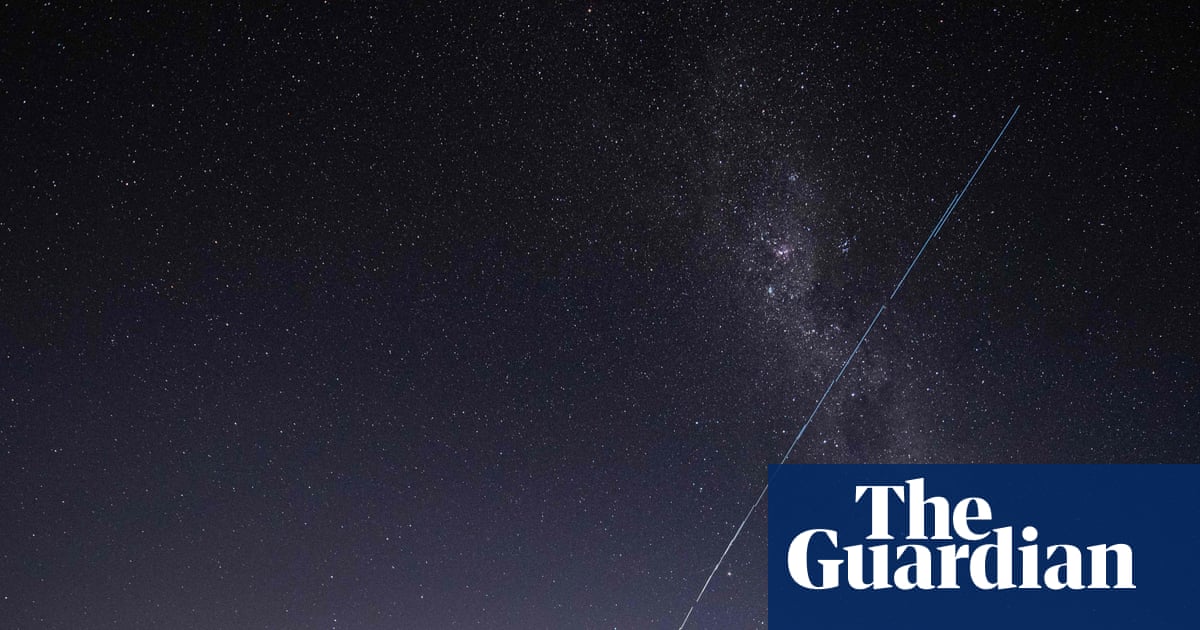
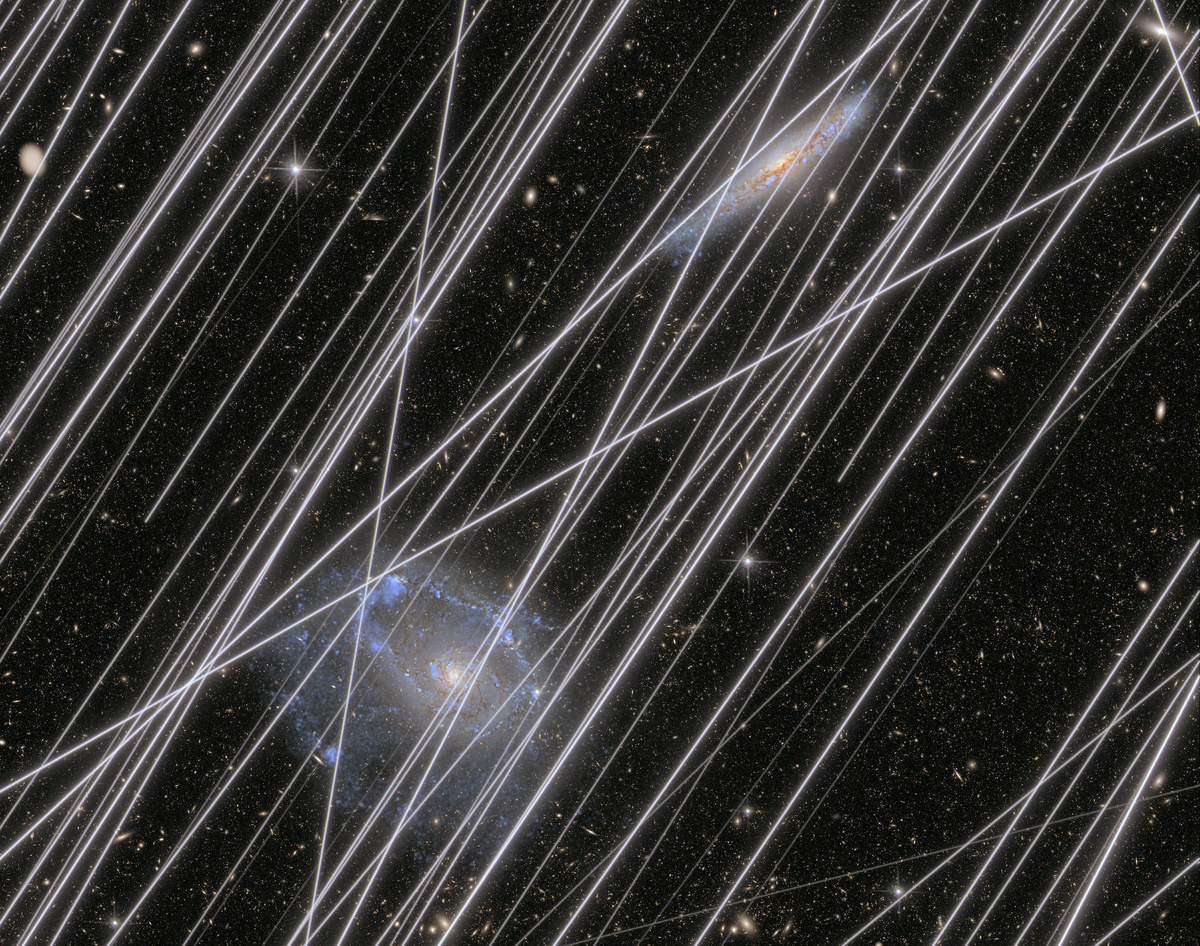
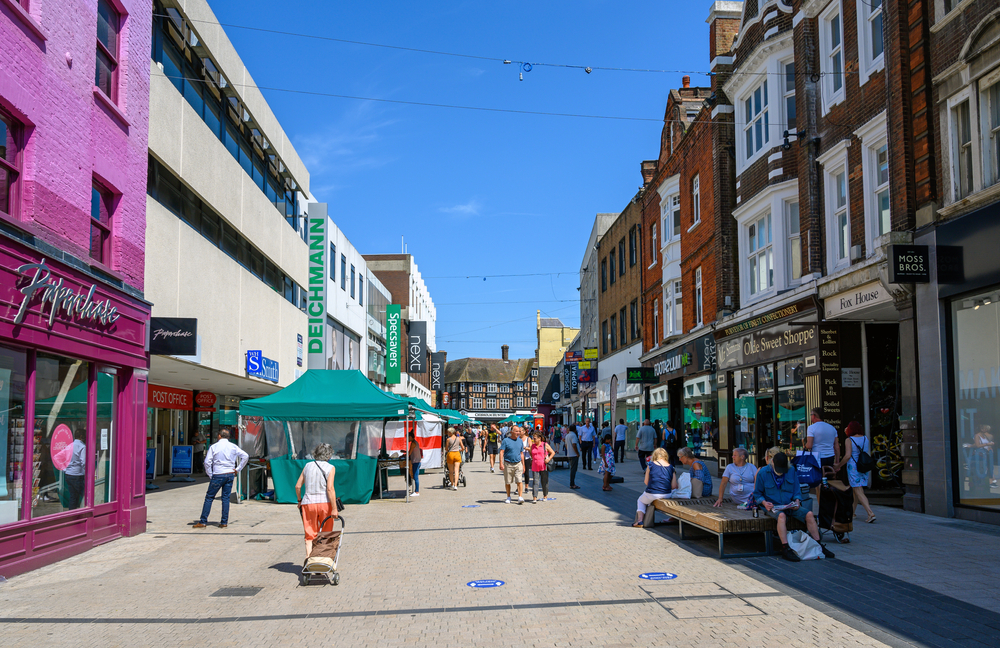
Numerous stories have been written about the growing swarm of Starlink satellites in low earth orbit (LEO) over the past few years, as astronomers grow increasingly worried about the crafts' impact on their observation equipment. Launched by Elon Musk's SpaceX, each satellite has the potential to disrupt astronomy through both radio emissions and light pollution - and as the number of satellites grows, so too does the amount of interference. Now, a new study by researchers at NASA is warning that obstructions caused by SpaceX and other private satellite companies are becoming so severe that not even the Hubble Space Telescope is safe.
Science
Environment
fromTravel + Leisure
6 months agoThis Is the First Zoo in the World to Be a Certified Night Sky Sanctuary-and You Can Visit After Dark, Too
Artis Park in Amsterdam earned Urban Night Sky Place status, reducing light pollution to protect nocturnal wildlife and restore natural darkness in the city center.
fromThe Cool Down
7 months agoResidents shares photo after spotting concerning scene on side of building: 'Whatever it is, I hate it'
Their question has reignited a larger conversation about "ad creep," which is the steady infiltration of advertising into every corner of public life. With this phenomenon heightened by new forms of media, seldom can a resident now go a day without seeing advertisements compelling them to consume. As advertisements have grown, endless consumption that boosts pollution has come with them, according to Earth.org.
Environment
fromBig Think
7 months agoThe true cost of "solar power at night" with Reflect Orbital
A combination of increasing populations, the widespread development of heating and cooling, a reliance on modern electronics, and the introduction of new energy-intensive technologies (such as the blockchain, smart technology, and artificial intelligence) are among the factors driving our rising energy needs. Sure, we can always build more power plants, but what about the simple solution of increasing the efficiency and production of already-existing plants, particularly the ones that only see part-time usage: wind and solar.
Environment
Science
fromwww.theguardian.com
7 months agoThe universe has opened up for us': meet the astro-ambassadors who welcome stargazers to the Himalayas
Hanle's dark sky reserve trains local astronomy ambassadors, boosting astro-tourism, protecting observatory conditions, and providing sustainable livelihoods for villagers.
fromwww.scientificamerican.com
7 months agoThe Eclipse Turned Day to NightAnd the Birds Went Quiet
When a total solar eclipse plunged North America into darkness on the afternoon of April 8, 2024, the songbirds in Bloomington, Ind., suddenly fell silent. In the middle of the forest, the only sounds biologist Kimberly Rosvall could hear were the croaks of nocturnal frogs and the distant howl of a coyote. But when sunlight returned after four minutes of night, the songs did, too, as hundreds of birds greeted the morning in unison with a cheerful dawn chorus.
Science

New York City
fromNew York Post
8 months agoThe absolute 'worst city in America' to get good sleep is minutes away from NYC - and the Big Apple isn't far behind
Newark, New Jersey ranks as the worst U.S. city for sleep with a 16 sleep-index score driven by extreme noise, light pollution, and heavy transportation activity.
fromTravel + Leisure
8 months agoThis National Park Was Just Named the Best Place in the U.S. for Stargazing-and It Feels Like 'Stepping Into the Cosmos'
For those not in the know, astrotourism is one of the hottest trends in travel. It brings people to destinations where they can witness everything from the aurora borealis to solar eclipses, and to places with low light pollution where the stars shine the way they were meant to be seen. And according to Kühl, the outdoor apparel company, it might be more necessary than you think.
Travel
fromwww.npr.org
9 months agoArtificial light has essentially lengthened birds' day
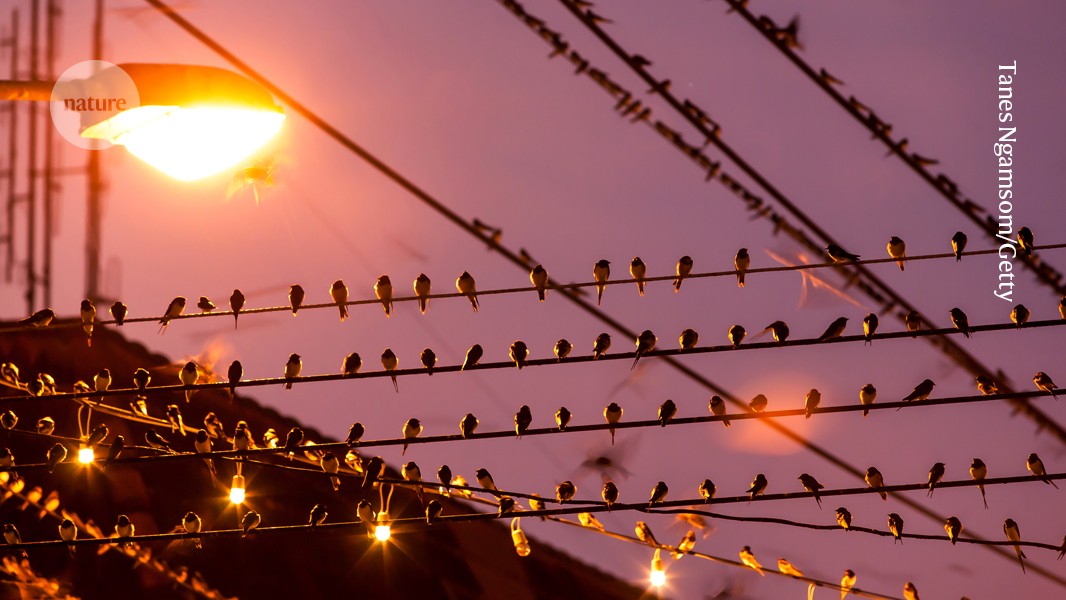
The early bird gets the worm, as the old saying goes. And now a lot of birds around the globe are starting their days earlier than ever, because of unnaturally bright skies caused by light pollution. "For these birds, effectively their day is almost an hour longer. They start vocalizing about 20 minutes earlier in the morning and they stop vocalizing about 30 minutes later in the evening," says Neil Gilbert, a wildlife ecologist with Oklahoma State University.
US news
fromwww.npr.org
10 months agoAs light pollution increases, West Texas works to protect the world's largest 'dark sky reserve'
"It just feels amazing looking up seeing all these different constellations," said Maya Howitt. The girl is here with her parents, Emma and Cameron Howitt, and the three of them are taking turns looking through a telescope that's pointed at a pair of stars in the 'handle' of the Big Dipper.
US news
Non-profit organizations
fromwww.theguardian.com
11 months agoA small but mighty program': little-known US light pollution agency threatened by Trump funding cuts
The Trump administration plans significant cuts to the Natural Sounds and Night Skies Division, jeopardizing vital environmental protections in national parks.
[ Load more ]