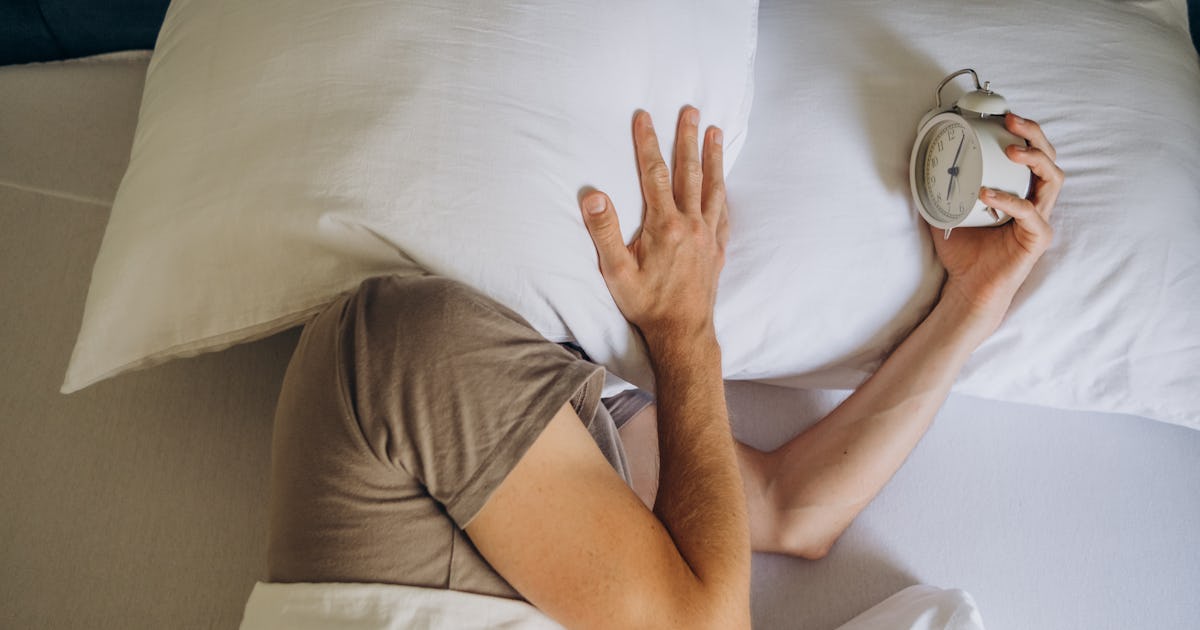
"Sleep apnea is one of the most common - and most overlooked - sleep disorders. Millions of people live with it for years without realizing their nightly rest is being repeatedly disrupted, quietly affecting their health in ways that extend far beyond sleep. Once you know what to look for, the signs may sound familiar: getting a full eight hours yet waking up exhausted, struggling with daytime fatigue, irritability, and difficulty concentrating."
"Obstructive sleep apnea, or OSA, is a disorder where the upper airway (the area behind the tongue and soft palate) repeatedly narrows or collapses during sleep, causing complete pauses (apneas) or shallow breathing (hypopneas), according to Dr. Alison Kole, a board-certified sleep, pulmonary, and critical care physician. Sleep apnea is not just snoring or tossing and turning at night. It's repetitive interruptions in breathing that force your body into "micro-arousals" to essentially save itself from oxygen deprivation."
Obstructive sleep apnea occurs when the upper airway repeatedly narrows or collapses during sleep, producing complete breathing pauses (apneas) or shallow breaths (hypopneas). Repetitive interruptions in breathing trigger brief micro-arousals that fragment sleep without conscious awareness. Typical signs include loud snoring, gasping or choking at night, waking unrefreshed despite adequate time asleep, daytime fatigue, irritability, and impaired concentration. Chronic untreated sleep apnea contributes to impaired brain clearance of metabolic byproducts, worsened metabolic function, increased cardiovascular strain, and diminished mental health. Early recognition and treatment reduce nightly breathing interruptions and lower the risk of long-term systemic consequences.
#obstructive-sleep-apnea #sleep-disruption #cardiovascular-health #metabolic-health #cognitive-effects
Read at Inverse
Unable to calculate read time
Collection
[
|
...
]