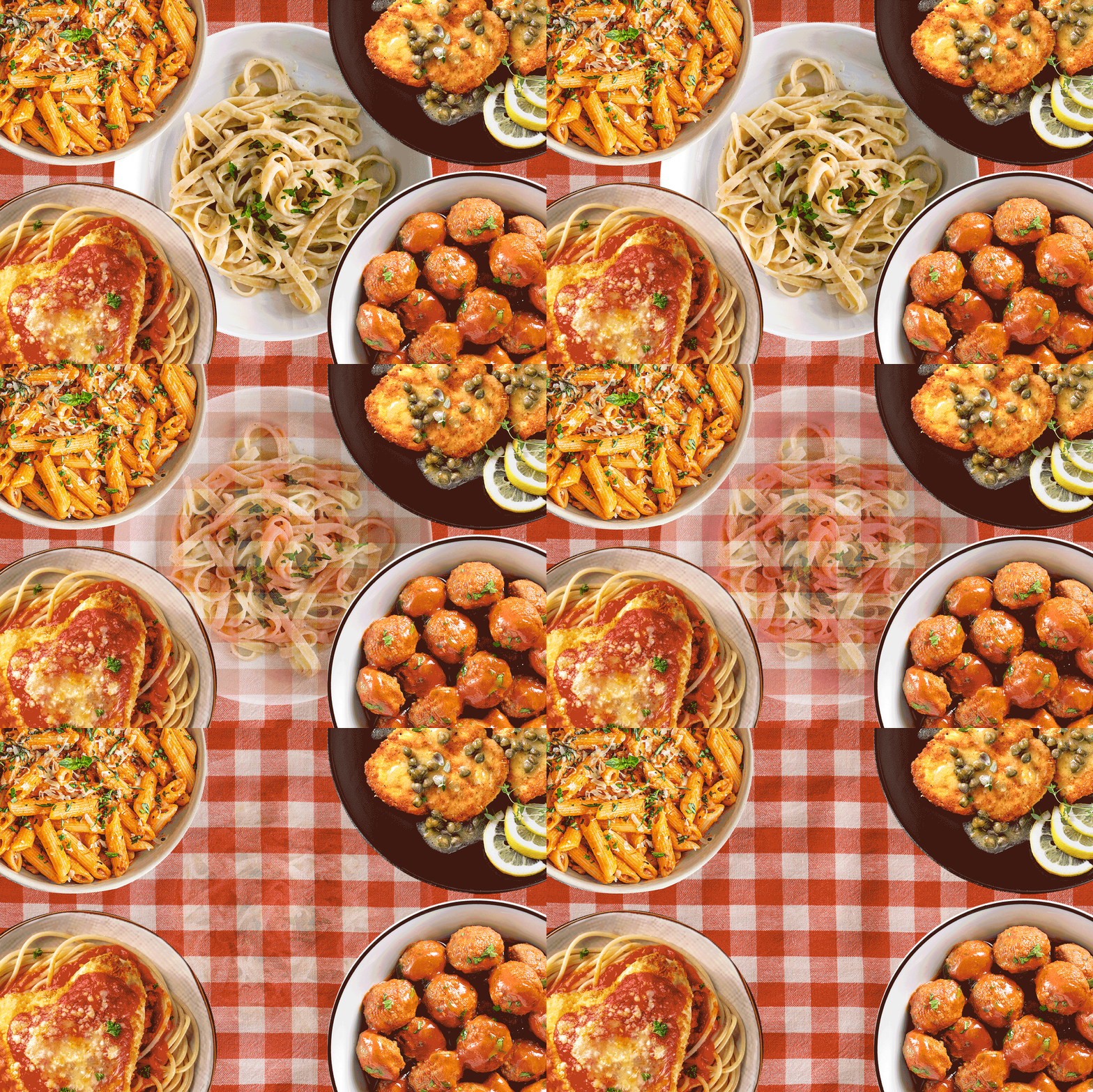
"Somewhere in the late 70's or 80's, red sauce was no longer cool. It was no longer authentic. Tuscan was 'in'. ... You could eat in Italian restaurants in New York for ten years and never even see red sauce. We were almost made to feel bad about any secret appetites we might retain for spaghetti and meatballs."
"From its early-20th-century origins in working-class Italian immigrant communities—in which traditions of the homeland were fused with American cookery—this sauce-first-pasta-later, carb-loaded style of dining spread outward all over the country. Meatballs were made bigger, everything from chicken to ziti became blanketed with gooey mozzarella, and red sauce became the defining characteristic of a beautiful cuisine."
Italian American red-sauce restaurants emerged in early 20th-century immigrant communities, blending homeland traditions with American cooking. This cuisine spread nationwide, featuring larger meatballs, cheese-covered dishes, and abundant red sauce. However, by the late 1970s and 1980s, culinary elites dismissed red-sauce dining as inauthentic, favoring Tuscan cuisine instead. Recently, this style has undergone a significant reappraisal, with classic dishes like spaghetti and meatballs, chicken Parmesan, and calamari becoming fashionable again in new restaurants. This revival stems from millennial nostalgia, comfort food appeal during difficult times, and cultural reassessment. Despite this renaissance, fettuccine Alfredo—a cream-based, cheese-heavy dish—remains notably absent from contemporary menus.
Read at Slate Magazine
Unable to calculate read time
Collection
[
|
...
]