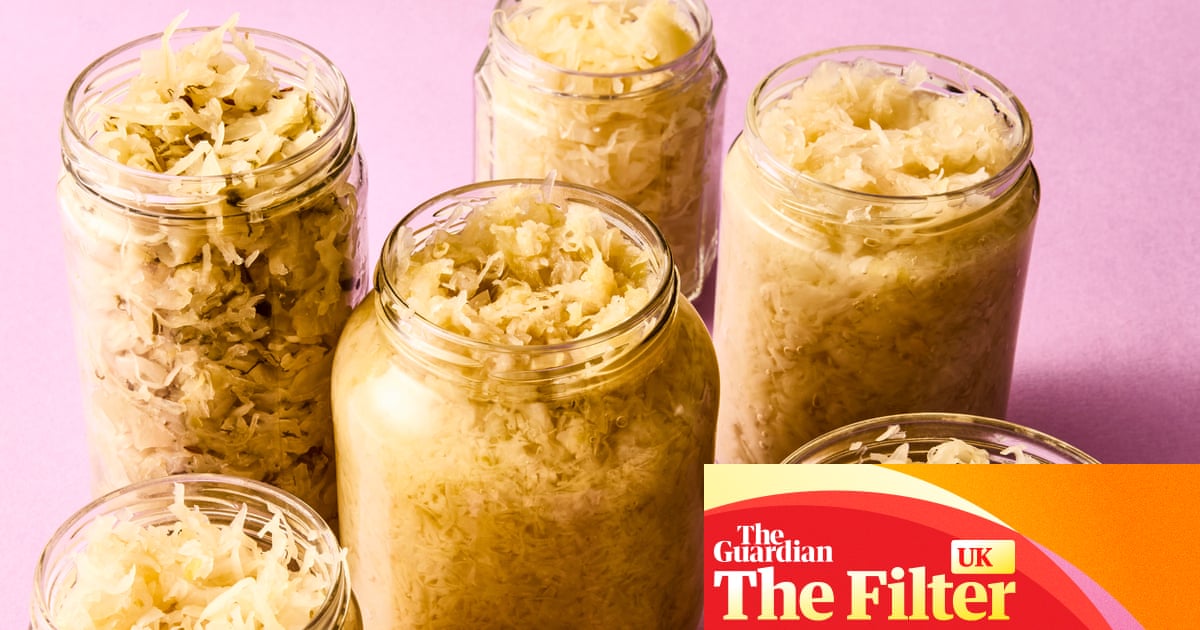
Raw sauerkraut is a sour, umami-rich condiment produced by fermenting cabbage and other vegetables with spices and salt, typically around 2% salt by weight. Raw, unpasteurised sauerkraut contains live beneficial bacteria and probiotics, while heat-treated or pasteurised versions have extended shelf-life but lose probiotic benefits. Tasting comparisons ranged from economical pasteurised jars to premium mail-order ferments. Loving Foods organic sauerkraut with caraway and juniper was noted for bright colour, intense flavour and 1% Celtic sea salt. Hurly Burly original organic raw sauerkraut offered strong value, crunchy texture and lower-than-average 1.5% sea salt. Texture, aroma, salt level and fermentation funk define sauerkraut quality.
"When eaten raw, this sour, umami-rich and complex condiment is one of the simplest and most nourishing whole foods in the world. Made by fermenting cabbage, and other vegetables, with spices and salt (the standard salt-to-cabbage ratio is 2% salt by total weight of cabbage, but a little either way is neither good nor bad, unless you're actively avoiding salt), a little sauerkraut on the side of my plate each day is how I ensure I get my daily dose of probiotics."
"To stabilise the product, some sauerkrauts are heat-treated or pasteurised. This is great for shelf-life but kills the beneficial bacteria and probiotic benefits. Straight from the jar, I tasted a range of sauerkraut from the most economical pasteurised varieties to some pricey mail-order products from the best fermenters in the country. Bright white sauerkraut with a sour, complex aroma. Crunchy and bounding with intense flavour, with plump fermented caraway seeds and whole juniper berries popping all over the place."
Read at www.theguardian.com
Unable to calculate read time
Collection
[
|
...
]