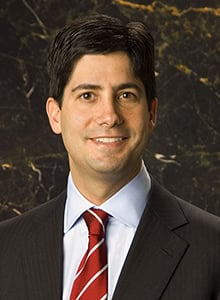
"Earlier this year, futures traders expected as many as three quarter-point cuts from the Fed in 2026. Then expectations slipped to two cuts. Today, according to the CME FedWatch Tool, the odds of a June rate cut have collapsed below 1%. Even after Kevin Warsh was confirmed as the next Federal Reserve chair this morning, markets still expect rates to stay exactly where they are at the June meeting. Futures pricing shows rate-cut probabilities remaining below 1% for much of the next year, while odds of hikes begin climbing starting with the July 2026 meeting."
"By January, markets see higher odds of a hike than keeping rates steady. Prediction markets are sending the same message. Kalshi traders currently assign roughly a 68% probability that the Fed delivers no cuts at all this year, while indicating a 50% chance of a hike happening before July 2027. In short, investors are no longer debating how quickly rates will fall. They're debating whether the Fed may need to tighten policy again."
"Markets have moved from confidently pricing multiple rate cuts to hoping the Fed simply avoids raising rates again. And that shift says a lot about where the U.S. economy may be heading next - toward a painful period of stagflation where inflation stays elevated even as growth slows and unemployment rises. That's a nasty combination because the Federal Reserve has very few painless solutions when both problems hit at the same time."
Markets previously priced multiple Federal Reserve rate cuts in 2026 based on cooling inflation. Expectations have shifted sharply from two or three cuts to near-zero odds of a June cut, with probabilities of hikes rising from July 2026 onward. Futures pricing indicates rates are likely to stay unchanged at the June meeting, while by January the odds of a hike exceed the odds of keeping rates steady. Prediction markets show a high probability of no cuts this year and a meaningful chance of a hike before July 2027. The change implies the economy may move toward stagflation, with inflation remaining elevated while growth slows and unemployment rises, creating difficult conditions for monetary policy.
Read at 24/7 Wall St.
Unable to calculate read time
Collection
[
|
...
]