#vehicle-reliability
#vehicle-reliability
[ follow ]
#tesla #electric-vehicles #resale-value #nhtsa-complaints #auto-plus #france #affordable-cars #ownership-costs
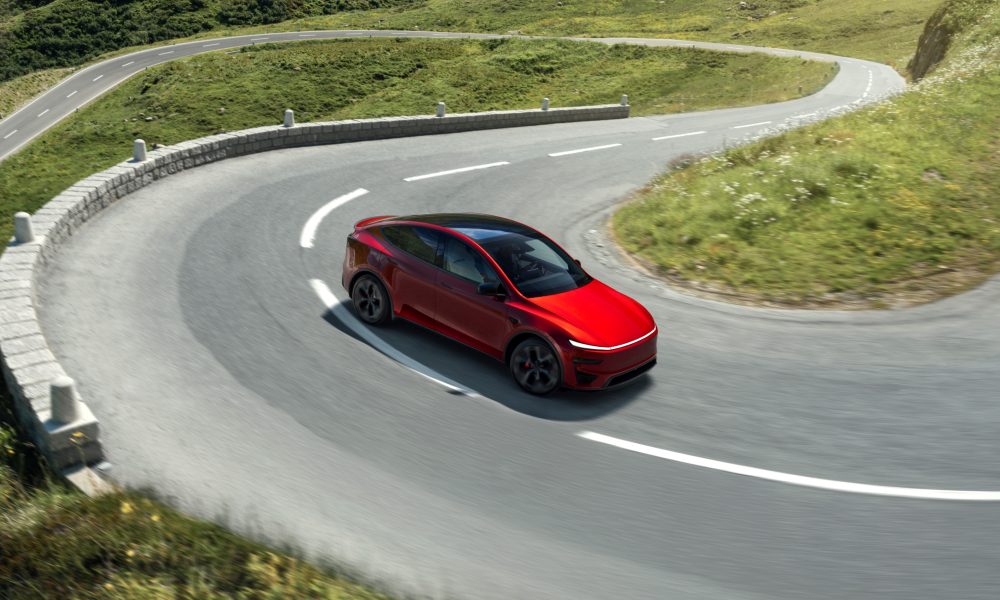

from24/7 Wall St.
3 months agoThe Most Affordable Car Brands You Can Actually Rely On
When shopping for a vehicle, most buyers are looking for more than just a good deal. A vehicle purchase isn't worth it to them without peace of mind. While style, technology, and performance all play a role, affordability and reliability consistently rise to the top of the priority list. A car that's reasonably priced but frequently in the shop quickly becomes an expensive headache. Drivers know that long-term dependability is just as important as the sticker price.
Cars
fromBusiness Insider
5 months agoMy 2017 Volvo has more than 100,000 miles. It's old, paid off, and perfect for my family.
When I bought my Volvo XC90 in 2017, I was thrilled to get a safe, third-row vehicle. With three kids between the ages of 3 and 8, the extra space meant fewer fights and more room, and reassured me that the car's safety features would help me drive through snowy roads and city traffic. Almost a decade later, that same Volvo has over 112,000 miles on it.
Cars
frominsideevs.com
5 months ago2025 Rivian R1T Owner Review: Here's What Broke After 28,000 Miles
After 28,000 miles, the electric pickup is still in great shape, but some unexpected problems had to be fixed. Rivian's second-generation R1T electric pickup has many improvements compared to the old model, even though it might not look like it from the outside. That's because most of the upgrades happened under the skin, where new motors, new hardware and better software were implemented.
Cars
from24/7 Wall St.
7 months agoThe Car Brand Americans Love
Lexus is Toyota's luxury brand. It launched in the United States in 1989, at about the same time Honda launched its luxury brand Acura and Nissan brought the Infiniti brand to market. Each of these companies wants a piece of the high-end and very profitable U.S. market. At that time, the U.S. was the largest car market in the world.
Cars
fromThe Verge
7 months agoWhen this EV maker collapsed, its customers became the car company
Cristian Fleming paid around $70,000 for his dream car, a Fisker Ocean. He was drawn to the new EV's 350-mile range, eco-friendly image, and quirky features like "California Modes," which rolls down nearly every window at once. "I've always bought my cars because I love the way they look," Fleming says. "That's probably my first mistake." But his joy soon turned sour.
Cars
Cars
fromInsideHook
10 months agoJ.D. Power's New Initial Quality Survey Has Good News for Lexus
Lexus and Nissan lead in vehicle reliability according to J.D. Power's study, while plug-in hybrids face increasing issues.
Interior design choices, especially around practical features, are falling short of drivers' expectations.
Travel
fromLondon Business News | Londonlovesbusiness.com
11 months agoHow to have a successful and rewarding road trip - London Business News | Londonlovesbusiness.com
Road trips offer a freeing way to recharge without the hassles of air travel.
Planning and preparation are crucial for a successful road trip.
Safety and vehicle reliability are top priorities on long journeys.
Mapping your route helps avoid delays and ensures a smoother trip.
[ Load more ]