#us-eu-interdependence
#us-eu-interdependence
[ follow ]
#nato #tariffs #ukraine #transatlantic-relations #russia #eu #iran-war #trump-administration #canada



fromwww.dw.com
6 hours agoTaiwan blames pressure from China for nixed Africa trip
The actual reason was intense pressure exerted by Chinese authorities, including economic coercion. Using coercive means to force a third country to change its sovereign decisions not only undermines aviation safety and violates relevant international norms and practices, it also constitutes a blatant interference in another country's internal affairs.
World politics
#canada


Canada news
fromFortune
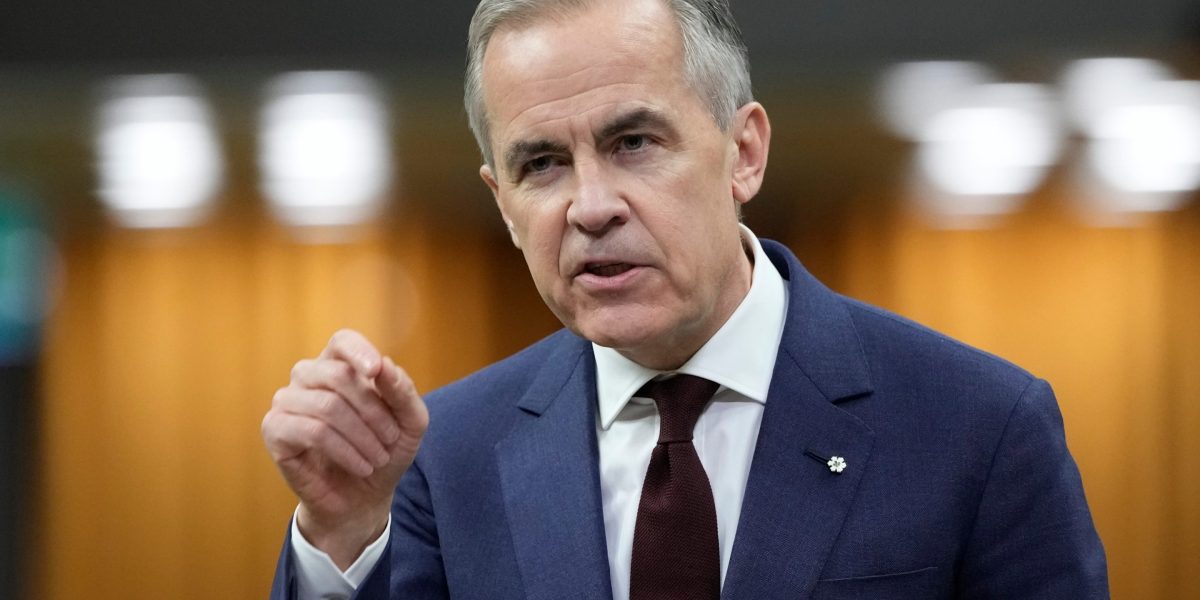
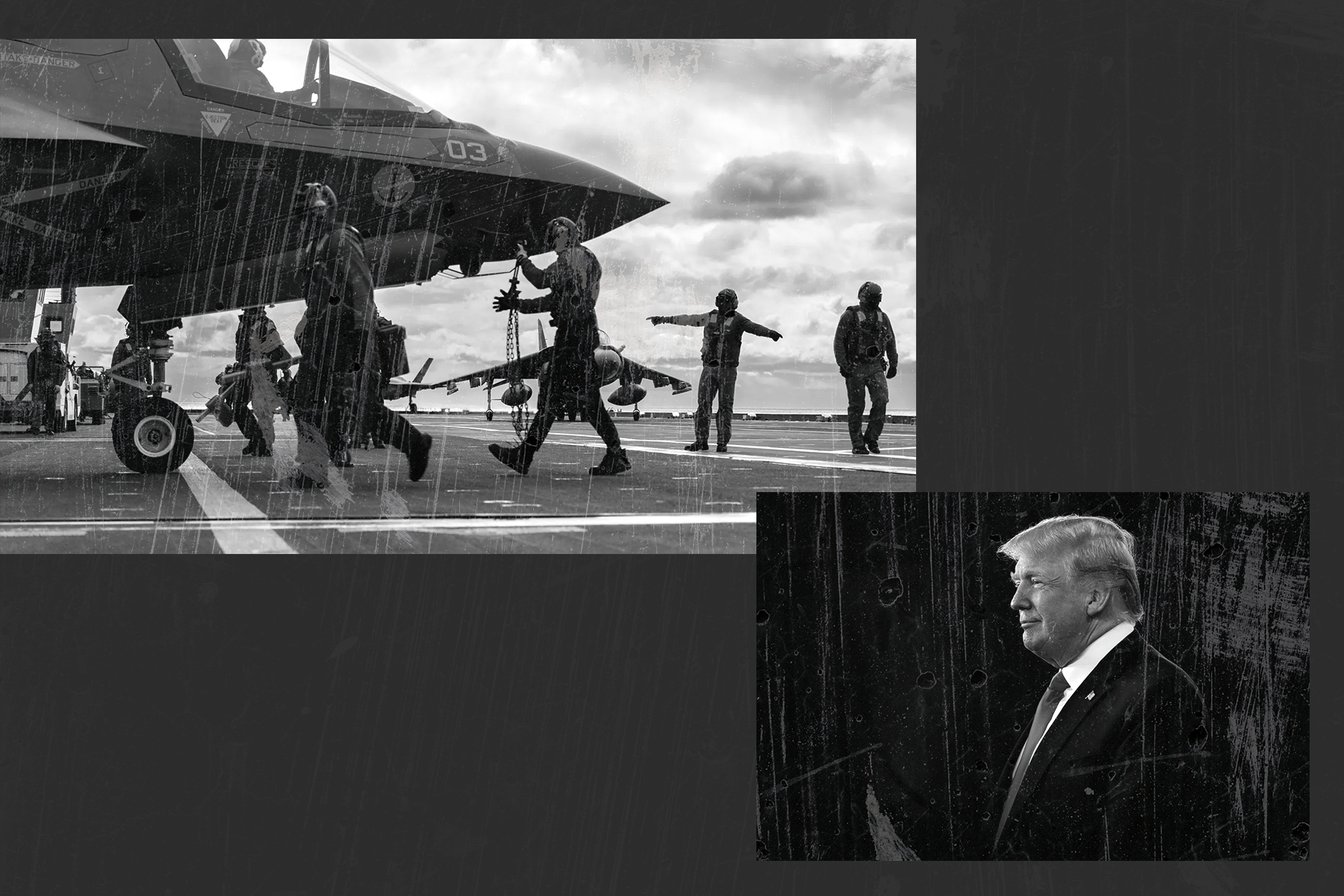
1 day agoCanada's PM says strong U.S. economic ties were a strength but are now a weakness that must be fixed. 'We have to take care of ourselves' | Fortune
Canada's economic ties to the U.S. have shifted from strength to weakness, necessitating diversification and new trade agreements.




Europe politics
fromLondon Business News | Londonlovesbusiness.com
2 days agoBaltic states block Slovak PM's air route to Moscow amid deepening EU-Russia tensions - London Business News | Londonlovesbusiness.com
Baltic states blocked Slovak PM Fico's airspace for Moscow trip, highlighting EU divisions over relations with Russia.
European startups
fromwww.dw.com
1 month agoUS trade probes could lead to new tariffs for EU, China
The US launched two trade investigations targeting excess industrial capacity and forced labor imports, potentially leading to new tariffs on major trading partners after the Supreme Court limited Trump's tariff authority.
World politics
fromLondon Business News | Londonlovesbusiness.com
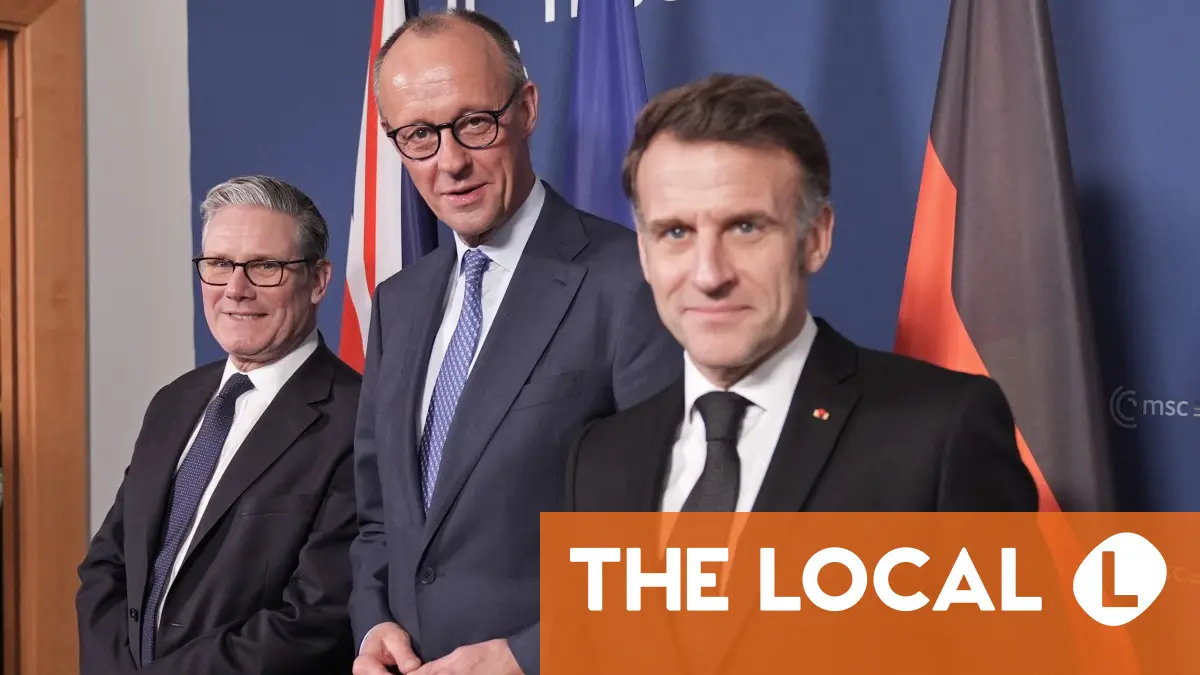
1 month agoGerman Chancellor tells Trump 'this is not our war, we have not started it' - London Business News | Londonlovesbusiness.com
NATO allies resist Trump's demands for military assistance in the Strait of Hormuz, citing concerns about escalation and questioning the necessity of European involvement in a US-led operation.



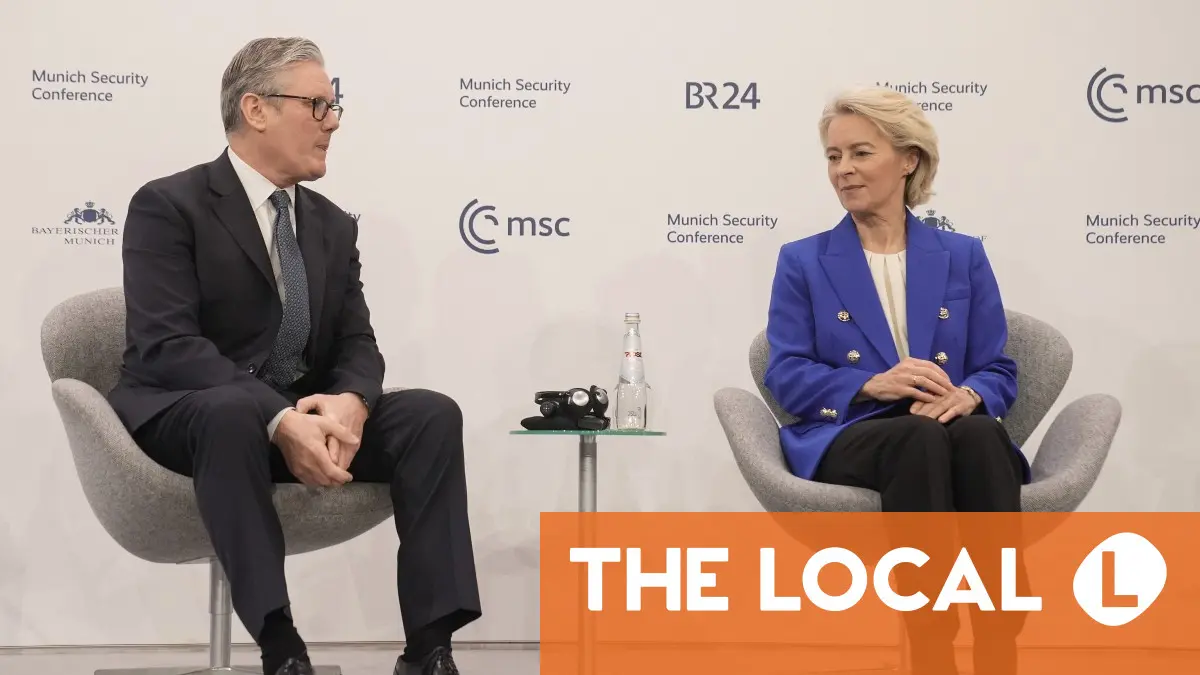
fromLondon Business News | Londonlovesbusiness.com
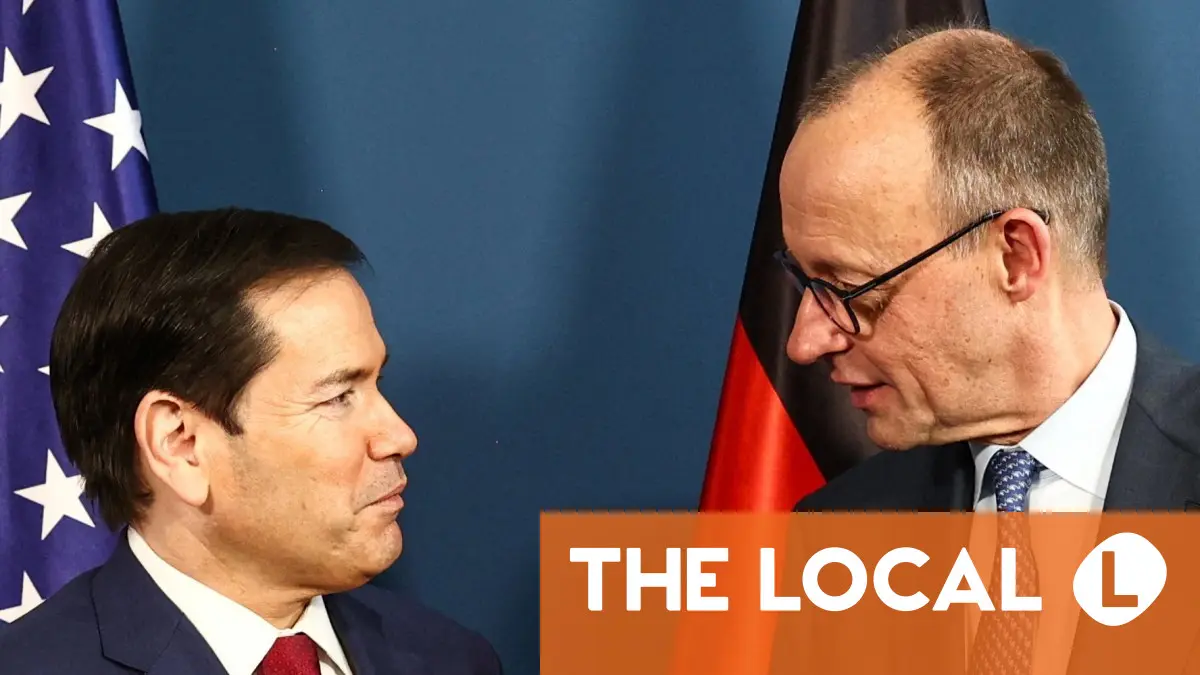
2 months agoTransatlantic reboot as Rubio vows US-EU alliance is back - London Business News | Londonlovesbusiness.com
US Secretary of State Marco Rubio reassured a nervous Europe on Saturday that Washington wants to "revitalise" the transatlantic alliance. "We do not seek to separate, but to revitalise an old friendship and renew the greatest civilisation in human history," Rubio said. "What we want is a reinvigorated alliance." Rubio stressed that the US and Europe "belong together" and must act as partners to defend shared values.
Miscellaneous
Europe politics
fromenglish.elpais.com
1 month agoThe EU is preparing to slam the door on Trump and cling to multilateralism
EU leaders prioritize multilateralism and rules-based order while addressing energy price surges and geopolitical instability driven by US-Iran conflict and Trump's foreign policy.
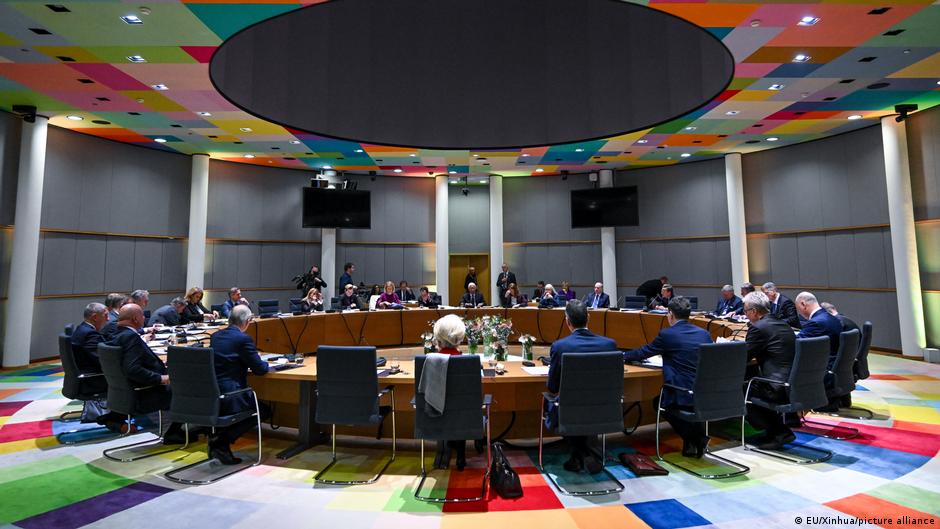
fromwww.thelocal.de
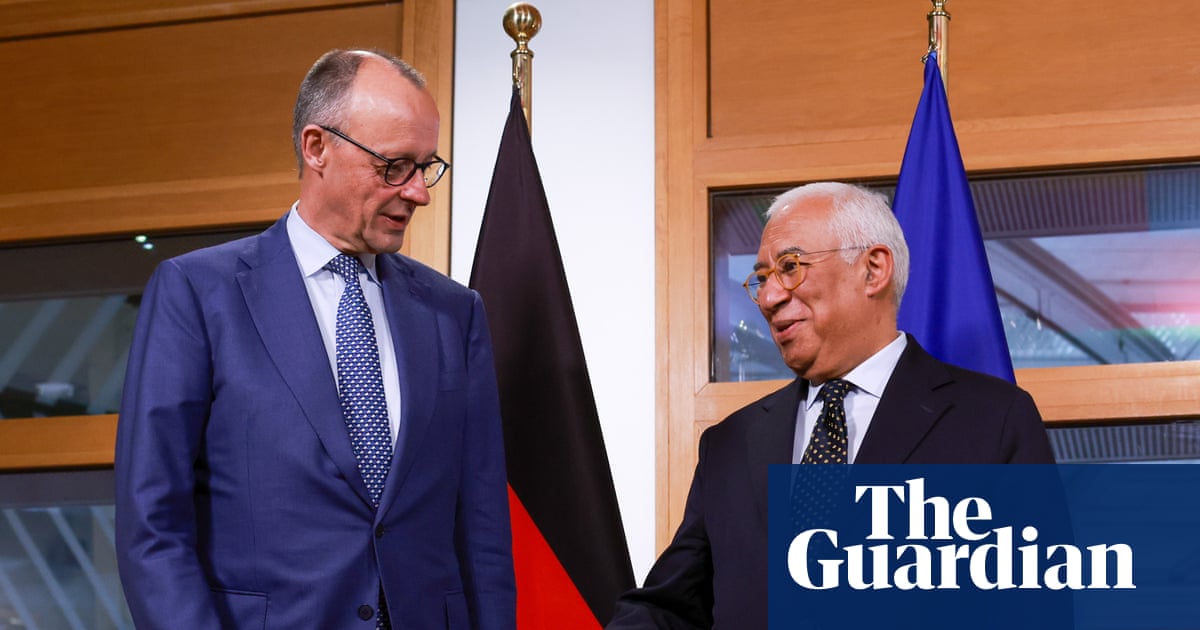
2 months agoGermany-US relations have been badly damaged but not beyond repair
Meeting in Munich over the weekend, officials on both sides said they wanted to continue to work together. In the world of geopolitics all eyes were on Southern Germany over the weekend where the Munich Security Conference (MSC) served as the latest make or break moment for Germany-US relations. German Chancellor Friedrich Merz delivered the event's opening speech in which he acknowledged that a rift has opened up with the US, and urged trans-Atlantic partners to repair and revive trust.
Miscellaneous
fromwww.dw.com
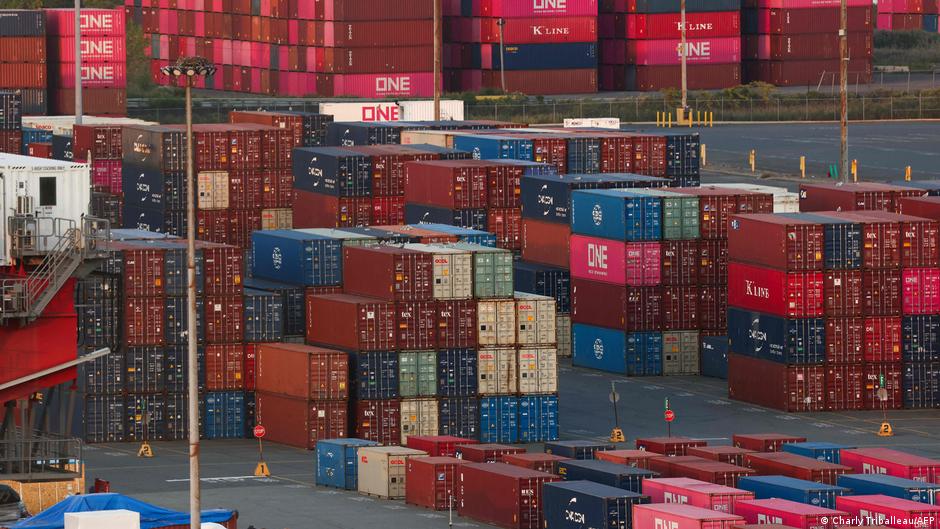
1 month agoChina overtakes US to become Germany's top trading partner
The sum of exports and imports between the two countries last year totalled 251.8 billion (roughly $296.6 billion), a 2.1% increase, according to Destatis. China was Germany's most important trading partner from 2016 all the way through to 2023. In 2024, the US briefly held the title. German Chancellor Friedrich Merz is also set to visit China next week, where he is set to discuss trade and other topics.
Miscellaneous
fromwww.theguardian.com
2 months agoThe Guardian view on the EU's answer to Trump: trade without threats | Editorial
For the European Commission president, Ursula von der Leyen, the EU's trade pact with India was the mother of all deals. Seen from the other end of the telescope, it looked like the mouse of all deals, with just 4bn (3.5bn) in tariff reductions a rounding error in a 180bn trading relationship. But that misses the point: this is about economic heavyweights resetting the terms of their cooperation because of Donald Trump's use of tariffs as a tool of economic and political compulsion.
Europe politics
[ Load more ]