Macron underscored the need for France and South Korea to cooperate to help reopen the strait and deescalate Middle East animosities, affirming their resolve to secure the safe shipping route in the Strait of Hormuz.
Austria's Defense Ministry stated, 'There have indeed been requests and they were refused from the outset.' The refusal is based on the country's neutrality policy, which has been in effect since 1955.
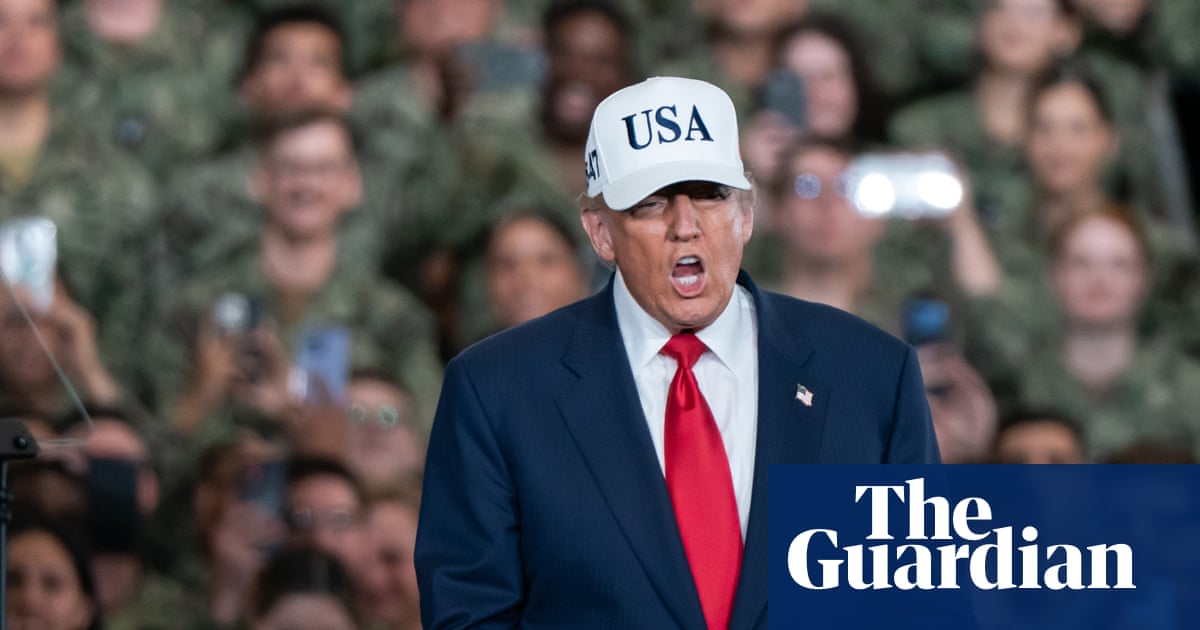
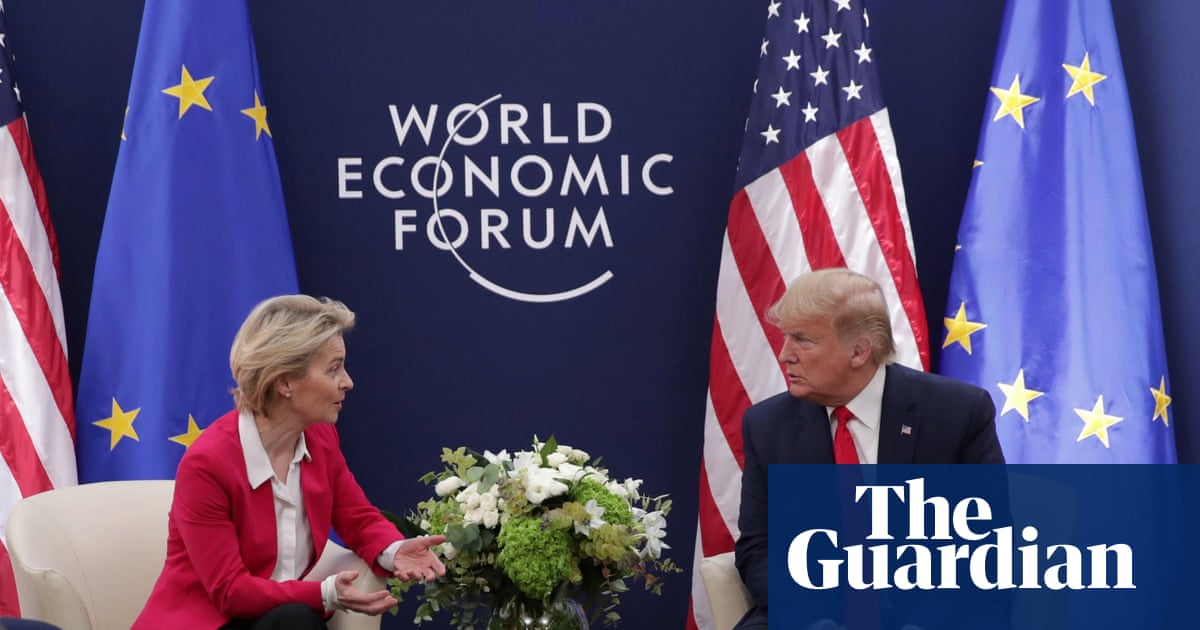
Germany on Monday thanked US President Donald Trump for extending Berlin an invitation to take up a seat on his so-called "Board of Peace." German government spokesman Steffen Cornelius said: "We are thankful for this invitation. We share the aim of pursuing peace in the world. It is in Germany's core interest to end the conflict in Gaza for good."
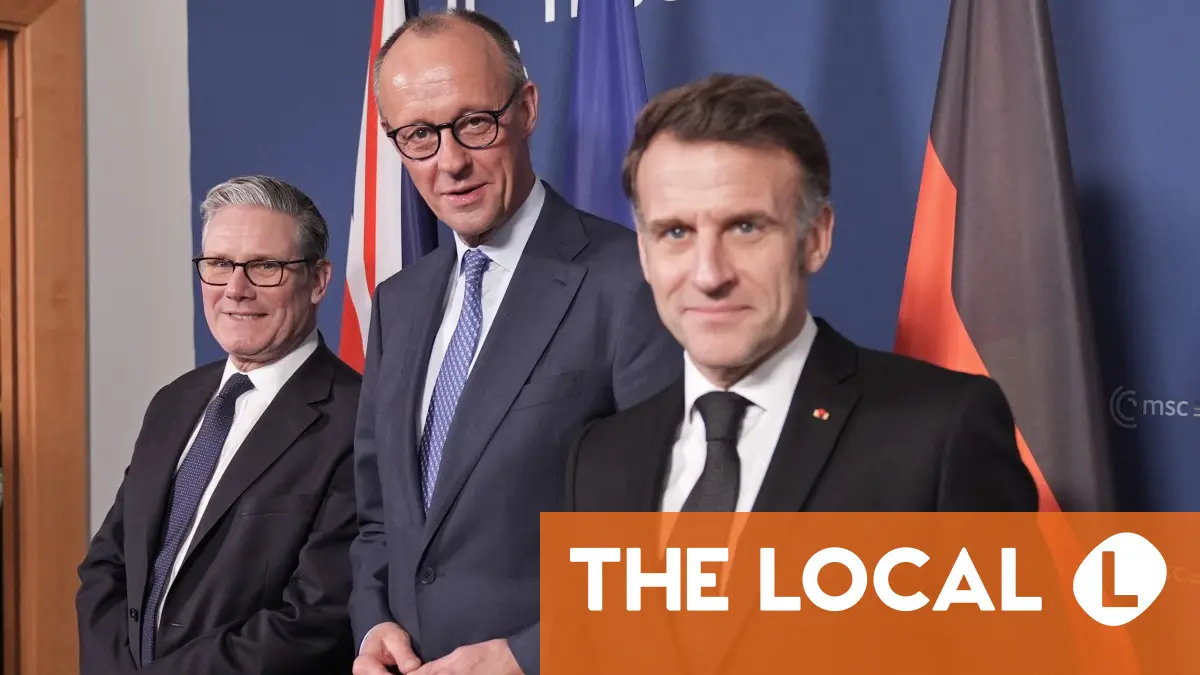
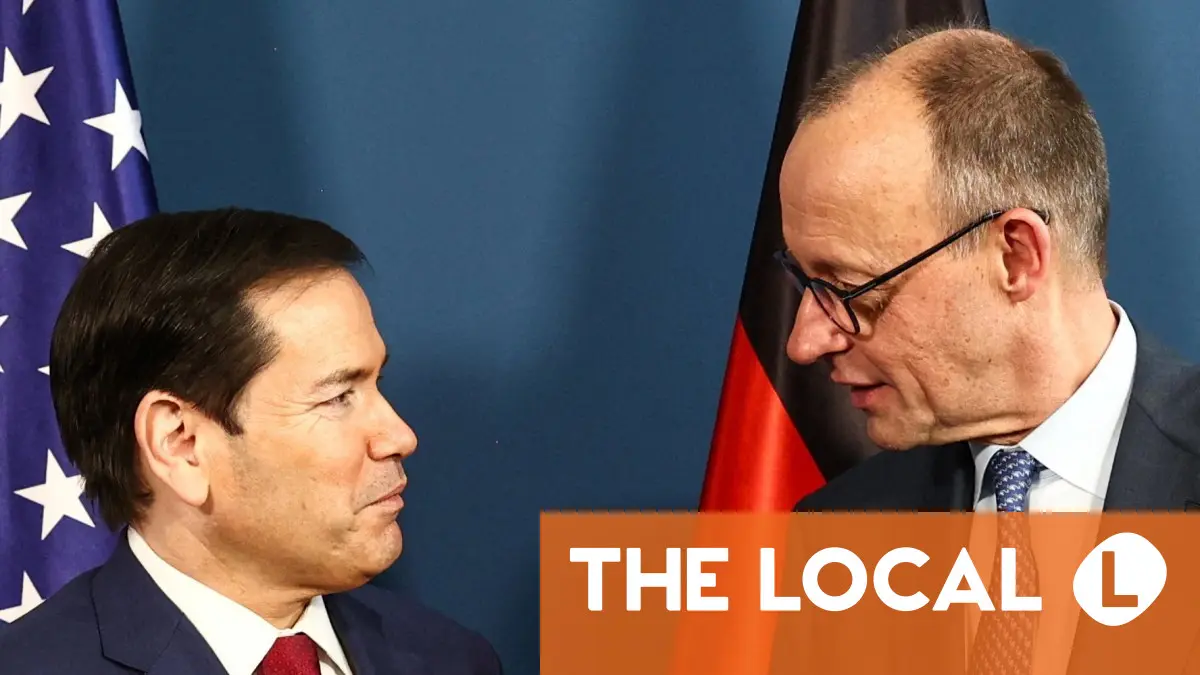
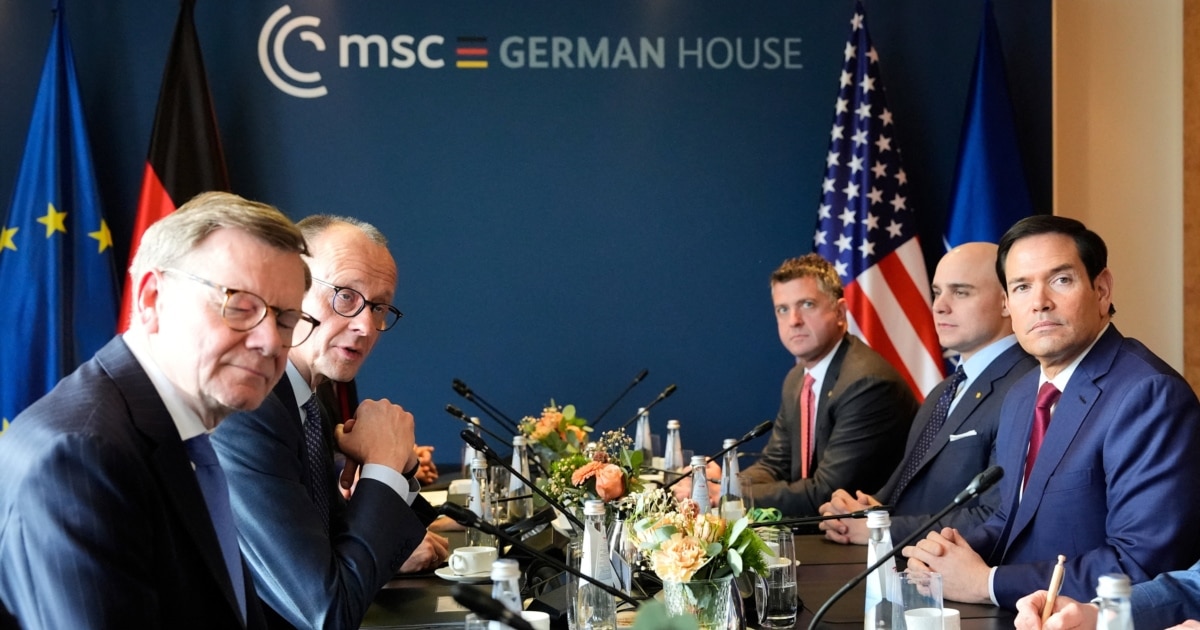
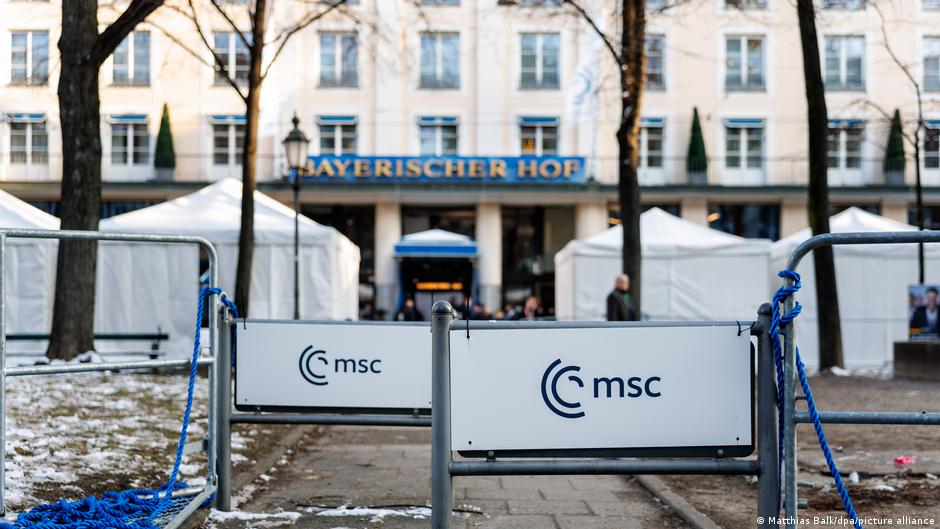
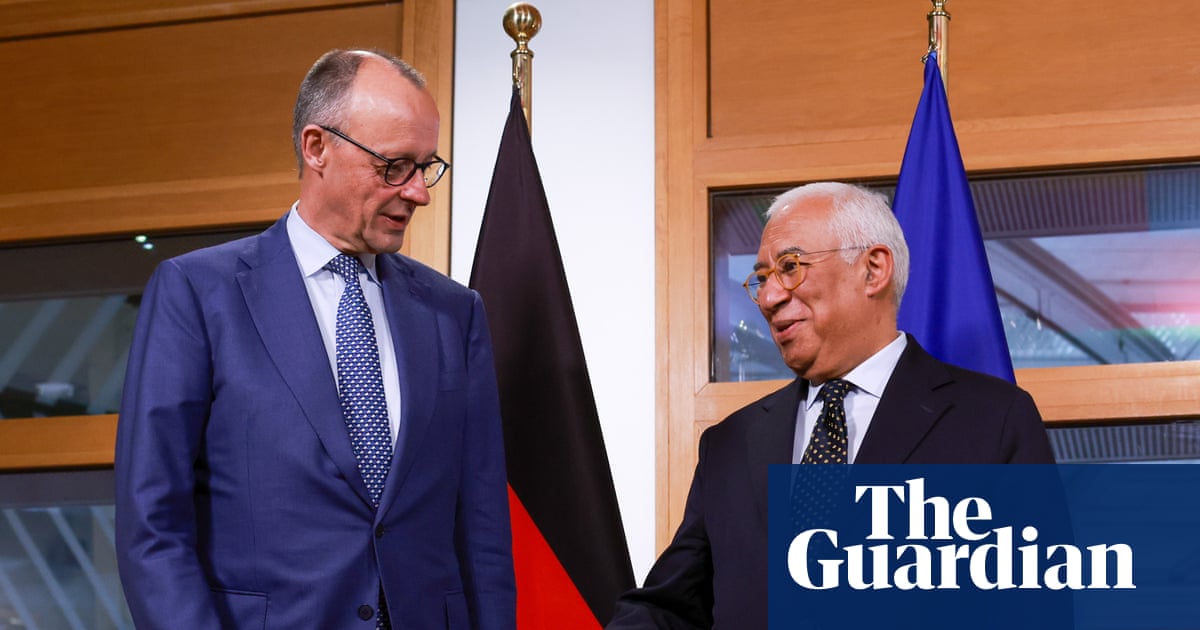
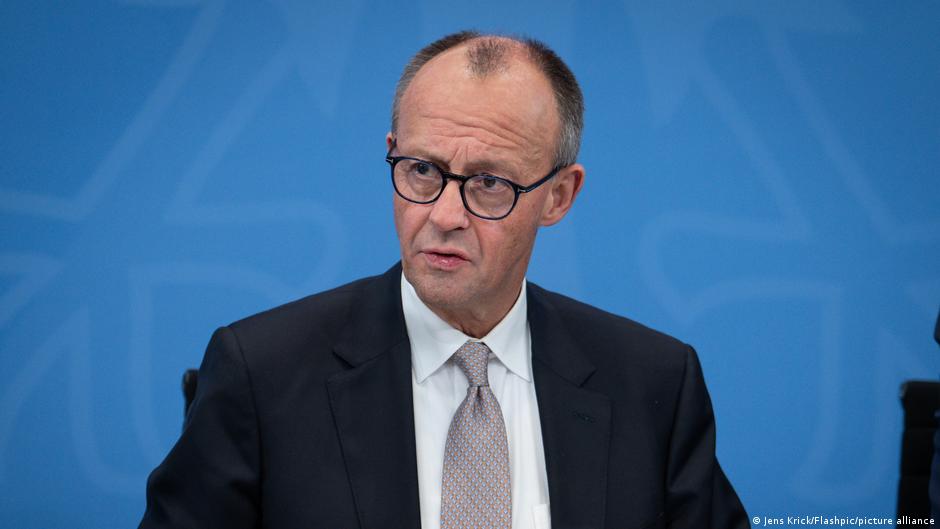
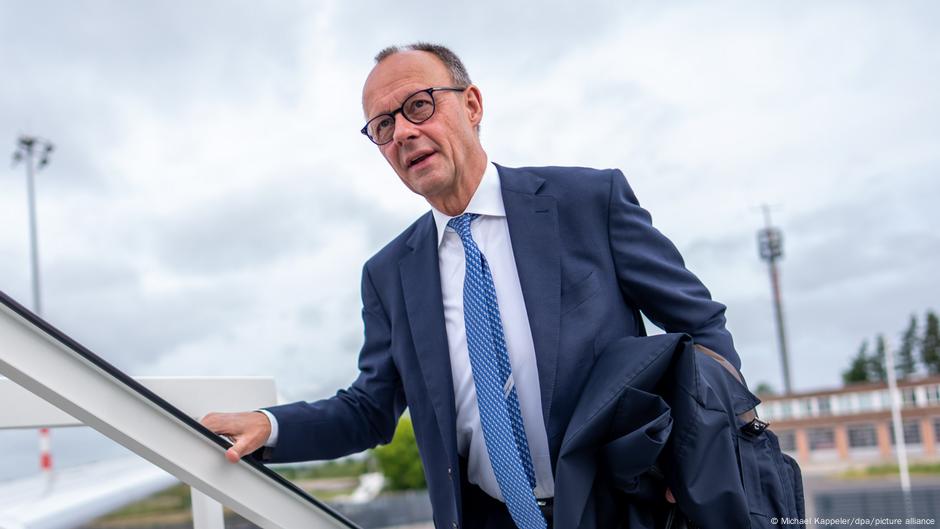
Meeting in Munich over the weekend, officials on both sides said they wanted to continue to work together. In the world of geopolitics all eyes were on Southern Germany over the weekend where the Munich Security Conference (MSC) served as the latest make or break moment for Germany-US relations. German Chancellor Friedrich Merz delivered the event's opening speech in which he acknowledged that a rift has opened up with the US, and urged trans-Atlantic partners to repair and revive trust.
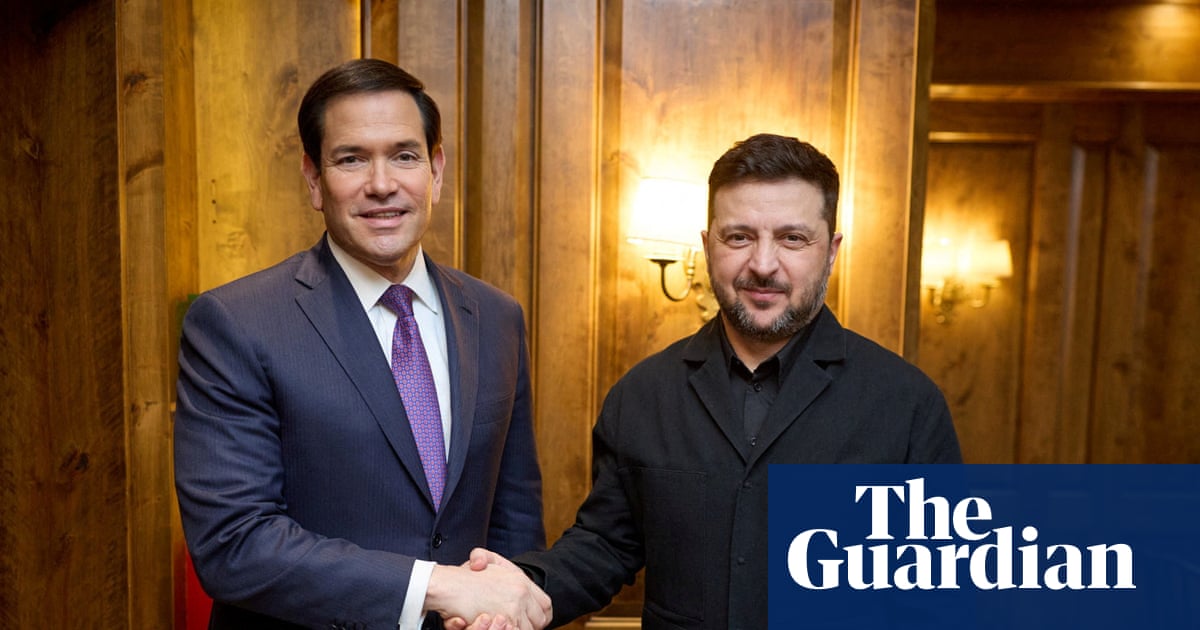
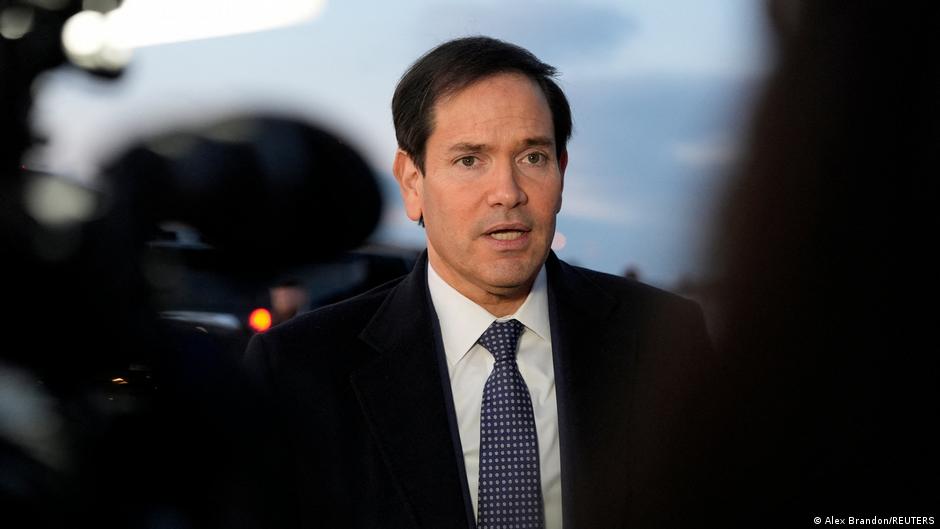
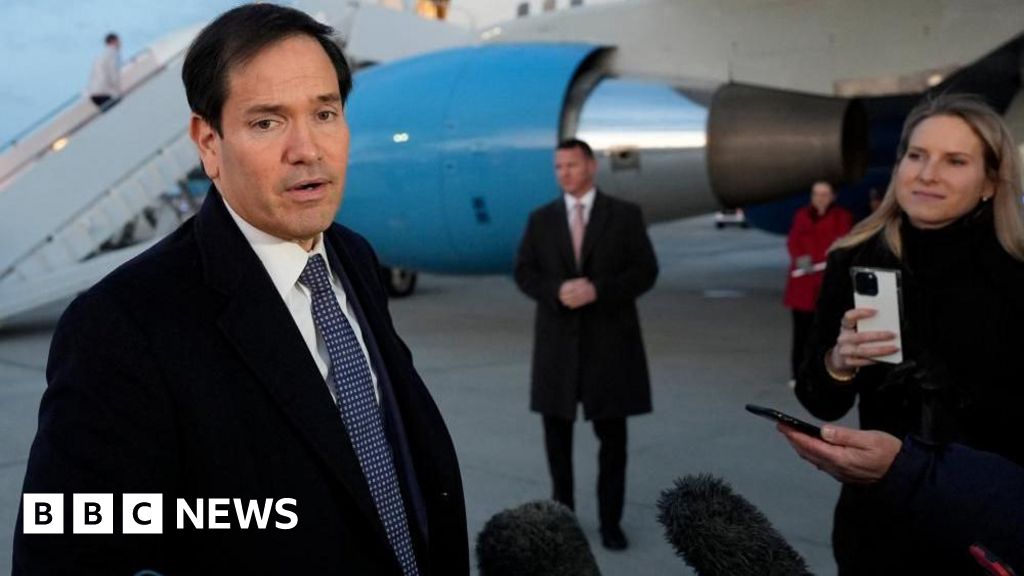
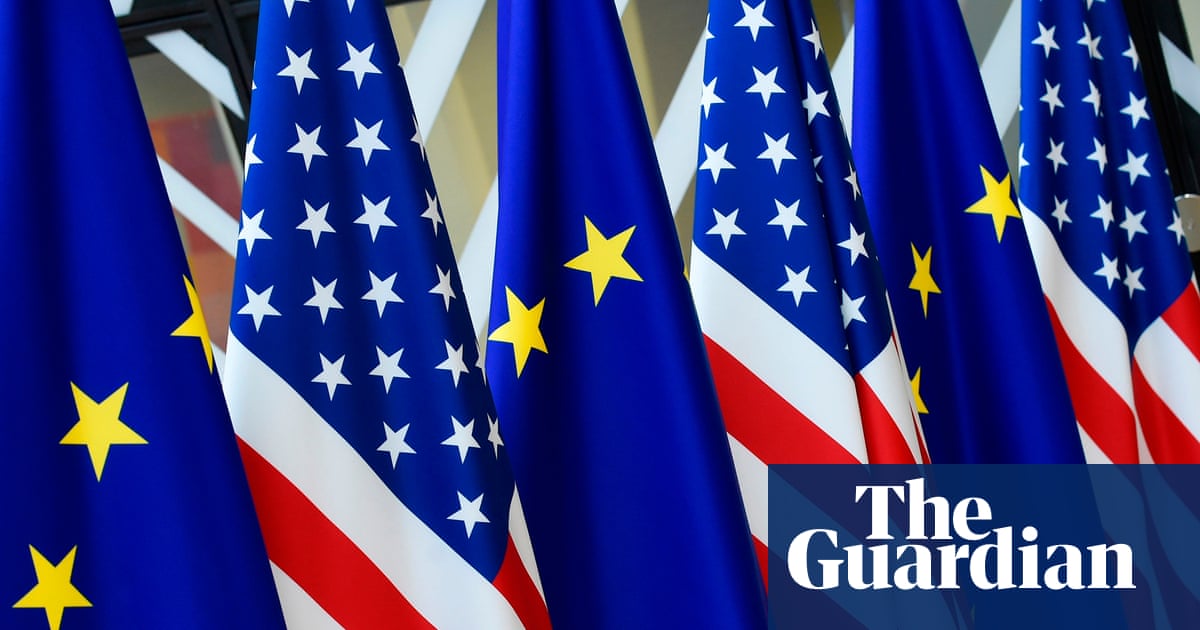
US Secretary of State Marco Rubio reassured a nervous Europe on Saturday that Washington wants to "revitalise" the transatlantic alliance. "We do not seek to separate, but to revitalise an old friendship and renew the greatest civilisation in human history," Rubio said. "What we want is a reinvigorated alliance." Rubio stressed that the US and Europe "belong together" and must act as partners to defend shared values.