#torque-sensor
#torque-sensor
[ follow ]
#e-bike #ebike #long-range-battery #full-suspension #suspension #battery #shimano-8-speed #pedal-assist

fromElectric Bike Reviews, News, & Testing
4 months agoPuckipuppy GoldenR Pro Review | Man's Dual-Motor Best Friend?
It crams an impressive list of features into its frame, highlighted by a dual-motor setup for all-terrain traction and a dual-suspension system that keeps things cushy. What surprised me most was the control. The suspension feels budget-friendly yet balanced: it's comfortable without being too soft or unstable. The dual motors use a torque sensor for refined power delivery, and while you can still jam the throttle for easy takeoffs or climbs, this dog felt more like a trained companion than a wild puppy.
Gadgets
Bicycling
fromElectric Bike Reviews, News, & Testing
5 months agoAIMA Santa Monica Review | Contemporary California Cruising
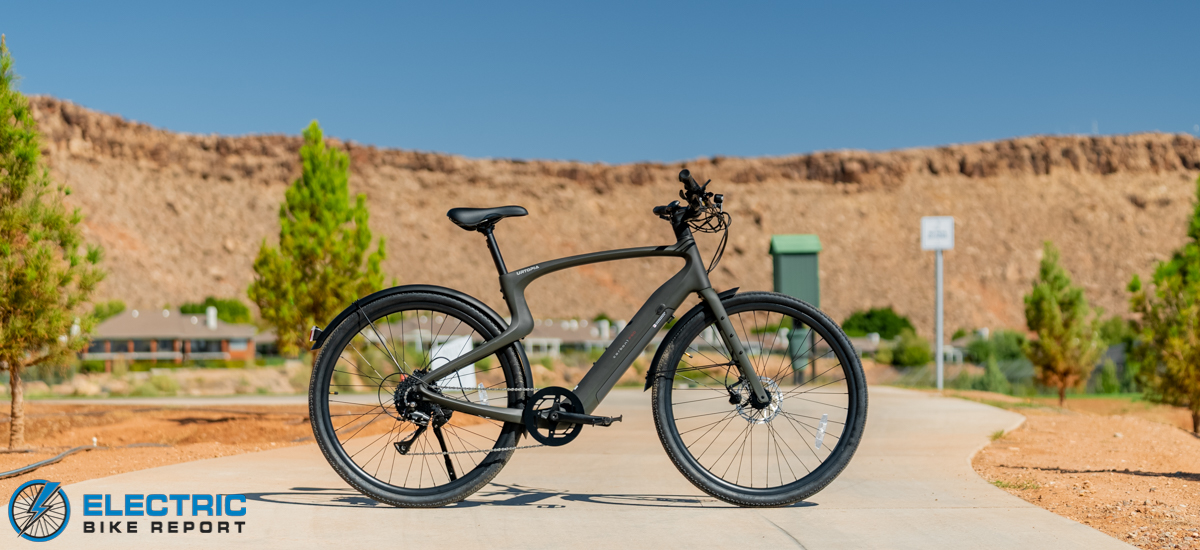
AIMA Santa Monica is a comfortable, stylish cruiser-commuter e-bike with a responsive 750W torque-sensor motor, integrated lights, turn signals, suspension fork, and MIK-compatible rack.

fromHeybike
8 months agoHeybike Mars 3.0 FAQs: Everything You Need to Know
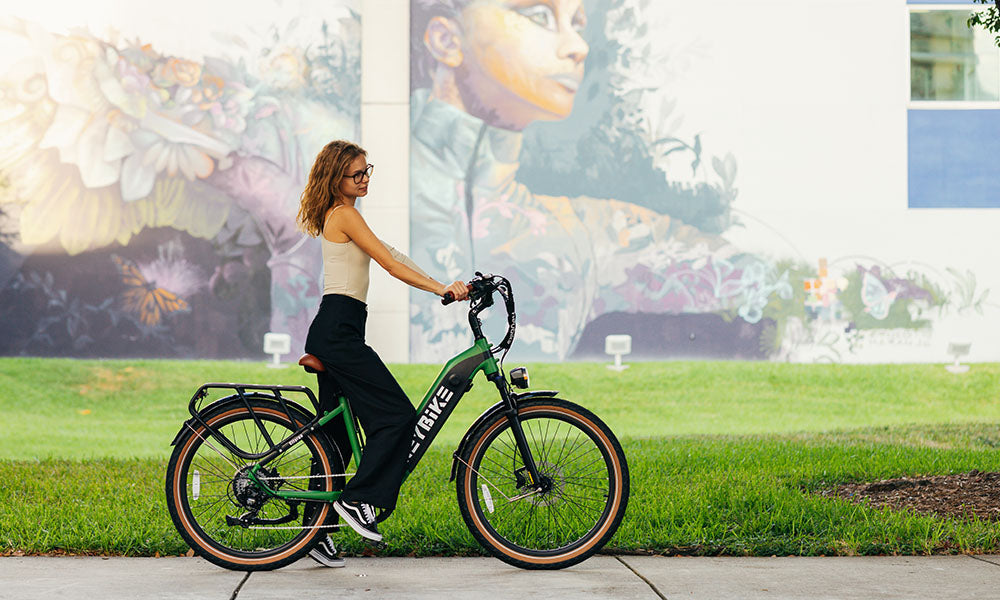
The Mars 3.0 is an upgraded version of the Mars 2.0 750W. That means it comes with a wide range of improvements over the previous version. For example, it swaps out the cadence sensor for a torque sensor. The result is a smoother pedal feel and a more consistent delivery of pedal assistance from the electric motor. Moreover, the Mars 3.0 has a higher travel range than the previous model, increasing the travel range from 45 miles to 65 miles.
Bicycling
fromElectric Bike Reviews, News, & Testing
8 months agoHeybike Ranger 3.0 Pro Review | Can It Go The Distance?
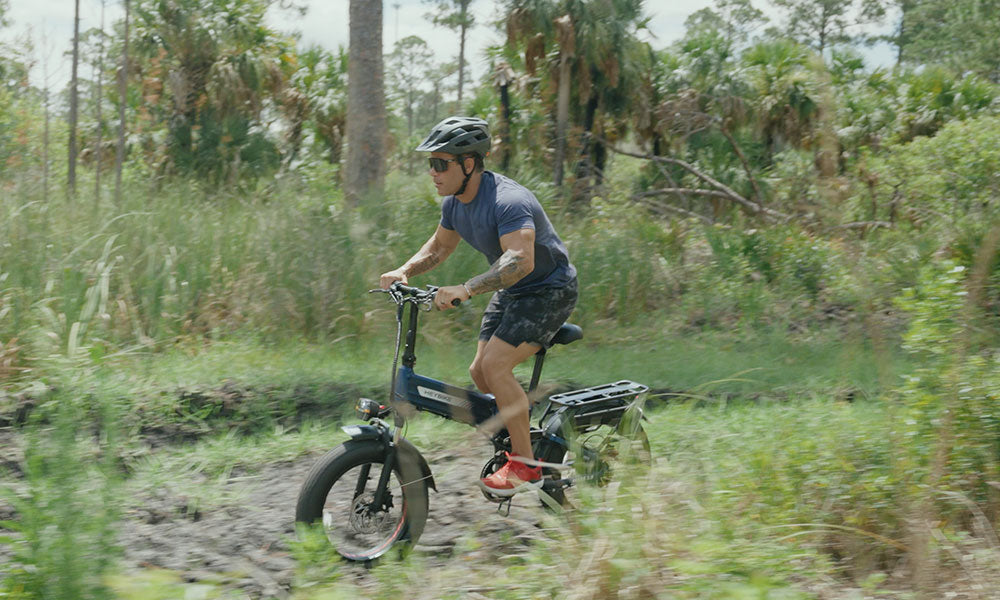
As e-bike brands grow and evolve, we expect that their new models will reflect this development. The Ranger 3.0 Pro, like its sibling in Heybike's X-Series of fat tire folding e-bikes, the Mars 3.0, is an excellent example of the brand's progress. Not only does the bike look sharper while maintaining a similar aesthetic to the last-gen Ranger S, it's better equipped with features that, at least in theory, should improve its overall performance, comfort level, and overall ride feel.
Bicycling
fromHeybike
8 months agoHeybike Ranger 3.0 Pro VS. Ranger S: More Comfortable and Versatile Than Ever
The single biggest performance upgrade is the move from a basic cadence sensor to an advanced torque sensor. Instead of just detecting if you're pedaling, the torque sensor on Ranger 3.0 Pro precisely detects real-time pedaling force, enabling the motor to instantaneously provide the right amount of assistance. This brings a seamless and natural-feeling boost that feels like an extension of your power, making climbs easier and the ride incredibly smooth.
Gadgets
[ Load more ]