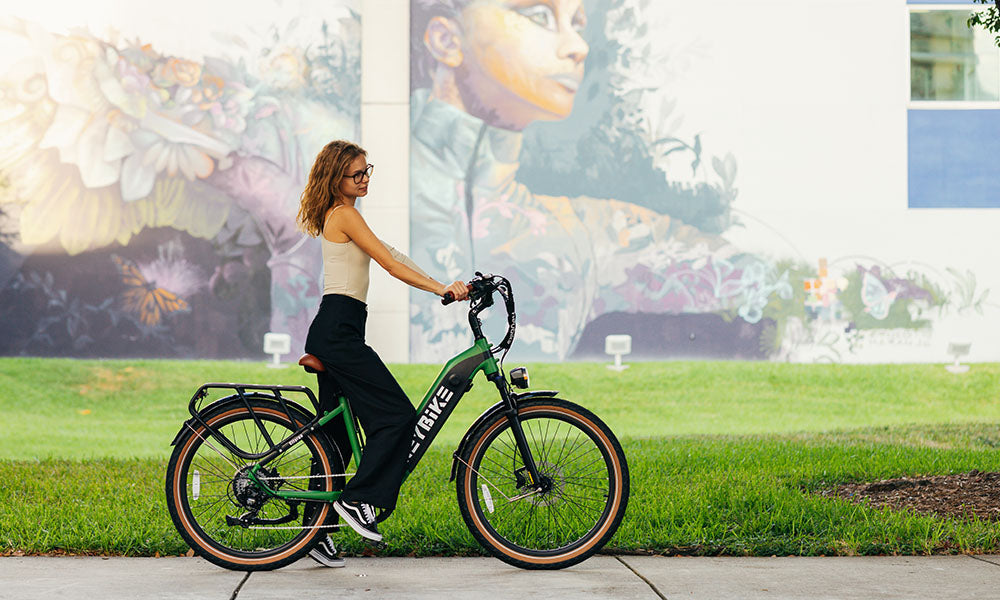
"When you ride an electric bike, the way the motor helps you pedal makes a big difference in how the ride feels. There are two main types of pedal-assist systems: cadence sensors and torque sensors. At first they sound technical, but the difference is actually simple-and very important for daily riding. These sensors control how and when the motor supports your pedaling."
"If your goal is relaxed riding with very little physical effort, a cadence sensor is often the better option. It provides steady motor support as soon as you pedal. However, if you want smoother starts, a more natural pedaling feel, and better control in traffic or on hills, a torque sensor is usually the smarter daily commuting choice. Pedal-assist sensors help the motor understand when-and how much-support to provide while you ride."
Torque sensors measure pedal pressure and deliver motor power proportionally, creating smoother starts, a more natural pedaling feel, and better control in traffic and on hills. Cadence sensors detect pedal rotation and apply a fixed level of assistance based on the chosen PAS setting, producing steady, predictable support and lower rider effort. Pedal-assist sensors determine when and how much the motor contributes, affecting acceleration, smoothness, comfort, and overall ride character. Choosing the appropriate sensor type aligns the e-bike’s behavior with commuting needs, stop-and-go riding, hill performance, and rider preference for natural versus effortless assistance.
Read at Heybike
Unable to calculate read time
Collection
[
|
...
]