#tesla-semi
#tesla-semi
[ follow ]
fromTESLARATI
2 months agoTesla adds a new feature to Navigation in preparation for a new vehicle
Tesla has added a new feature to its Navigation and Supercharger Map in preparation for a new vehicle to hit the road: the Semi. After CEO Elon Musk announced earlier this week that the Semi's mass production processes were scheduled for later this year, the company has been making various preparations as it nears manufacturing. Elon Musk confirms Tesla Semi will enter high-volume production this year
Tech industry
fromTESLARATI
2 months agoTesla Semi pricing revealed after company uncovers trim levels
Tesla Semi pricing appears to have been revealed after the company started communicating with the entities interested in purchasing its all-electric truck. The pricing details come just days after Tesla revealed it planned to offer two trim levels and uncovered the specs of each. After CEO Elon Musk said the Semi would enter volume production this year, Tesla revealed trim levels shortly thereafter. Offering a Standard Range and a Long Range trim will fit the needs of many companies that plan to use the truck for local and regional deliveries.
Cars
California
fromLos Angeles Times
2 months agoCalifornia reserved $165 million for Tesla to electrify its trucking industry. The result may stifle EV innovation
California allocated nearly $165 million in vouchers to subsidize Tesla's long-delayed Semi, prompting industry claims of preferential treatment and market distortion.
fromTESLARATI
4 months agoTesla Semi just got a huge vote of confidence from 300-truck fleet
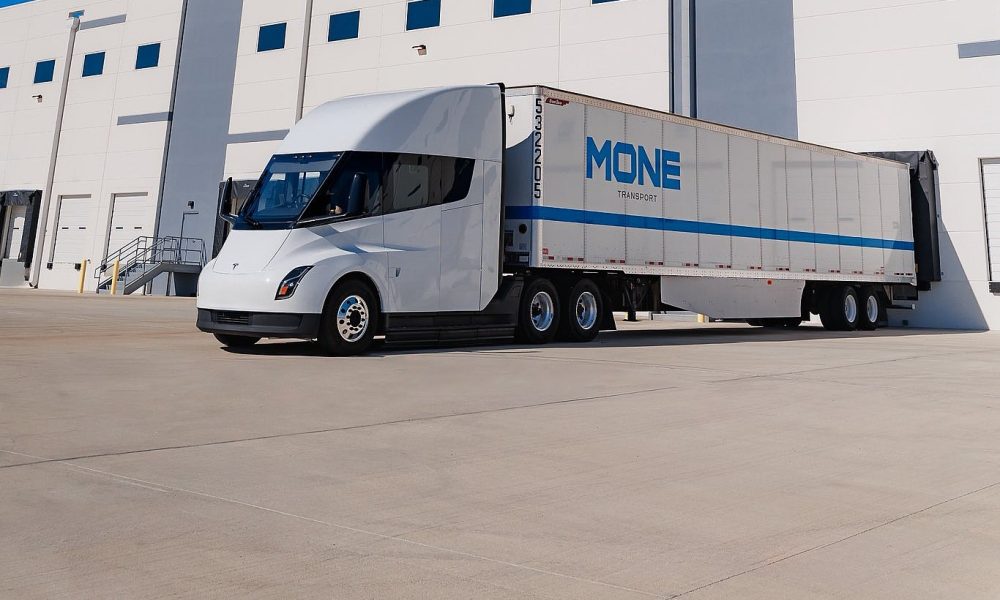
Keller Logistics Group, a family-owned carrier with over 300 tractors and 1,000 trailers operating in the Midwest and Southeast, completed the session to assess the Tesla Semi's fit for its operations. The company's routes typically span 500-600 miles per day, positioning it as an ideal tester for the Semi's day cab configuration in standard logistics scenarios. Details remain under mutual NDA, but the meeting reportedly focused on matching the truck to yard, shuttle and regional applications while scrutinizing economics like infrastructure, maintenance and incentives.
Cars
frominsideevs.com
5 months agoThe Tesla Semi Gets A Cyber Makeover. But Is It Really On Track?
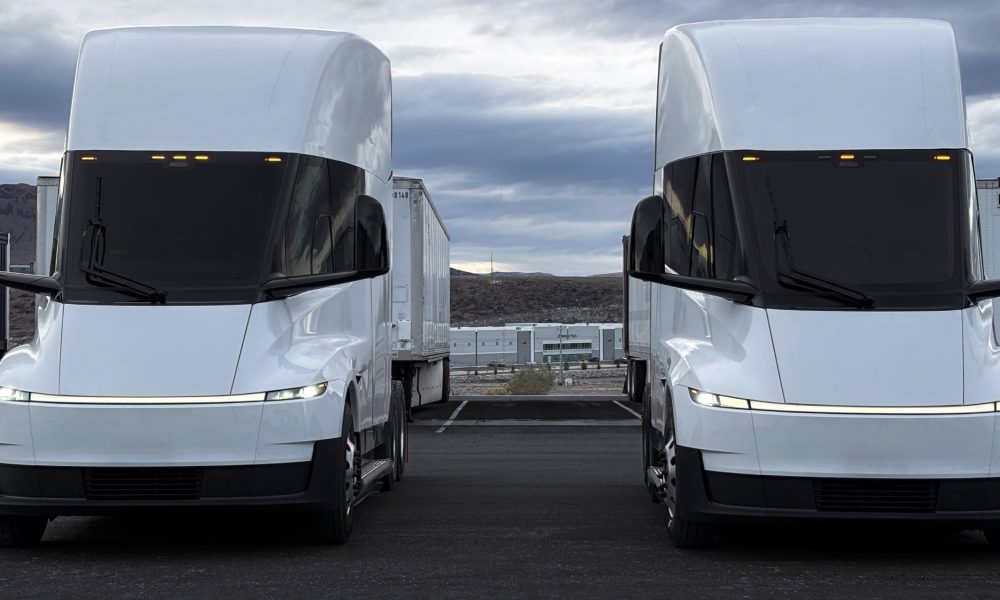
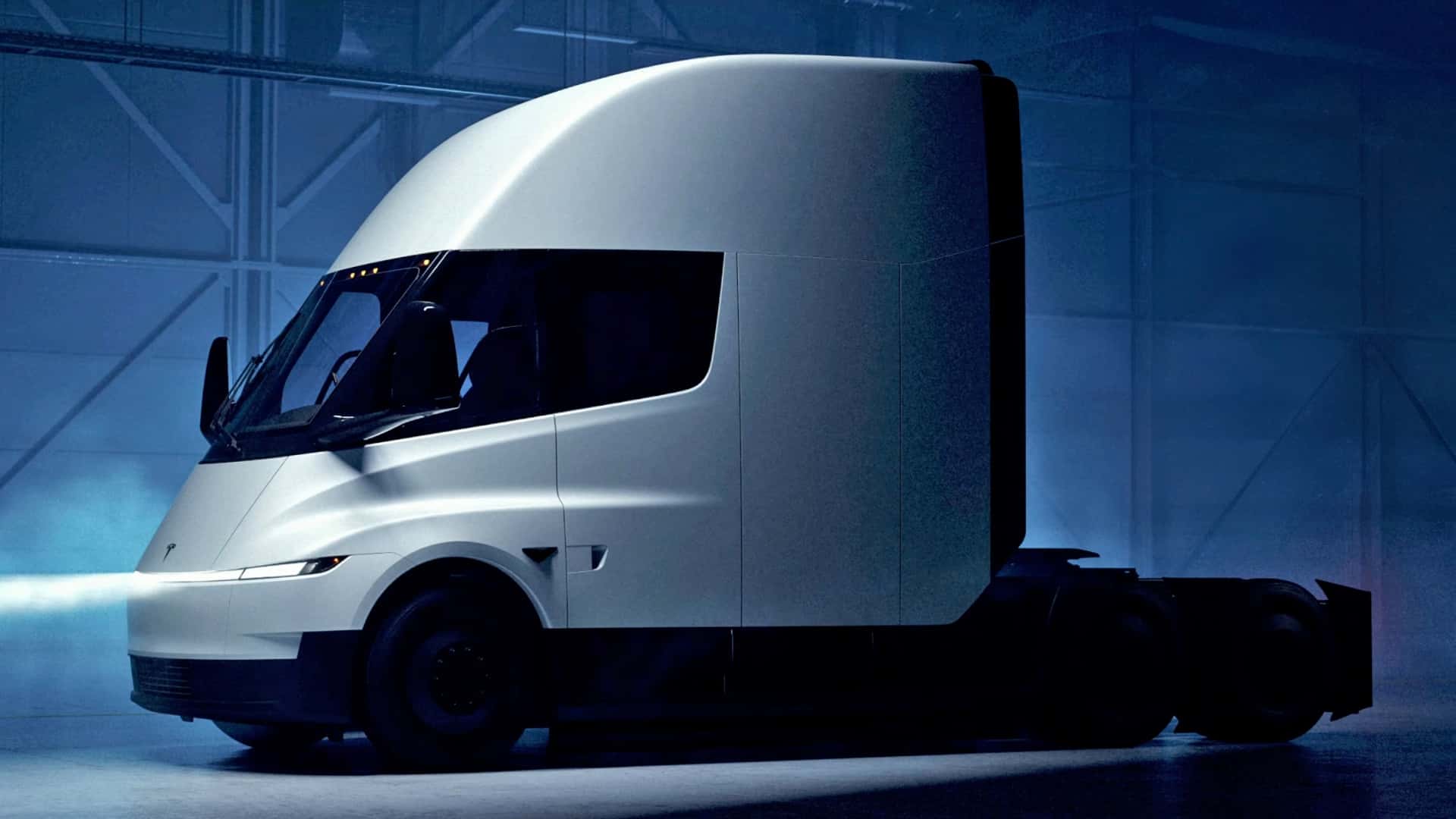
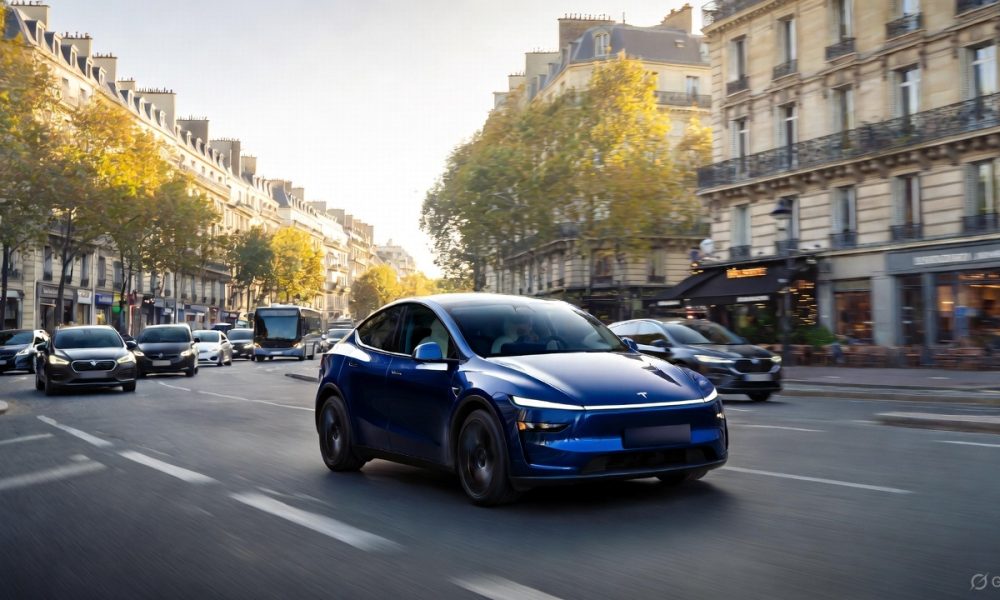
Tesla has refreshed the Semi truck's design to match the look of the revised Model Y, the Cybertruck and the Cybercab. It gets a full-width light bar, a new bumper and aero tweaks to bring its design up to date. Tesla says the truck is now more efficient, it can tow more and is "designed for autonomy." The Tesla Semi has to be the only vehicle that we know of that received a mid-lifecycle facelift without technically being in productiononly
Cars

fromTESLARATI
7 months agoTesla Semi earns strong reviews veteran truckers
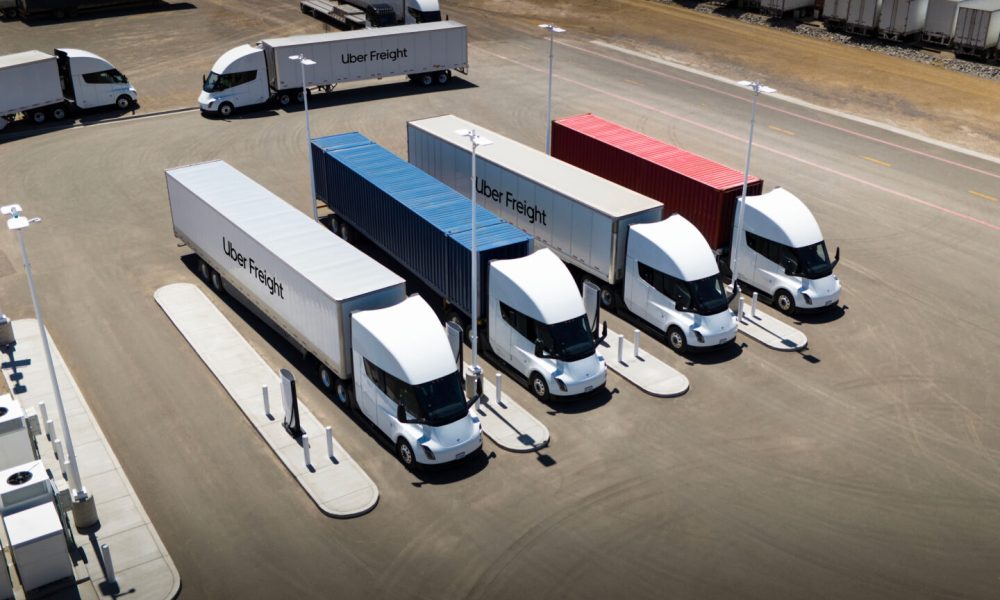
Tom Sterba, a senior driver with Saia, praised the Semi's technology as a major step forward for the industry. "The navigation systems in these trucks are just unbelievable. That's what I love about it," he said. In a moment that has since been widely shared, Sterba added, "I do not want to go back to a gas truck. I hope I retire in this vehicle."
Cars
fromTESLARATI
9 months agoTesla Semi completes 5,000-mile winter trial with thyssenkrupp
During the pilot, the Tesla Semi was used for active freight delivery, including routes over the Altamont Pass. thyssenkrupp evaluated the vehicle's ability to reduce downtime, enhance delivery speed, and offer greater real-time supply chain visibility.
E-Commerce
[ Load more ]