#tech-policy
#tech-policy
[ follow ]
#ai-regulation #tiktok #us-china-relations #bytedance #national-security #child-safety #nvidia #silicon-valley
fromWIRED
1 month ago'Uncanny Valley': Pentagon vs. 'Woke' Anthropic, Agentic vs. Mimetic, and Trump vs. State of the Union
This week, the Uncanny Valley team dives into the feud that has been brewing between Anthropic and the Pentagon-and what it says about how the government interacts with tech companies. Later, Zoë Schiffer tells us why figuring out whether you are agentic or mimetic has become the new litmus test in Silicon Valley.
Tech industry
Venture
fromTechCrunch
1 month agoBill Gurley says that right now, the worst thing you can do for your career is play it safe | TechCrunch
Pursuing passion as a deliberate competitive strategy helps individuals adapt to AI-driven workforce change and can be enabled by targeted financial support for risky career moves.
fromThe Independent
2 months agoLandmark social media trials begin across the US this week. Here's what to know
Meta, Instagram's parent company, and Google's YouTube are set to face claims their platforms deliberately addict and harm children. This follows TikTok and Snap, previously named in the lawsuit, settling for undisclosed sums. The social media addiction trials beginning today, which involve hundreds of parents and school districts, are "only the first case," with new families daily joining legal action against Big Tech for its "deliberately harmful products," stated Sacha Haworth, executive director of the Tech Oversight Project.
Law




fromSocial Media Today
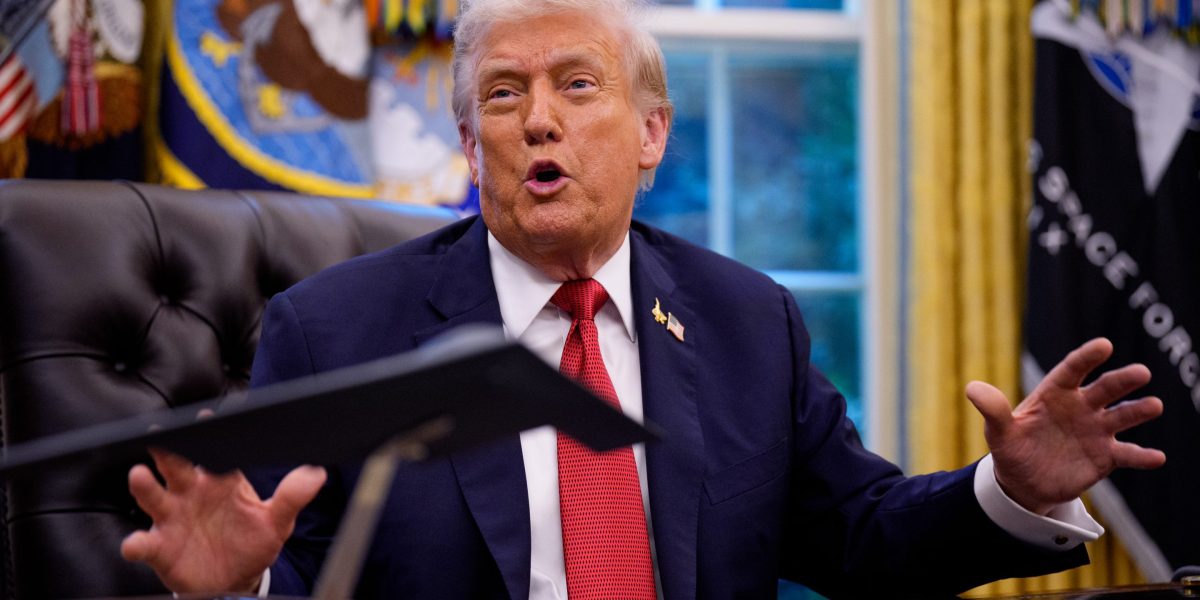
3 months agoChinese Officials Weigh US TikTok Proposal
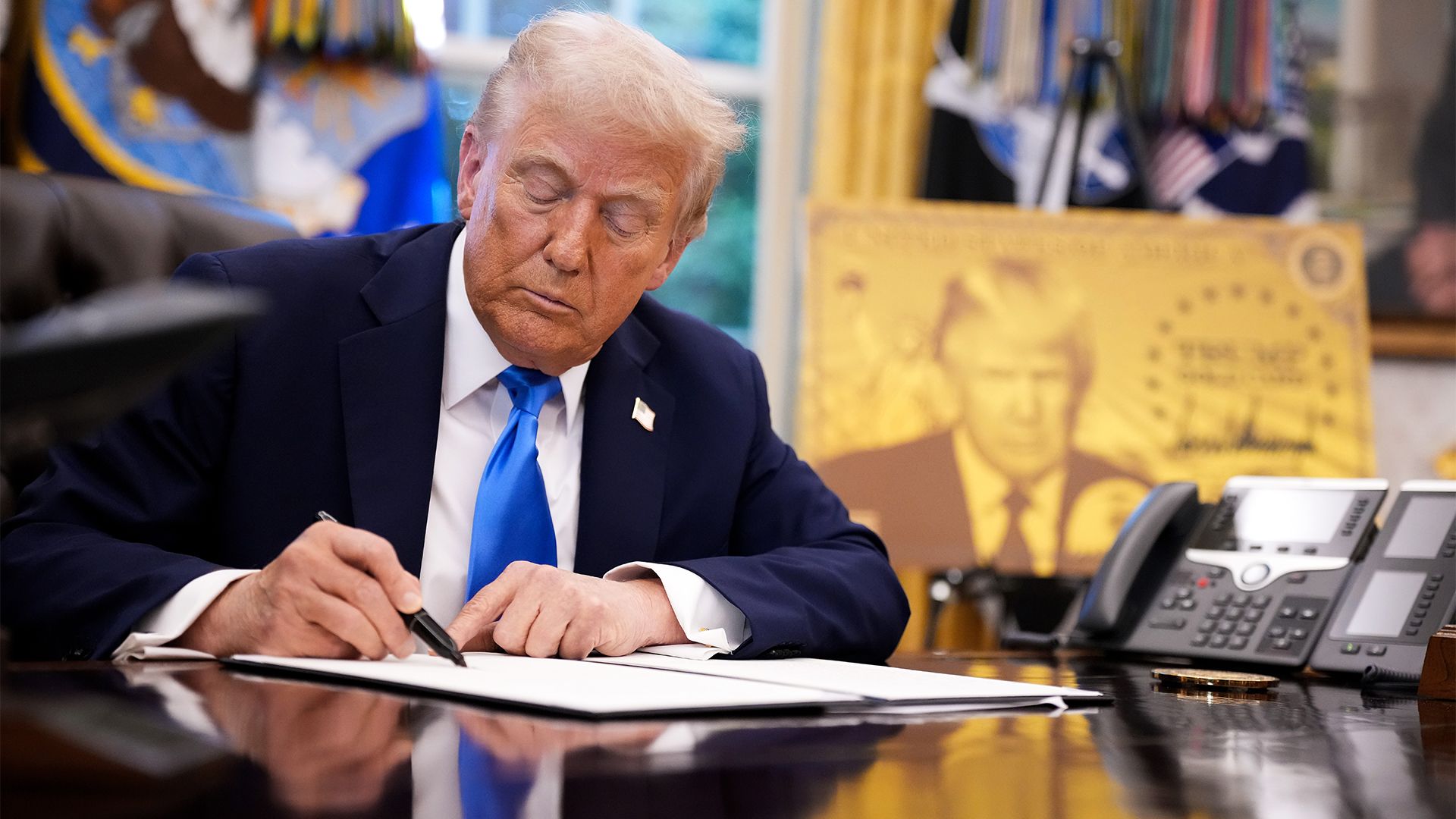
TikTok was technically banned in the U.S. as of January 19th, 2025, as part of the Senate-approved " Protecting Americans from Foreign Adversary Controlled Applications Act." But upon his inauguration as President on January 20th, President Trump issued an Executive Order to withhold enforcement of the bill, in order to give his team an opportunity to potentially re-negotiate the details.
US politics

fromCato Institute
4 months agoForeign Digital Services Taxes Are Bad, but the Alternatives Are Worse
Earlier this summer, France briefly floated the idea of quintupling its digital services tax (DST), a tariff-like levy on services primarily provided by American tech firms. The proposal was pulled back almost immediately, but it highlighted something striking: A key piece of the international tax debate was completely absent from the Group of Seven's recent side-by-side agreement. DSTs were originally a pressure tactic.
France news
Tech industry
fromwww.theguardian.com
5 months agoData centers meet resistance over environmental concerns as AI boom spreads in Latin America
Data center expansion for AI faces growing local resistance across Latin America, US, and UK due to environmental impacts, water use, and opaque corporate-government deals.


fromThe Mercury News
5 months agoUS government allowed and even helped US firms sell tech used for surveillance in China, AP finds
U.S. lawmakers have tried four times since September last year to close what they called a glaring loophole: China is getting around export bans on the sale of powerful American AI chips by renting them through U.S. cloud services instead. But the proposals prompted a flurry of activity from more than 100 lobbyists from tech companies and their trade associations trying to weigh in, according to disclosure reports. The result: All four times, the proposal failed, including just last month.
US politics
fromThe New Yorker
5 months agoIt's Not Just You: The Internet Is Actually Getting Worse
Sometimes a term is so apt, its meaning so clear and so relevant to our circumstances, that it becomes more than just a useful buzzword and grows to define an entire moment," the columnist Kyle Chayka writes, in a review of Cory Doctorow's book "Enshittification.
Digital life
fromNextgov.com
5 months agoNew AI export marketplace looks to connect domestic AI firms with foreign buyers
"Under President Trump's direction, the Department of Commerce is launching a full-stack AI export promotion program to advance America's global leadership in AI," the press release reads. "The program will select industry-led export packages that will include AI hardware, software, models, and applications across industry sectors for promotion to countries and regions around the world." The initiative seeks to create a marketplace to match customers with American AI services and goods by focusing on goals to "increase exports, close deals, and advocacy and financing."
Tech industry
fromwww.npr.org
6 months agoLegal experts condemn Apple bowing to White House's request to remove ICE tracking app
The anonymous, crowd-sourced app describes itself as "Waze but for ICE sightings," and claims to serve as an early warning system informing people when ICE agents are nearby. The app was launched in April and garnered hundreds of thousands of downloads, but it was only after Attorney General Pam Bondi put Apple on notice, demanding the app be pulled from the App Store, that the company made it unavailable.
US politics
fromFortune
8 months agoTrump's 'AI Action Plan' to mix tech industry wishlist with culture war attacks on 'woke AI'
The plan and related executive orders are expected to include some familiar tech lobby pitches. That includes accelerating the sale of AI technology abroad and making it easier to construct the energy-hungry data center buildings that are needed to form and run AI products.
Artificial intelligence
Artificial intelligence
fromFuturism
10 months agoSam Altman Heaps Praise on Donald Trump
Sam Altman praises Trump's $500 billion AI initiative, Stargate, highlighting the need for supportive policies on data centers.
OpenAI CEO's endorsement of Trump's AI project signals a strong alignment with the current administration's AI agenda.
[ Load more ]