Healthcare
fromwww.housingwire.com
2 weeks agoLawmakers target retirement gaps facing family caregivers
Bipartisan legislation aims to enhance retirement savings for unpaid family caregivers through modified account rules and tax credits.
The Government is considering the possibility of enhanced tax credits for multinational companies, which include major players like Apple, Eli Lilly, and Microsoft.
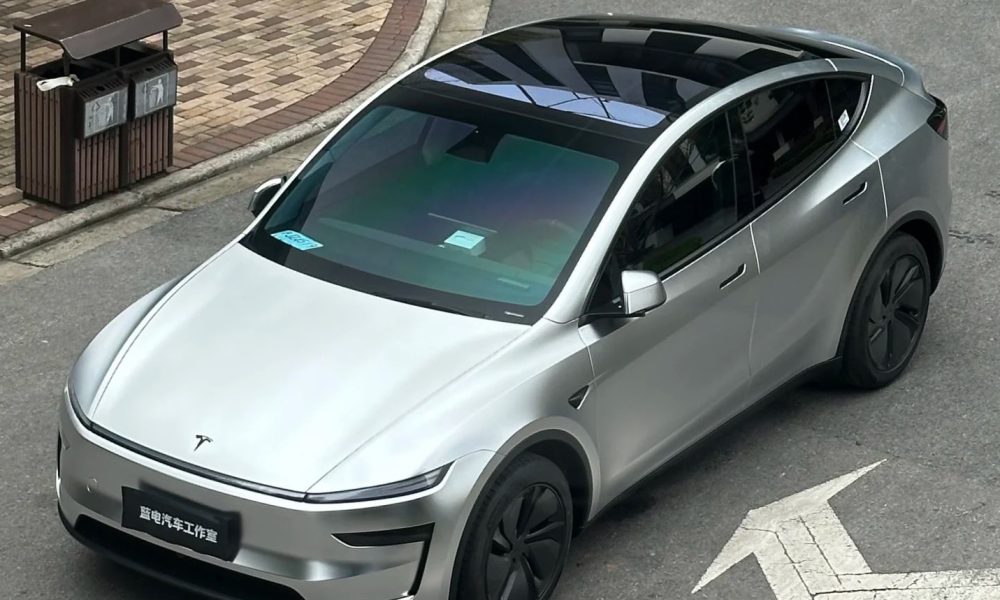
Last year, the company's profit fell 45% compared with 2024, driven in large part by falling sales of its electric vehicles. Investors anticipated the decline in sales, but Tesla still beat Wall Street earnings and revenue estimates thanks to its energy storage business. Tesla deployed a record 46.7 gigawatt-hours of energy storage products in 2025, a 48% increase from last year, according to the company's official filings.
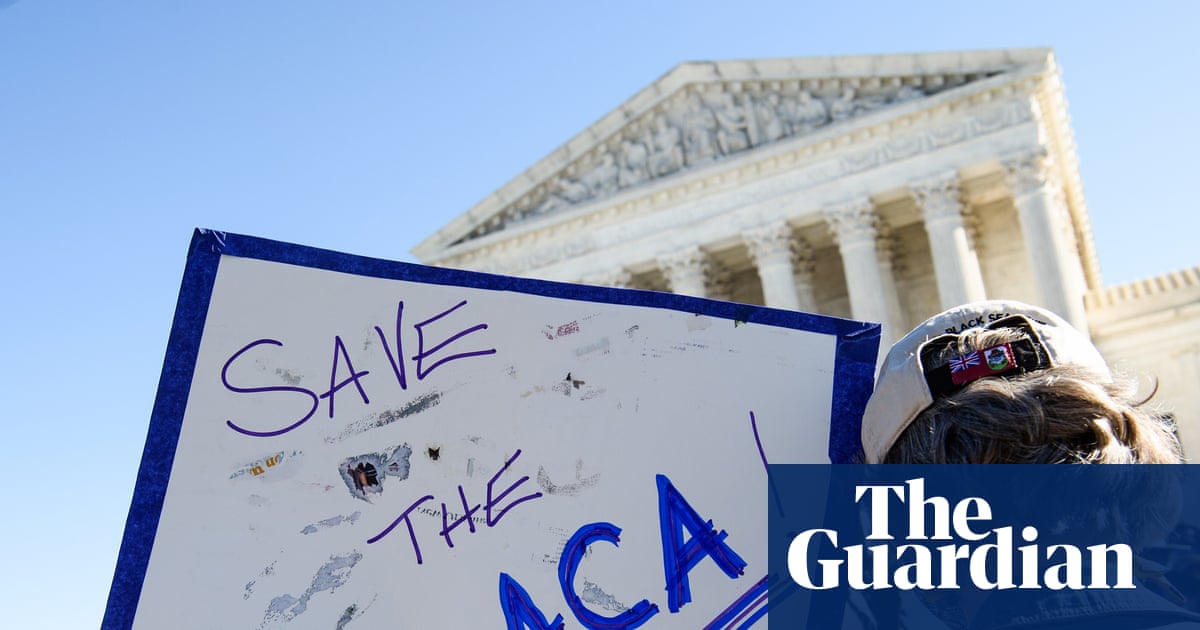
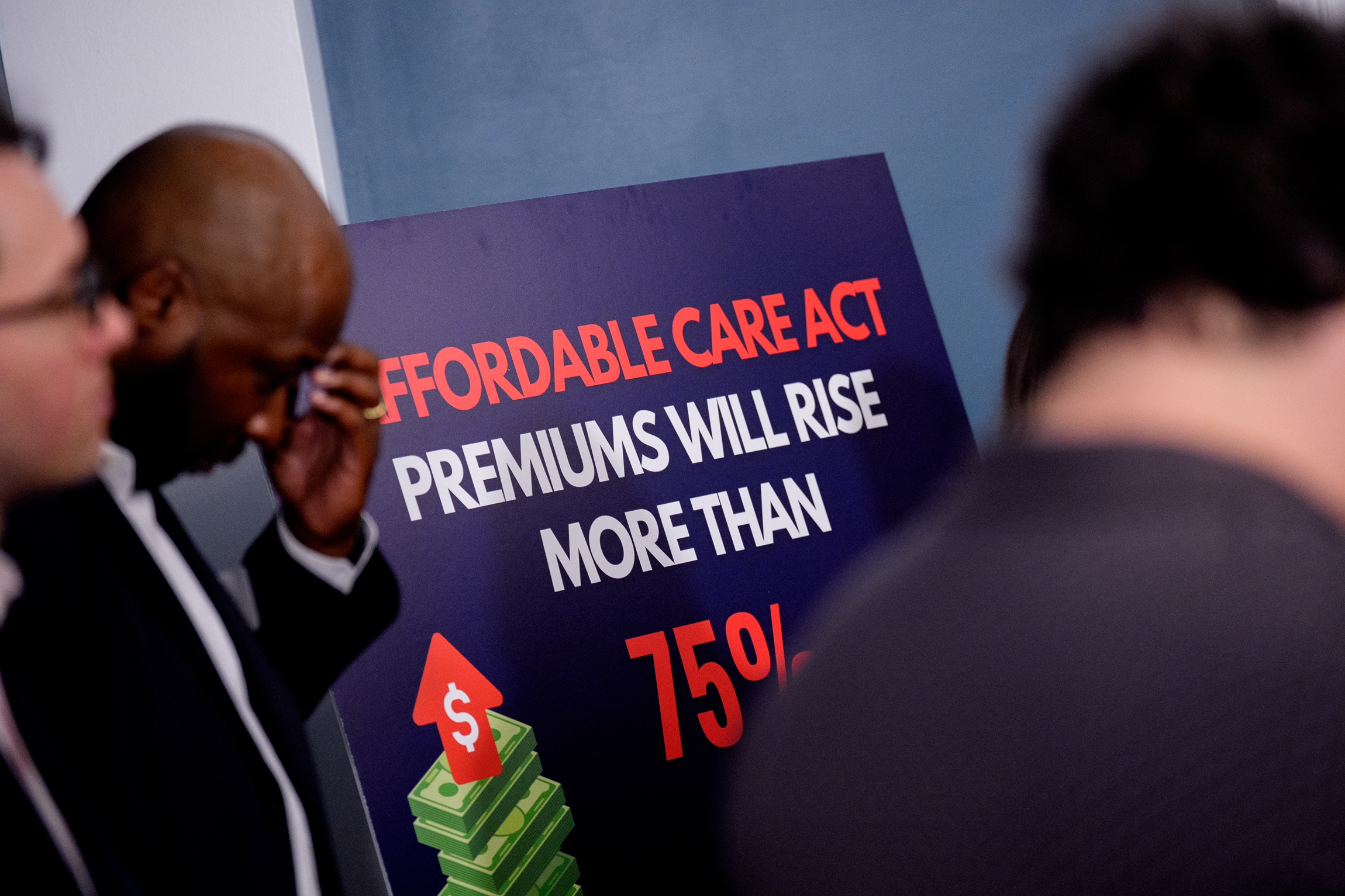
It would put an income limit on who's eligible for the tax credits and require recipients to make a minimum premium payment, eliminating $0 premium plans that Republicans say fuel fraud. The plan also would encourage people to buy lower-premium options on the ACA exchange. For individuals who downgrade their coverage, the difference in costs would be distributed to an health savings account provided with taxpayer dollars.
I urge California Sen. Alex Padilla to champion the bipartisan End Kidney Deaths Act (H.R. 2687). This bill represents a rare bipartisan and bicameral opportunity to save 100,000 lives and dramatically reduce taxpayer spending by $37 billion. I donated a kidney to a stranger at some personal risk and expense. The EKDA is a 10-year pilot program for refundable tax credits that will produce more donations for those who have been waiting the longest.
One of our core strategies and approaches to offset some of the impacts of the...elimination of some of the credits for consumers is to bring a product to market that opens up the addressable market of consumers that can now say yes to a Rivian,
Finance minister Paschal Donohoe has said he "will not go beyond" the €1.5bn available for tax measures in the upcoming Budget, telling TDs that there are "many competing demands on the tax end" of the Budget 2026. Speaking at the Budgetary Oversight Committee, Mr Donohoe said there are a number of tax credits which need to be extended in addition to "some of the other demands and needs that we're aware of".
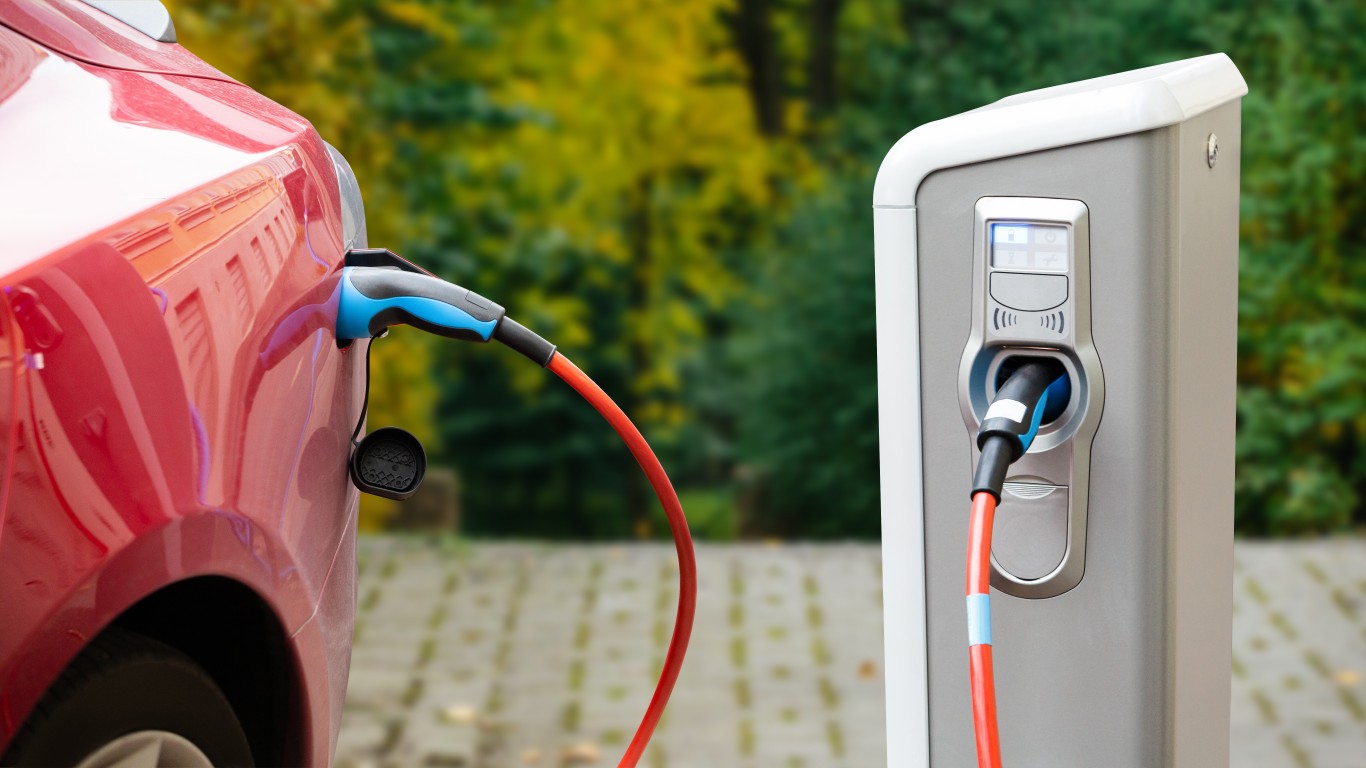
"General Motors beat economists' Q2 earnings estimates, in part due to a 111% surge in EV sales. Chevrolet took the No. 2 spot in the U.S. EV market in Q2, behind Elon Musk's Tesla."
"A lot of these states are getting these credit programs. Some people call it a race to the bottom, and I get that. But I'm from here and I'm telling you we have a chance to make really something cool."
Following a recent freeze in Canadian EV tax credits, Tesla is threatening to sue the Canadian government, alleging the move cuts the company off from $30 million in tax credits.