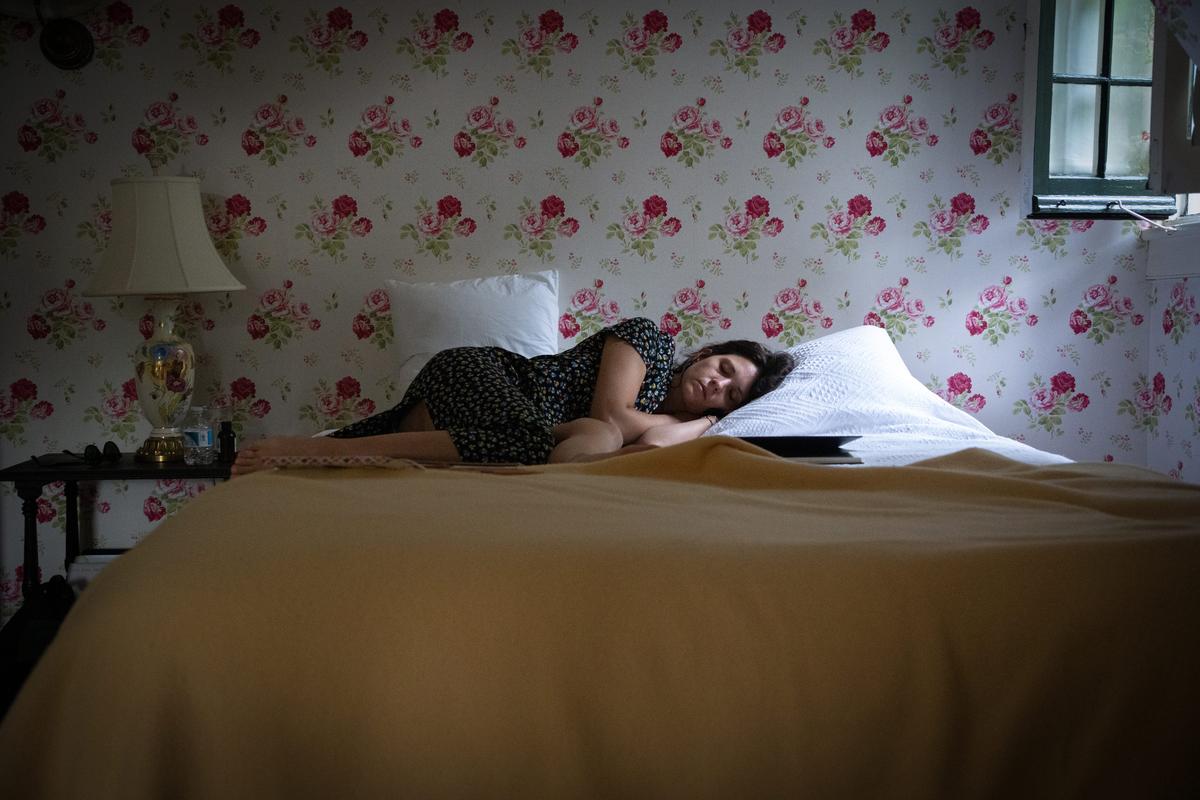
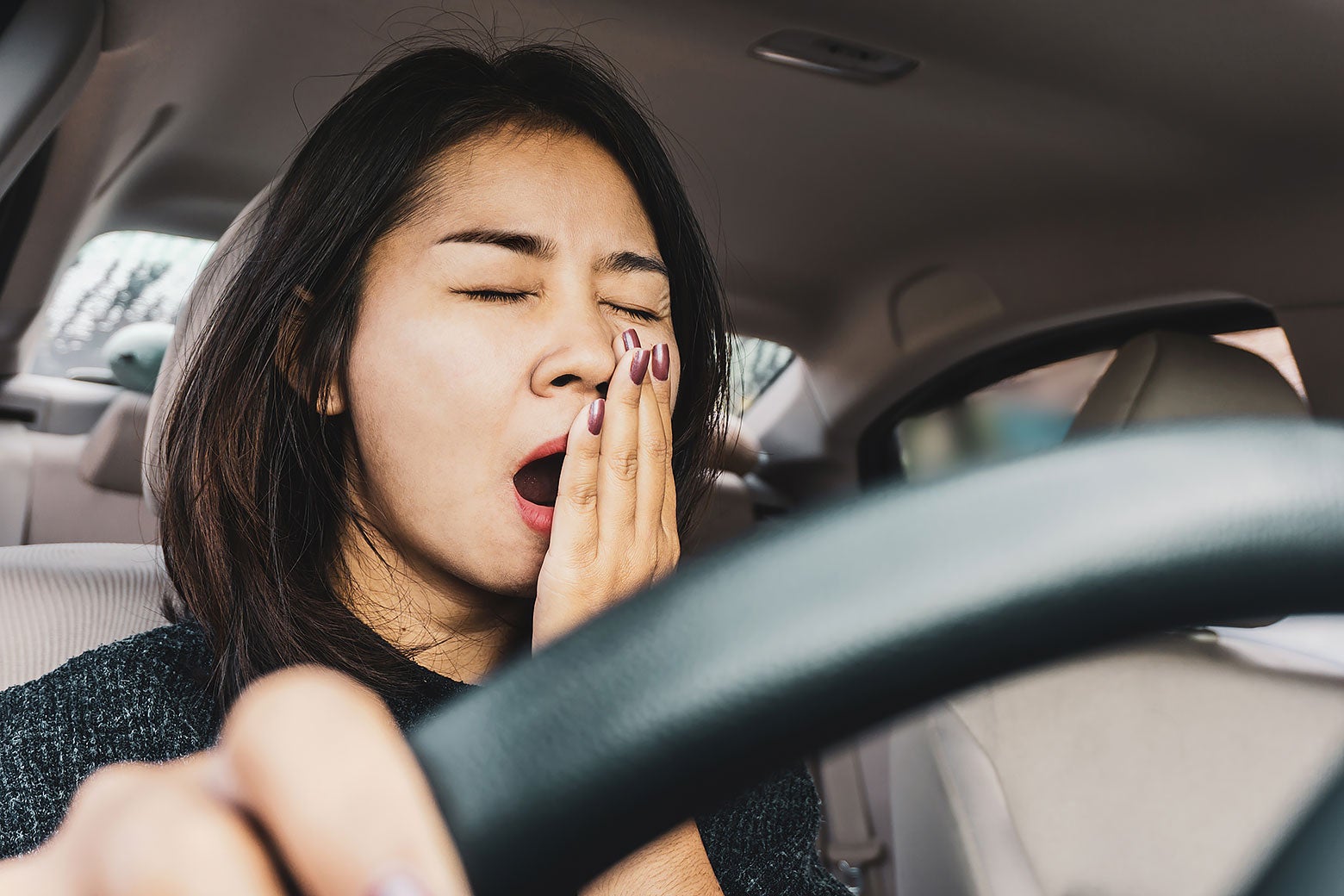
Sleep loss has become a quiet constant of modern life. It shows up in early commutes, late-night screens, rotating shifts, and a work culture that treats being reachable as a virtue. The public usually talks about the obvious costs, like fatigue and brain fog. The more consequential costs may be metabolic. When sleep is cut short, appetite often becomes harder to manage. People report stronger cravings, less satisfaction after meals, and a tendency to snack late.
Gina Ford ruined my life. OK, technically not all of it, just a small but significant chapter: very early motherhood. The parenting guru's bestselling tome convinced me I was the worst mum in the world, and that my baby was faulty. He didn't do what her book said he was meant to, you see, even when I followed her strict rules to the absolute apostrophe, never mind letter. It was almost as though he hadn't read it, or was an individual human being or something.
We've all experienced it - that foggy, exhausted feeling after a poor night's sleep, where even simple tasks feel impossible. In today's fast-paced world, quality sleep has become a luxury rather than a necessity. With demanding work schedules, constant screen time, and endless stress, millions of Australians are struggling to get restorative rest. The result? A silent epidemic of sleep disorders affecting workplace performance, mental health, and overall well-being.
My partner and I are both in our fifties. I was divorced and never had kids, while my partner was a single mom of three for most of her life. It has been an adjustment coming to live together and learning to navigate each other's space. The one place I am not willing to compromise is the privacy of our bedroom. It is an adult space for adults, but her grandchildren have zero respect for that fact, and the situation is getting very uncomfortable.
Inflation is stubborn, unemployment is rising and Federal Reserve Chair Jerome Powell has even confirmed that Gen Z grads just can't get a break right now. But the youngest generation of workers already know that. In fact, they're so anxious about the state of the economy right now that they can't even sleep. So what are they doing about it? They're, perhaps counterintuitively, bed rotting and watching TV.