#single-sex-spaces
#single-sex-spaces
[ follow ]
#trans-rights #transgender-rights #ehrc #ehrc-guidance #equality-act #equality-act-2010 #supreme-court-ruling
#trans-rights

LGBT
fromPinkNews | Latest lesbian, gay, bi and trans news | LGBTQ+ news
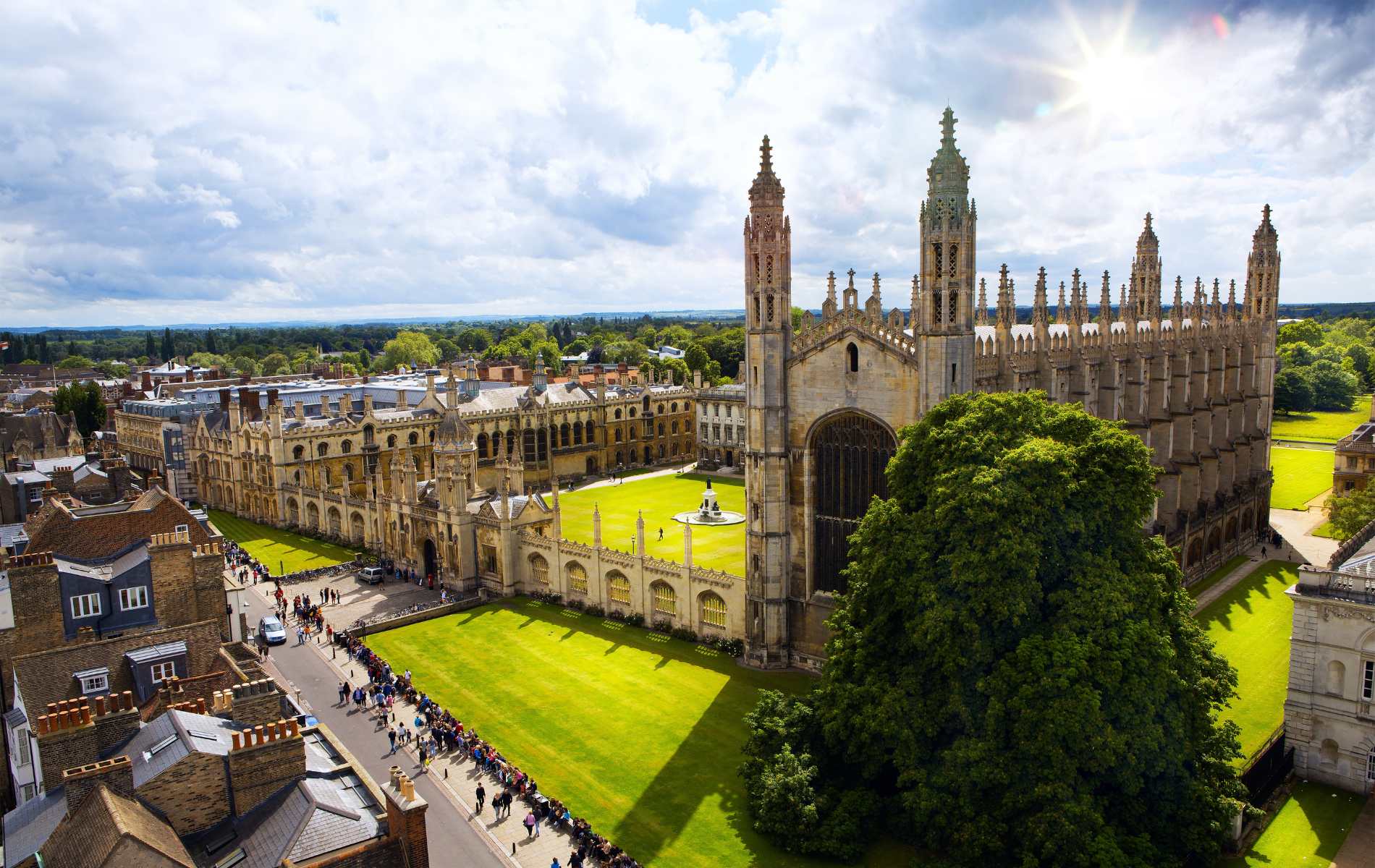
6 months agoAll-female Cambridge college confirms it will continue to welcome trans women
Newnham College will continue admitting trans women and allow them access to single-sex spaces despite a recent UK court ruling defining "sex" as biological.
LGBT
fromPinkNews | Latest lesbian, gay, bi and trans news | LGBTQ+ news
6 months agoProtest group vandalises EHRC HQ over controversial trans guidance: 'We will not stop until we are free'
Activists vandalised the EHRC headquarters in protest against interim guidance recommending barring trans people from single-sex spaces aligned with their gender.
LGBT
fromPinkNews | Latest lesbian, gay, bi and trans news | LGBTQ+ news
2 months agoHigh Court ruling on EHRC trans guidance heads to Court of Appeal
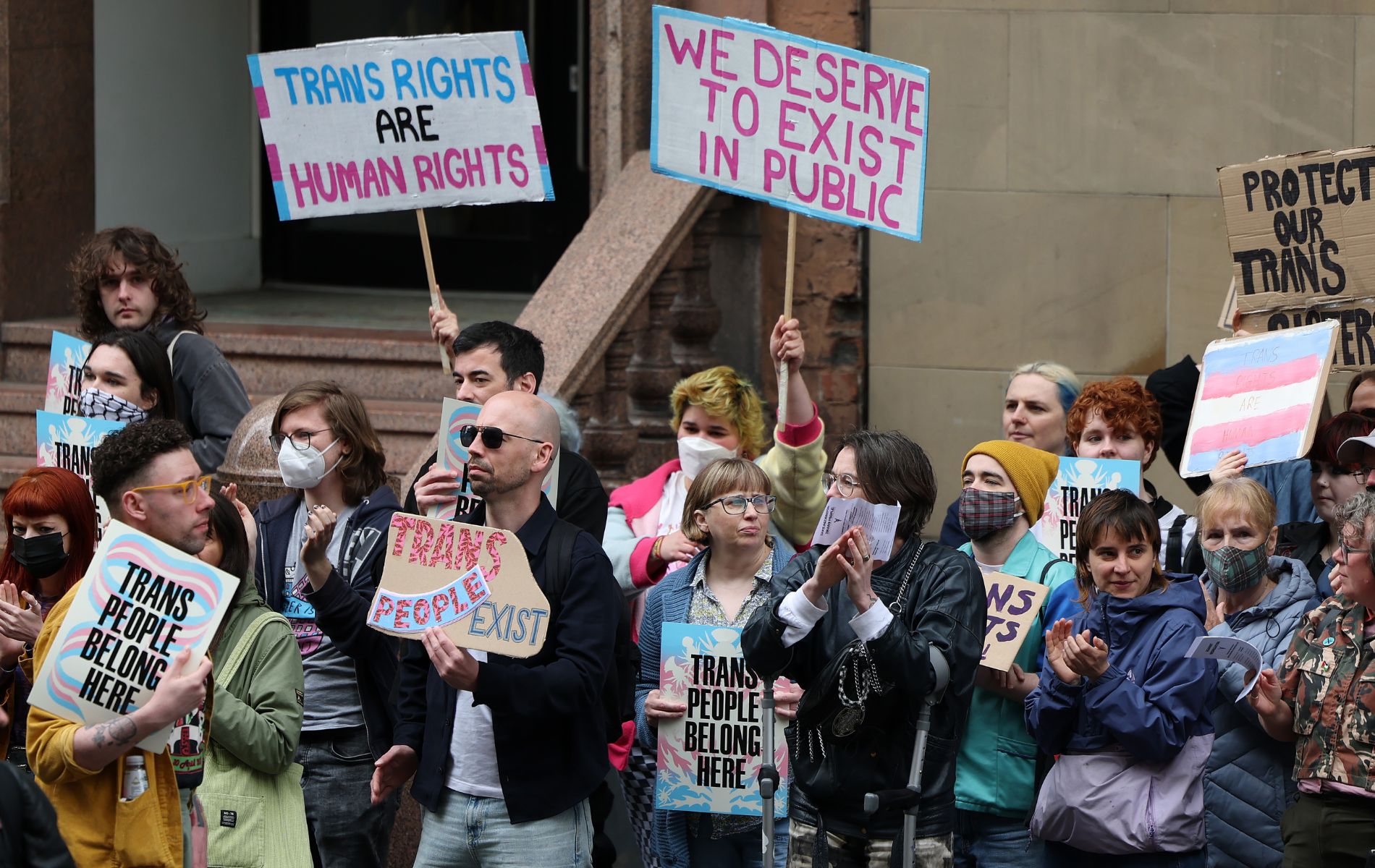
The Good Law Project appeals a High Court ruling that permits trans women to use women's facilities except at work, arguing the court's human rights analysis was flawed.




LGBT
fromPinkNews | Latest lesbian, gay, bi and trans news | LGBTQ+ news
3 months agoOne thing remains unclear for trans staff after NHS tribunal ruling
An NHS Trust was found to have harassed nurses over complaints about a trans colleague using female changing rooms and is reviewing policies and facilities.
fromwww.theguardian.com
3 months agoEHRC's guidance on single-sex spaces being adapted under constructive' new chair
Guidance on how to implement the landmark supreme court ruling on gender is being adapted to lessen its impact on businesses and to ensure it tries to balance single-sex spaces with the lives of transgender people, the Guardian has been told. Lawyers from the Equality and Human Rights Commission (EHRC) are understood to be in discussions with government lawyers over the practicalities of guiding businesses and other institutions about last year's ruling that the legal definition of a woman is based on biological sex only.
UK politics
fromwww.theguardian.com
5 months agoTrans rights should be a private affair. A toxic debate does no one any favours | Simon Jenkins
Last April, the supreme court issued a ruling confirming that the word sex in the Equality Act 2010 refers to biological sex, not a person's legal gender. This has a wide-reaching impact on how equality law is applied in practice, particularly in providing sex-based rights such as single-sex spaces. Six months later, a draft code on the ruling's implementation was sent by the Equality and Human Rights Commission (EHRC) to the equalities minister, Bridget Phillipson.
LGBT
UK politics
fromPinkNews | Latest lesbian, gay, bi and trans news | LGBTQ+ news
7 months agoLucy Powell calls for MPs to be given vote on single-sex spaces guidance
Lucy Powell called for MPs to vote on changes to single-sex space guidance and pledged to support the trans community while criticising Labour's language.
fromwww.hamhigh.co.uk
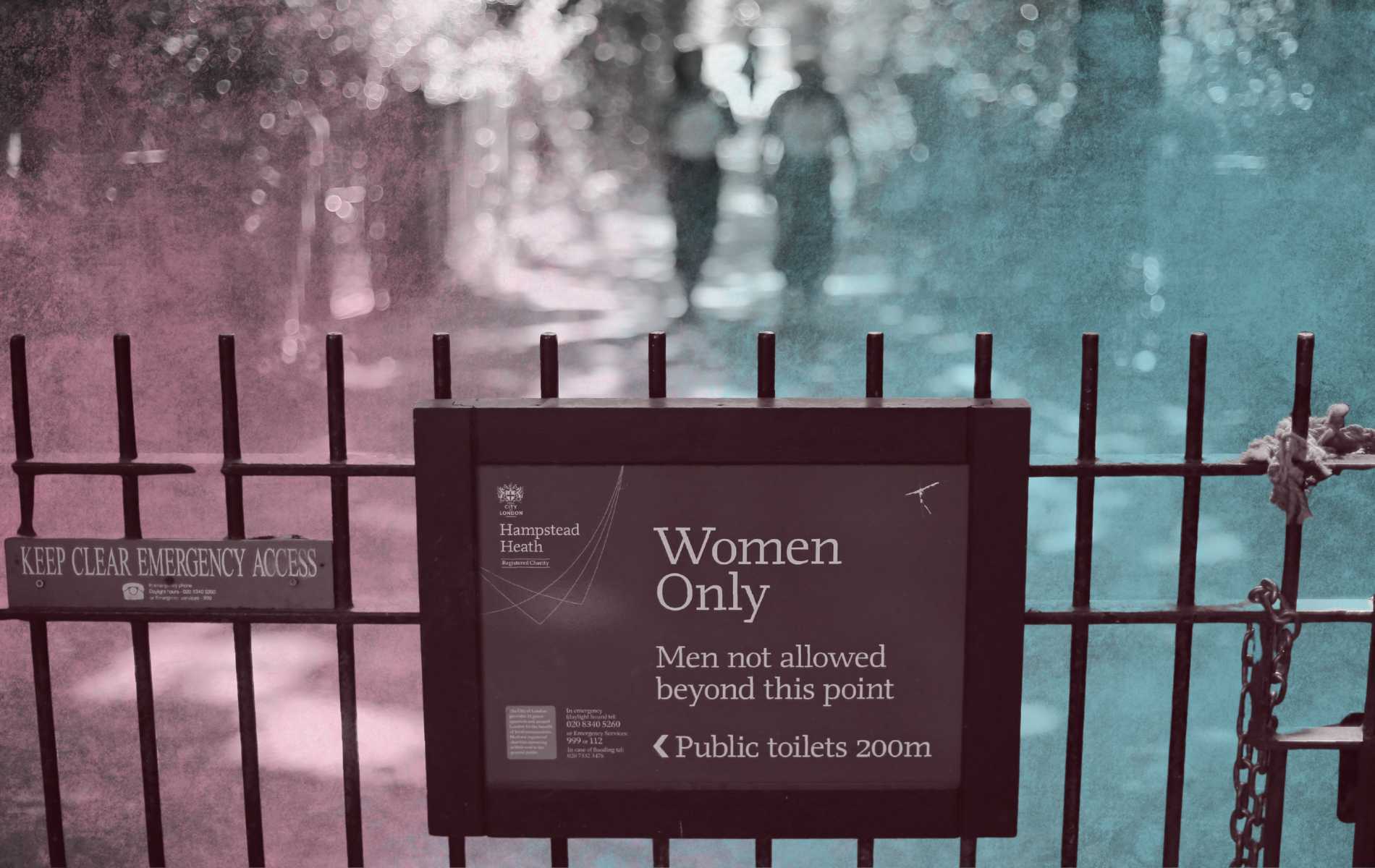
1 year agoHampstead Heath bosses 'carefully considering' court ruling over women's pond
Individuals will have their own views about the Supreme Court ruling. The Ladies' Pond is open to all women and girls over the age of eight and, according to the lifeguards, trans women have been swimming there for many years without incident.
LGBT
[ Load more ]