#saturn
#saturn
[ follow ]
#astrology #space-exploration #planetary-science #snapchat #acquisition #astronomy #cassini-huygens #hurricanes
fromwww.scientificamerican.com
3 weeks agoNASA releases stunning new Saturn imagesand the gas giant has never looked so good
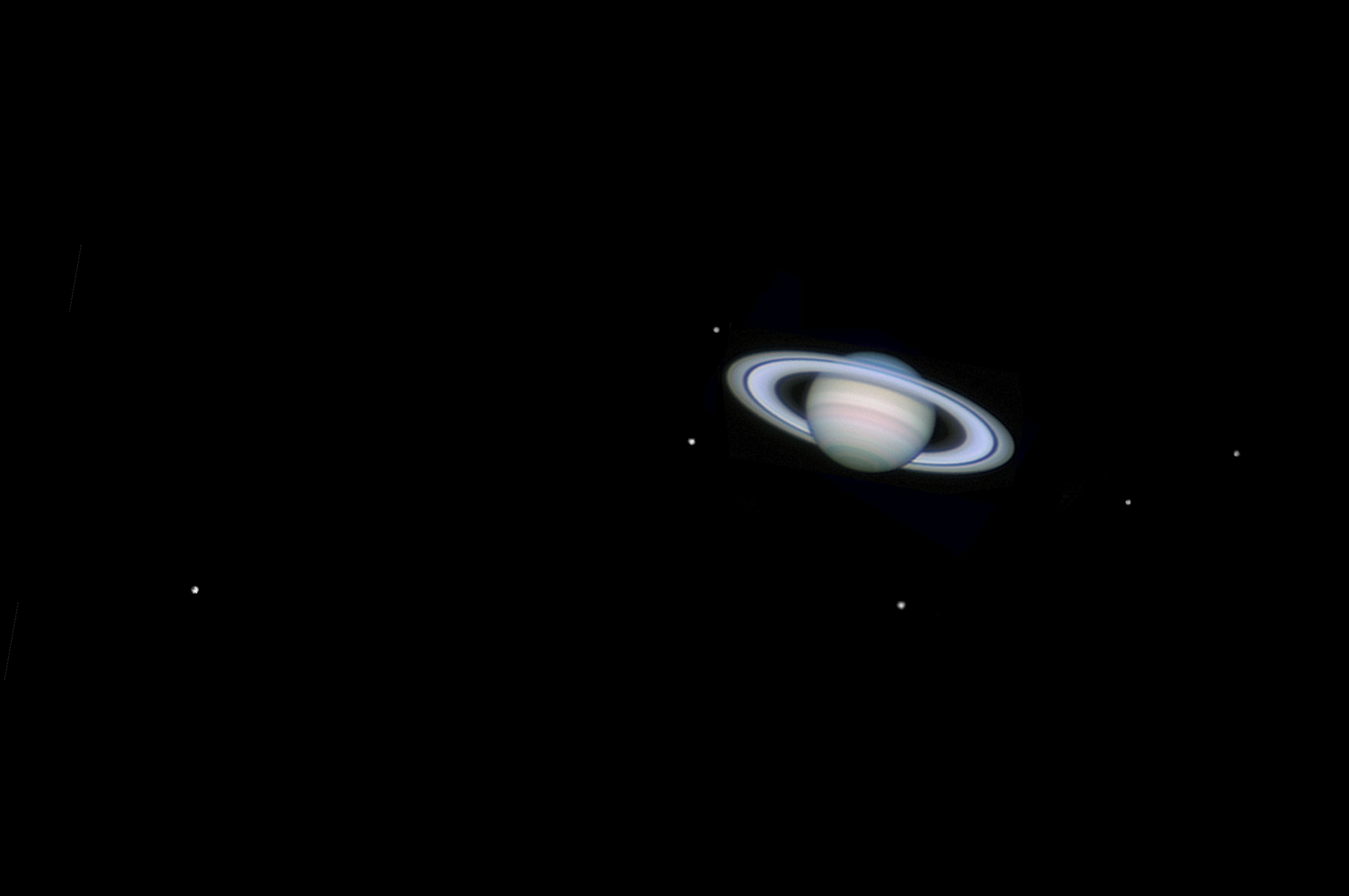
Hubble captured the planet's reflected visible light and highlighted Saturn's iconic yellow hues, which are, in part, a product of the sunlight-reflecting ammonia crystals and hydrocarbons such as methane in its atmosphere.
OMG science
fromwww.santacruzsentinel.com
5 months agoNovember supermoon to rise over the Bay Area this week
This Wednesday, the closest supermoon of the year will be visible in the night sky. Viewers will have the best chance of seeing the moonrise on Thursday, right after sunset by looking at the horizon. This month's supermoon is one of three occurring this year, the next being Dec. 4. A supermoon occurs when the moon is closer to the Earth than usual, due to its elliptical orbit, which can make it appear larger and brighter in the sky.
Science
fromBig Think
6 months ago400 years later, astronomers finally understand Saturn's rings
None of the rocky planets, asteroids, or known Kuiper belt objects have a system of rings. Jupiter, Uranus, and Neptune possess them, but they're all much fainter, sparser, smaller, and less massive than Saturn's. In addition, Saturn's rings are: significantly tilted with respect to the planet's axis of rotation, are made almost exclusively of water-ice, and are actively in the process of evaporating.
Miscellaneous





[ Load more ]