Everyday cooking
fromTasting Table
4 days agoCrispy Accordion Potatoes Recipe - Tasting Table
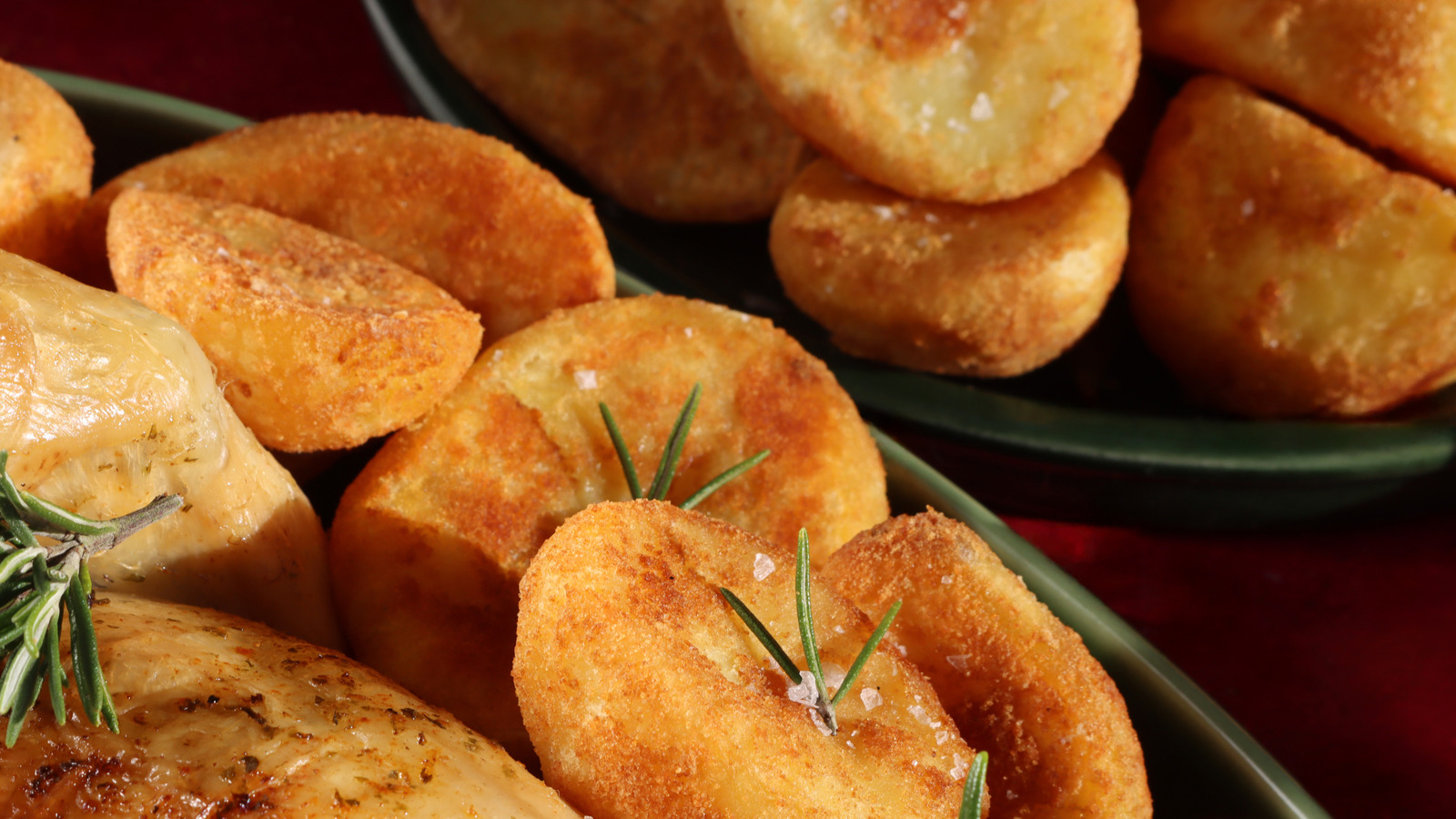
Accordion slicing plus starch soaking and roasting creates fluffy, fry-like potatoes with crisp edges and a waffle-hasselback texture.
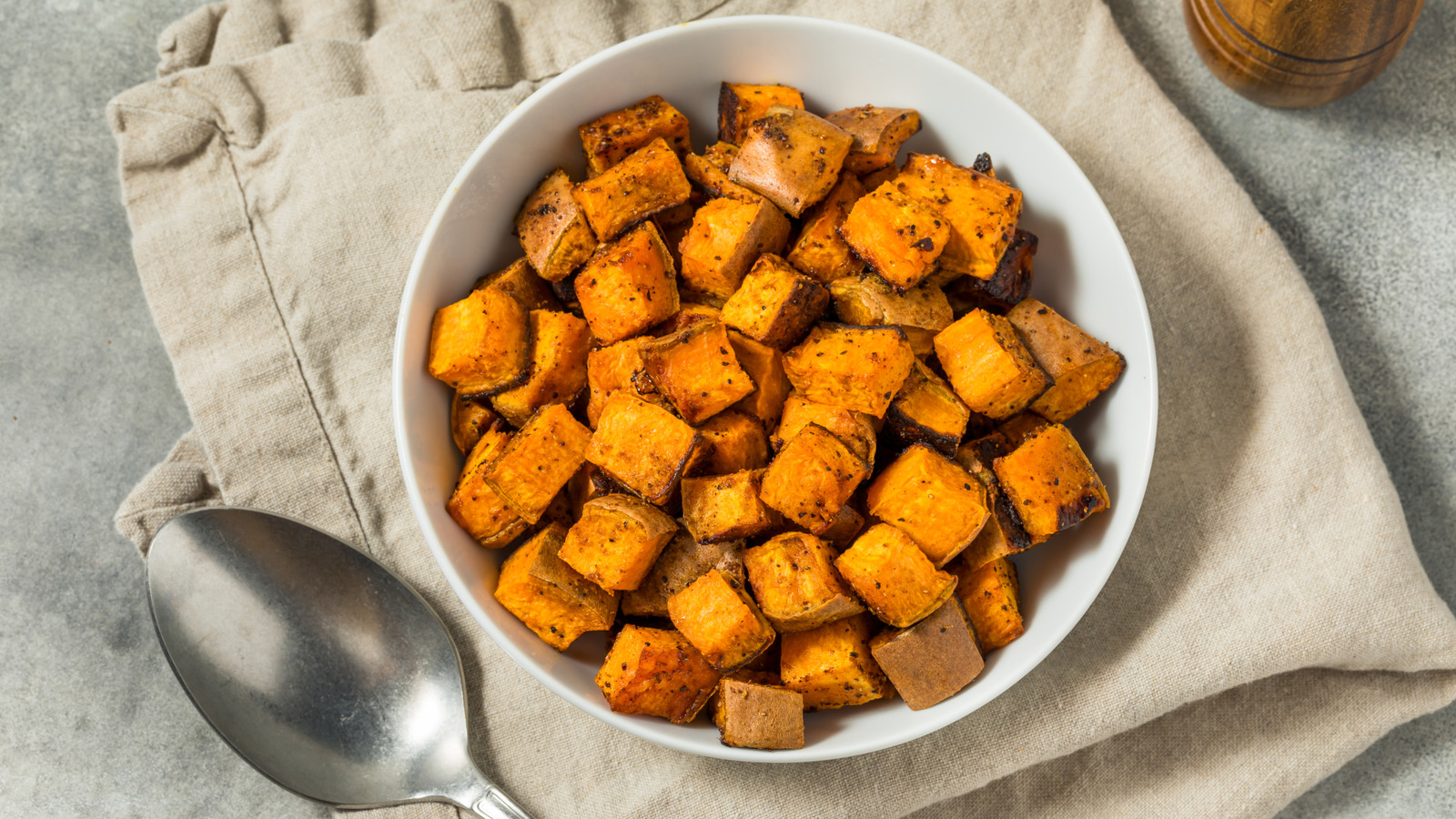
About a month ago, a video of a Southern teacher named Courtney Cook Bales eating an entire baked sweet potato (skin and all) filled with cheese rolled across my For You Page. Almost immediately, this two-ingredient recipe was everywhere. Turns out, nearly 10 million people have seen the same video I had - but instead of scrolling on, they went into their kitchens to make it. And they were raving about it.
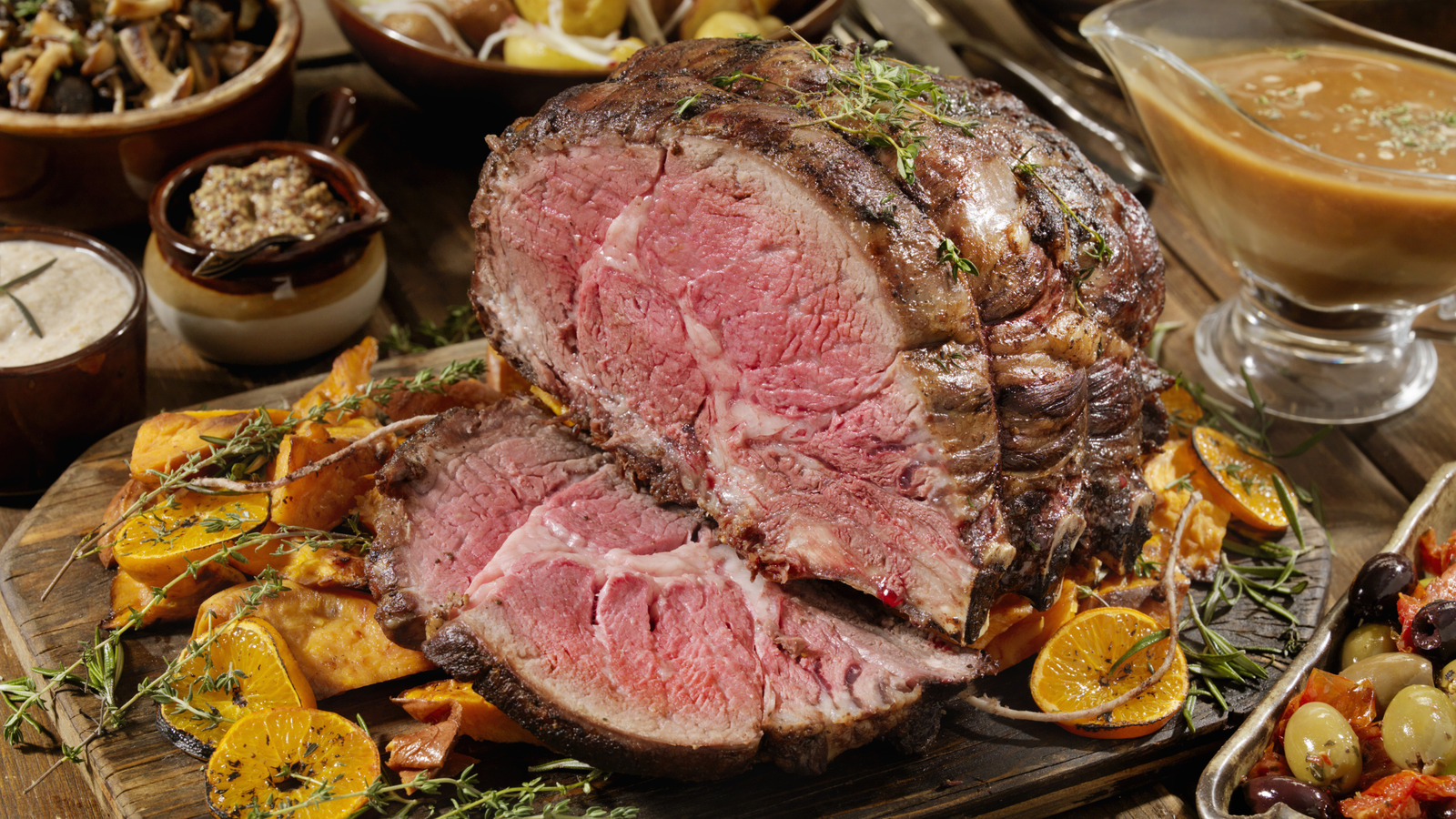
It can, however, be something of a dicey game to try to pick up a low-priced piece of beef. An appealing price tag will sometimes trick you into picking up a cut that turns what should be a luxurious dinner into more of an exercise in chewing. But there are good deals out there, and Tasting Table sent Hunter Wren Miele to find them, scoping out the best steak cuts at Aldi.
Place turkey on a rack, set in a large roasting pan. Pour one cup of broth into the bottom of the roasting pan. Tuck wing tips under the turkey. Place turkey in oven, breast side up and roast for 20 minutes. Reduce oven temperature to 350° F. Turn turkey breast side down and roast for 30 minutes. Pour 3 cups of broth over the turkey and roast for another 30 minutes.
Have you ever cooked fingerling potatoes? These oblong, finger-shaped potatoes are small and waxy. They have thin skins and firm, buttery flesh that almost reminds me of chestnuts. I love to make roasted fingerling potatoes for special occasions. With their unique shape and earthy, nutty taste, they feel a touch fancier than humble Yukon Golds or russets. With the holidays coming up, I thought it would be the perfect time to share my roasted fingerling potatoes recipe.
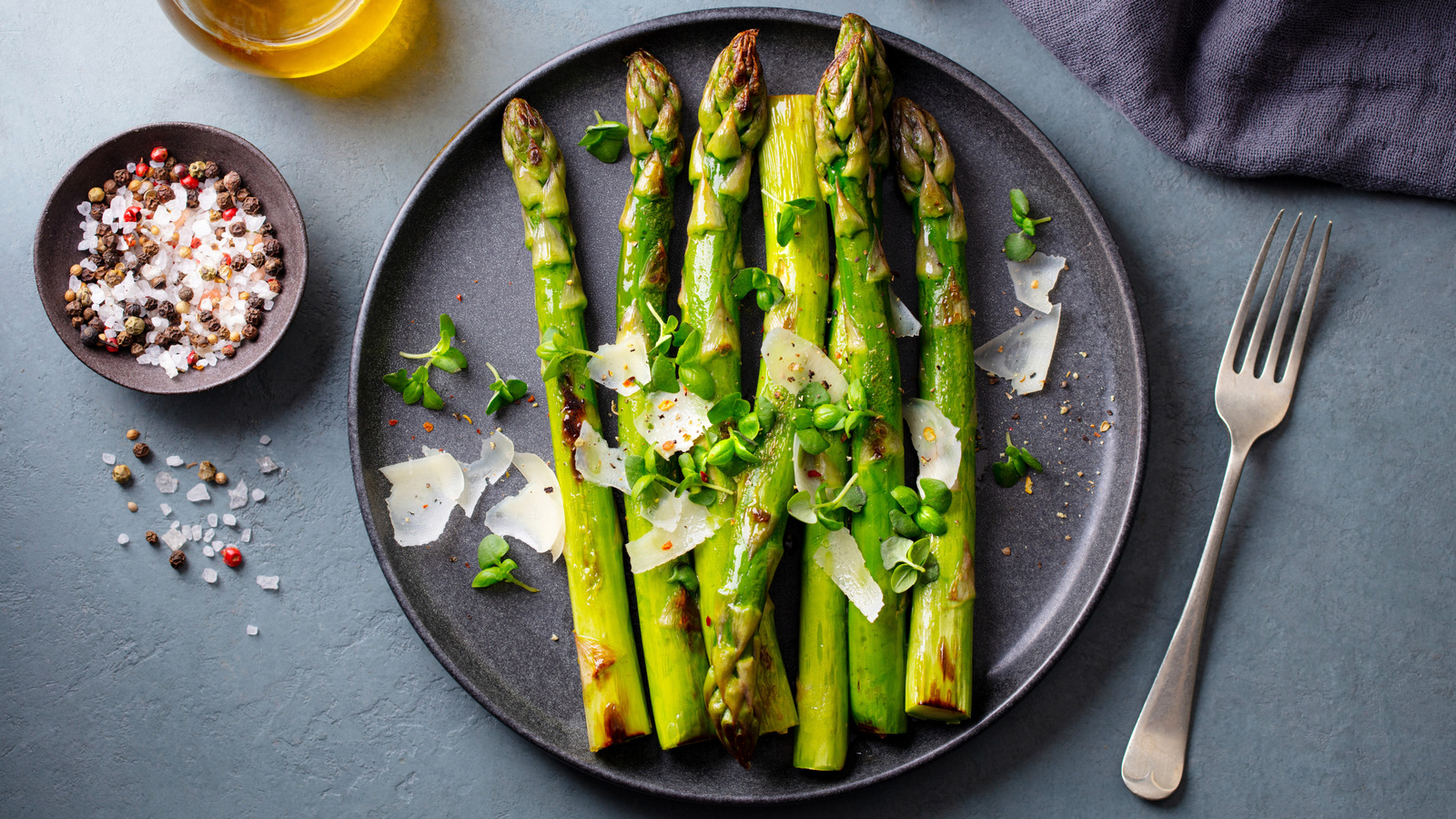
Cut off the tough bottom ends of the asparagus and cut it into 2" pieces. Add the stalks to a foil-lined baking sheet. Drizzle the asparagus with the olive oil, and add the kosher salt and a few grinds of black pepper. Slice the lemon in half crosswise. Thinly slice 4 wheels from one half of the lemon, then add them to the baking sheet. Zest the other half of the lemon, sprinkle it onto the asparagus and mix with your hands to coat.
Initially, it's their voluptuous contours that captivate. The long, slender necks and arched stems of Bosc pears, the round, silhouette of Comice. The gentle curves of the bell-shaped Bartlett. In the marketplace most often, they are as hard as boulders. They feel more like baseballs than fruit. Not a whisper of sublime sweetness. Not a whiffet of sensuous aroma. They are picked mature but before ripened, then kept in controlled-atmosphere storage. Tree-ripened pears get mushy because they ripen from the inside out.
Turnips are one of the vegetables I buy most often in the fall. I can never resist them at the farmers market-bright white, pink, or tinged with purple, with lush green tops attached. They often look more humble in the grocery store, but they're still worth reaching for. Turnips have a lightly sweet, peppery flavor with delicious nutty, mustardy undertones. Why not add them to your root vegetable rotation?
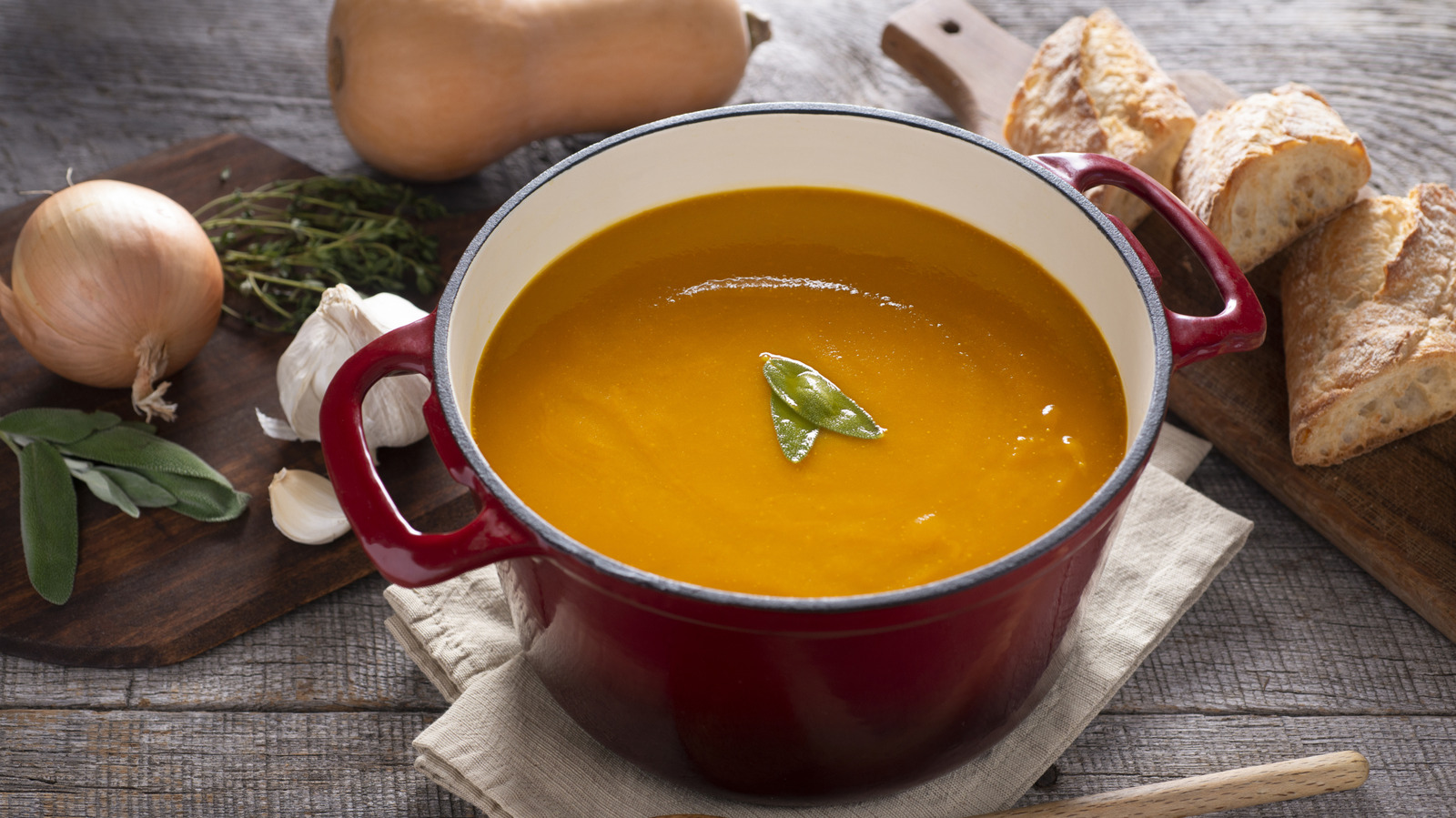
Preheat the oven to 425 degrees Fahrenheit and line a rimmed baking sheet with parchment paper. Place the butternut squash on the pan and drizzle and rub each half with just enough olive oil to lightly coat the squash on the inside. Sprinkle it with salt and pepper. Turn the squash face down and roast until it is tender and completely cooked through, about 40 to 50 minutes. Set the squash aside until it's cool enough to handle.
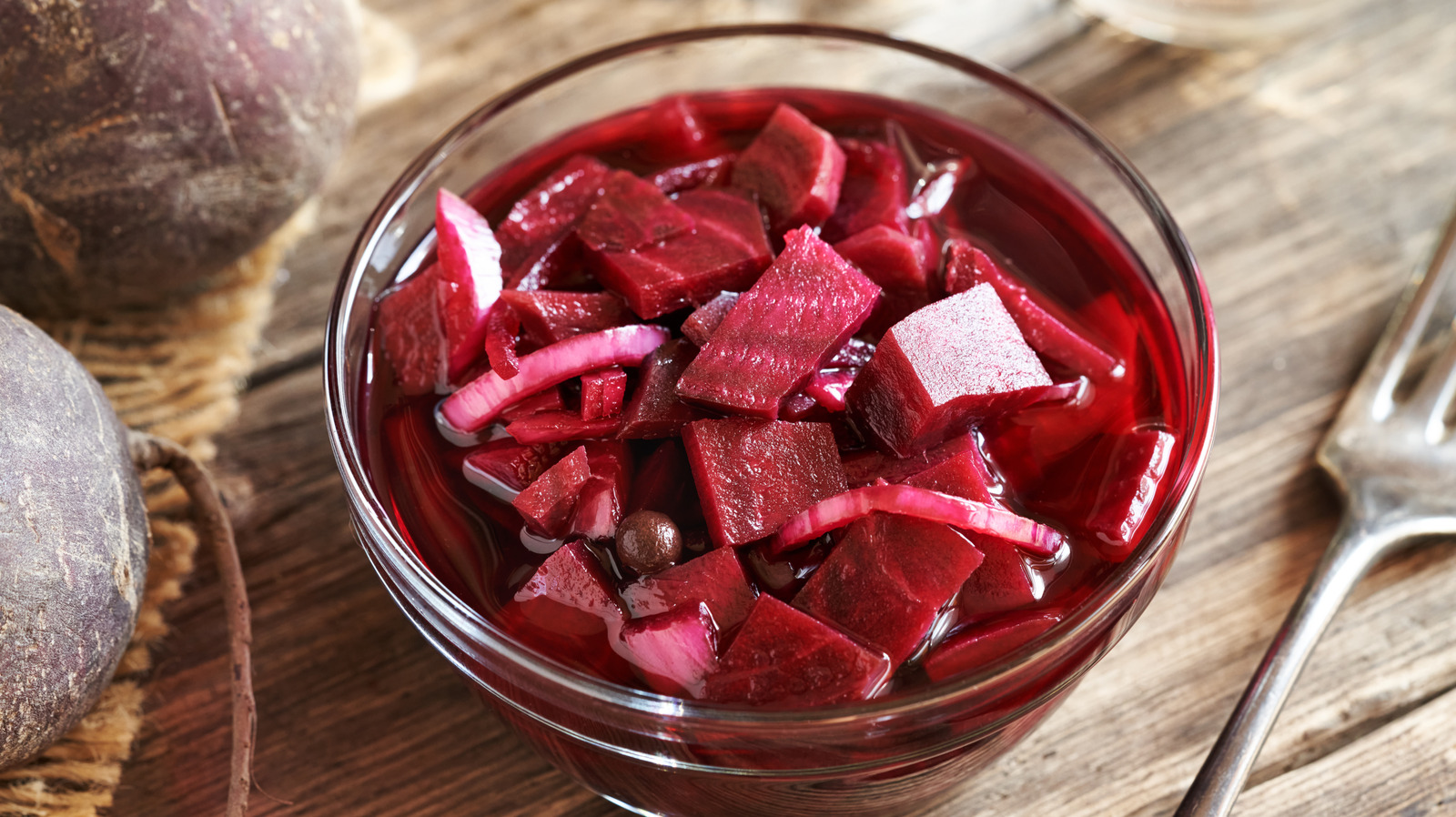
We may receive a commission on purchases made from links. If you're a lover of ketchup, it might come as a surprise to you that tomatoes weren't always a defining ingredient. While most brands of ketchup you see on the shelf are a blend of tomatoes, vinegar, and a sweetener, ketchup doesn't have to stick to the conventional modern formula. Beet ketchup is a wonderfully tasty alternative to tomato ketchup that's very easy to make, not to mention nightshade-free.
In fact, sometimes I just opt for the fastest method ( boiling corn in a pot of seasoned water) so I can bite into a crunchy, sweet and salty ear of corn as quickly as possible. Unfortunately, cooking corn on the stovetop, especially when using frozen corn, increases the risk of soggy corn on the cob that isn't very flavorful.