#reusable-rockets
#reusable-rockets
[ follow ]
#spacex #blue-origin #new-glenn #honda #ipo #satellite-launch #starship #starlink #ai-in-space #falcon-9 #zhuque-3



fromArs Technica
1 week agoCould this be the moment that drug manufacturing takes off in orbit?
There is the bedrock of research done on board the ISS, increased capital for space startups like Varda, and the rise of reusable rockets that has brought down the cost of access to space and increased the cadence. Varda's spacecraft, with a mass of a few hundred kilograms, typically fly on SpaceX's periodic Transporter missions that launch dozens of space missions at a time.
Science
Science
fromArs Technica
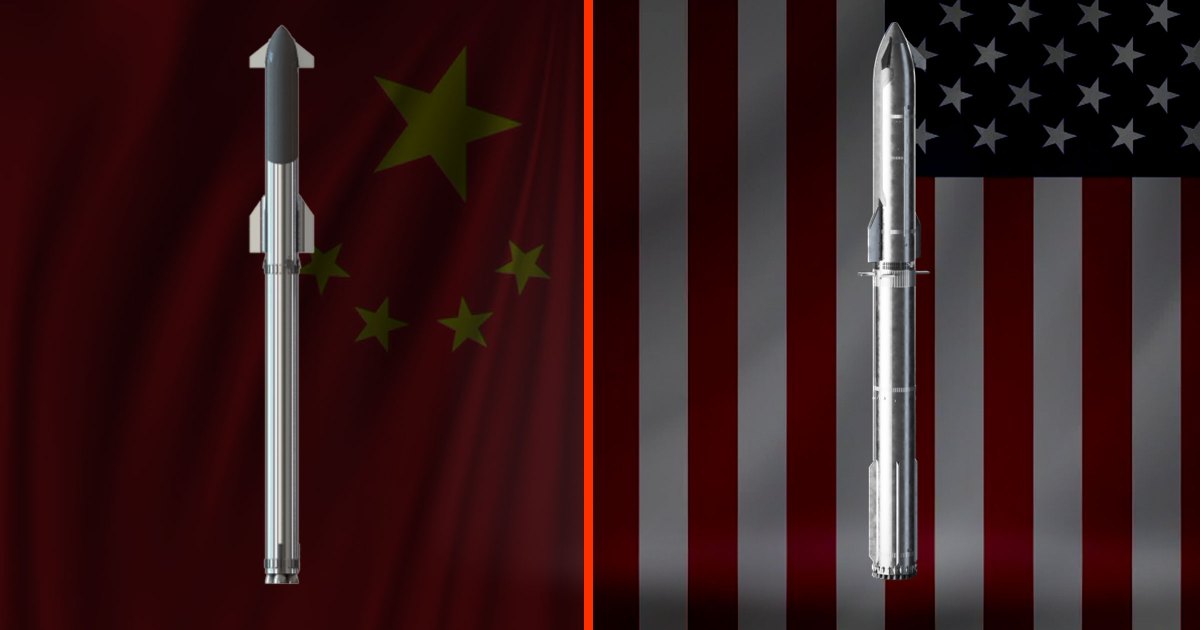
5 months agoOh look, yet another Starship clone has popped up in China
Chinese launch companies and state programs are shifting from Falcon 9-style expendable designs toward fully reusable, Starship-like stainless-steel, methane-fueled vehicles and tower-catch recovery methods.
fromArs Technica
5 months agoThis Chinese company could become the country's first to land a reusable rocket
Airspace warning notices advising pilots to steer clear of the rocket's flight path suggest LandSpace has a launch window of about two hours. When it lifts off, the Zhuque-3 (Vermillion Bird-3) rocket will become the largest commercial launch vehicle ever flown in China. What's more, LandSpace will become the first Chinese launch provider to attempt a landing of its first stage booster, using the same tried-and-true return method pioneered by SpaceX and, more recently, Blue Origin in the United States.
Science
Science
fromTechCrunch
5 months agoVarda says it has proven space manufacturing works -- now it wants to make it boring | TechCrunch
Space-manufactured pharmaceuticals and routine human orbital travel will become economically viable within two decades due to reusable launch and specialized small reentry capsules.

fromArs Technica
8 months agoAfter a very slow start, Europe's reusable rocket program shows signs of life
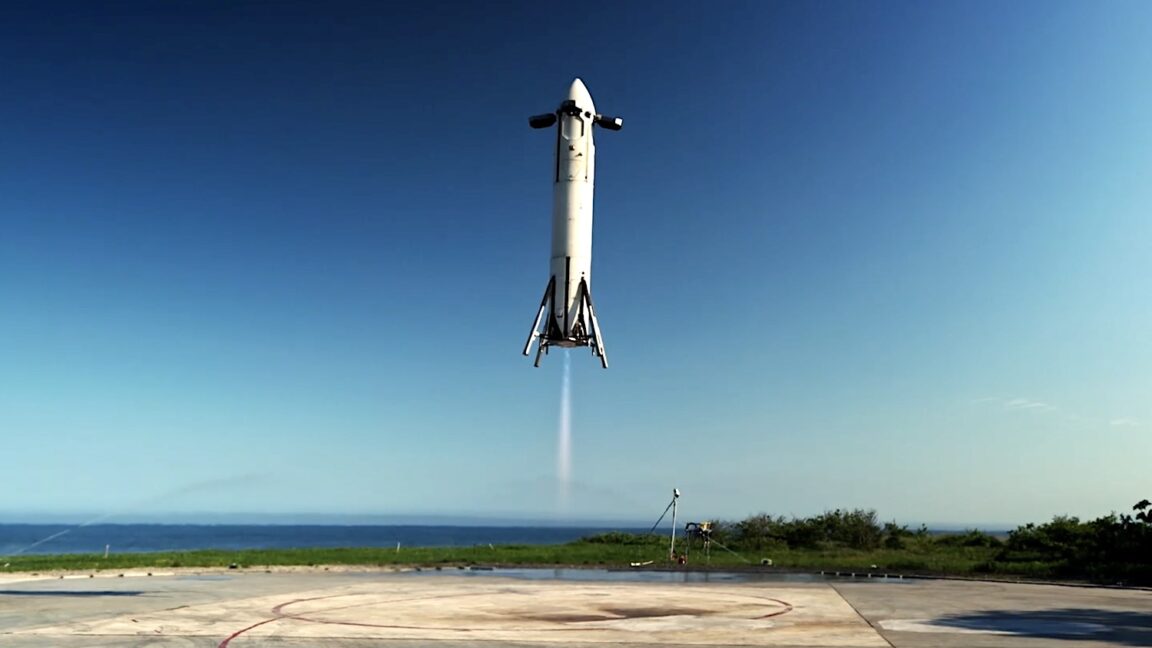
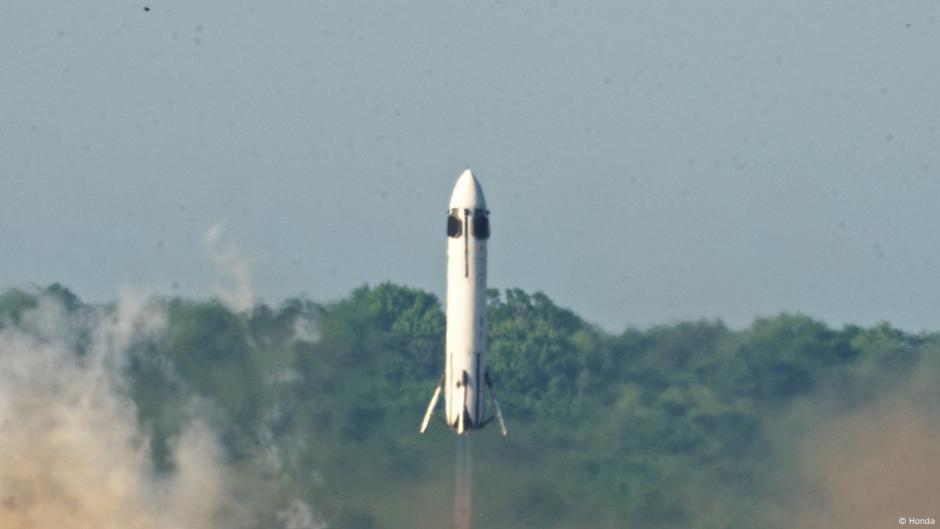
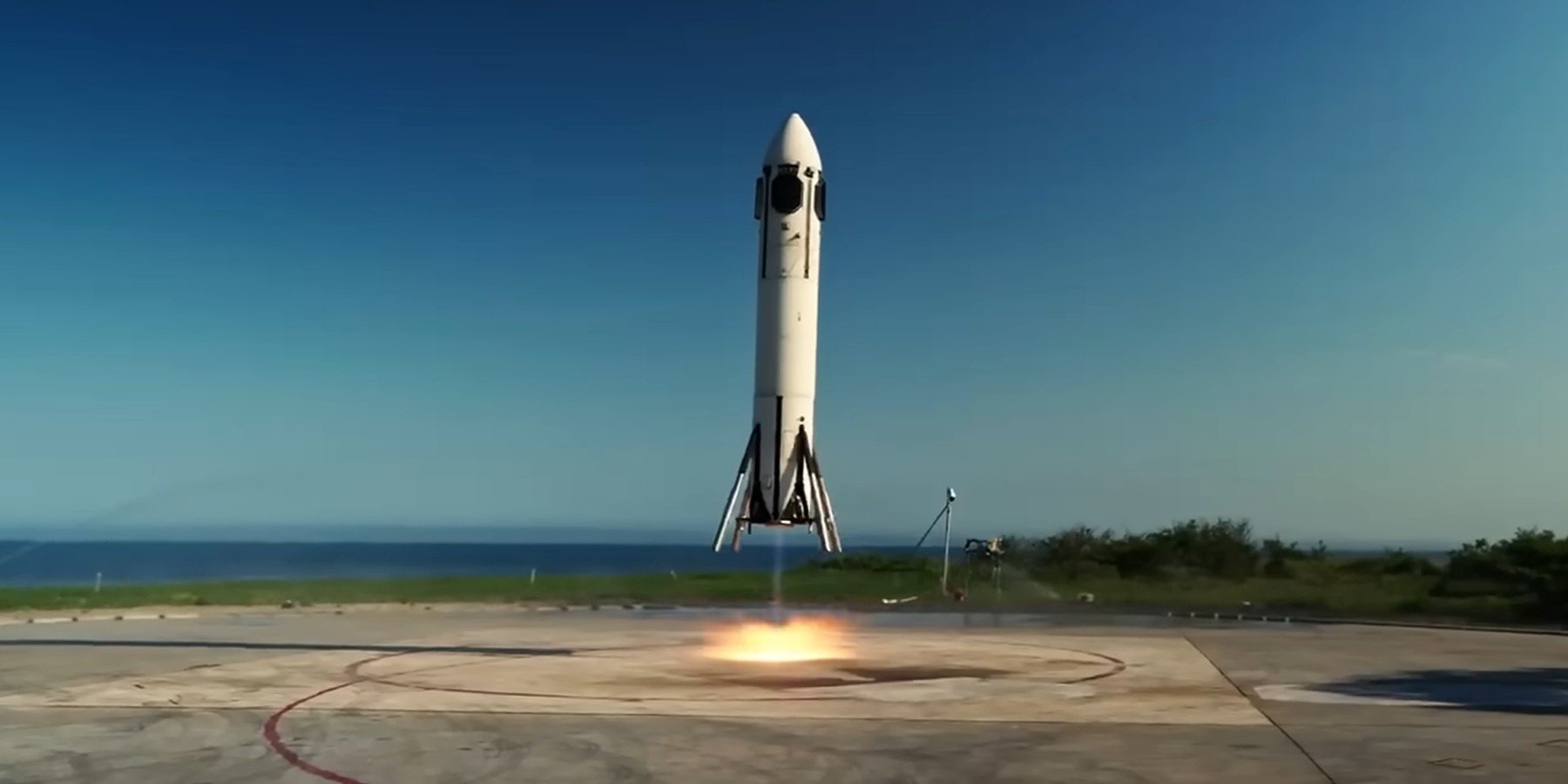
This week, the France-based ArianeGroup aerospace company announced that it had completed the integration of the Themis vehicle, a prototype rocket that will test various landing technologies, on a launch pad in Sweden. Low-altitude hop tests, a precursor for developing a rocket's first stage that can vertically land after an orbital launch, could start late this year or early next.
Science
[ Load more ]