#retirement-income
#retirement-income
[ follow ]
#social-security #dividend-etfs #dividend-investing #investment-strategy #financial-planning #dividend-growth
#portfolio-yield
Retirement
from24/7 Wall St.
1 day agoA $2.2 Million Dividend Portfolio That Quietly Pays $13,200 a Month Without a Single MLP Tax Headache
Generating $158,400 annually from a $2.2 million portfolio requires about a 7.2% blended yield, achievable by combining conservative, moderate, and aggressive income sources.
#dividend-investing

Retirement
from24/7 Wall St.
2 days agoHow Much Do You Really Need Invested to Replace a $40,000 Salary at 62 and Bridge the Five Years Until Social Security at 67?
Dividend yield determines the capital needed to fund retirement income without selling shares, with higher yields requiring greater tradeoffs in risk and durability.


Retirement
from24/7 Wall St.
5 hours agoThe 6.4 Percent Yield Portfolio That Lets a 70-Year-Old Sleep Through Every Market Selloff Since 2020
A $1.05 million conservative portfolio yielding 6.4% can generate about $67,200 annually without selling shares, supporting retirement when paired with Social Security.
Retirement
from24/7 Wall St.
2 days agoHow Much Do You Really Need Invested to Replace a $40,000 Salary at 62 and Bridge the Five Years Until Social Security at 67?
Dividend yield determines the capital needed to fund retirement income without selling shares, with higher yields requiring greater tradeoffs in risk and durability.
Retirement
from24/7 Wall St.
1 day agoA Monthly Dividend Portfolio That Pays Like a Pension and Beats Most Pensions on Inflation Protection
A $66,000 annual pension benchmark can be recreated with different capital amounts depending on yield, while monthly distribution and inflation protection are essential.
from24/7 Wall St.
1 day agoBonds Used to Be the Answer for Retirees Who Needed Income. Then Came the Covered-Call ETF That Pays 4.75%.
Bonds worked really well as a portfolio diversifier for more than four decades, and a huge part of that success came from the long-term trend of falling interest rates. When interest rates fall, the value of existing bonds rises because their fixed coupon payments become more attractive relative to newly issued bonds. That dynamic created a tailwind for bond investors over time.
Business
Retirement
from24/7 Wall St.
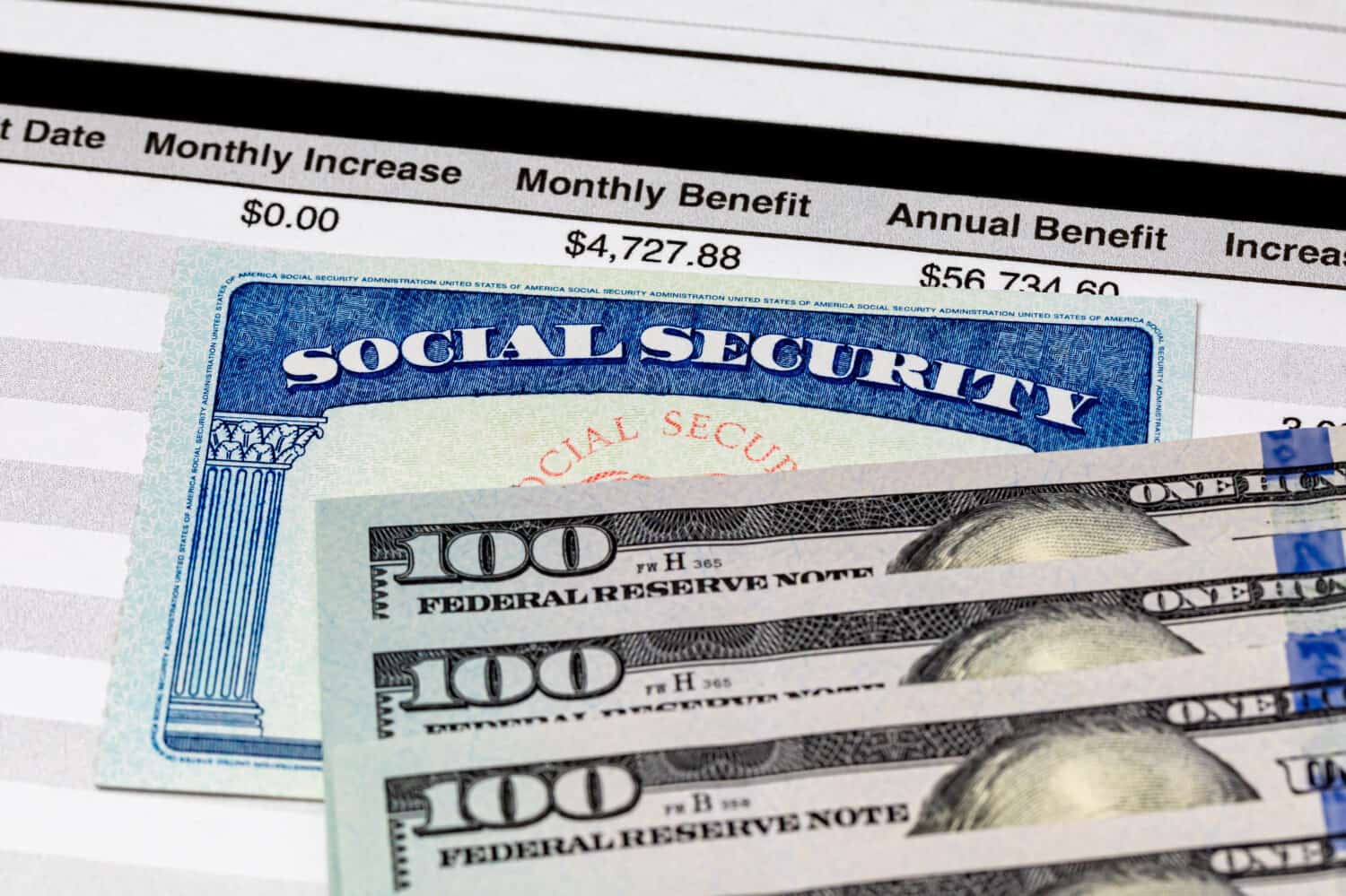
3 days agoThe Single Premium Immediate Annuity That Pays a 73-Year-Old $4,800 a Month for Life and Takes Sequence Risk Off the Table
SPIA annuities can provide higher guaranteed monthly income than the 4% rule by pooling longevity risk and pricing off current long-term Treasury yields.




#retirement-planning
Retirement
from24/7 Wall St.
1 week agoNearly 50% of Americans Have No Written Financial Plan, and the Allianz Study Just Put a Number on How Much That Costs Them
47% of Americans lack a written financial plan and many cannot convert savings into retirement income, increasing worry about running out of money.
Retirement
from24/7 Wall St.
2 months ago$1 Million in Savings Sounds Like Freedom. The Monthly Budget Tells a Different Story.
A $1 million retirement portfolio generates approximately $58,000 annual net income when combined with Social Security, providing a comfortable but not lavish lifestyle in a mid-cost city with modest discretionary spending.

Retirement
from24/7 Wall St.
1 week agoNearly 50% of Americans Have No Written Financial Plan, and the Allianz Study Just Put a Number on How Much That Costs Them
47% of Americans lack a written financial plan and many cannot convert savings into retirement income, increasing worry about running out of money.
Retirement
from24/7 Wall St.
2 months ago$1 Million in Savings Sounds Like Freedom. The Monthly Budget Tells a Different Story.
A $1 million retirement portfolio generates approximately $58,000 annual net income when combined with Social Security, providing a comfortable but not lavish lifestyle in a mid-cost city with modest discretionary spending.







from24/7 Wall St.
1 month agoRetirees Love This $578 Billion ETF, But Switching to These 2 Could Boost Income by 40%
Vanguard Total Stock Market ETF holds roughly $2.1 trillion in assets and has earned its place in millions of retirement portfolios. The appeal is straightforward: one fund, the entire U.S. equity market, a 0.03% expense ratio, and a 25-year track record.
Business
from24/7 Wall St.
2 months agoRetirees Are Quietly Collecting Income From London's Biggest Dividend Payers
EWU tracks the MSCI United Kingdom Index, holding large- and mid-cap UK-listed equities. Income flows entirely from dividends paid by those underlying companies, which are then passed through to fund shareholders twice per year. The UK market has long been known for generous corporate dividend cultures, particularly in financials, energy, and consumer staples.
Business
Business
from24/7 Wall St.
2 months agoAn Emerging Market Bond ETF Pays 5.43% and Retirees Are Taking Notice
EMB offers consistent monthly distributions of $0.38–$0.42 per share backed by emerging market bond coupons, but retirees must assess durability against sovereign credit risk and geopolitical volatility.
Retirement
from24/7 Wall St.
2 months agoThere Is A Corporate Bond ETF Retirees Are Using to Replace CD Income in 2026
CRED is a REIT equity fund, not a bond fund, generating income from real estate dividends rather than corporate debt interest, making it unsuitable as a direct bond substitute for retirees seeking stability.
from24/7 Wall St.
3 months agoJEPI's 8% Yield Is Impressive, But Has a Hidden Cost Most Retirees Miss
JEPI generates its elevated yield by holding around 120 large-cap stocks while systematically selling call options on those positions. When you sell a call option, you collect a premium upfront but cap your upside if the stock rallies past the strike price. This is the fundamental tradeoff: higher current income in exchange for limited participation in market gains. The strategy works well in sideways or moderately rising markets.
Business
from24/7 Wall St.
3 months ago3 High-Yield Dividend ETFs Perfect For Baby Boomers
The popularity of exchange traded funds (ETFs) has exploded in the past decade, and every generational cohort can take advantage of these user-friendly assets. Baby boomers, who were born between 1946 and 1964 and will be 62 to 80 years of age this year, should consider owning one or more ETFs to round out their portfolios. High-yield dividend ETFs can significantly boost a baby boomer's income-generating potential, but it's important to be selective.
Business
from24/7 Wall St.
3 months agoThe 5 Safest Dividend ETFs for Boomer Retirement Income in 2026
The reason is simple: those who leave their careers to enjoy a well-deserved retirement lose the benefits of a regular salary and the benefits of their jobs, such as 401(k) matching and company-paid healthcare. In addition, many Baby Boomers take advantage of their retirement years to travel and enjoy the rewards they have worked hard to achieve throughout their lifetime. Choosing investments wisely is imperative, and at 24/7 Wall St., we constantly search for the best ideas for Baby Boomers and retirees.
Business
Retirement
from24/7 Wall St.
3 months ago2026 Is Showing Retirees That A $3,000 Monthly Pension Changes Investment Strategy
A pension's guaranteed monthly income reduces required portfolio stability, enabling higher equity allocation and shifting focus to growth, healthcare gaps, and inflation protection.
from24/7 Wall St.
4 months agoPimco's 4.6% ETF Only Looks Good For Retirees At First Glance
PIMCO Enhanced Short Maturity Active Exchange-Traded Fund (NYSEARCA:MINT) offers retirees a 4.6% yield by focusing on short-term bonds that mature in under three years. This short duration strategy aims to deliver steady monthly income while protecting capital from the interest rate swings that punish longer-term bonds. Since launching in 2009, MINT has built a reputation for reliable monthly income, providing the consistency retirees need.
Business
from24/7 Wall St.
4 months agoA 72-Year-Old With $900,000 Discovers RMDs Won't Drain the Portfolio as Expected
Reaching 72 with $900,000 in tax-deferred retirement accounts means navigating required minimum distributions (RMDs) while preserving portfolio longevity. This requires intentional planning around withdrawals, taxes, and asset allocation. A recent Reddit discussion highlighted how RMDs are often less burdensome than feared, with one poster noting that even with a $2 million portfolio, only about 25% of total wealth gets taxed by age 80.
Retirement
[ Load more ]