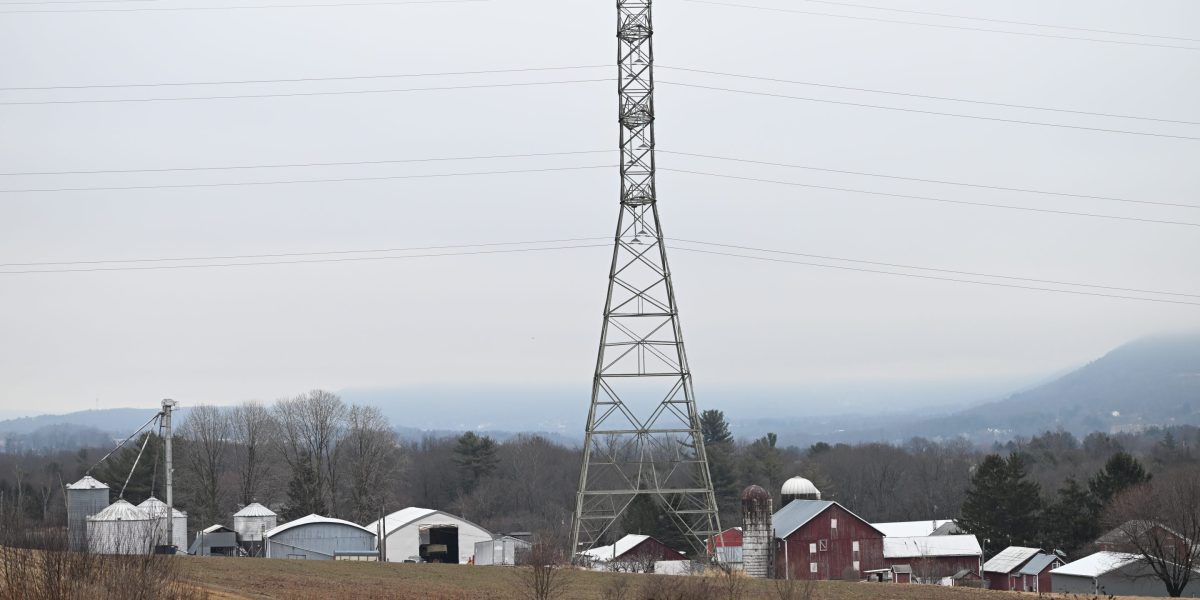
The AI revolution has a power problem. Training GPT-4 required as much electricity as 10,000 U.S. homes use in a year. Multiply that by thousands of models being trained simultaneously, plus billions of daily queries. The result? A data center energy boom reshaping power generation. Facilities drawing 100+ megawatts each, with some hyperscale campuses approaching 1 gigawatt (the equivalent of small cities).
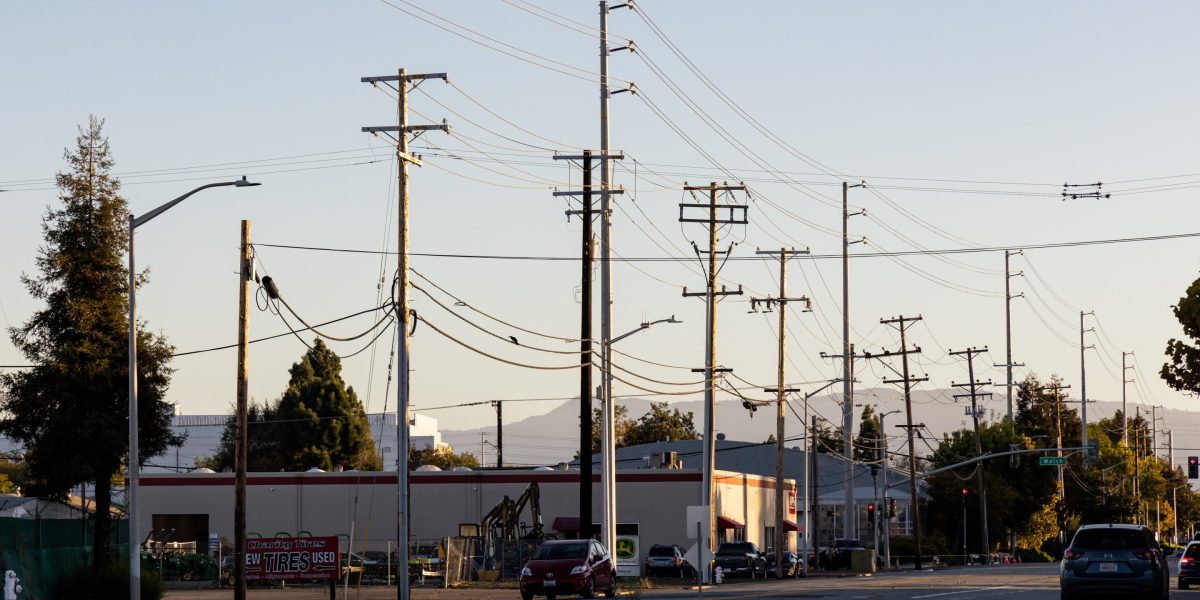
After several 10-second faults and inaccurate PG&E notifications claiming, Power is on we were plunged into a sustained blackout. We cannot compete globally while navigating a vulnerable, 1970s-era overhead grid. Reliability is a shared responsibility; as neighbors, we are committed to trimming private trees and providing maintenance access. However, we need a matching commitment to modernization. We plead for PG&E and the city to invoke Rule 20A credits to underground our lines.
One fire appears to have been caused by a spark from old power lines, the other allegedly started by an Uber driver with a fascination with flames. In the end, the Eaton and Palisades fires destroyed more than 16,000 homes, businesses and other structures and left 31 people dead. They were the second and third most destructive wildfires in California history - eclipsed only by the Camp fire that leveled the town of Paradise in 2018, destroying more than 18,000 structures and killing at least 85 people.
In terms of capacity, it will be the city's largest hyperscale data center, with a single major cloud player as its tenant. The project involves 78MW of new capacity, according to Reuters. That may sound modest, but in a European context, the figure is striking. The new capacity represents approximately 7 percent of the total 1,162MW of new live data center capacity added in continental Europe this year.
The AI boom is driving an explosive surge in computational demands and reshaping the landscape of technology, infrastructure, and innovation. One of the biggest barriers to widespread AI deployment today is access to power. Some estimates suggest AI-driven data centers now consume more electricity than entire nations. The World Economic Forum projects a doubling of energy use by data centers from 2024 to 2027, driven by the energy-intensive nature of AI workloads.
Very high temperatures over several days with temperatures that do not drop at night cause the temperature of the tarmac to rise by several dozen degrees (on the surface), which put severe strain on the underground networks.