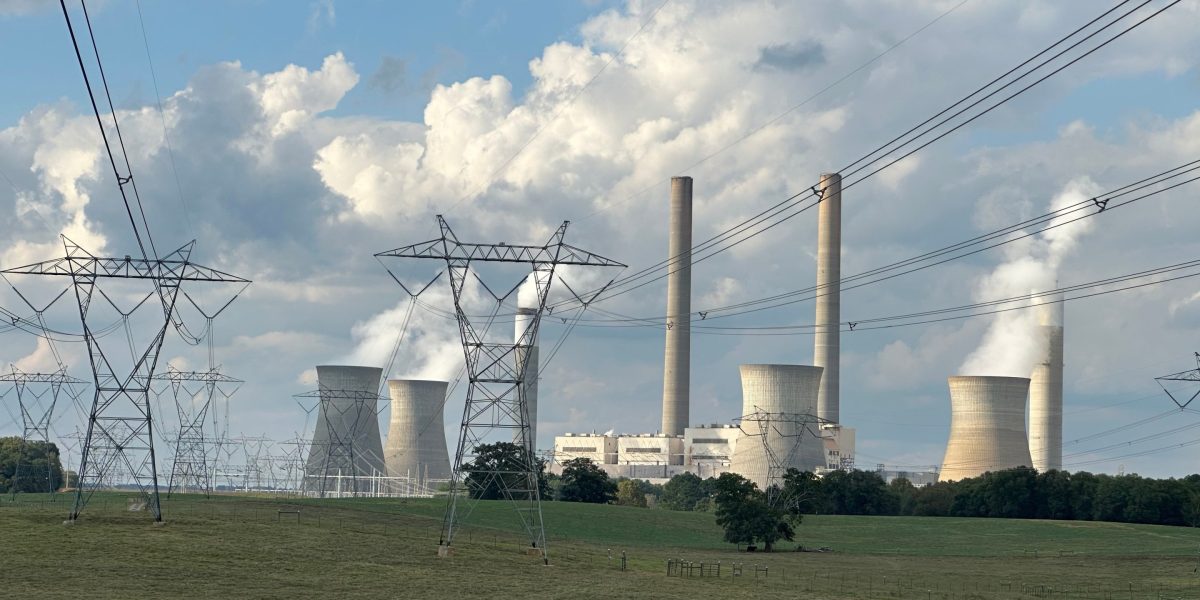
"Georgia's only private electric utility plans to increase power capacity by 50% after state regulators on Friday agreed 5-0 that the plan is needed to meet projected demand from data centers. It would be one of the biggest build-outs in the U.S. to meet the insatiable electricity demand from developers of artificial intelligence. The construction cost would be $16.3 billion, but staff members say customers will pay $50 billion to $60 billion over coming decades, including interest costs and guaranteed profit for the monopoly utility."
""Large energy users are paying more so families and small businesses can pay less, and that's a great result for Georgians," Georgia Power CEO Kim Greene said in a statement after the vote. But opponents say the five elected Republicans on the commission are greenlighting a risky bet by the utility to chase data center customers with existing ratepayers left holding the bag if demand doesn't materialize."
"The approval came less than two months after voters rebuked GOP leadership, ousting two incumbent Republicans on the commission in favor of Democrats by overwhelming margins. Those two Democrats won in campaigns that centered on six Georgia Power rate increases commissioners have allowed in recent years, even though the company agreed to a three-year rate freeze in July. Peter Hubbard and Alicia Johnson - the Democrats who will take office Jan. 1 - opposed Friday's vote. But current commissioners refused to delay."
Georgia Power plans a 50% increase in generation capacity after state regulators voted 5-0 that the expansion is needed to meet projected data-center demand. The construction cost is estimated at $16.3 billion, while staff project customers will pay $50 billion to $60 billion over coming decades including interest and guaranteed profit. Company leaders and the Public Service Commission say large energy users will shoulder more costs and spreading fixed costs across more customers could lower residential bills beginning in 2029. Opponents warn the demand may not materialize and say existing ratepayers could bear the risk. Recent elections produced two incoming Democratic commissioners who opposed the vote.
Read at Fortune
Unable to calculate read time
Collection
[
|
...
]