After a tough workout, your body enters a state of stress: muscle fibers are damaged, energy stores are depleted, and hydration levels drop. This is a critical moment. If your body gets the right nutrients, it starts rebuilding immediately. If not, recovery slows down, and so does progress.
The AI analysis found enormous variation in the health of the thymus between individual people. In some people, it stayed very active until a very old age. And other people, it actually declined very rapidly at a younger age. Importantly, thymus health correlated with a person's overall health. People who had a healthy thymus tended to live longer, have less cancer, and less cardiovascular disease.
The Israeli gerontologist has been studying healthy centenarians for years and has observed that many follow a pattern similar to Reichert's. They do not always lead a monastic, carefully balanced life. There is a great deal of biological lottery involved in longevity. But Barzilai wants to hack that lottery—to understand which numbers are the winning ones and pass them on to the rest of humanity.
We compared how participants fared while eating their habitual diets with how they responded to the two diets that were low in ultraprocessed foods. During the periods when participants ate fewer ultraprocessed foods, they naturally consumed fewer calories and lost weight, including total and abdominal body fat. Beyond weight loss, they also showed meaningful improvements in insulin sensitivity, healthier cholesterol levels, fewer signs of inflammation, and favorable changes in hormones that help regulate appetite and metabolism.
It's the most ubiquitous, effective, totally no-side-effects drug in the world. Exercise is also something Metzl feels is sometimes overlooked in the longevity space, in favor of fancier products. A lot of this stuff we talk about with longevity is not validated, like full-body MRIs and these supplement stacks.
"It's not great, if I'm being honest. From amending my answer to the question "how ya doing Roth" at the very beginning of this week's episode of The Distraction, it is clear that things are not going great. But for the second straight week, we found a way to split our episode between the Not Great stuff and being stupid about sports, with the result being one of the most enjoyable hours of my week."
Don't put all your eggs in one basket when it comes to exercise - doing a variety of different physical activities every week is the key to boosting your health and living longer, a study suggests. After tracking the weekly exercise habits of 110,000 men and women in the US for 30 years, researchers found active people who did the greatest variety of exercise were 19% less likely to die during that time than those who focused on one activity. That effect was greater than for individual sports like walking, tennis, rowing and jogging. The total amount of exercise you do is still key, experts say, but doing a range of activities you enjoy can bring lots of benefits.
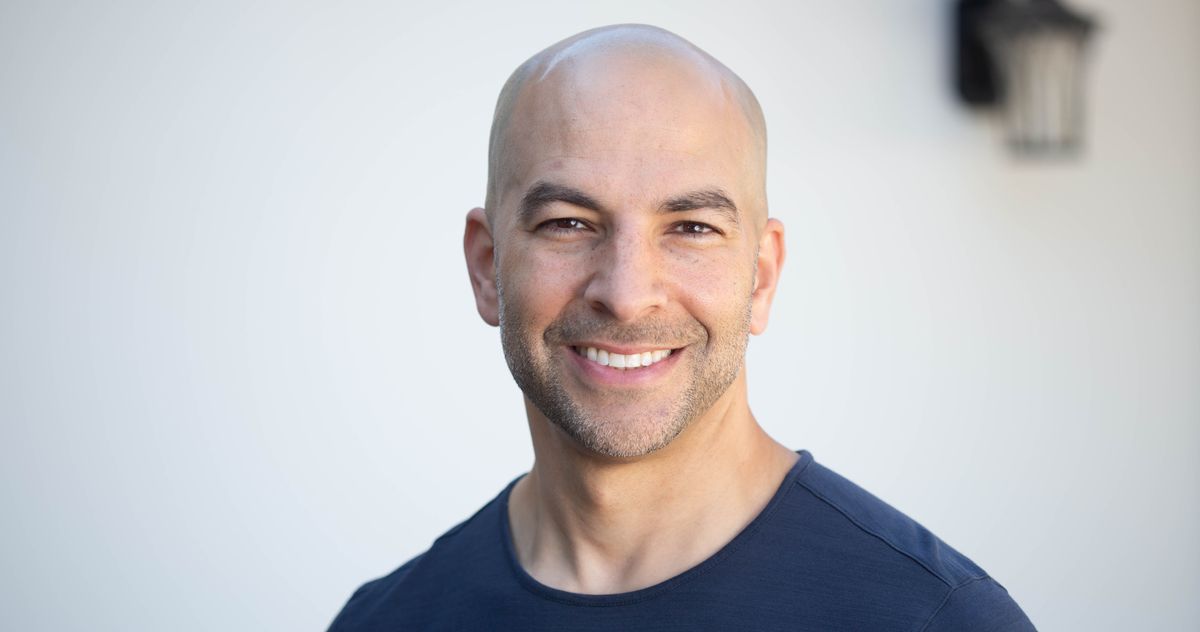
Peter Attia seems, in contrast, rather sensible. There's the fact that he went to medical school and practices as a doctor. His work has popularized the term healthspan-the years of one's life when physical and mental abilities are still sharp, before disability or disease settles in-and the goal to maximize this period.
As you age, your body gets less efficient at repair and recovery, as your: Immune system gradually loses some of its resilience Digestion slows Chances of chronic conditions like heart disease, type 2 diabetes, and osteoporosis increase Retirement can also impact your health in complex ways. While stepping away from work often reduces stress, it may lead to less physical activity and fewer social interactions-both of which can raise your health risks.
We are all going to die. No one is happy about that. Today, the internet is full of claims about diets and supplements that will help us live longer. One writer suggested that there are at least 320 longevity clinics operating around the world; some charge $100,000 or more annually for access to their magic elixirs. Unfortunately, the search for a formula that can prevent death, or delay it for a very long time, has a long history of failures.
Even though you're working out hard, you're just not seeing loss of fat and increase in muscle. Based on his own research and experience, TRT can be almost as significant for middle-aged people as eating protein-rich whole foods or moving enough throughout the day, as testosterone starts declining for most people in their 30s, with more notable symptoms appearing around their 40s or 50s.
"As we get older, the immune system is shifting away from good inflammation," which is the body's short-term, acute response to fend off injury or infection and promote healing, explains Dr. Thomas Marron, one of the researchers leading the new study. Marron directs early phase clinical trials at The Tisch Cancer Institute at the Icahn School of Medicine at Mount Sinai.
It got me thinking. While everyone's obsessing over the latest fitness trends and biohacking protocols, these folks have been consistently moving their bodies for decades. No fancy equipment, no Instagram-worthy routines, just simple habits they picked up long before movement became a multibillion-dollar industry. So I started asking around, digging into research, and talking to people who've stayed active well into their golden years. What I found wasn't revolutionary or complicated. It was refreshingly simple.
"I can't tell you how many times I've had patients who have had so much trouble losing weight complain to me that their friends can eat whatever they want and never put weight on," Perlman, an integrative and functional medicine doctor and former chief medical officer for Mayo Clinic's integrative medicine program, told Business Insider. It's also one of the biggest misconceptions he hears about metabolic health.
January might be coming to a close, but the focus on wellness doesn't have to die with it. If anything, it's a good time to check in with those 2026 goals and see what you want to prioritise for the rest of the year. To that end, we've gathered some of the best deals we've seen in the past few weeks that will help you tick off every good intention you set this month.
When we say we want to lose weight, we typically mean shedding fat but not muscle. Muscle helps us to look "toned" and supports our metabolism. To lose fat without losing muscle, eat enough protein and strength train regularly, two top trainers said. If you want to lose fat without losing muscle, there are three things you need to know.