Boston
fromBoston.com
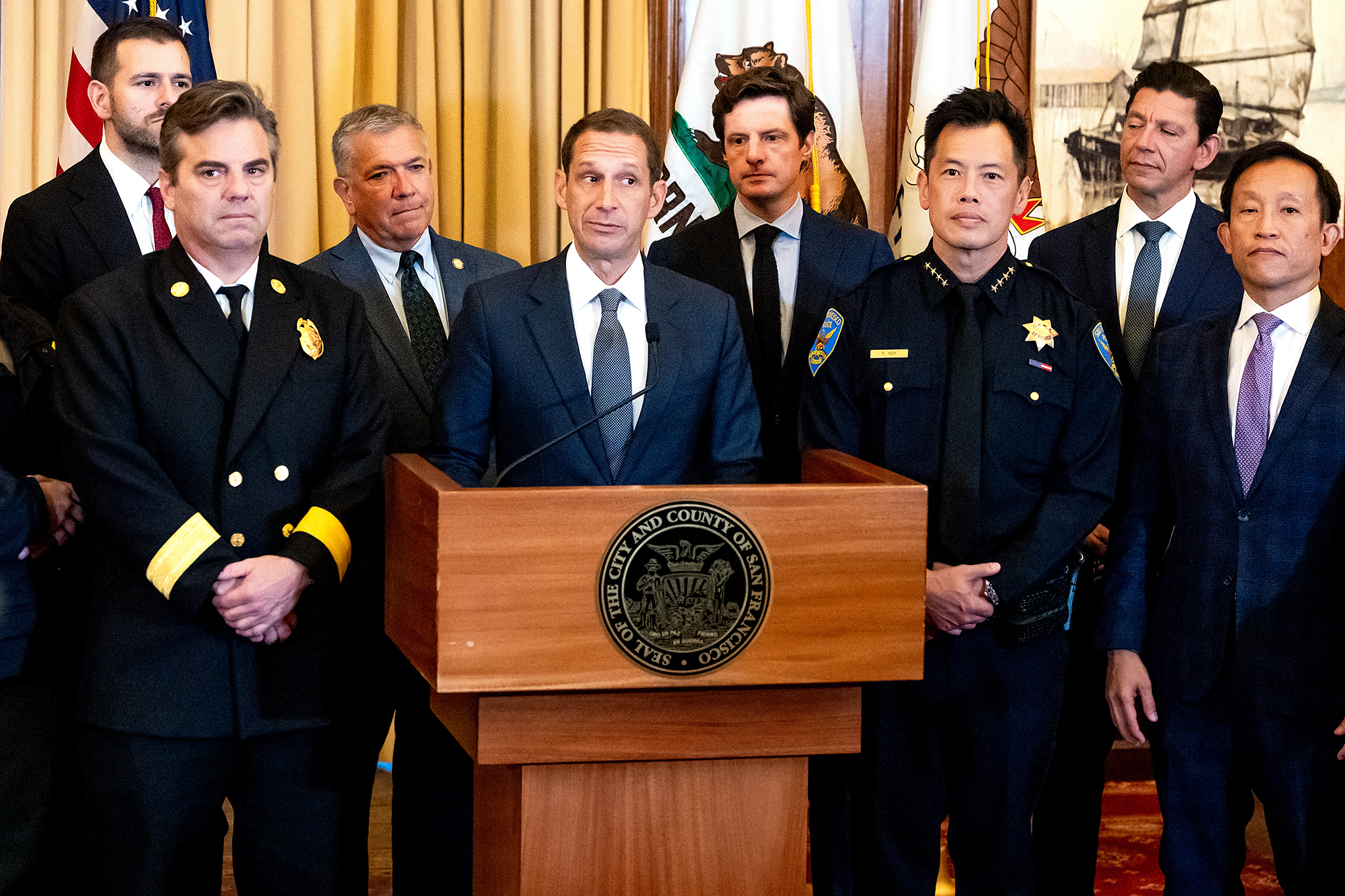
4 hours agoWu releases $4.9 billion budget proposal amid 'difficult moment' for city's finances
Boston's proposed budget for fiscal year 2027 is $4.9 billion with a 2.1% spending increase, the smallest since 2009.
Missouri is the most populous state without a statewide active transportation plan, despite nearly one-third of its residents lacking a driver's license and alarming fatality rates among vulnerable road users.
We knew it was going to be a pretty major endeavor. We've got 93 years of precedent in front of us, behind us, around us at all times on the conversation around an income tax. Washington state was originally built on an agrarian and timbered economy. We still have a tax code based on apples and cherries while building some global-leading technology every which way you throw a rock.
These cuts threaten shovel-ready projects, major employers, and rural and urban communities across the state. And they come at a time when [Oregon] arts funding is already among the lowest in the nation. Legislators had been considering cutting nearly $900,000 in arts and culture funding when the session started on Feb. 2.
We can find a middle ground. PSU could reduce the size of its planned theater to between 800 and 1,200 seats, clearing the way for the Keller to be remodeled as a mid-size 1,500 to 1,800 seat venue.
We already pay the bulk of the TriMet operating budget through (mostly employment) taxes (49%), federal operating grants (13%), state and local revenue (8%). That's a total of 70% that everybody has already paid—even folks who aren't passengers. Passenger revenue only covers 6% of the TriMet budget.
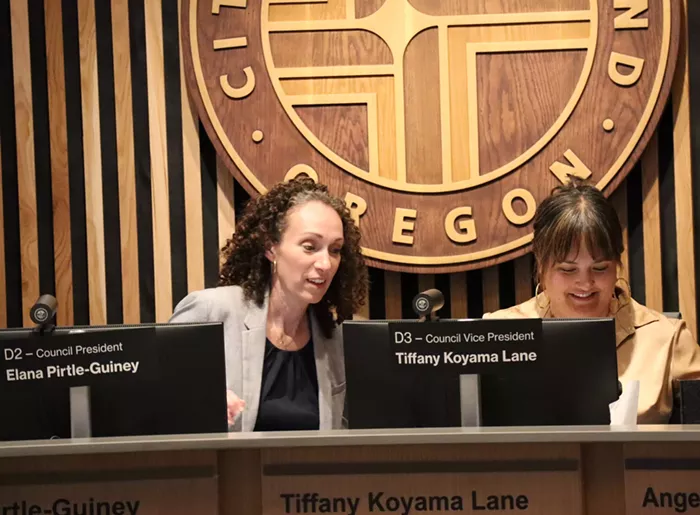
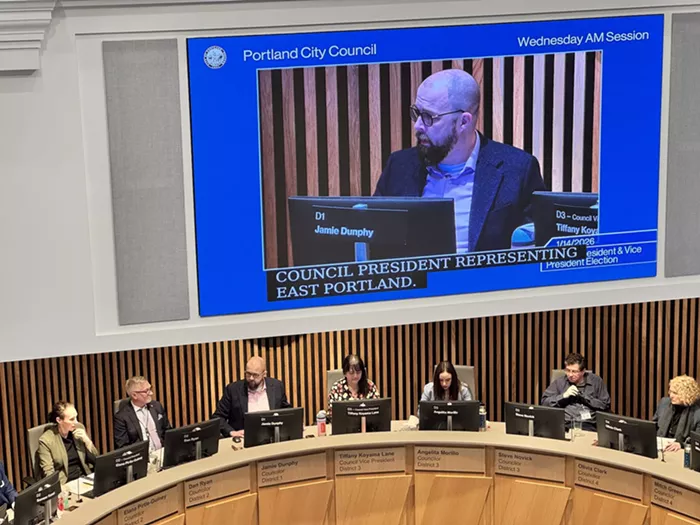
Portland's transition to a new form of government last January brought new practices and procedures for the City Council. Among the largest changes, impacting both the Council and members of the public, was the introduction of eight policy committees. The committees, which considered topics including transportation, climate, finance, homelessness, and public safety, were intended to provide a focused venue for councilors to introduce legislation and hold conversations on specific topics, as well as to hear public testimony.
Industry NewsOn January 26, a bipartisan coalition of Oregon lawmakers introduced Senate Bill 1593, also known as the Oregon Recreation Commerce and Affordability Act of 2026 (ORCA), for consideration in the upcoming legislative session, which begins on February 2. "Oregon is facing an affordability crisis in recreation and health and fitness," Senator Mark Meek (D-Oregon City) said in a press release. "Prices are rising, businesses are closing, insurers are leaving-and Oregon
The day after Whitelaw testified, the state economist said that Oregon now has about $300 million more to spend than previously expected. The new revenue forecast does not mean the budget is in the black, however. There are new demands for the available dollars, including $600 million in upgrades to the Moda Center to retain the Portland Trail Blazers, a recently announced $50 million shortfall in Portland Public School funding,
"in a deficit every year ... if we continue on the same trends that we have been in the last two or three years," said Kara Flath, Lane's vice president of finance and operations.
As part of the One Big Beautiful Bill Act (OBBBA), signed into law by the Trump administration on July 4, 2025, a so-called " senior deduction " is being hailed as a historic tax benefit. For the roughly 800,000 seniors in the Beaver State, this relief comes at a critical time as housing and utility costs continue to climb. While Social Security remains federally taxable, this new deduction is designed to effectively offset those taxable portions for the vast majority of recipients.
The U.S. House of Representatives passed a Fiscal Year 2026 ominibus appropriations bill by a vote of 397 to 28 on Jan. 8 that included $207 million each for the NEA and NEH. It includes funding for multiple other federal agencies, too, including the Department of Commerce, the Department of Justice, and the Department of the Interior. The bill now moves to the U.S. Senate, which is expected to take up the legislation during the week of Jan. 12-16.
The Portland Housing Bureau has found additional unspent dollars in its coffers, adding to the previous $21 million it found through an audit last year. It is unclear exactly how much money is in the fund, but Council President Jamie Dunphy called councilors over the weekend to tell them they would soon learn of the specifics of what was found in the Housing Investment Fund. He told the Mercury February 2 that he did not yet know how much total funding was available.