#non-crime-hate-incidents
#non-crime-hate-incidents
[ follow ]



#metropolitan-police
LGBT
fromLondon Business News | Londonlovesbusiness.com
1 month agoMet Police to scrap non-crime hate incident investigations in five months - London Business News | Londonlovesbusiness.com
The Metropolitan Police will stop investigating non-crime hate incidents to focus on criminal activities and improve resource allocation.
LGBT
fromLondon Business News | Londonlovesbusiness.com
1 month agoMet Police to scrap non-crime hate incident investigations in five months - London Business News | Londonlovesbusiness.com
The Metropolitan Police will stop investigating non-crime hate incidents to focus on criminal activities and improve resource allocation.
fromwww.independent.co.uk
4 months agoNon-crime hate incidents should be scrapped, police leaders say
Non-crime hate incidents (NCHIs) should be scrapped as they are no longer fit for purpose, police leaders will recommend to the home secretary. The National Police Chiefs' Council (NPCC) and College of Policing will publish a review into public order and hate crime laws next month, in which they will call for NCHIs to be replaced with a new common sense system, as reported by The Telegraph.
UK politics
fromwww.theguardian.com
4 months agoNon-crime hate incident recording system for police not fit for purpose' UK politics live
Good morning. With Christmas just two days away, the Westminster tap of news, which normally gushes strongly, is down to a dribble. There is not much on the government's grid today, apart from an announcement about a plan to ensure young people leaving care in England will receive free prescriptions, and dental and eye services up to their 25th birthday, which we've written up here and also confirmation that some former mineworkers are getting a 100-a-week boost to their pensions as a result of a change to the British Coal Staff Superannuation Scheme announced in the budget.
UK politics
fromwww.theguardian.com
6 months agoIt's the job of the police to make people feel safe. Instead, Scotland Yard has caved in to the culture warriors | Danny Stone
The Metropolitan police has been lauded in some quarters for deciding that it will no longer investigate so-called non-crime hate incidents, in order to allow officers to focus on matters that meet the threshold for criminal investigations. Against the context of headlines describing the Met as the thought police, something was bound to give. Goodbye and good riddance to non-crime' was one joyful take in the Spectator.
UK politics
fromIrish Independent
6 months agoFather Ted creator to face 'no further action' after arrest on suspicion of inciting violence over posts about trans issues
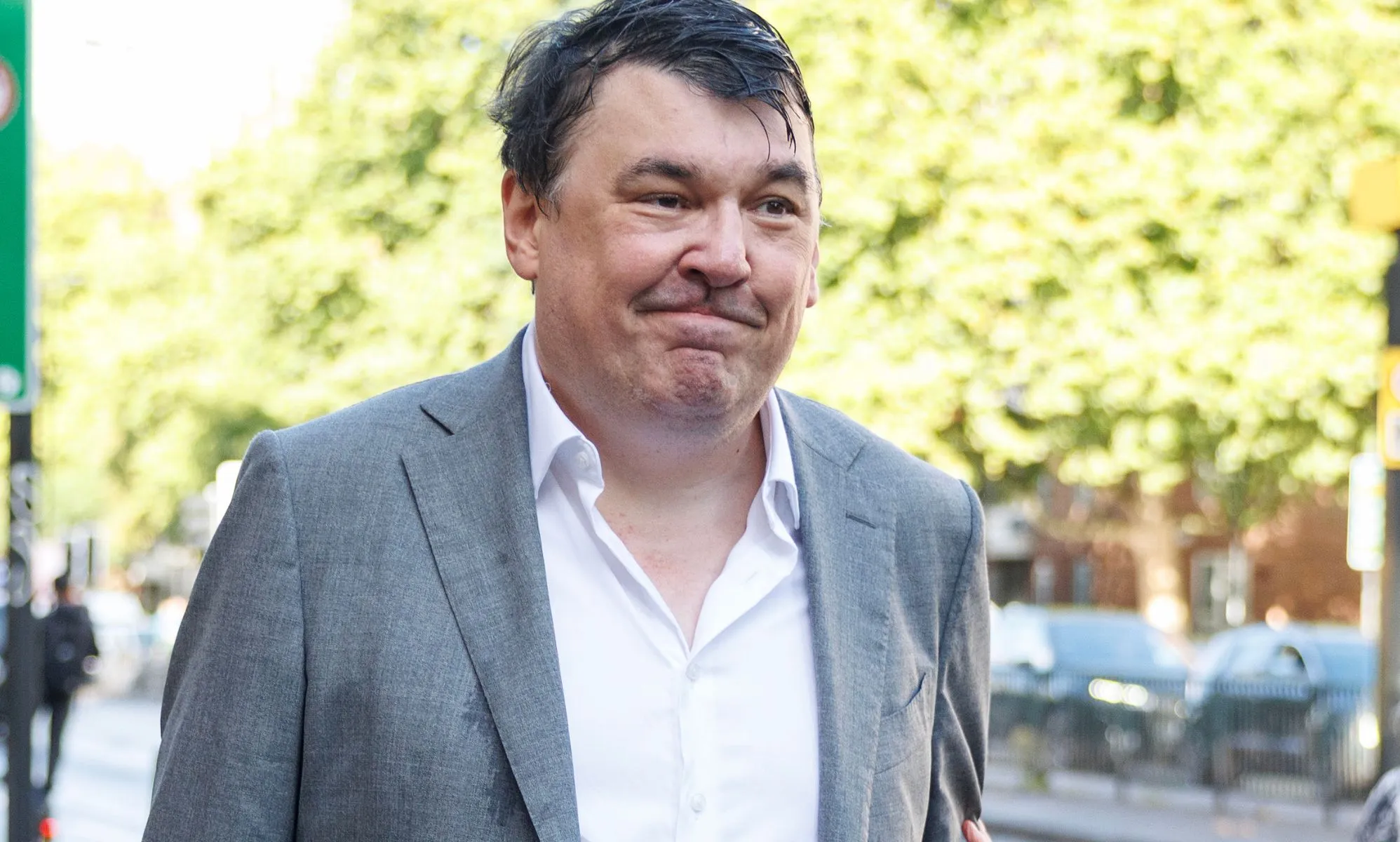
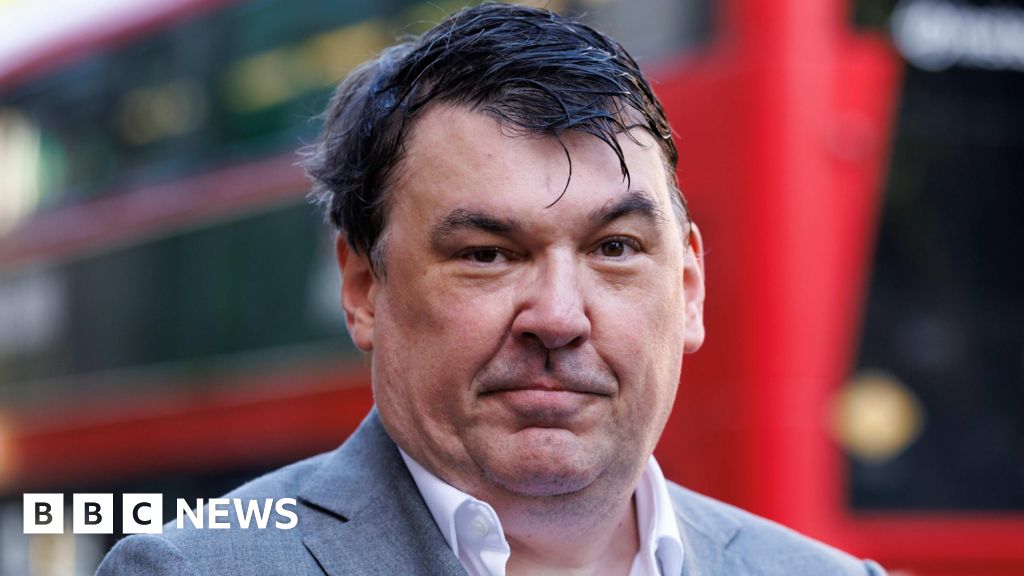
We understand the concern around this case. The commissioner has been clear he doesn't believe officers should be policing toxic culture war debates, with current laws and rules on inciting violence online leaving them in an impossible position. As a result, the Met will no longer investigate non-crime hate incidents. We believe this will provide clearer direction for officers, reduce ambiguity and enable them to focus on matters that meet the threshold for criminal investigations.
UK politics
UK news
fromLondon Business News | Londonlovesbusiness.com
8 months agoWatchdog says Police are 'getting it wrong' with freedom of speech arrests - London Business News | Londonlovesbusiness.com
Police forces are over-recording non-crime hate incidents, causing unnecessary interventions and prompting calls to abolish such logging to protect freedom of speech.
fromwww.theguardian.com
8 months agoDon't log non-crime hate incidents, says head of police watchdog
Non-crime hate incidents (NCHIs) are recorded by police to help assess community tensions and try to head off trouble. Some, most vocally on the political right, see this as a threat to free speech. Cooke, who leads HM Inspectorate of Constabulary and Fire and Rescue Services, said: I'm a firm believer that non-crime hate incidents are no longer required, and that intelligence can be gathered in a different way, which would cause less concern to the public and would make recording of such issues much easier for policing.
Law
fromwww.independent.co.uk
8 months agoMet chief to propose laws preventing officers from policing tweets within weeks'
Whether it's investigating the financials of Elon Musk's pro-Trump PAC or producing our latest documentary, 'The A Word', which shines a light on the American women fighting for reproductive rights, we know how important it is to parse out the facts from the messaging. At such a critical moment in US history, we need reporters on the ground. Your donation allows us to keep sending journalists to speak to both sides of the story.
US politics
[ Load more ]