Medicine
fromThe New Yorker
18 hours agoCan Art Teach, and Should It Try?
Educational moments in medical drama can convey real constraints and knowledge without undermining storytelling.
Lea Drucker carries off the lead with terrifically competent elan; there's hardly a scene in which she is not interrupted by a call on her mobile, going into bravura walk-and-talk acting on the phone while on the street, arriving at the office or getting into or out of her car. She plays Gabrielle, a brilliant surgeon what other sort is there in the movies? who specialises in maxillofacial reconstruction. Gabrielle is battling budget cuts, scolding her idle interns, doing outstanding work and is heavily reliant on her assistant Kamyar (Laurent Capelluto).
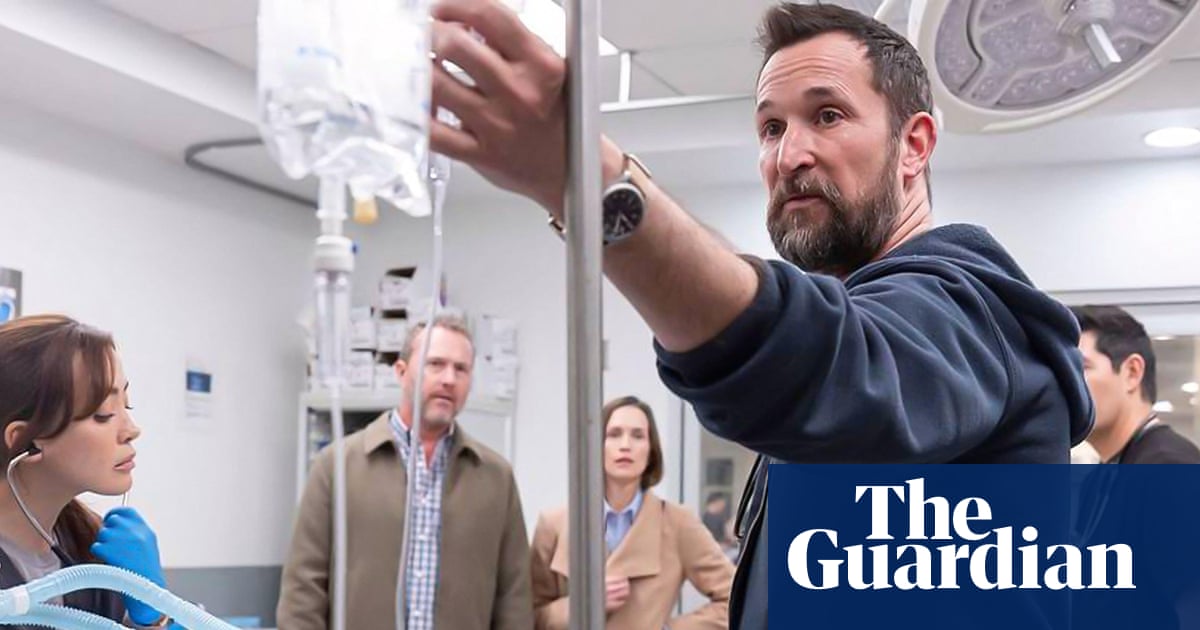
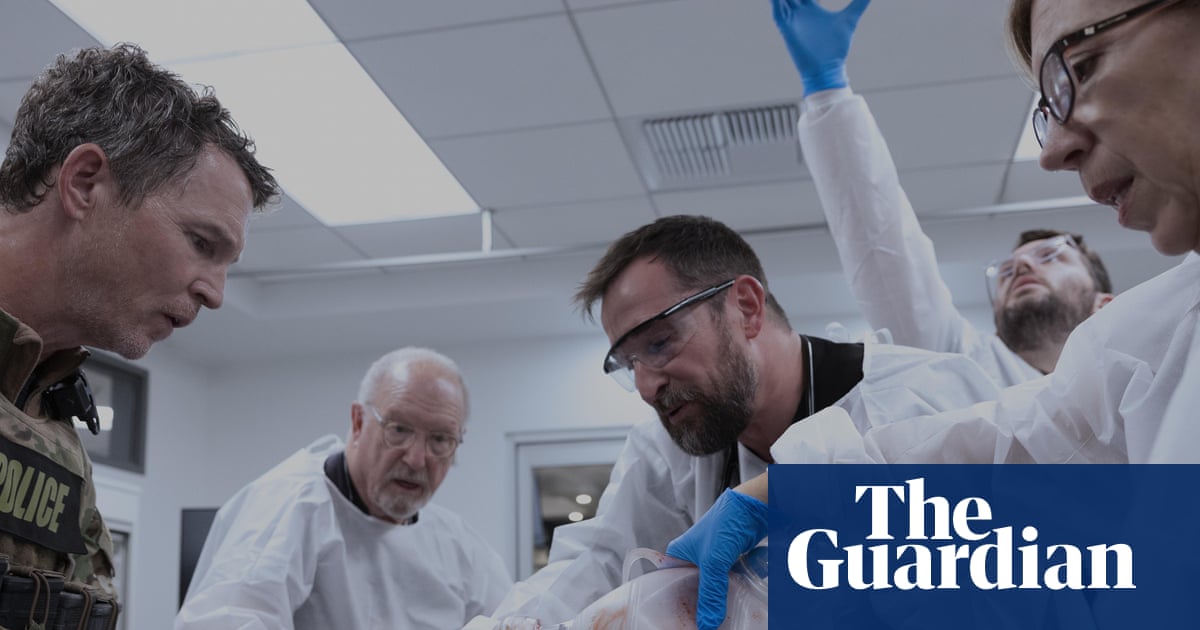
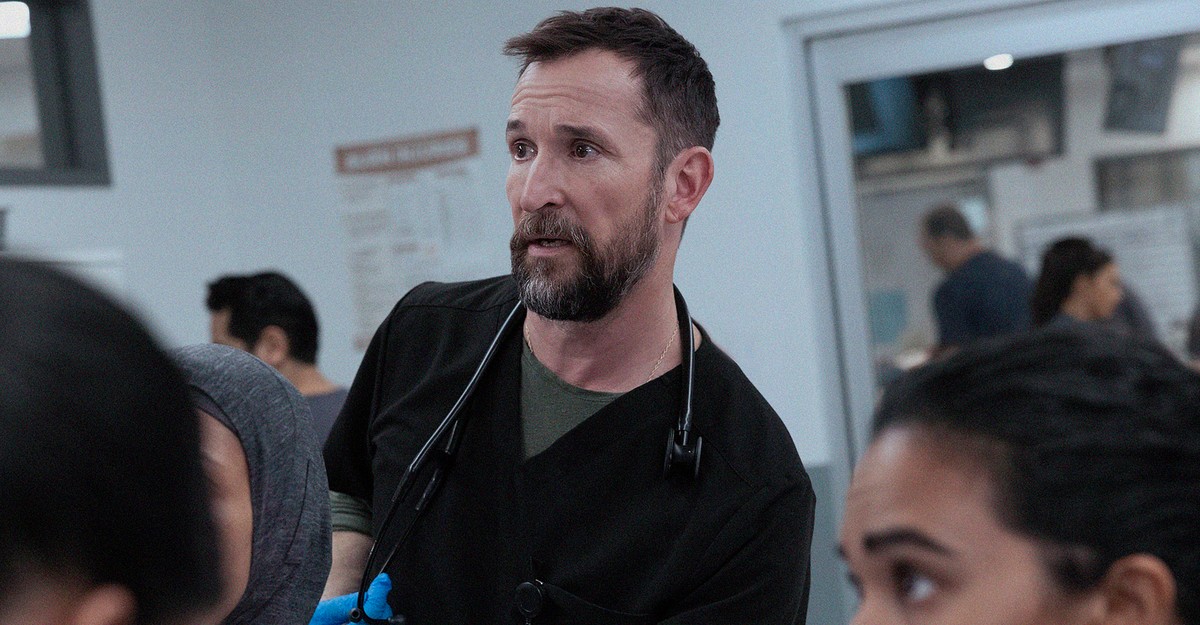
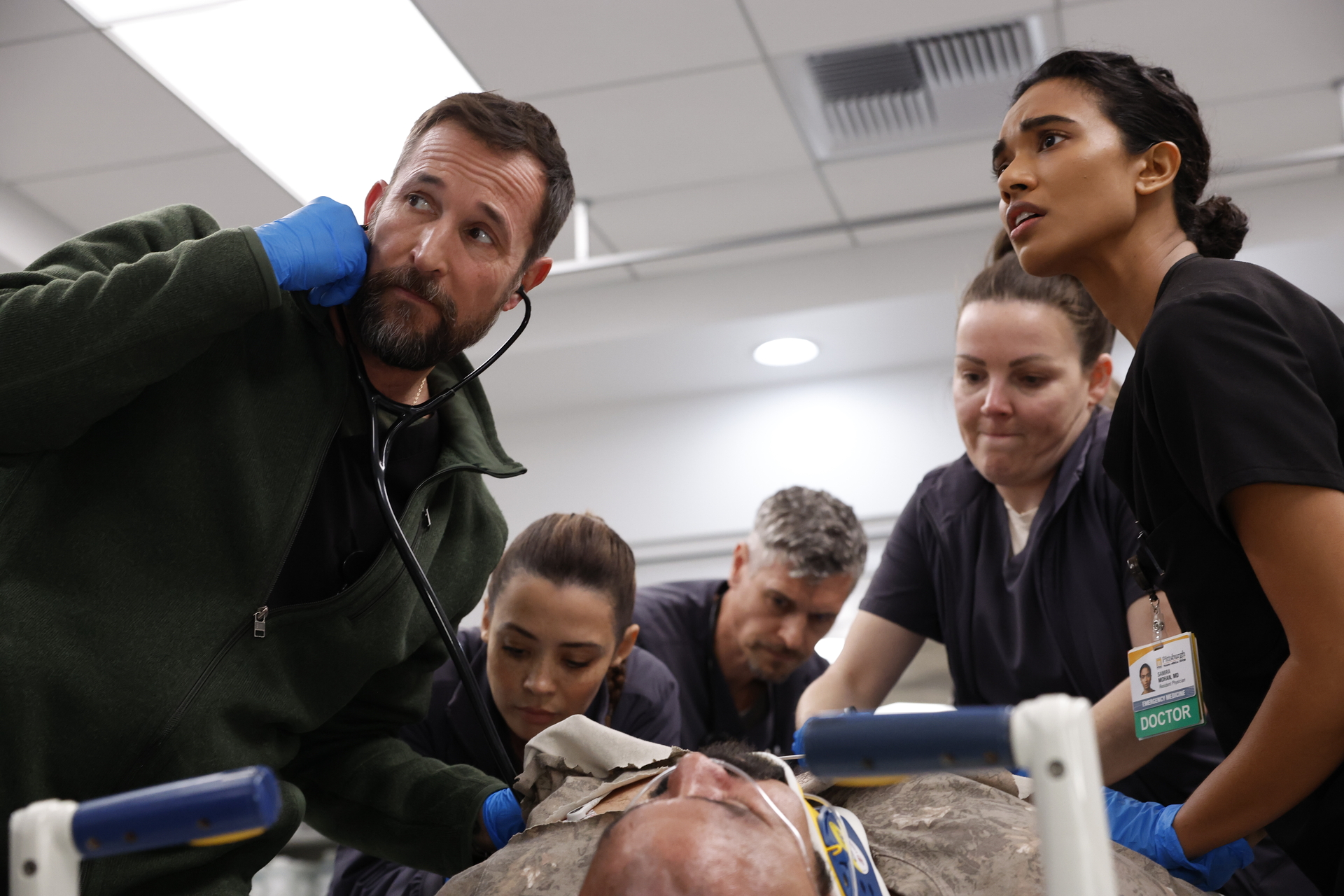
The Pitt is set in almost real time over a single shift in the overstretched emergency department of a busy Pittsburgh hospital, showcasing the chaos and urgency faced by healthcare professionals.
The panic attack was a surprise to me. But then I was like, 'Why would we ever know a panic attack is coming?' I leaned into the unexpectedness of it. I have had my own experience with it in the past, and I was having, weirdly, imposter syndrome about my panic attack. Did I even really experience it? I was looking up symptoms, and I was like, Oh no, I did.
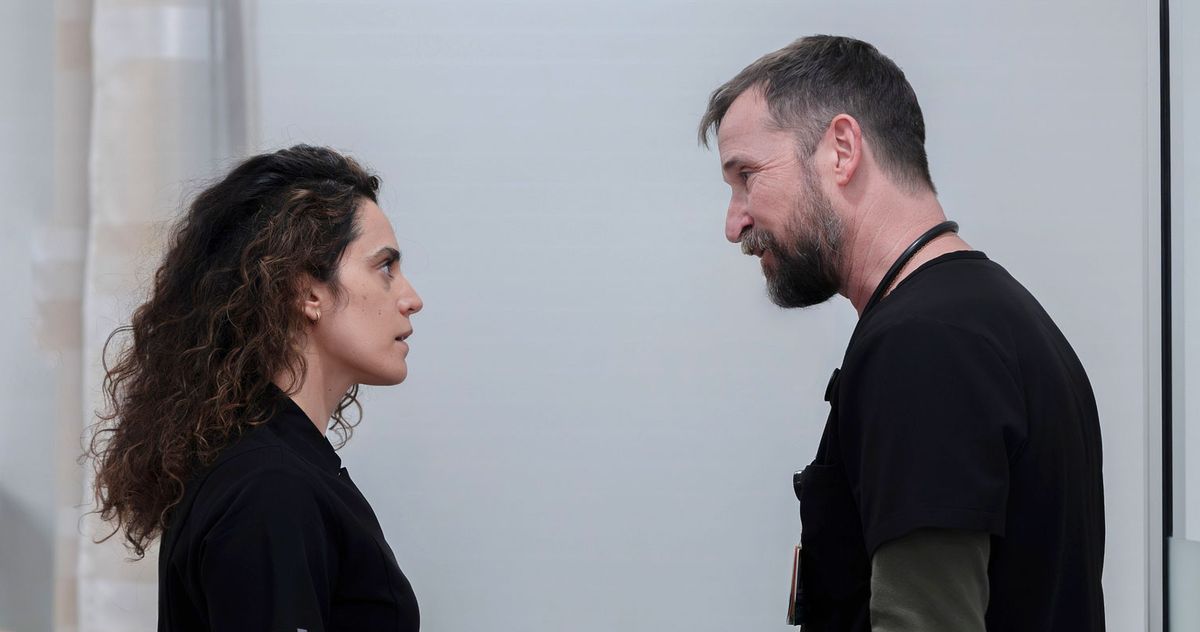
The Pitt follows a melange of hospital workers—the doctors, nurses, social workers, security and administrative staff of a cash-strapped emergency room in Pittsburgh—as they deal with everything from gunshot wounds to burnout, fentanyl overdoses to dreaded note-taking, with all the emotional trauma in between.
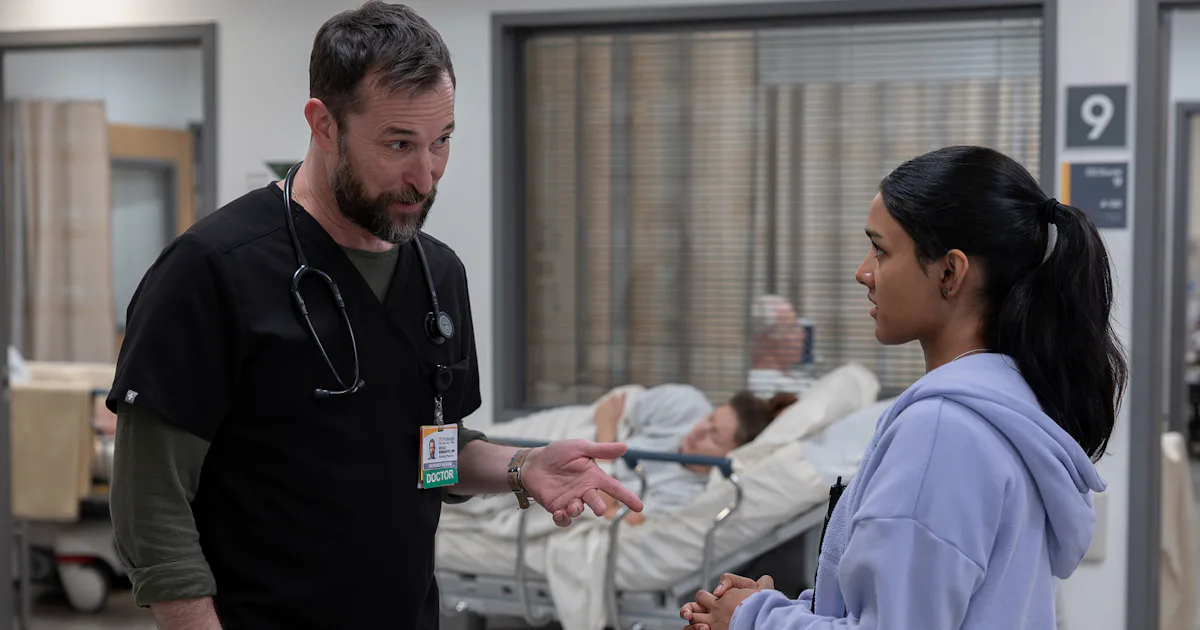
Robby and Whitaker's conversation is a rare moment of quiet vulnerability during a frantic shift that allows Gerran Howell to dig into Whitaker's feelings about his quasi-romantic relationship with the farmer's wife, his friendship with now-roommate Trinity Santos, and his growing concern about maintaining professional and personal boundaries.
From the get-go, Ross says, The Pitt's writers "were very serious about not portraying a stereotypical situation" regarding autism. "That was in the original request that was posed to me," she says. Her advice eventually helped shape fan-favorite character Dr. Mel King (played by Taylor Dearden), a bright-eyed resident new to the ER in the show's first season.
The structure of the Emmy-winning HBO Max drama The Pitt, where every episode covers a single hour in the life of a busy Pittsburgh emergency department, might suggest it's about how much can happen in 12 or 15 hours. In Season 1, that meant deaths, a mass casualty event, a doctor caught stealing pills, a charge nurse being assaulted by a patient, and a fourth-year medical student who spends the whole day being splattered over and over with things that force him to change
To me, the drama of has a lot of parallels with modern-day parenting. Sure, putting a Paw Patrol Band-Aid on your kid's scraped knee isn't exactly the same as treating a degloved foot (although judging by the screaming, you wouldn't know it). And betting on where a runaway ambulance will end up is higher stakes than betting on which child will crawl into your bed tonight.
It's not just about the procedural accuracy. It's about honoring these stories and the emotional and ethical terrain that doctors navigate every day that reflect similar terrains within us. It's kind of like an onion peel. The more you pull back, the more there is, and the more it moves you.
In season two of "The Pitt," the Emmy-winning drama that returned to HBO Max on Thursday, a middle-aged man named Orlando Diaz wakes up in the Pittsburgh Trauma Medical Center. His wife and daughter are at his side; a cannula is delivering oxygen into his nose. "How'd I get here?" he asks softly.
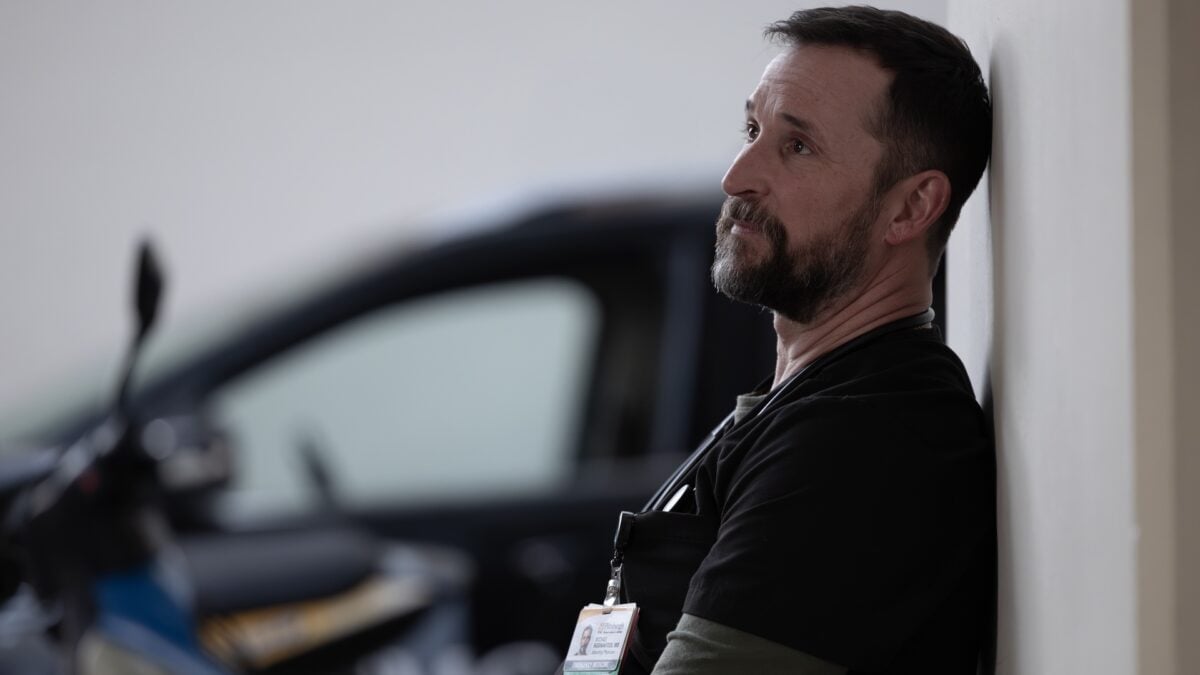
This show is really fucking good. I've watched the season 2 premiere three times now, and the only thought I keep coming back to is that The Pitt is still exceptional TV. Between star Noah Wyle, creator R. Scott Gemmill, and executive producer John Wells (ER, people)not to mention the legion of veteran actors who pace the halls of PTMCyou feel every damn bit of television-making experience at work.
When arriving paramedics ask Eitan for his details, he declines to give his real name, instead giving them the name of his work supervisor and nemesis, Douglas Moran. Eitan is a hard-partying consultant rheumatologist who has just returned to work after several months off following a mental health crisis, and who uses liquid cocaine secreted into a nasal inhaler to get through the working day.