#media-planning
#media-planning
[ follow ]
#advertising #retail-media #consumer-behavior #agentic-ai #podcast-advertising #ai #programmatic-advertising





fromExchangewire
2 months agoAzerion's New Mind Map Delivers Ads When Consumers are in Most Receptive Mindset - ExchangeWire.com
Mind Map is a new media planning tool that enables advertisers to target audiences when they are most likely to engage. Created by omnichannel advertising platformAzerion, it is based on understanding how people feel and what they are doing when exposed to media on different channels, so that campaigns can be designed to reach them when they are most cognitively and emotionally receptive.
Marketing tech
fromThe Drum
2 months agoMeet the Media Minds: Hearts and Science's Garrett O'Reilly on uncharted metaverse
Early on in my own career, I was lucky enough to spend some time with Nick Kendall when he was head of planning at BBH and running the IPA Excellence Diploma. He gave some very simple advice that I didn't fully appreciate at the time. He said, 'no matter what, keep going.' Only all these years later do I realize how good his advice was, so I'm passing it on.
Media industry
Marketing tech
fromAdExchanger
3 months agoAdExchanger Launches Programmatic AI, Expanding Its Leadership In Intelligent Media | AdExchanger
AdExchanger launches Programmatic AI May 18-20, 2026 in Las Vegas to advance practical, measurable AI-driven transformation across programmatic media and advertising.


fromThe Drum
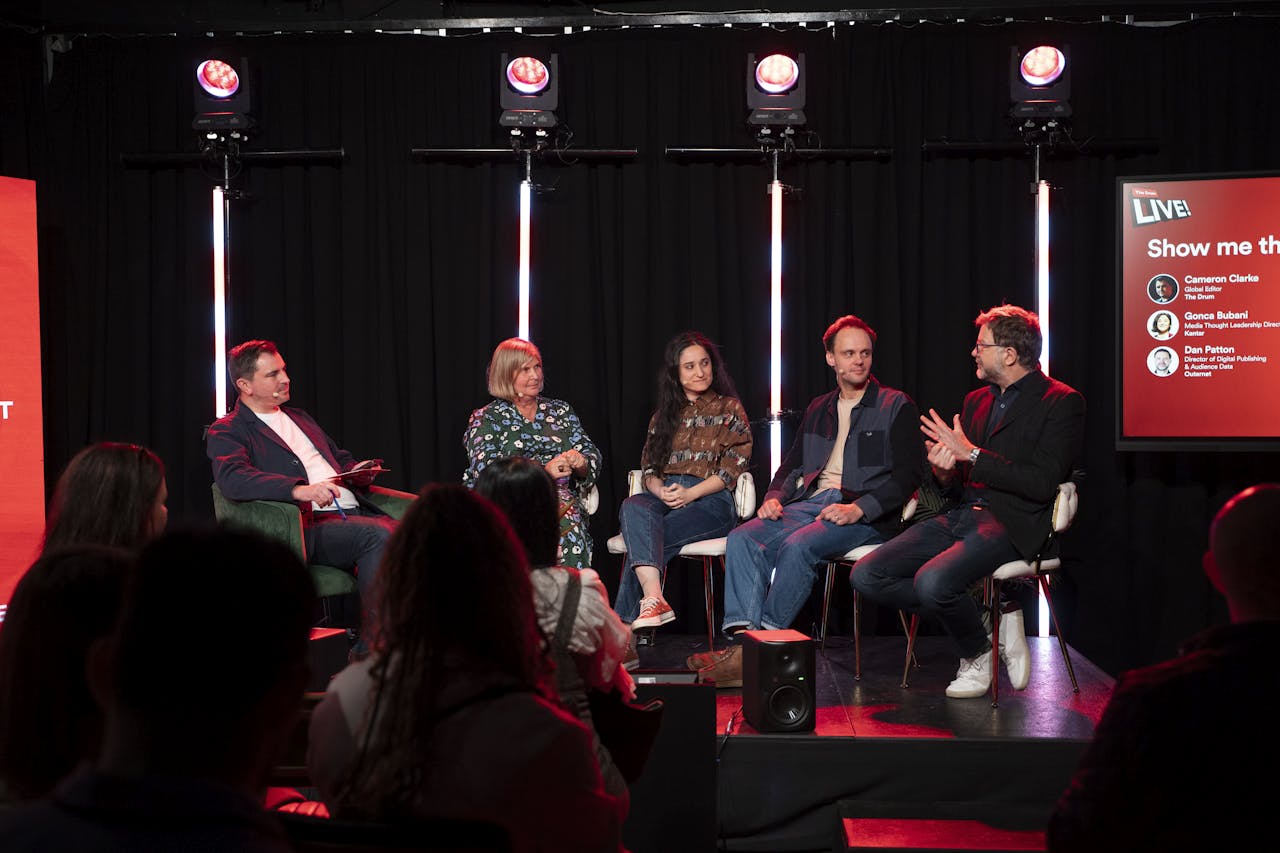
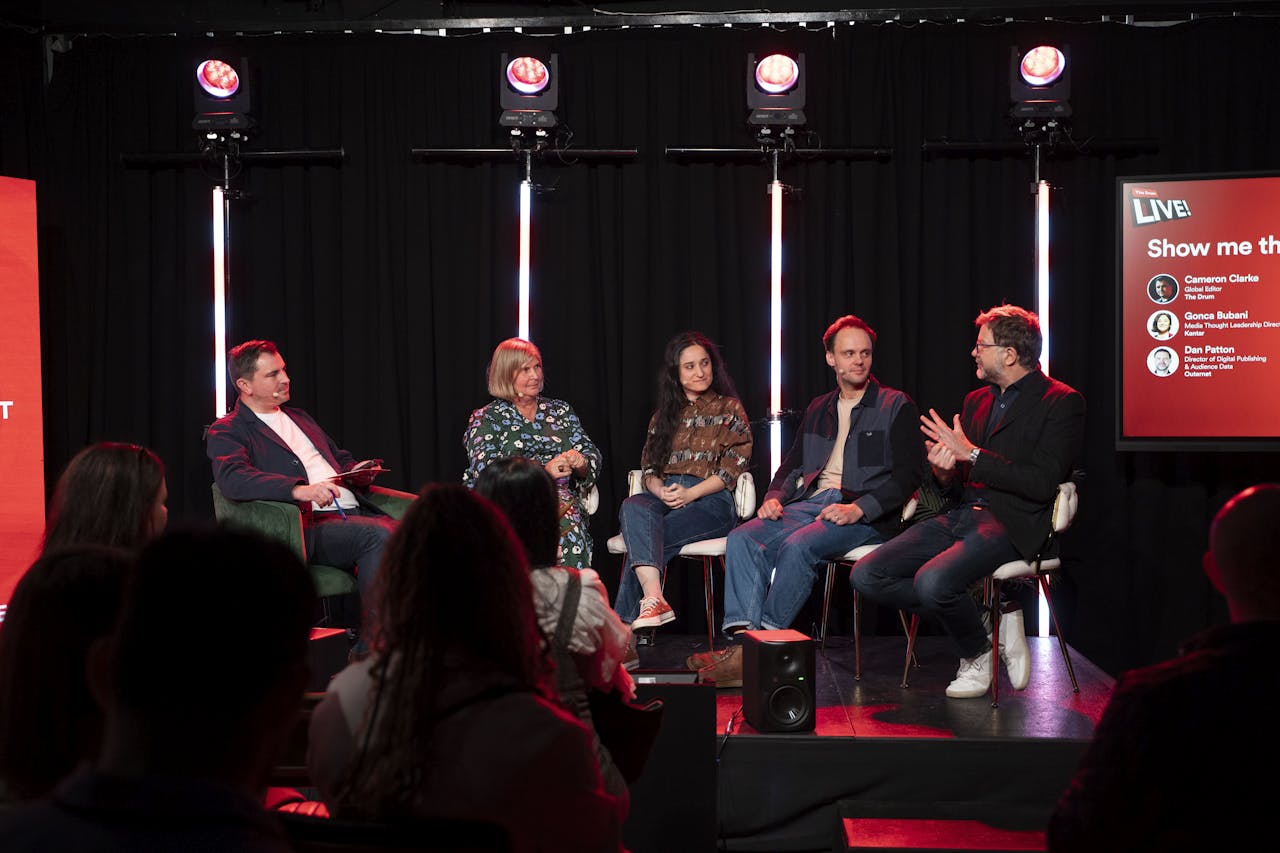
5 months agoBursting the marketer-think bubble: your audience isn't you (and other '26 planning truths)
Kantar's latest media data is a wake-up call for marketers: they are not their audience. As 2026 planning kicks in, it's time to burst the think bubble, spot the gaps, and seize opportunities to better connect with consumers. Consumers are not marketers. Again: consumers are not marketers. Why repeat? Because findings from annual global ad equity study suggest marketers need to be reminded not to conflate their own experiences with consumer truths.
Marketing
Marketing tech
fromThe Drum
6 months agoThis former Dentsu exec's 'bloody obvious' bets are shaking up Albertsons Media Collective
Brian Monahan will transform Albertsons Media Collective by applying media-planner insight, startup energy, and innovative Buy-One-Get-One-style enterprise ad-matching to scale retail media.
Social media marketing
fromSocial Media Today
7 months agoPinterest Adds New Elements to its Pinterest Academy Education Platform
Earn the Pinterest Media Planner Certification to validate media planning expertise, audience insight skills, campaign optimization and measurement ability, and to differentiate professionally.
fromExchangewire
7 months agoSmarter Audiences: Closing the Gap Between Definitions & Real Behaviour
Audience planning has long relied on segmentation. It's how we bring structure to the chaos - turning abstract brand personas into something targetable and measurable. But the way we define audiences hasn't kept pace with the way people actually behave. Today's media environment is fragmented, fast-moving, and deeply personal. People don't consume content in neat, linear ways. They're scrolling, streaming, skipping, switching. And yet, much of our audience strategy is still based on static, retrospective data: a collection of pre-built segments, often designed for another time, place, or platform.
Marketing tech
#advertising


fromThe Drum
11 months agoMedia industry
Media is in need of a massive shake-up
Traditional advertising methods are outdated and need modernization.
Human expertise is vital to understand consumer behavior in a complex market.
The evolution of content consumption necessitates an evolution in advertising strategies.
Media industry
fromThe Drum
11 months agoMedia is in need of a massive shake-up
Traditional advertising methods are outdated and need modernization.
Human expertise is vital to understand consumer behavior in a complex market.
The evolution of content consumption necessitates an evolution in advertising strategies.

fromwww.exchangewire.com
10 months agoLightBox TV & Starcount Partner to Bring Emotional Intelligence to Total TV Planning
LightBoxTV and Starcount's partnership combines advanced audience insights with TV planning, ensuring emotionally relevant media strategies that align with consumer values.
Marketing tech
Marketing tech
fromMarketing Dive
11 months agoEdo extends data interoperability for TV outcomes measurement
Edo's new tool enhances media planning by optimizing audience engagement data across platforms.
Advertisers can leverage predictive outcomes to improve ad-driven engagement significantly.
Interoperability is crucial for marketing data in the evolving media landscape.
[ Load more ]