#joachim-trier
#joachim-trier
[ follow ]
#film #norwegian-cinema #berlinale #art #documentary #grief #christian-petzold #miroirs-no-3 #drama #werner-herzog




fromInverse
3 days ago'Mother Mary' Ending Explained: Director David Lowery Reveals Whether The [SPOILER] Is Real
The first half of the movie plays out as an intimate chamber piece between Mary and Sam, the two of them rehashing long-buried grudges and betrayals, as we get occasional flashes to Mary's extravagant concert performances.
Film
Berlin music
fromwww.theguardian.com
5 days agoMiroirs No 3 review Christian Petzold's elegantly unnerving mystery of grief and family dysfunction
Christian Petzold's film explores family dysfunction and grief, focusing on a pianist's survival after a traumatic car crash and her connection with a mysterious woman.
fromOregon ArtsWatch * Arts & Culture News
2 weeks agoFilmWatch Weekly: Camus' 'The Stranger' on screen, Christian Petzold's 'Miroirs No. 3,' and more * Oregon ArtsWatch
François Ozon's adaptation of The Stranger, while visually stunning, reveals the limitations of cinema in depicting the complex inner states of consciousness that Camus masterfully crafted in his text.
Writing
#werner-herzog

Berlin
fromBusiness Insider
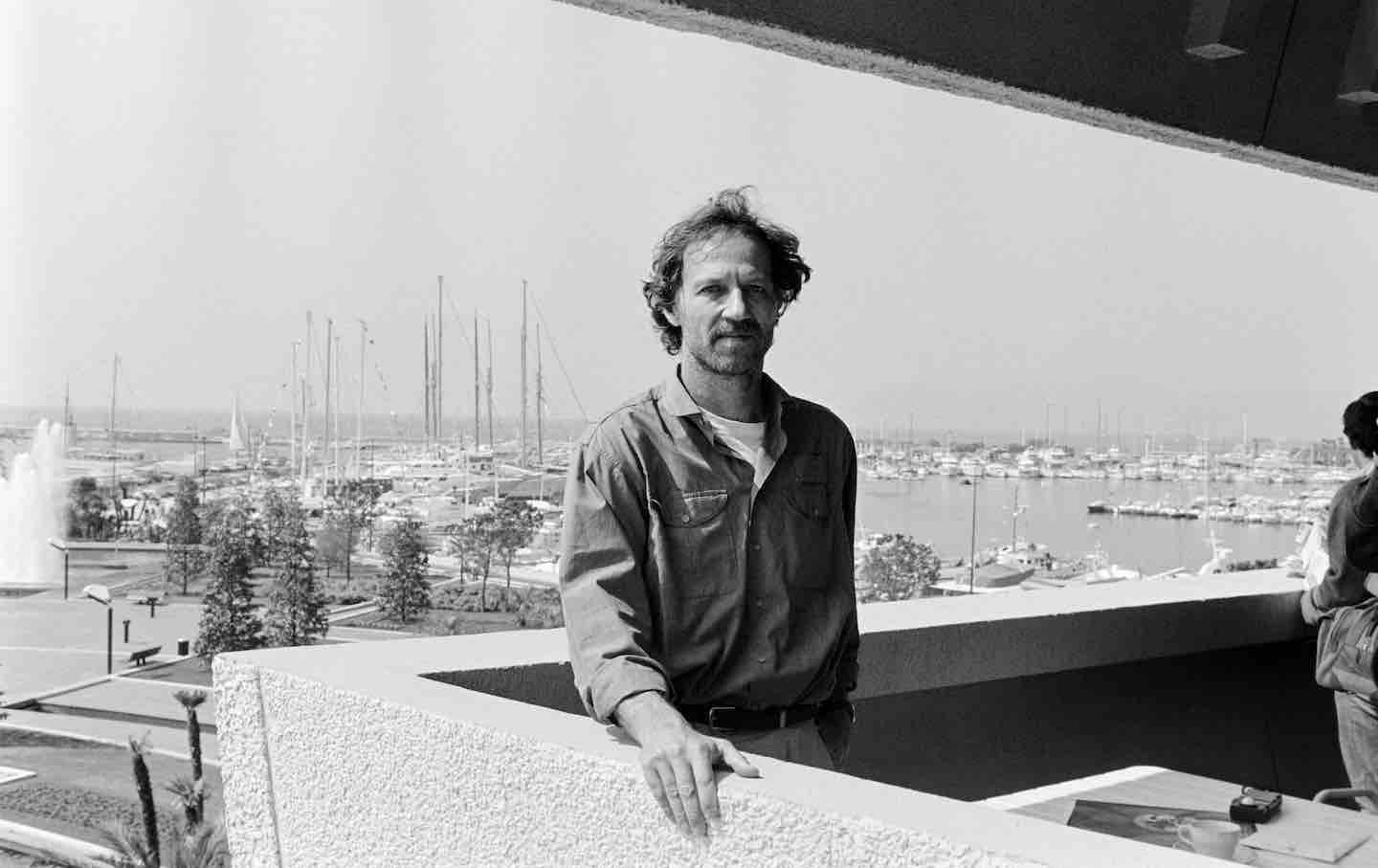
1 month agoWerner Herzog says he refuses to work 'a single hour' of overtime
Werner Herzog's childhood poverty and isolation in rural Bavaria without modern amenities sparked his imagination, leading him to become a prolific filmmaker with over 70 credits who explores eccentric individuals pursuing extraordinary dreams.
fromwww.npr.org
2 weeks agoThis fringe actor finds the spotlight in Israel's most provocative film post-Oct. 7
In the film, Bronz's character is commissioned to compose a new national anthem for post-Oct. 7 Israel, and writes a warmongering ballad about destroying Gaza and 'love sanctified in blood.'
Independent films
Film
fromOregon ArtsWatch * Arts & Culture News
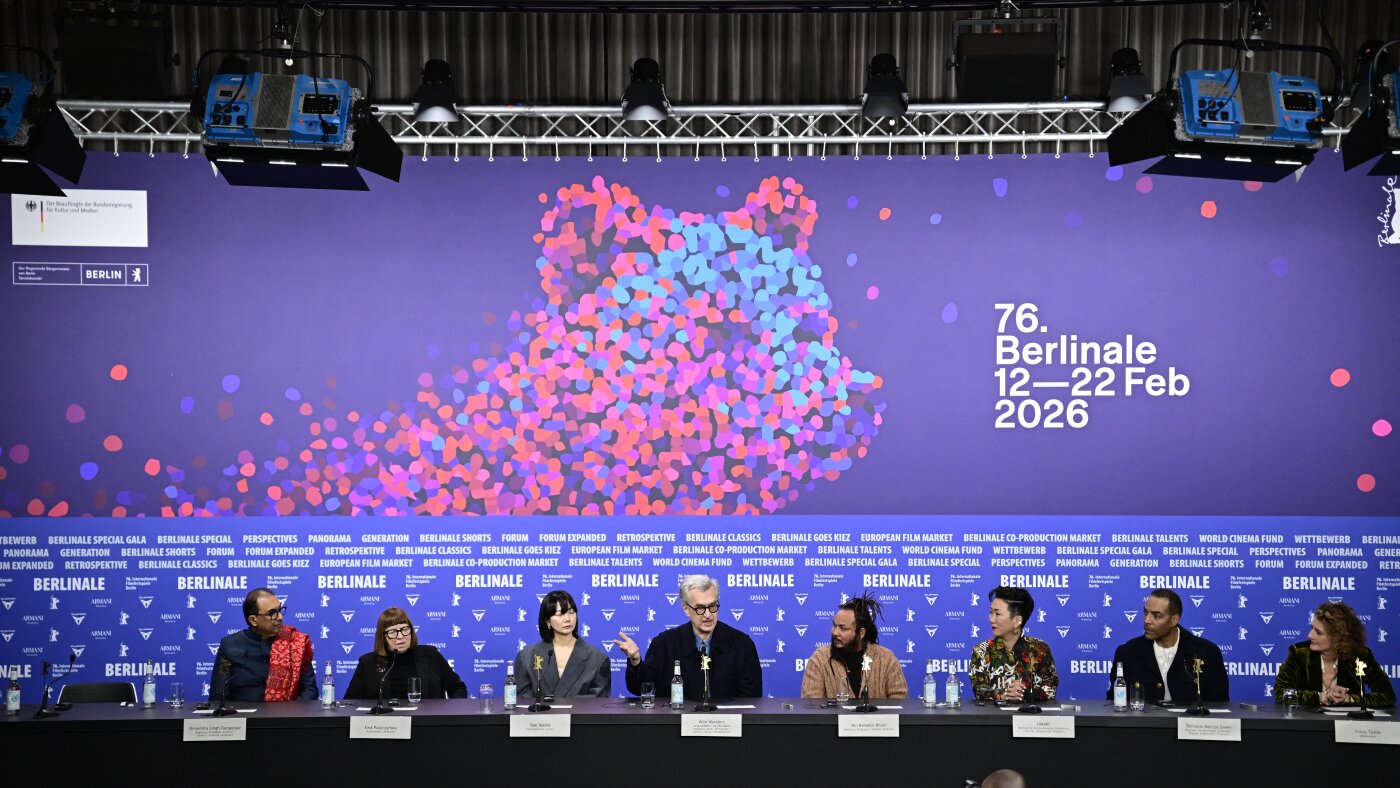
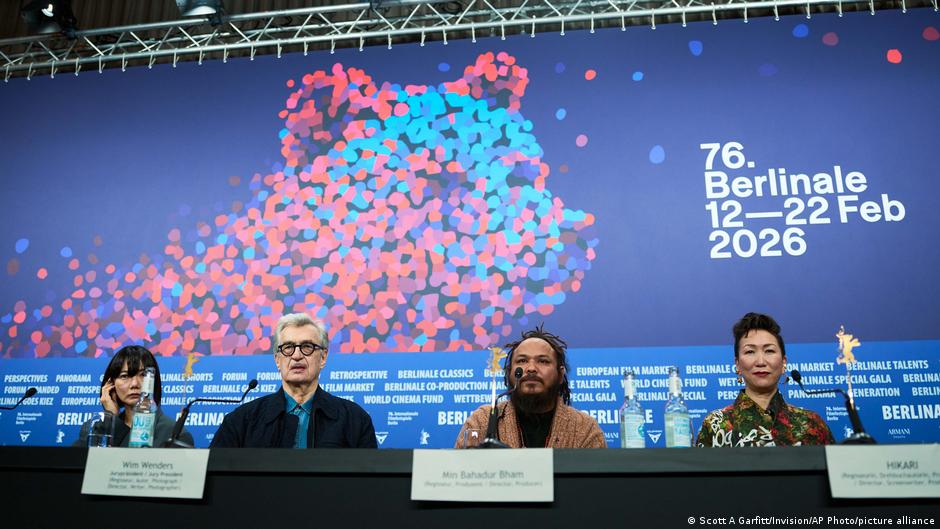
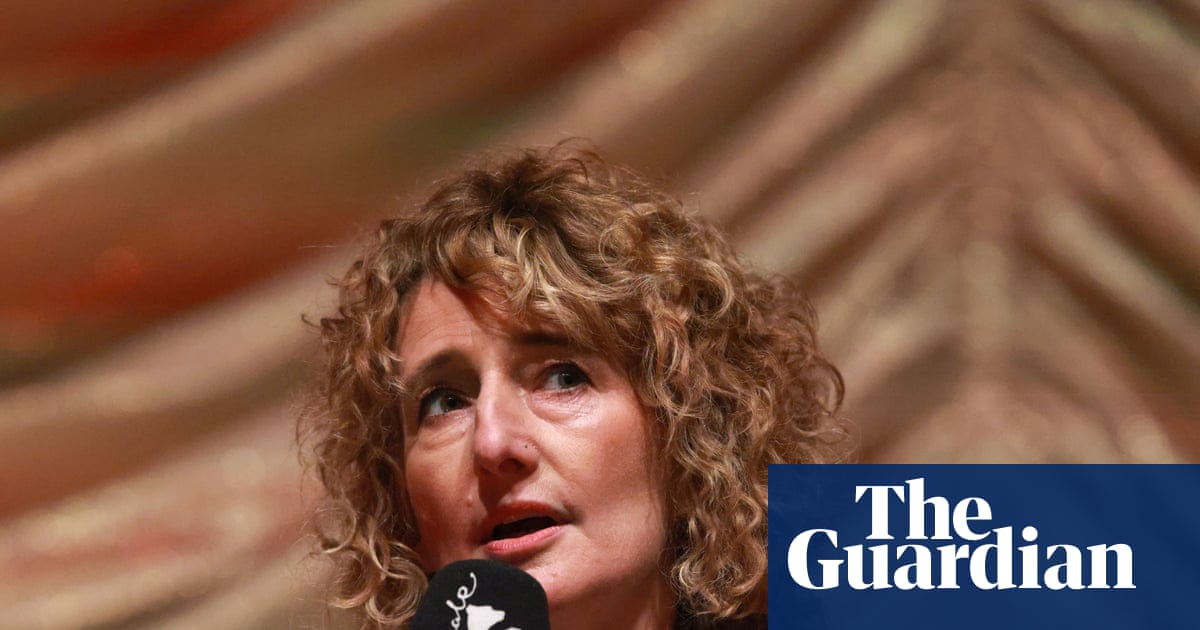
3 weeks agoFilmWatch Weekly: 'Marc [Jacobs] by Sofia [Coppola],' an animated 'Magnificent Life,' and more * Oregon ArtsWatch
Cinematic extremes are evident in new films, contrasting dark horror and documentaries with light-hearted comedies and animated features like A Magnificent Life.




Film
fromwww.theguardian.com
1 month agoSentimental Value becomes first Norwegian film to win best international feature Oscar
Sentimental Value becomes the first Norwegian film to win the Oscar for best international feature, defeating four other nominees including works by acclaimed international directors.
Film
fromwww.theguardian.com
1 month agoNorway climbs out of shadow' of neighbours with first Oscar win for Sentimental Value
Norwegian film 'Sentimental Value' won the Academy Award for best international film, marking Norway's first-ever Oscar win and establishing the country as a major force in Scandinavian cinema.
#animation
Independent films
fromwww.theguardian.com
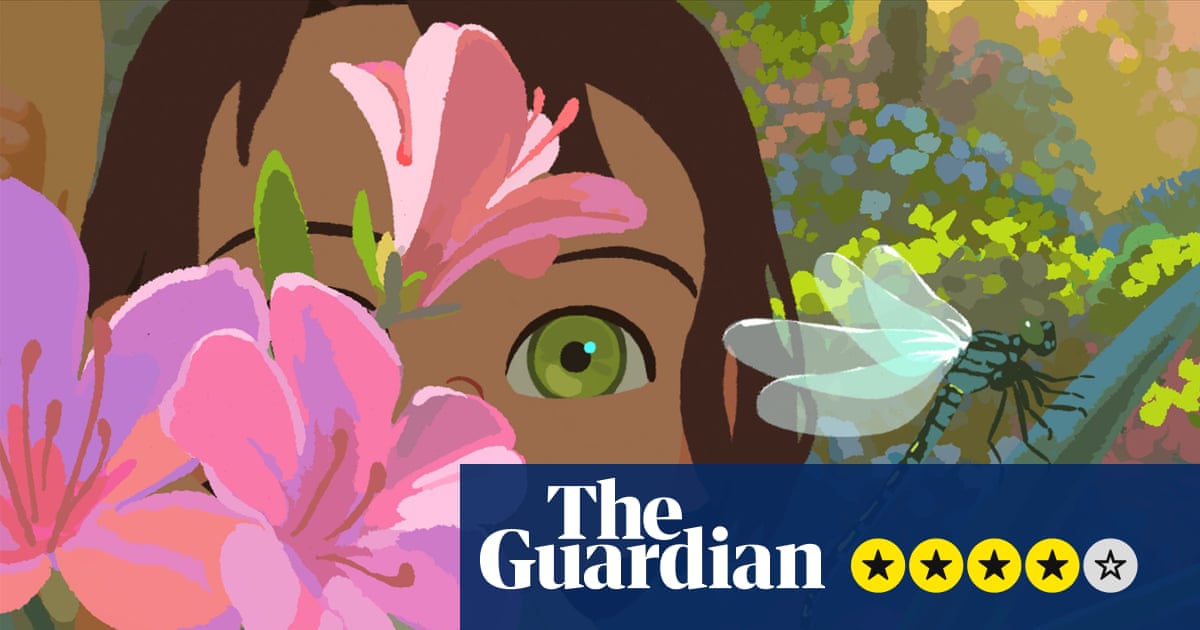
1 month agoThe world was hard this movie was meant to be a hug': Ugo Bienvenu on his heartwarming eco-fable Arco
French animator Ugo Bienvenu created Arco, an Oscar-nominated animated film combining heartfelt storytelling with Studio Ghibli-inspired artistry, driven by his desire to offer hope and optimism to his future children despite his naturally pessimistic nature.
Independent films
fromVulture
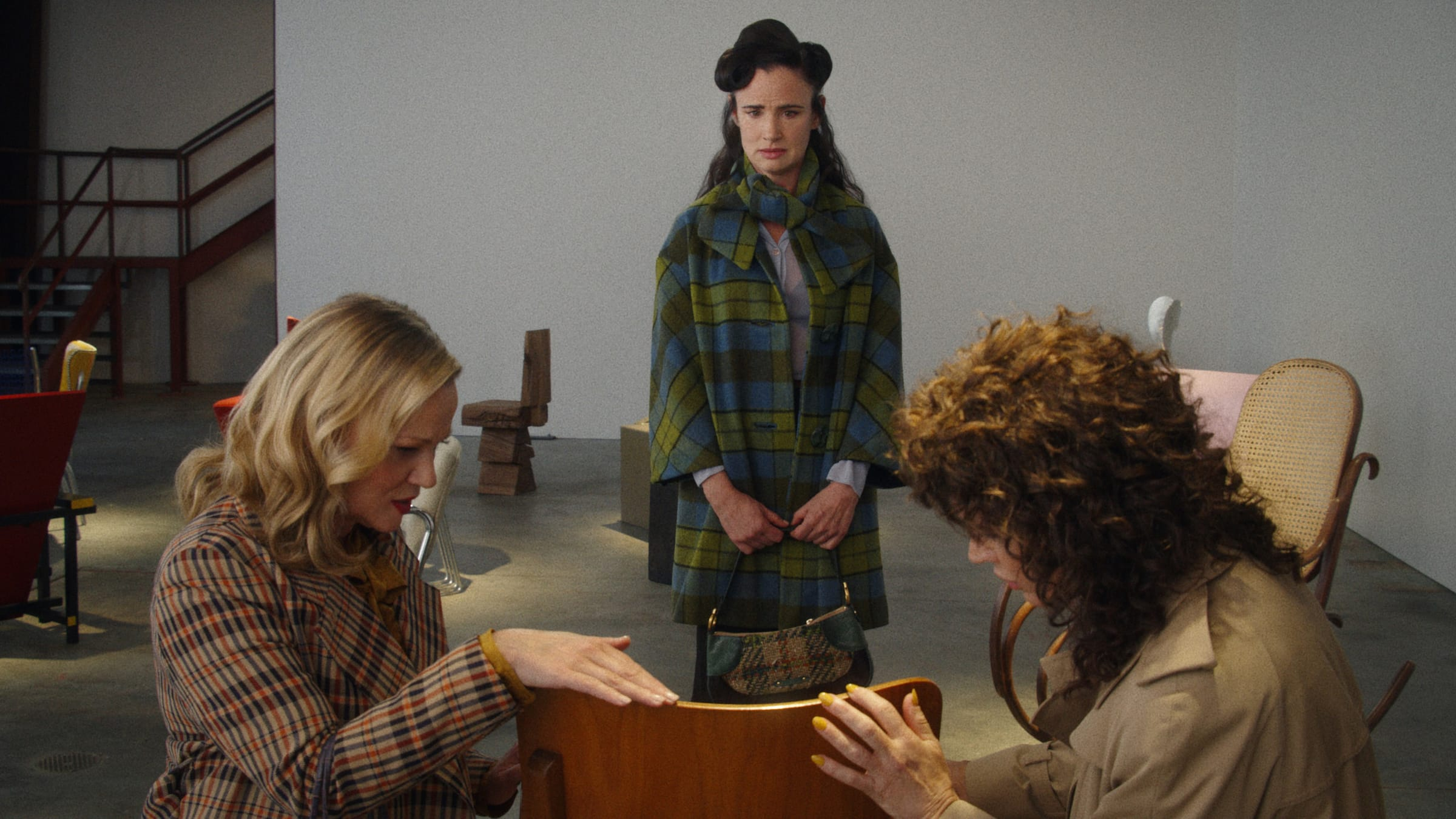
1 month agoBlue Heron Will Wreck You in the Best Possible Way
Blue Heron explores how one family member's mental health crisis and behavioral issues create lasting ripples across a Hungarian family's life in 1990s Vancouver, using innovative formal techniques to examine memory and time.


fromVulture
2 months agoInga Ibsdotter Lilleaas Is Cooler Than Awards Season
My value as a person is not reliant on me being nominated for anything or being snubbed. It's such a constructed reality. It's not a real competition. We made something months ago, and now we're putting it in a pot, and somebody's going to choose one.
Film
Independent films
fromConde Nast Traveler
1 month agoWhat It Took for Film Director Cherien Dabis to "Find Palestine Everywhere But Palestine"
Palestinian-American filmmaker Cherien Dabis promotes her Oscar-shortlisted film about Palestinian displacement, exploring intergenerational trauma shaped by movement restrictions and border constraints.
Film
fromAnOther
1 month agoSirat: The Year's Most Transcendent Cinematic Experience
Oliver Laxe's film Sirāt uses shocking moments and sensory immersion to suspend intellectual perception, creating a transcendental experience that leaves viewers feeling more connected to life and present in their bodies.
fromFilmmaker Magazine
2 months ago"It's Like Funny Ordinary People": Jay Duplass on See You When I See You
I was a struggling filmmaker. I was trying to find myself and it wasn't happening. I was ready to give up on filmmaking as I was about to turn 30. I didn't feel like I could do this to myself, my family and friends any longer. I was living in South Austin making the minimum amount of money, eating peanut butter and jelly sandwiches, and making bad art. But then Sundance gave me my career with this $3 short film that we submitted to the festival on a lark.
Film
Film
fromRoger Ebert
2 months agoTime is Very Precious: Hlynur Palmason and Julius Krebs Damsbo on "The Love That Remains" | Interviews | Roger Ebert
An intimate, visually poetic film depicts a family splitting, exploring memory, time, creative recovery, and shifting relationships against stark Icelandic landscapes.
fromenglish.elpais.com
2 months agoFlorian Zeller, playwright, filmmaker and magnet for acting greats: I don't write what people like, but what they could like'
Every step that I have taken in my career has made me new to something, once again. I like not knowing everything and exposing myself to the unknown, he says. That same impulse led him to send a script for the film adaptation of The Father to Anthony Hopkins, an actor he had never met, and who Zeller would wind up directing in his cinematic debut, which won him an Oscar for best adapted screenplay and netted Hopkins his second Oscar for best actor.
Film
fromwww.theguardian.com
2 months agoAndre Is an Idiot review a riotously funny, painfully honest film about facing death
But most of the film consists of Ricciardi fighting against the dying of the light, recounting the discomfort of recovering from chemo (years of hangovers proved useful training, he says), the ridiculous indignities of radiotherapy and other treatments, weird side-effects such as eyelashes growing longer than usual, inept bedside manners from medical professionals, and the administrative screw-ups that punctuate the process.
Film
[ Load more ]