#jazz--blues-history
#jazz--blues-history
[ follow ]
#jazz #music #miles-davis #music-venues #music-history #cultural-impact #jazz-history #black-history-month

fromOpen Culture
1 week agoA Newly Discovered Recording Lets You Hear Delta Blues Legend Robert Johnson in Stunning Clarity
Dylan describes his first encounter with Johnson's music, stating, "From the first note the vibrations from the loudspeaker made my hair stand up. The stabbing sounds from the guitar could almost break a window. When Johnson started singing, he seemed like a guy who could have sprung from the head of Zeus in full armor."
Music
fromConsequence
2 weeks agoJoe Bonamassa and George Benson on B.B. King's Blues Summit 100, Blues vs Jazz, and Life on the Road: Podcast
Bonamassa explains the origin of the sprawling tribute, saying, 'It was brought to my attention... that B.B. King would be turning 100... and nobody was planning on doing much. I said we need to do something.'
Music production
fromwww.theguardian.com
2 weeks agoThe biggest, baddest, saltiest chick you would ever see': why no one sang the blues like Big Mama Thornton
Big Mama Thornton exuded uncompromising intensity. Her voice conveyed struggle and defiance, fury and hurt, like few others. She was a Black, gay multi-instrumentalist who refused to let a racist society or a rapacious industry confine her.
Music
fromwww.theguardian.com
1 month agoBlack music is not a subculture it is the engine': Why the Mobo awards matter more than ever, 30 years on
Kanya King stated, 'Black music shapes what we listen to, how we speak, how we dress, how we tell our stories and I guess it's defined as Britain's cultural identity but structurally and institutionally is still often treated as m.'
London music
Music production
fromOpen Culture
1 month agoAlan Lomax's Massive Music Archive Is Online: Features 20,000 Historic Blues & Folk Recordings
The Association for Cultural Equity has digitized and made freely available online 20,000 recordings of songs and interviews collected by folklorist Alan Lomax from the 1940s through 1990s.
Parenting
fromOpen Culture
2 months agoHerbie Hancock Explains the Big Lesson He Learned From Miles Davis: Every Mistake in Music, as in Life, Is an Opportunity
Mistakes should be framed as valuable, creative learning opportunities rather than binary failures, especially when guiding perfectionist children.
fromHigh Country News
2 months agoHow community organizers are amplifying Oregon's Black music history - High Country News
When Norman Sylvester was 12, long before he garnered the nickname "The Boogie Cat" or shared a stage with B.B. King, he boarded a train in Louisiana and headed west, toward the distant city of Portland, Oregon. He'd lived all his life in the rural South, eating wild muscadine grapes from his family's farm, fishing in the bayou and churning butter at the kitchen table to the tune of his grandmother's gospel singing.
Social justice

fromPitchfork
2 months agoKelan Phil Cohran & Legacy: African Skies
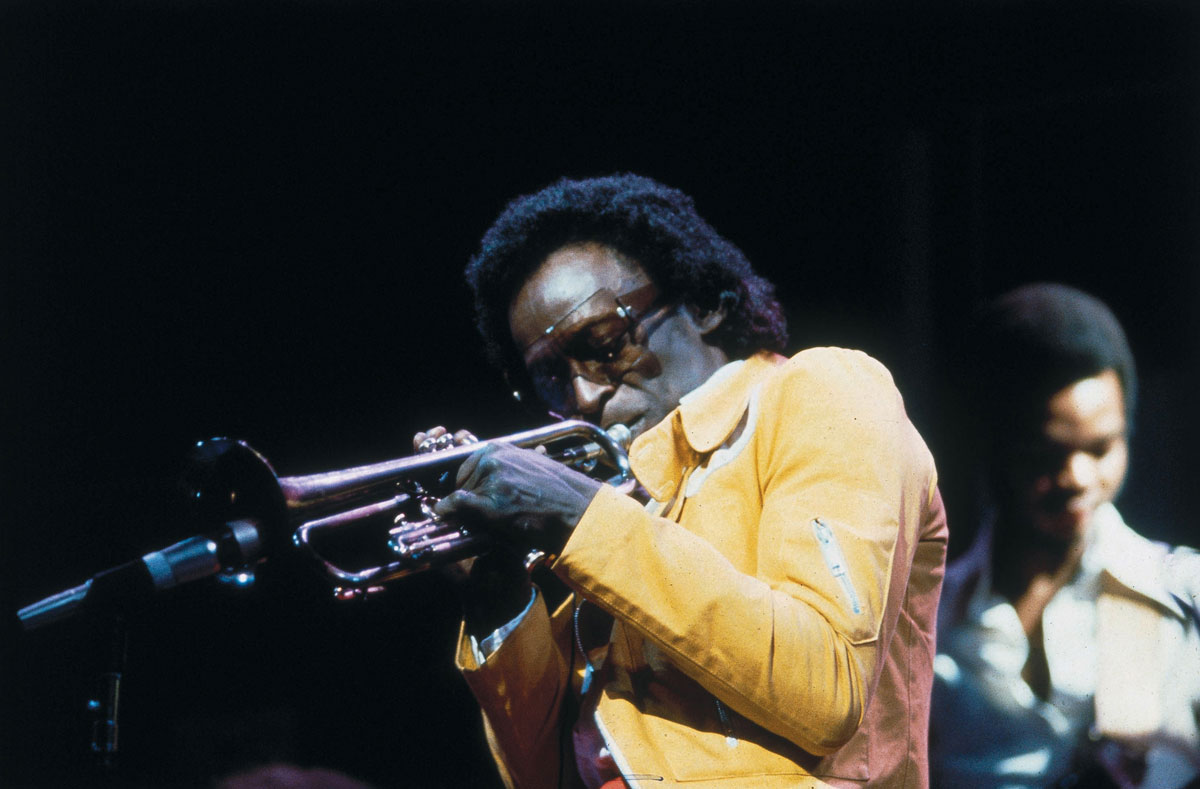
At the turn of the 1960s, when free jazz was making its initial seismic impact, multi-instrumentalist Phil Cohran-he later added the name Kelan-was living in Chicago and playing trumpet for Sun Ra's Arkestra. He contributed to crucial recordings by the band during his tenure, including We Travel the Space Ways, but Cohran was a restless autodidact who never stuck with any one project for long.
Music
Music
fromBlavity News & Entertainment
1 month agoHBCUs Celebrate Michael Jackson's Legacy In New 'Michael' Black History Performances - Blavity
Three HBCUs performed distinct interpretations of Michael Jackson's 'Don't Stop 'til You Get Enough' for Lionsgate's Black History Month celebration honoring Jackson's cultural influence.
fromAdvocate.com
2 months agoThe lush life of Billy Strayhorn, the gay Black man who was Duke Ellington's 'right arm'
Even if you're just a casual jazz fan, you probably recognize "Take the A Train," Duke Ellington's swinging theme song. Or you've heard the melancholy ballad "Lush Life" sung by Nat King Cole, by Linda Ronstadt during her Great American Songbook era, or by Lady Gaga on the album she recorded with Tony Bennett. Both of those - and many other tunes - were written by a gay man, musician, composer, and arranger Billy Strayhorn.
Music
[ Load more ]