#international-space-station
#international-space-station
[ follow ]
#nasa #medical-evacuation #crew-11 #spacex #medical-emergency #crew-12 #astronaut-health #space-exploration
#spacex

Science
fromFortune
2 days agoSpaceX will be worth trillions, but the space station that made it possible is worth even more - if we don't squander it | Fortune
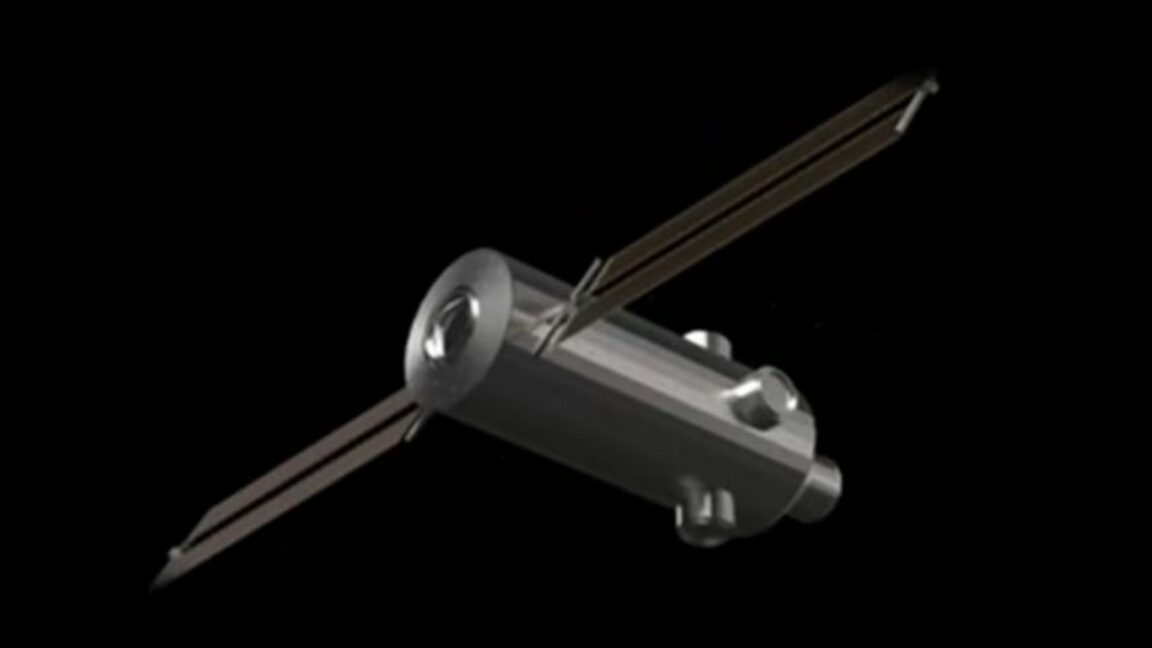
The ISS created major value but risks losing trillions as it nears deorbit under an antiquated economic model lacking a mechanism to liquidate returns.



Science
fromInside Higher Ed | Higher Education News, Events and Jobs
1 month agoStudent-Built Instruments Head to Space
Undergraduate research from College of Charleston is contributing instruments to the International Space Station, marking a significant achievement for the students and the institution.
fromTheregister
2 months agoNASA wants ISS extended to 2032 and a Moon base too
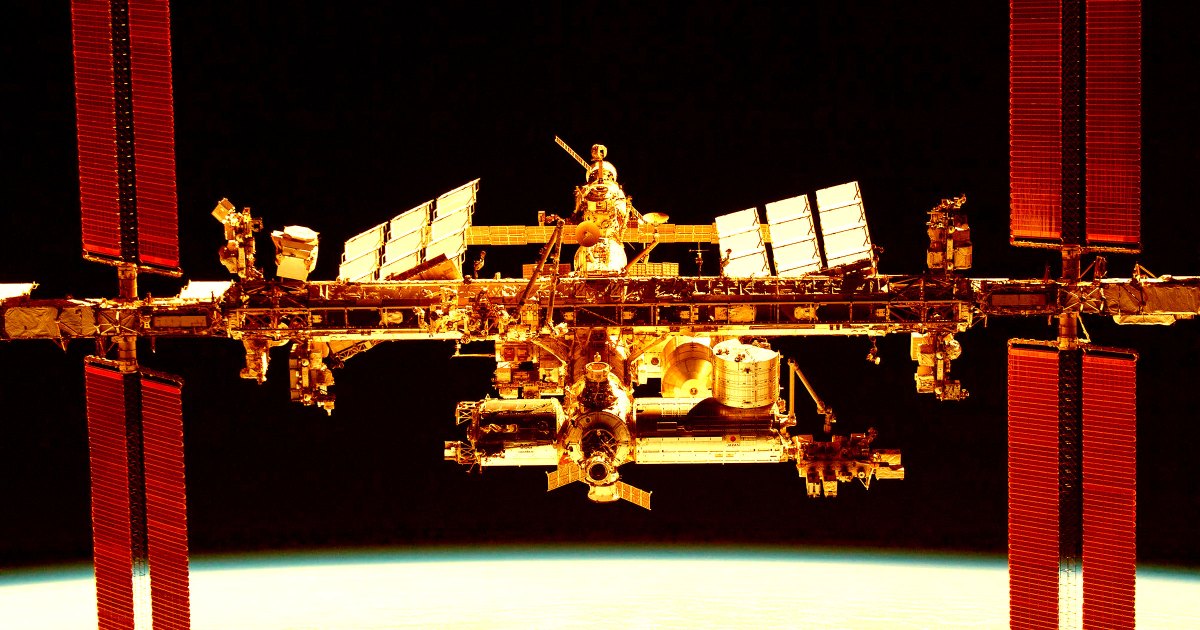
The ISS project was set to end in 2030. In 2024, NASA awarded a contract to Elon Musk's SpaceX to build a tug to de-orbit the outpost by 2030, assuming it lasts that long. By then the complex's first module will have been in orbit for more than 30 years, and cracks have plagued the structure alongside hardware failures as the laboratory ages.
Science







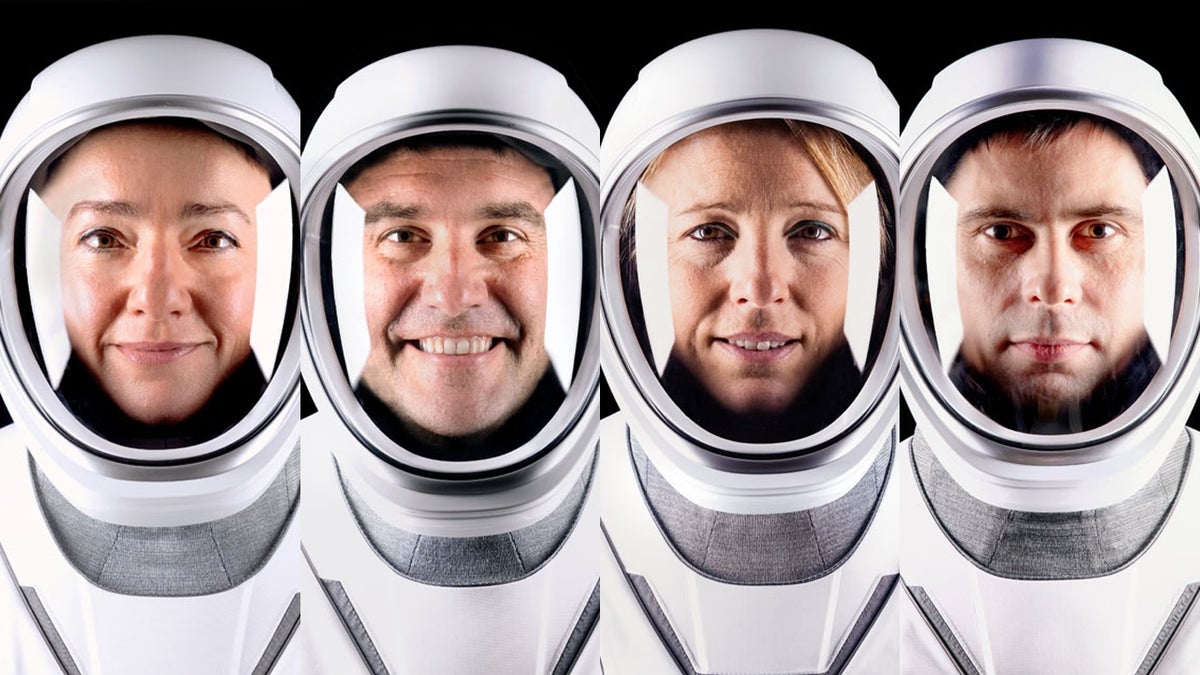
fromFuturism
3 months agoReddit Mod Deleted Breathtaking Photo Taken by NASA Astronaut From Space Because It Was "Blurry"
Veteran NASA astronaut Don Pettit returned from his 220-day mission on board the International Space Station in April 2025, the day of his 70th birthday, making him the oldest active astronaut on the space agency's roster. During his seven-month stint on board the aging orbital outpost, his fourth trip to space, Pettit took the time to photograph some dazzling views of the Earth below.
Science

fromFuturism
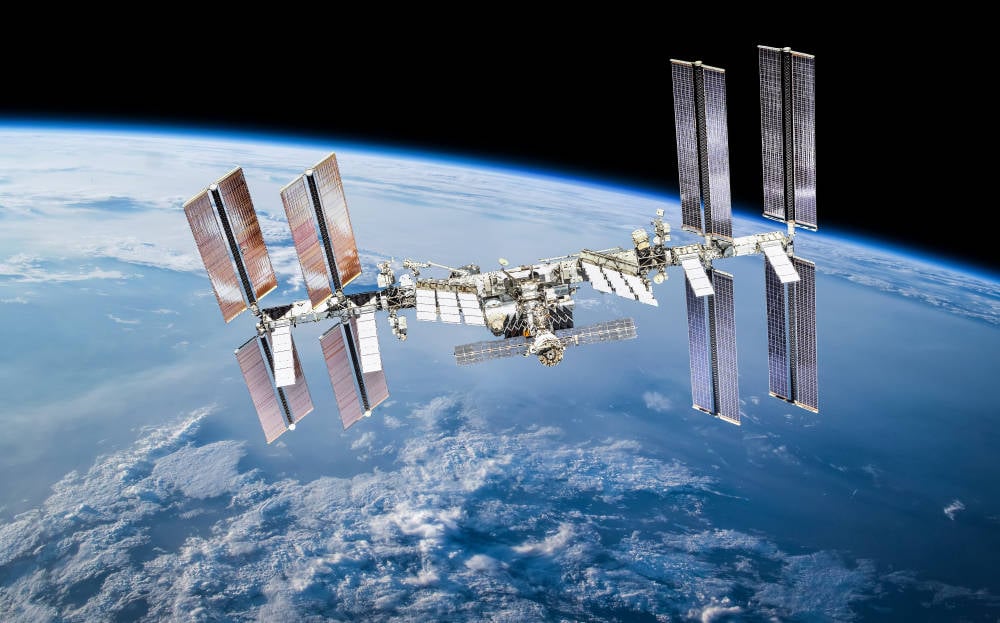
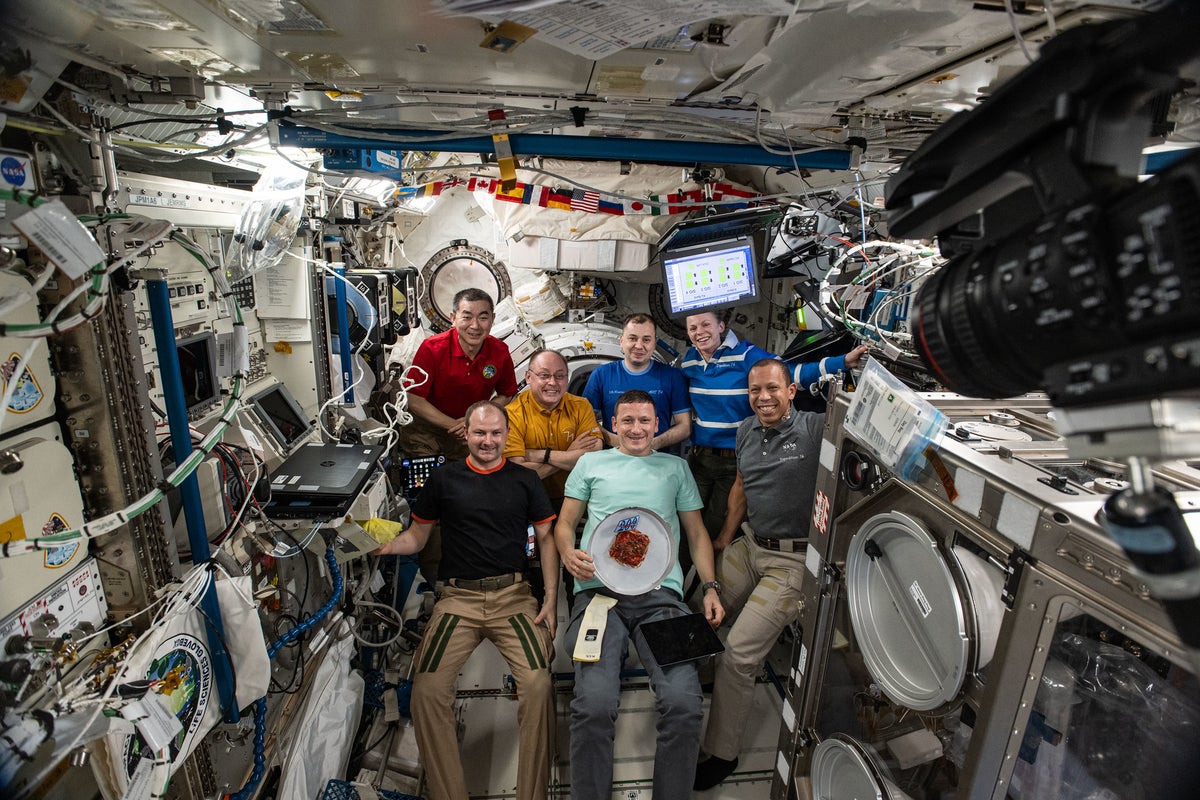
4 months agoStunning Footage Shows Space Station Drifting Through Aurora's Dazzling Lights
Earlier this week, the Sun unleashed a powerful X-class solar flare, a major burst of electromagnetically charged particles that lit up the Earth's night sky as they entered our planet's atmosphere. The effect was stunning: a dazzling display of auroras reaching as far as southern California. Forecasters that it was one of the largest solar storms in decades, making for a particularly unique opportunity to watch the show unfold.
Science

fromArs Technica
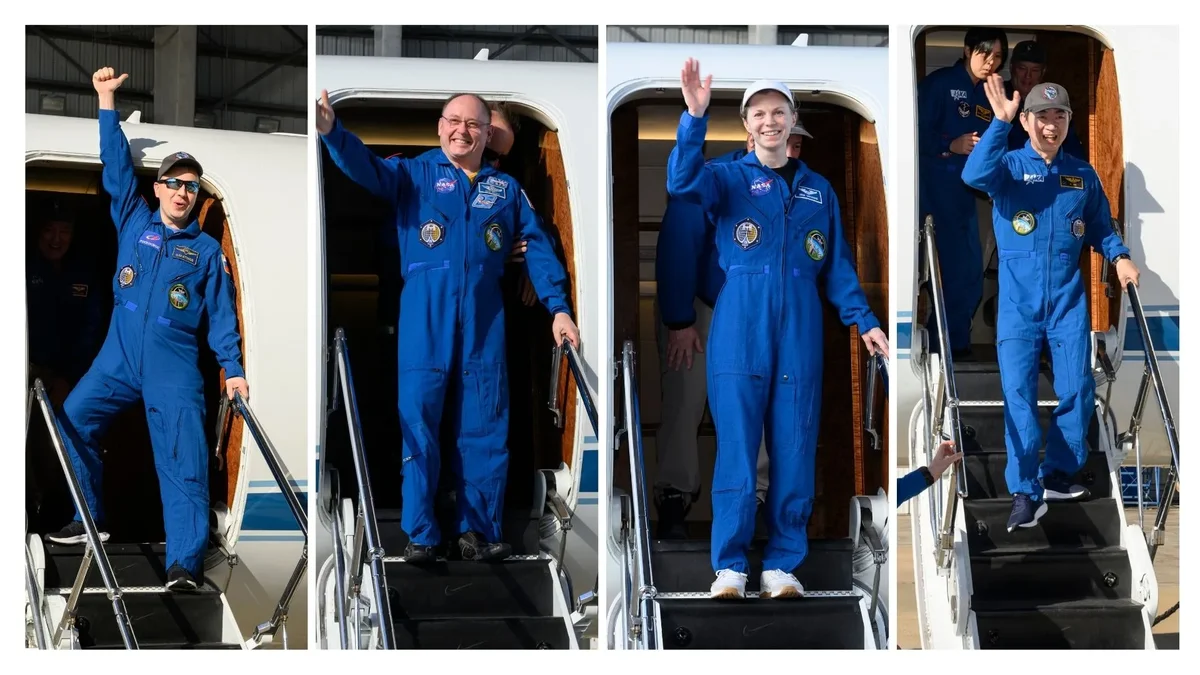
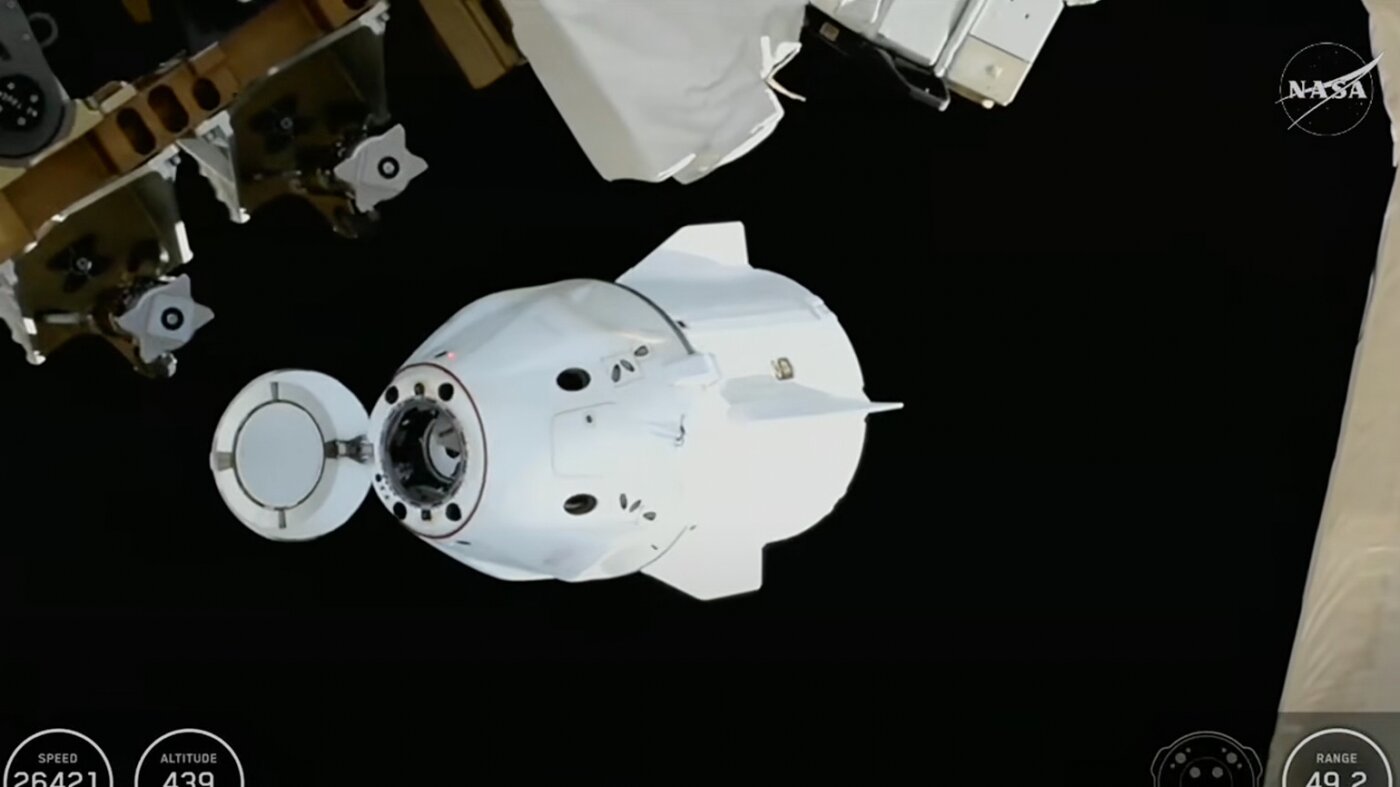
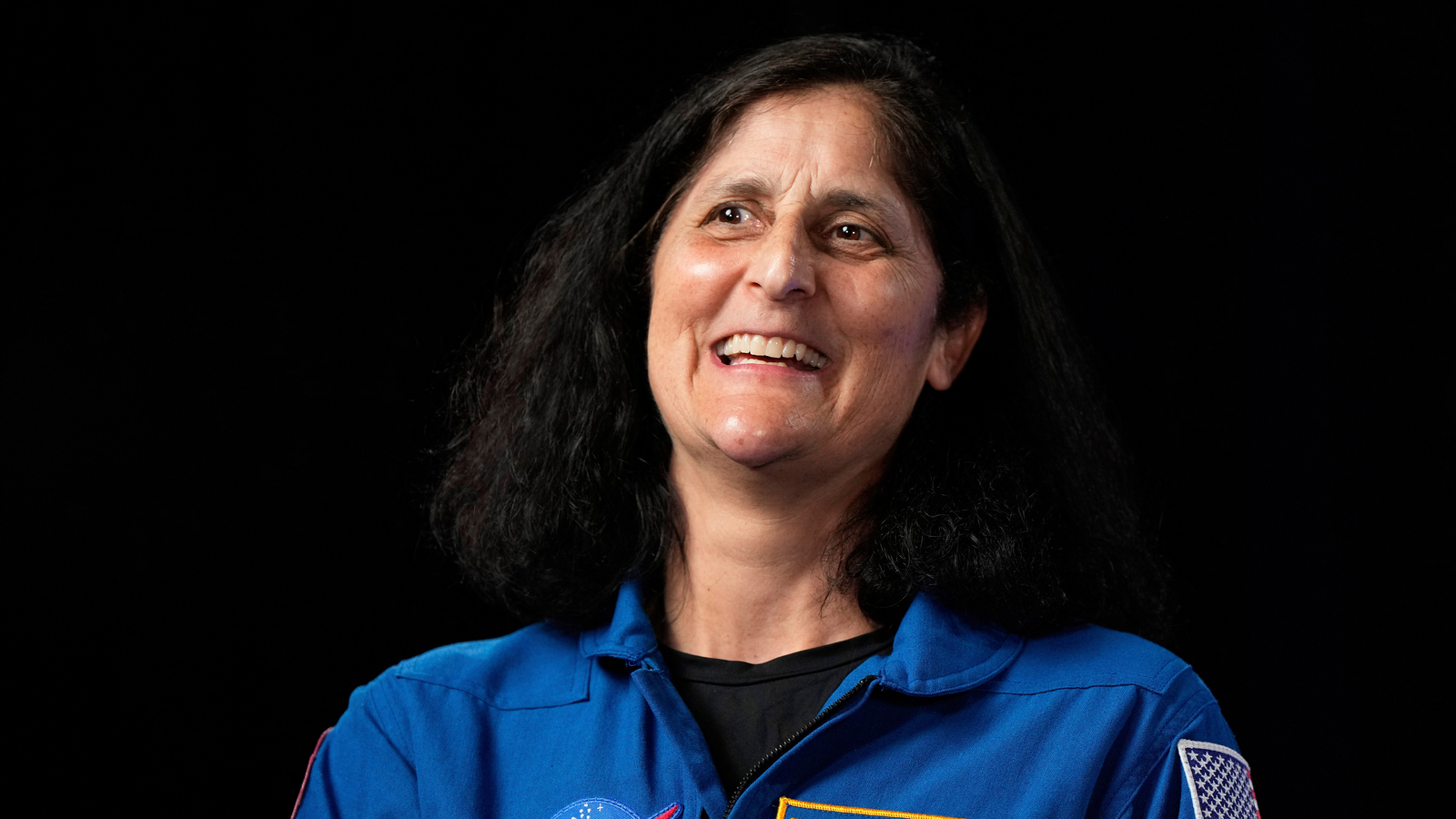
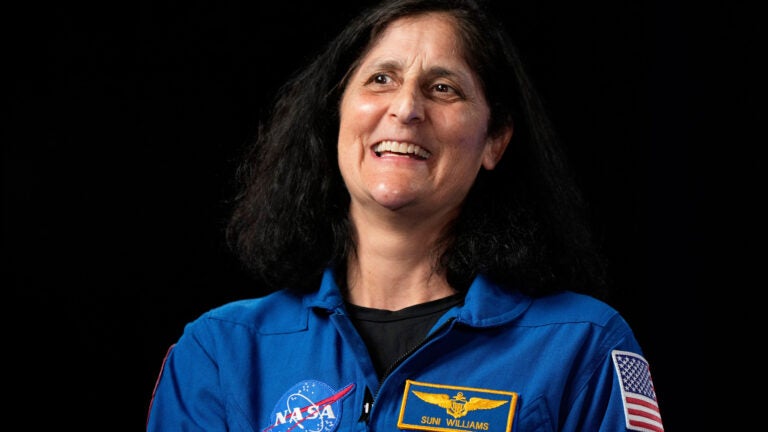
4 months agoNASA's first-ever medical evacuation from space ends with on-target splashdown
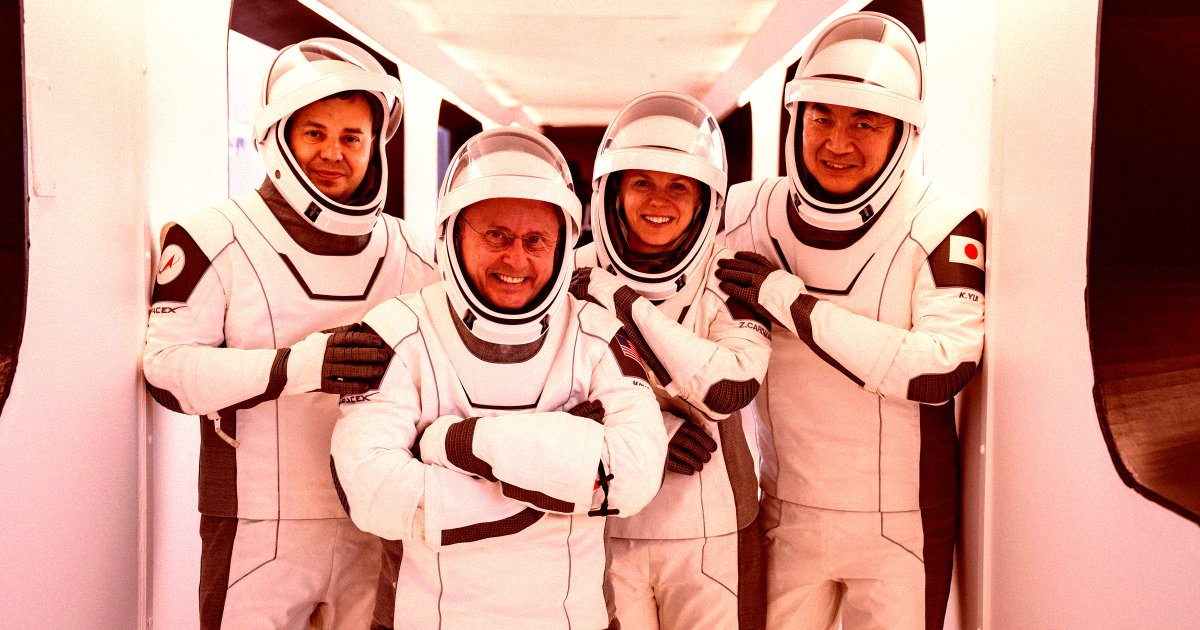
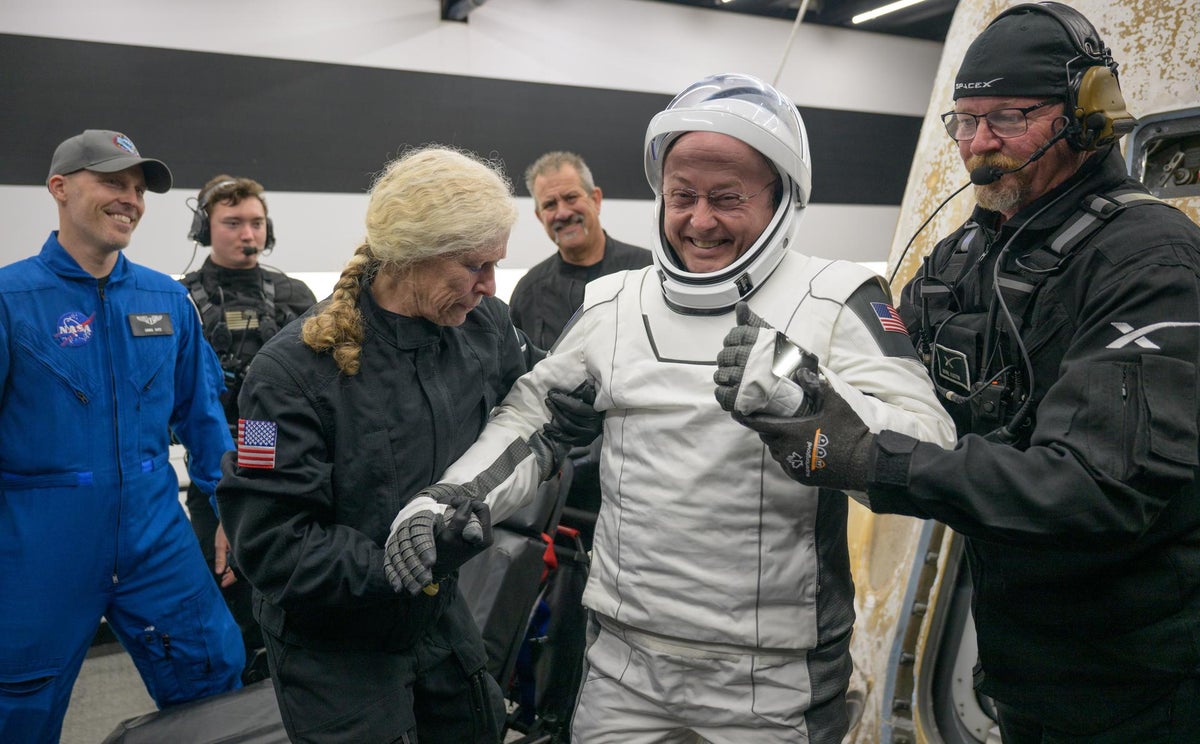
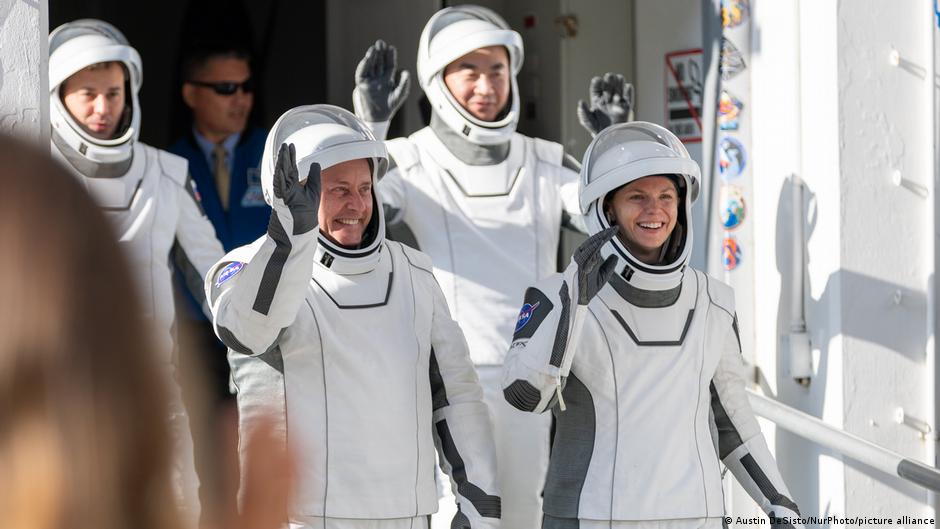
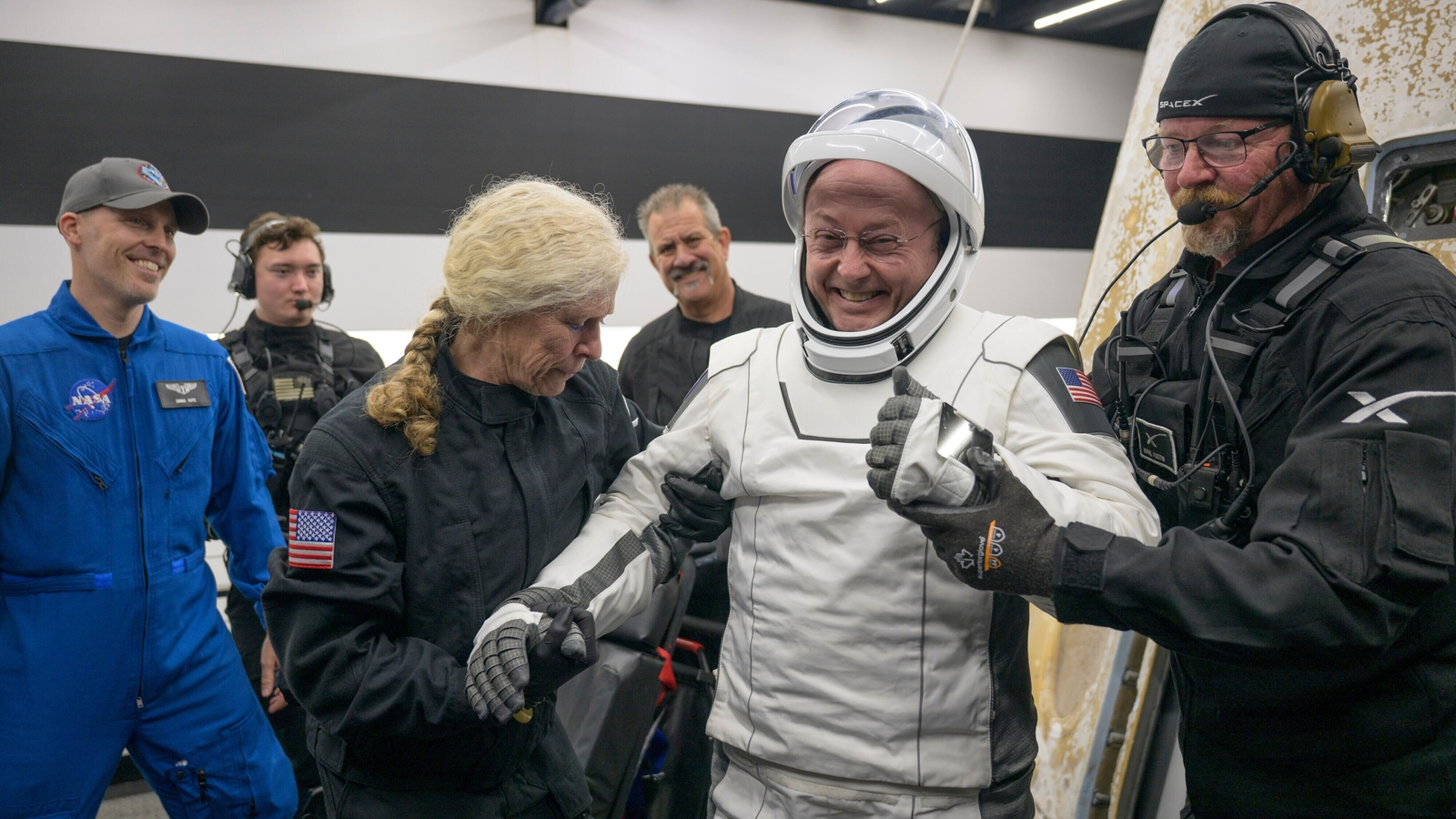
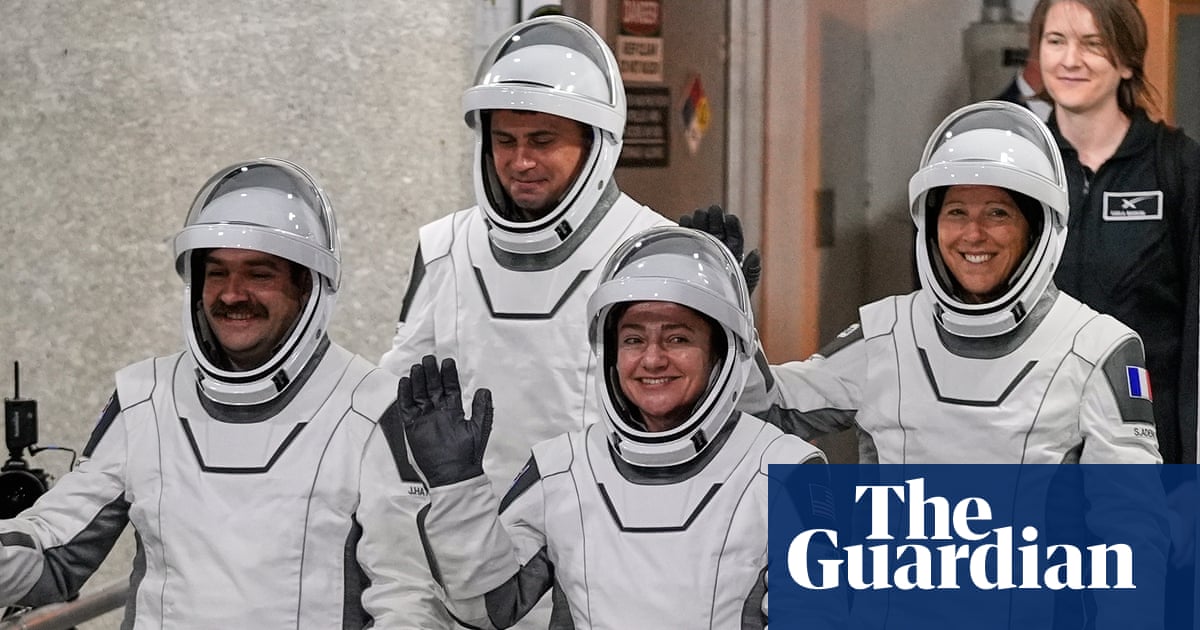
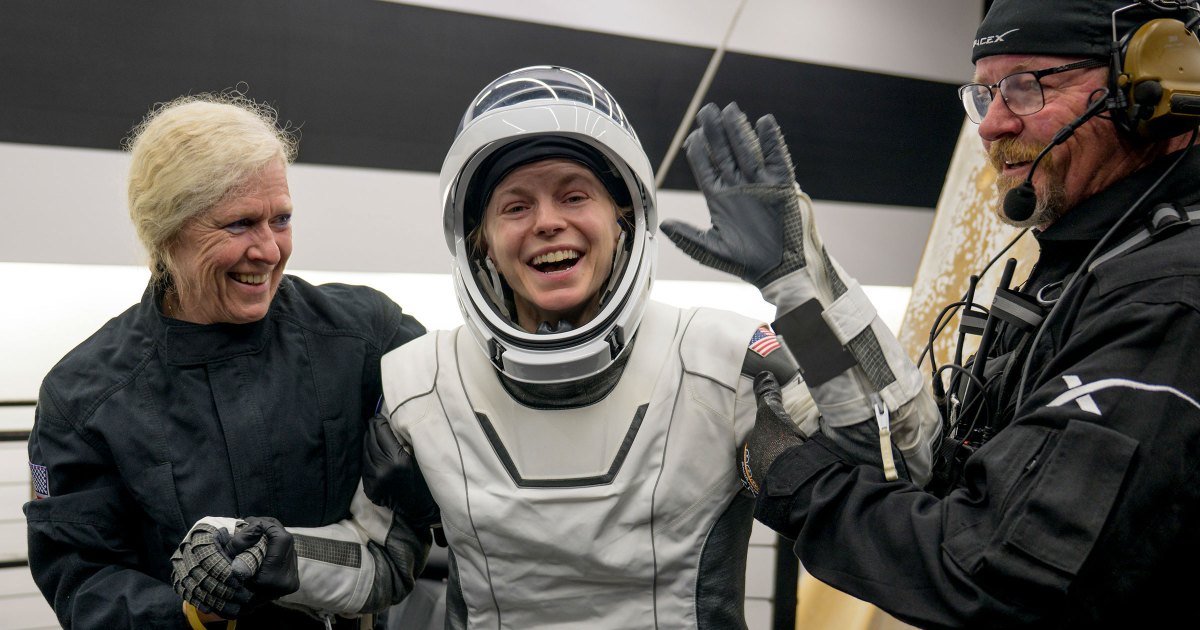
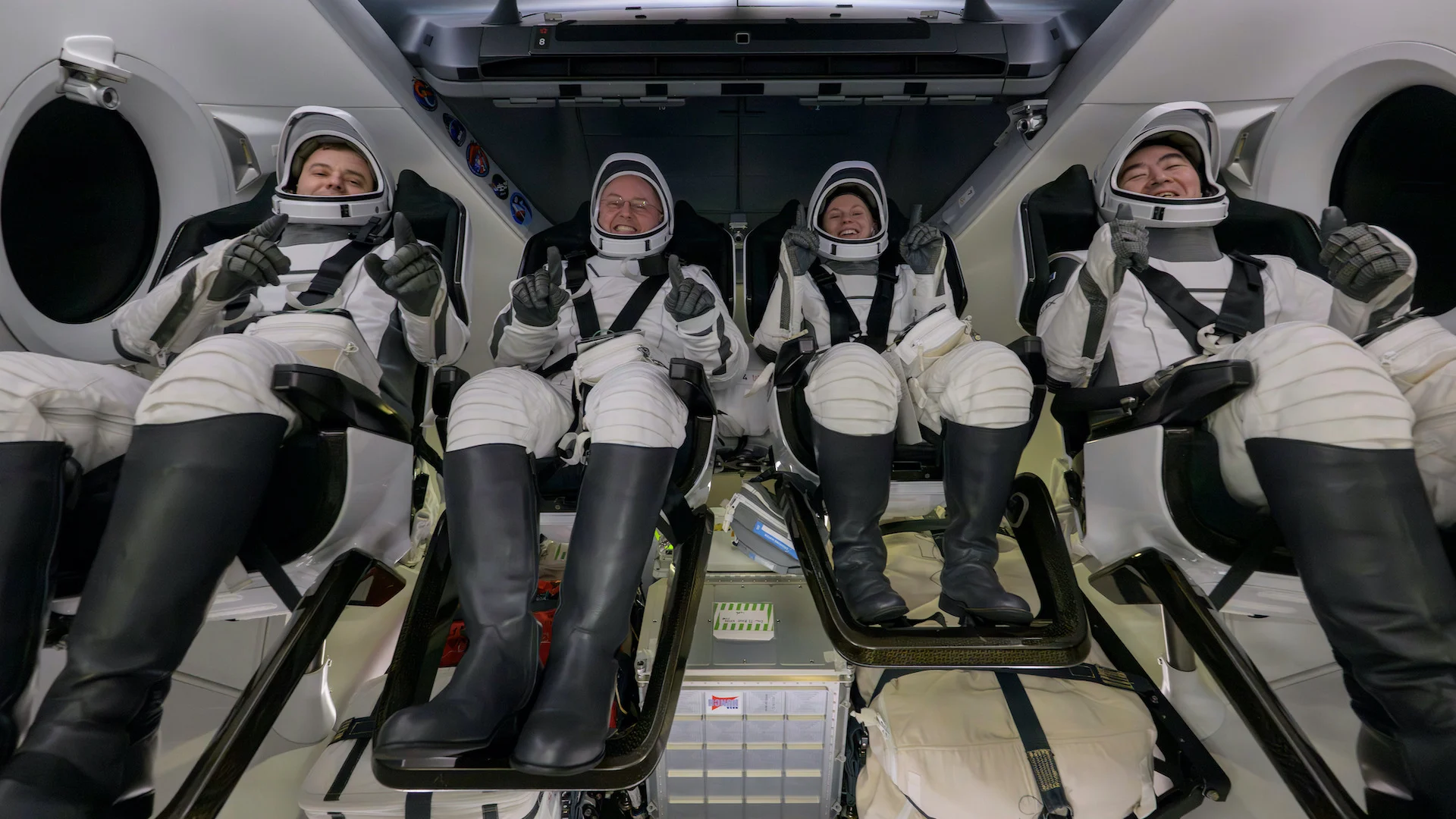
Two Americans, a Japanese astronaut, and a Russian cosmonaut returned to Earth early Thursday after 167 days in orbit, cutting short their stay on the International Space Station by more than a month after one of the crew members encountered an unspecified medical issue last week. The early homecoming culminated in an on-target splashdown in the Pacific Ocean off the coast of San Diego at 3:41 am EST (08:41 UTC) inside a SpaceX Crew Dragon spacecraft.
Science
fromABC7 Los Angeles
4 months ago4 astronauts to depart ISS, leaving behind just 3 crewmates to staff the orbiting lab
Four astronauts are about to make an abrupt exit from the International Space Station amid a health concern - and their unprecedented early departure will leave behind a bare-bones staff to look after the outpost. When the crew boards the SpaceX capsule that will bring them home, only three people will remain on the orbiting laboratory: Roscosmos cosmonauts Sergey Kud-Sverchkov and Sergei Mikaev of Russia and NASA astronaut Chris Williams.
Science
fromBusiness Insider
4 months agoSee astronauts' most awe-inspiring photos taken from the International Space Station in 2025
In the 25 years since the first permanent crew docked at the International Space Station, fewer than 300 people have experienced what life is like there, 250 miles above Earth. The rest of us can only imagine it. So, for NASA astronauts like Don Pettit, taking photographs of our planet while aboard the ISS is a way to share the experience with people on the ground.
Photography
fromFuturism
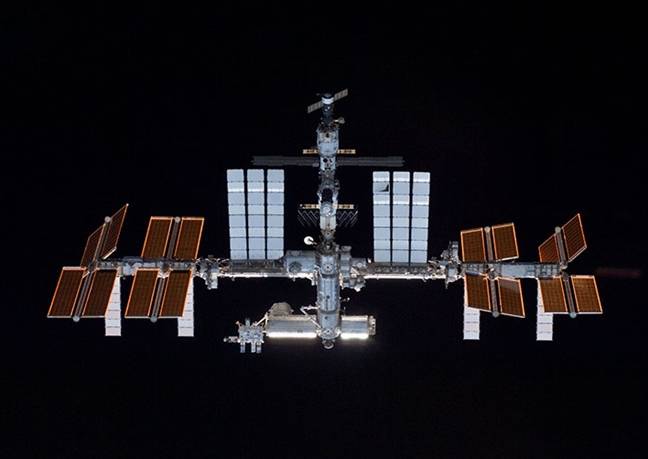
5 months agoA Record Number of Spacecraft Have Swarmed the International Space Station
The International Space Station is slated to be retired just four years from now. In fact, "retired" confers an aura of decorum that may not be warranted; the plan is to nudge it out of its orbit with the help of a modified SpaceX spacecraft until it unceremoniously plunges into the Pacific Ocean, after facilitating decades of cutting-edge space science.
Science

fromFuturism
5 months agoNASA Says Boeing's Busted Starliner Spacecraft Won't Be Allowed to Carry Astronauts on Next Mission
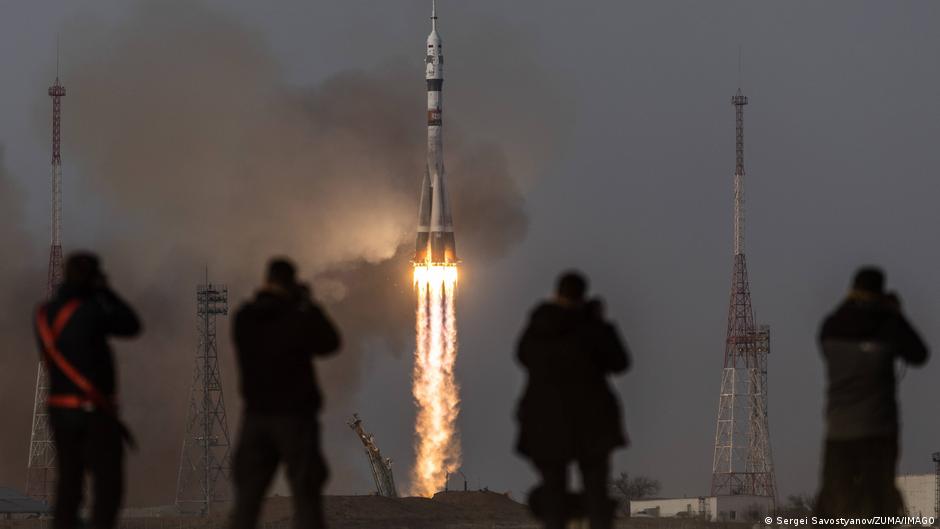
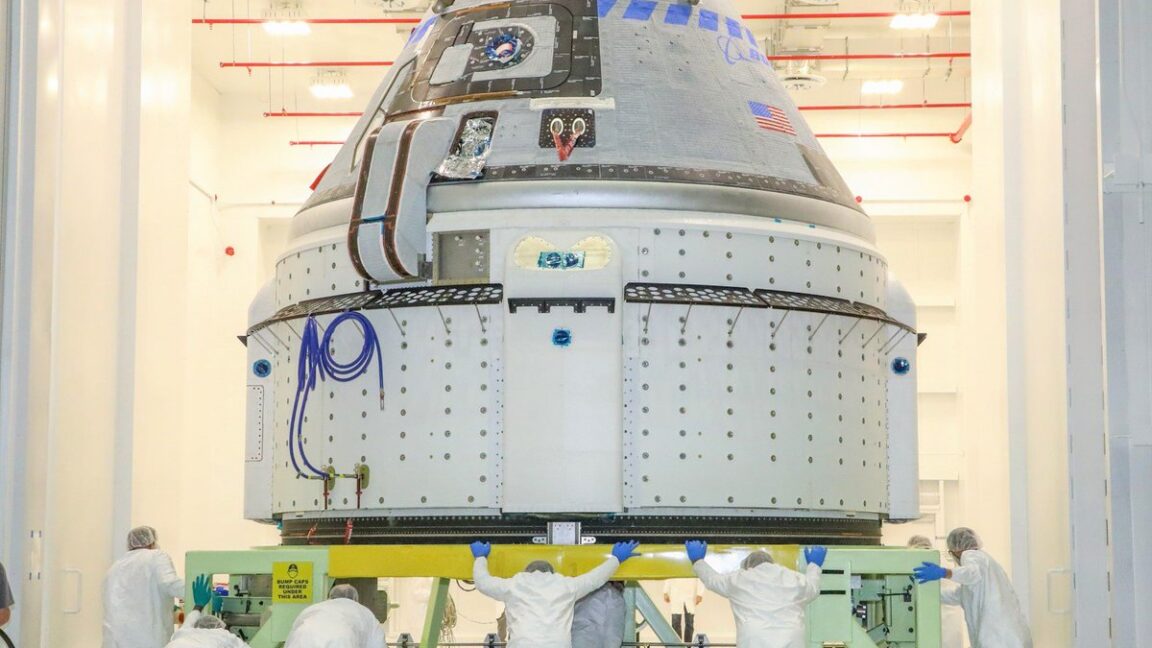
In a statement, NASA revealed that it agreed to modify Boeing's existing 2014 Commercial Crew contract to have Starliner carry cargo only for its first operational flight, Starliner-1, which is tentatively scheduled for "no earlier than April 2026." "Following Starliner certification, and a successful Starliner-1 mission, Starliner will fly up to three crew rotations to the International Space Station," NASA's statement reads.
Science
fromMail Online
7 months agoThat was close! Huge asteroid comes within 300 miles of hitting Earth
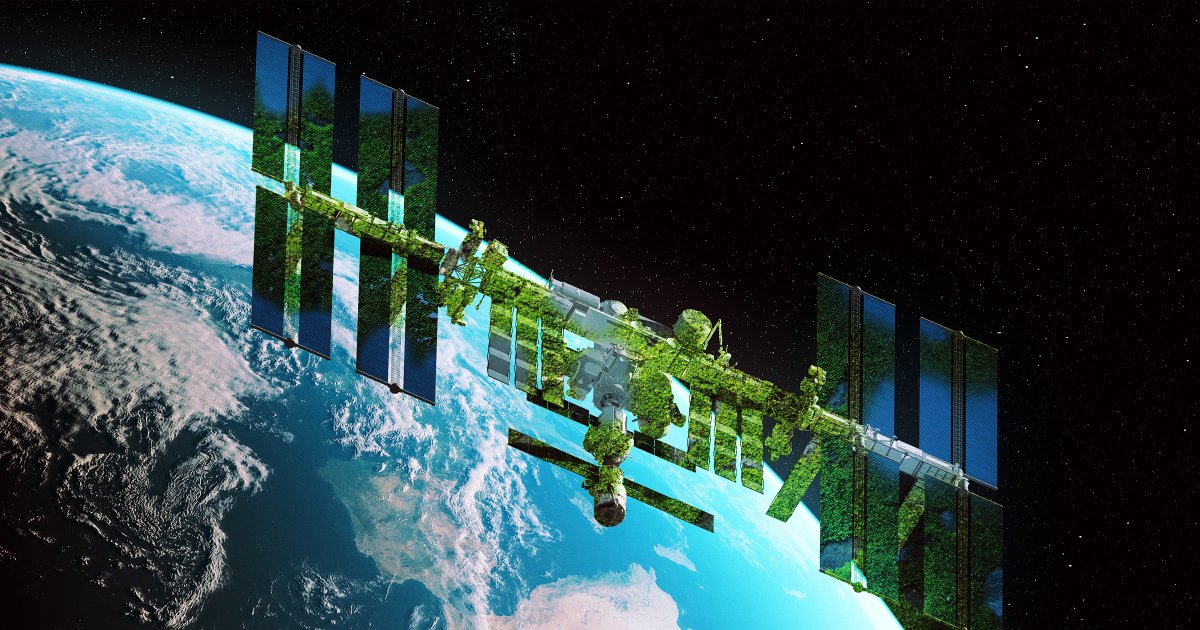
While a miss this close might sound alarming, the European Space Agency (ESA) claims there was never any serious danger. Based on its estimated size, 2025 TF would have most likely burned up or exploded in the atmosphere rather than slamming into the surface. ESA said in a statement: 'Objects of this size pose no significant danger. 'They can produce fireballs if they strike Earth's atmosphere, and may result in the discovery of small meteorites on the ground.'
Science
[ Load more ]