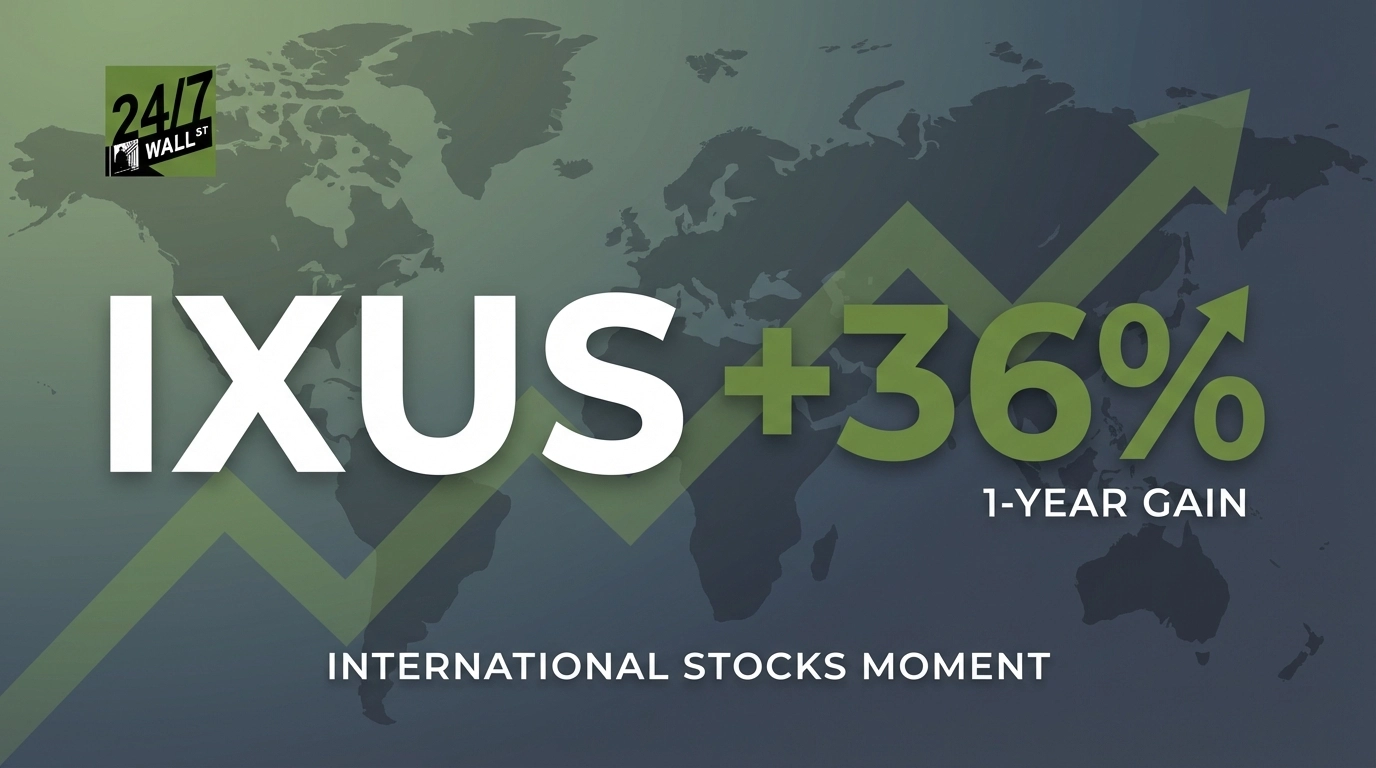
It's been a turbulent past couple of weeks, but the S&P 500 is poised to finish the year with some historically decent gains intact. At the time of this writing, the S&P is up just north of 14%. It's a solid return, but less so when you compare the last two years. When you zoom out to the global picture, the S&P 500's gains have been quite subpar, to say the least.
If you haven't thought about diversifying your equity portfolio internationally, perhaps the performance of non-U.S. financial markets might have you looking beyond the S&P 500 for your next big investment. Undoubtedly, the S&P has done just fine, now up over 15%, with a potential move to the 7,000 level in sight if investors can shrug off recent concerns that have made for a rather rocky ride in this fourth and final quarter of 2025.
If you've chosen a target asset allocation-the mix of stocks, bonds, and cash in your portfolio- you're probably ahead of many investors. But unless you're investing in a set-and-forget investment option like a target-date fund, your portfolio's asset mix will shift as the market fluctuates. In a bull market you might get more equity exposure than you planned, or the reverse if the market declines. Rebalancing involves selling assets that have appreciated the most and using the proceeds to shore up assets that have lagged.
Exchange-traded funds are the go-to for conservative investors who have a long timeframe. The yield you get today is very generous compared to just five years ago. Yet, it may not be the wisest idea to have your portfolio concentrated entirely in ETFs that yield in the low single digits. Having some higher-yielding ETFs can give you extra income with negligible added risk if you hold them for the long run.