#hurricane-katrina
#hurricane-katrina
[ follow ]
#new-orleans

US news
fromFortune
8 months agoTwo decades after Katrina, New Orleans remembers the hurricane that wiped the city with the 'hand of God'
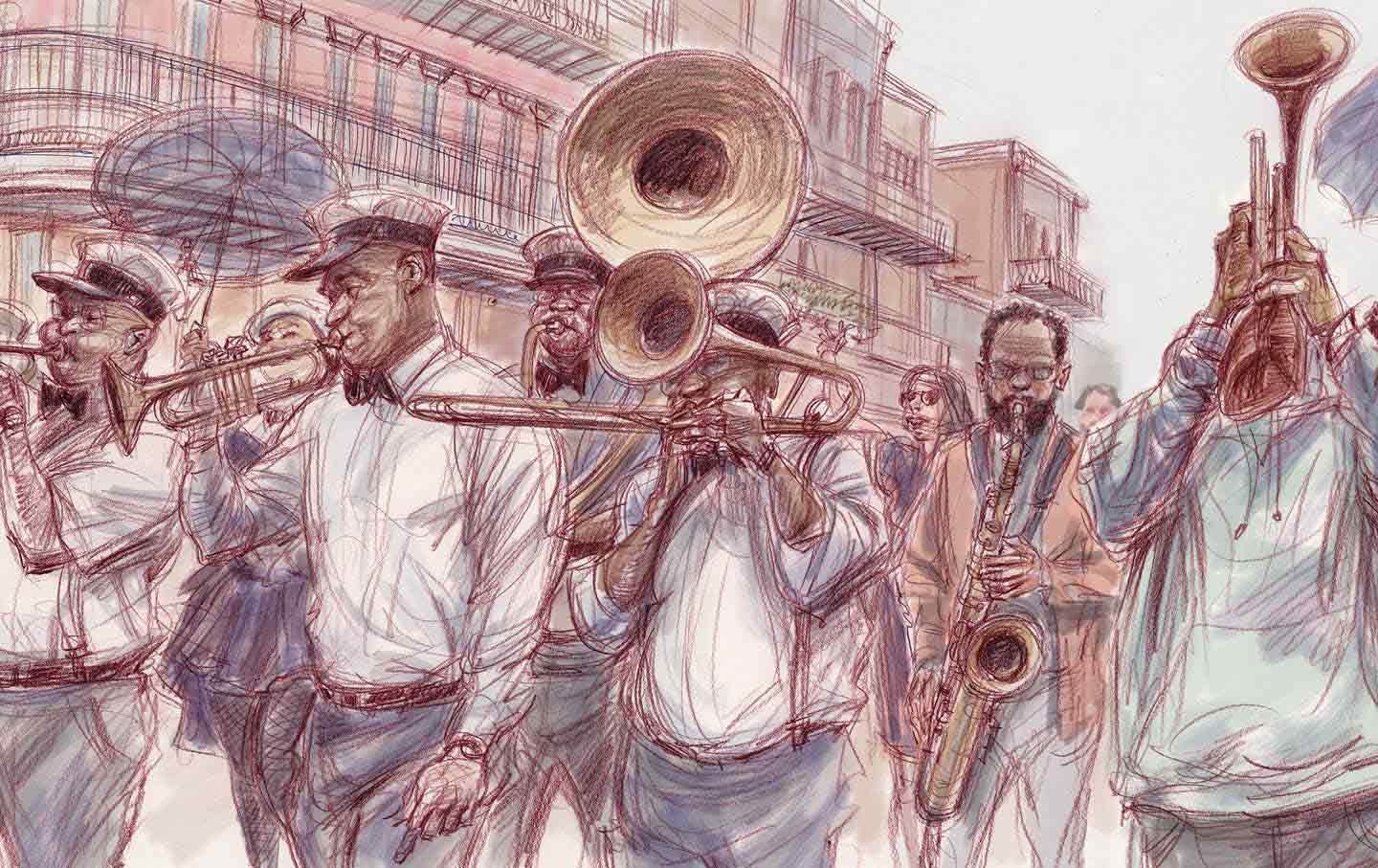
New Orleans commemorated Katrina's 20th anniversary with memorials and music, honoring victims and celebrating survivors who rebuilt after catastrophic levee failures and deadly, costly flooding.

#lower-ninth-ward
fromwww.npr.org
8 months agoUS news
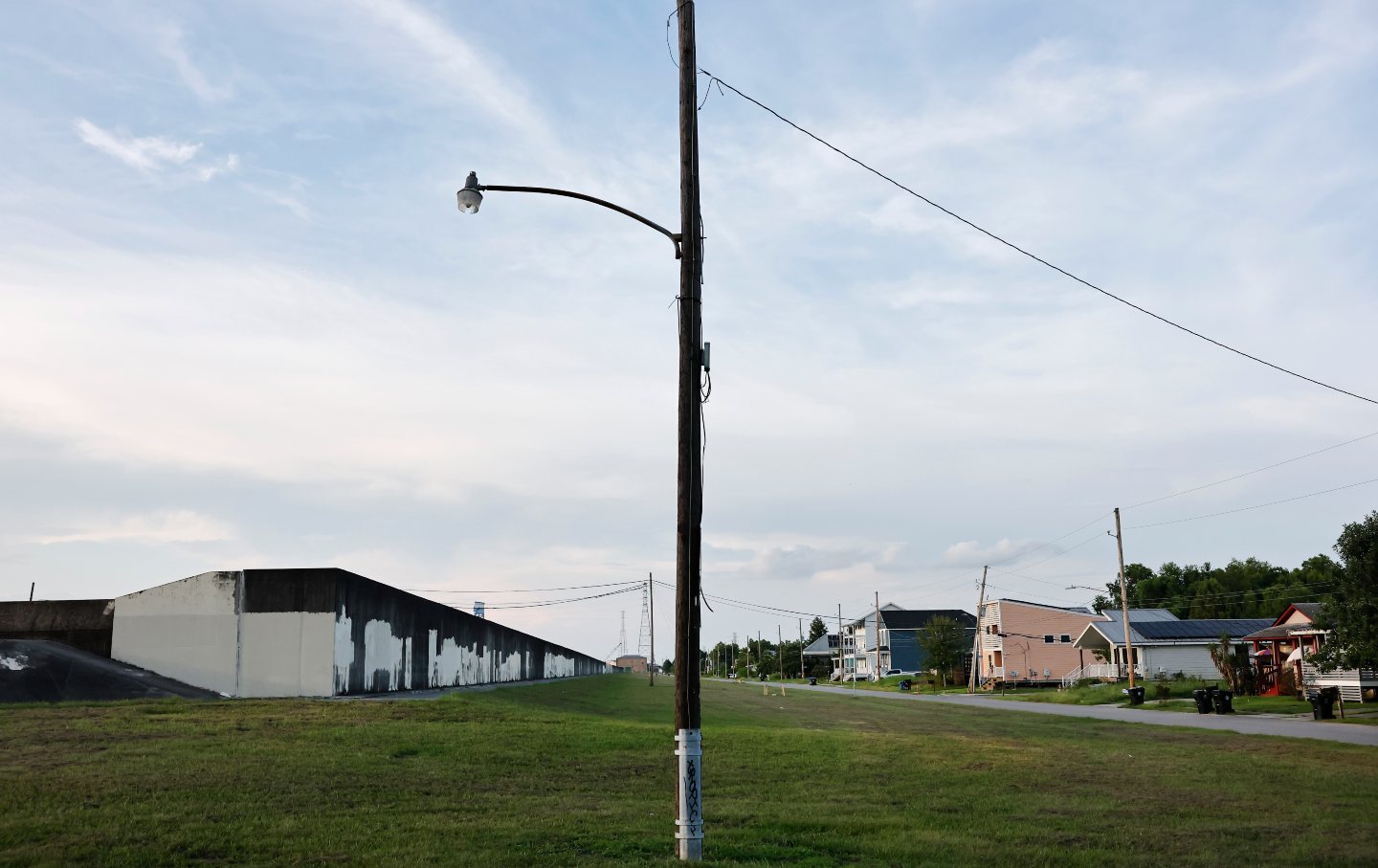
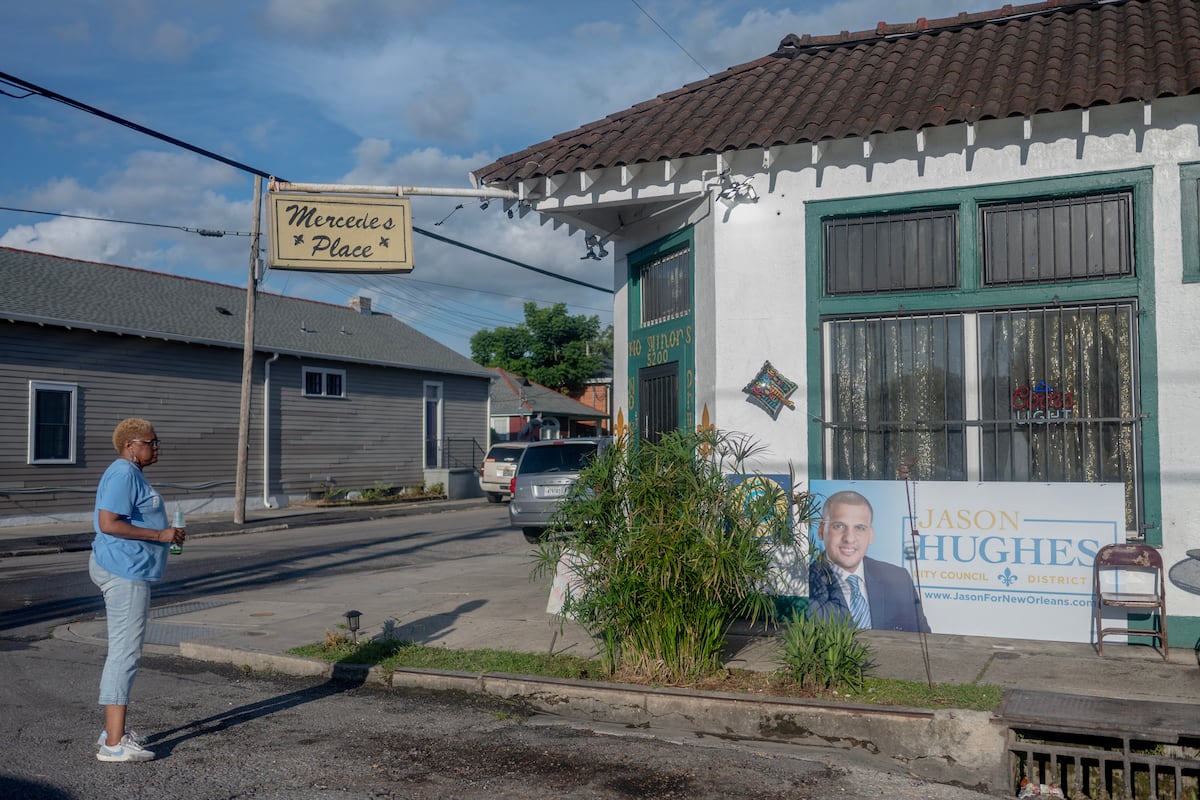
20 years after Hurricane Katrina, the Lower Ninth Ward in New Orleans still lags behind
Twenty years after Hurricane Katrina, the Lower Ninth Ward remains significantly depopulated and underserved, with widespread damage, scarce services, and ongoing economic hardship.

fromThe New Yorker
6 months agoThe Hidden Devastation of Hurricanes
In August, 2005, Anand Irimpen, a cardiologist and a professor at Tulane University, evacuated New Orleans during the approach of Hurricane Katrina. He and his family watched it make landfall from a hotel room in Dallas. "The storm passed by and I was ready to go home," Irimpen told me. "But then my wife said, 'The levees broke. We can't go back.'" The damage to New Orleans lingered; they ended up staying in Dallas for months.
Public health
Education
fromNon Profit News | Nonprofit Quarterly
8 months agoKatrina destroyed New Orleans' early childhood education. 20 years later, it's a model for success. - Non Profit News | Nonprofit Quarterly
Katrina destroyed most New Orleans early childhood centers, hindering families' return and children’s development, prompting educators like Wilcox to rebuild vital learning services.
fromwww.npr.org
8 months ago20 years ago, New Orleans fired its teachers. It's been rebuilding ever since
Even when she was a little kid growing up in New Orleans, Stacey Gilbert knew she wanted to be a special education teacher. She remembers her reaction to the 1962 film The Miracle Worker, about Helen Keller, and watching other movies about children with special needs. In 2005, when Hurricane Katrina hit her hometown, Gilbert had been teaching in the city's public schools for almost two decades.
US news
fromwww.npr.org
8 months agoHurricane Katrina had a silver-lining for some: Post-traumatic growth
"I saw the physical signs of stress. There was a lot of insomnia, just a lot of worrying, constantly talking about what are we going to do next?" Like many first generation immigrants in their community, her parents had limited fluency in English. They struggled to figure out how to apply for funds for rebuilding. So, Pham and other youth in the community, who were fluent in English and computer savvy, stepped up to help the older generation.
US news


US news
fromABC7 Los Angeles
8 months ago'GMA's' Robin Roberts returns to Gulf Coast 20 years after Hurricane Katrina in ABC News special
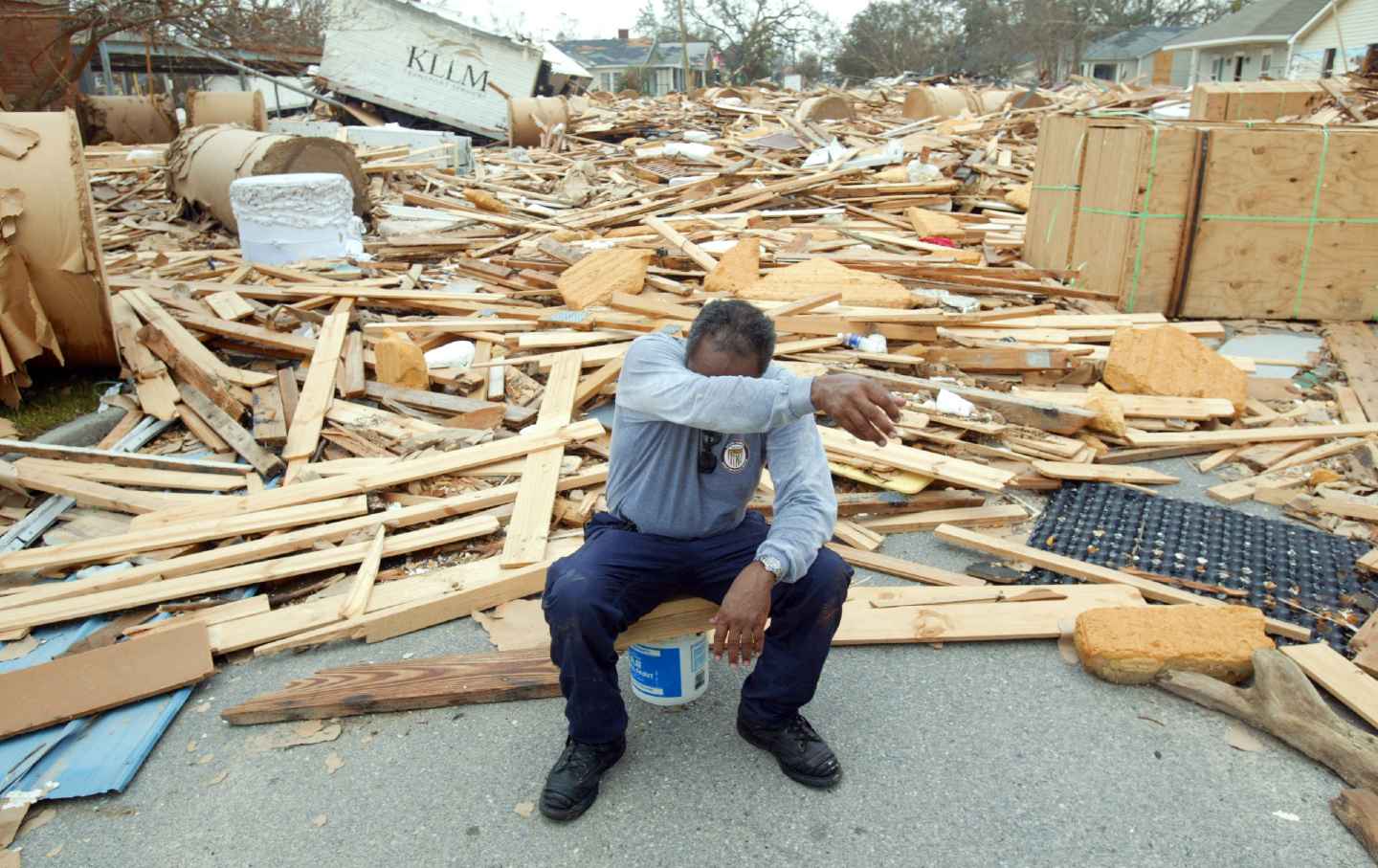
Robin Roberts, a Gulf Coast native, retraces reporting from Hurricane Katrina 20 years later, highlighting personal impact, community loss, and changes in disaster coverage.


US news
fromwww.scientificamerican.com
8 months agoKatrina Helped Revolutionize Hurricane Forecasting. Budget Cuts May Set Us Back
Model projections showed Katrina shifting southward and intensifying, prompting early warnings before a catastrophic storm surge and levee failures that flooded New Orleans.
US news
fromwww.npr.org
8 months agoThe long recovery on the Mississippi Gulf Coast, 'ground zero' for Hurricane Katrina
Hurricane Katrina's 2005 landfall devastated Mississippi's Gulf Coast, destroying tens of thousands of structures, killing hundreds, and causing catastrophic flooding and infrastructure collapse.
Environment
fromwww.scientificamerican.com
8 months agoIs New Orleans Safer Now Than When Hurricane Katrina Hit 20 Years Ago?
Scientists predicted in 2001 that New Orleans' levees would be overwhelmed, but governments largely ignored recommendations before Hurricane Katrina's 2005 levee breaches and deadly flooding.
fromTruthout
8 months agoHurricane Katrina Aftermath Is Both Reverberating and Amplifying 20 Years Later
We're joined now in New Orleans by independent journalist Jordan Flaherty, who was in New Orleans when the hurricane hit, returned to the city soon after being evacuated, to help with relief efforts and to report on what was happening in the streets, particularly to the poor Black communities that were most affected by the hurricane. He's won awards for his reporting on people left behind in the New Orleans city jail after the hurricane and is the author of Floodlines: Community and Resistance from Katrina to the Jena Six. He's joined us many times over the years.
Social justice
fromIndieWire
8 months agoSpike Lee's Return to Katrina Is a Poignant, Cagey Prayer for a Brighter Future That Is Still Out of Sight
While not officially a sequel to his two HBO projects ("When the Levees Broke" and 2010's follow-up, "If God Is Willing and da Creek Don't Rise"), Lee's latest look at the Big Easy still feels like a capper - perhaps an epilogue, given its truncated length (88 minutes as opposed to four hours), revived themes, (when a subject mentions "systemic racism," Lee plasters the words onscreen like a title card),
US news
fromPsychology Today
8 months agoAftercare Is a Must in Mass Trauma
Researchers have defined mass trauma as wars, natural disasters, mass shootings, and pandemics (Theodoratou, Kougioumtzis, Yotsidi, Sofologi, and Megari, 2023). The label of mass trauma also indicates that the trauma is persistent and widespread; the nature of mass trauma also results in human needs being greater than the available resources, thereby hindering the potential for those affected to be able to heal.
Mental health
fromwww.theguardian.com
8 months agoA gay Mardi Gras': the lesbian pop-up bar in New Orleans that was born after Hurricane Katrina
A few months after Hurricane Katrina struck Louisiana in August 2005, Jenna Jordan went on a search for other queer women. She was looking for camaraderie with people like herself who had returned to New Orleans after the storm. Some neighborhoods with sizable gay populations such as the French Quarter were largely spared from flooding, but areas with queer people of color and lesbians, such as Mid-City, weren't as fortunate.
LGBT
US news
fromwww.theguardian.com
8 months agoKatrina: Come Hell and High Water review Spike Lee gets straight to the defiant, joyous soul of New Orleans
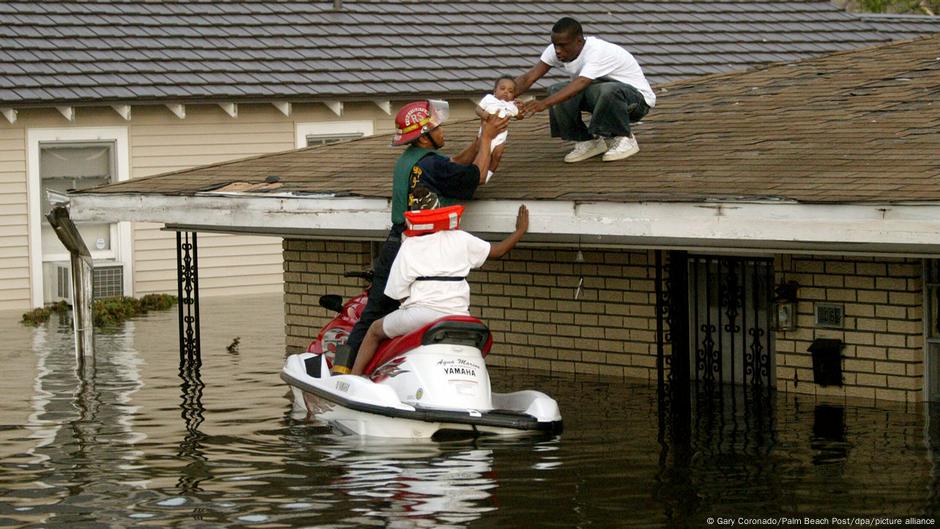
Hurricane Katrina exposed systemic indifference and racism that compounded disaster impacts on impoverished Black New Orleans residents, causing widespread flooding, thousands displaced, and 1,392 deaths.
fromwww.npr.org
8 months agoIt was the costliest hurricane in U.S. history: Have we forgotten Katrina's lessons?
"Come on in," she says. "As you look to the left, you'll see one of the trademark X's. These were put here by first responders. Each symbol has a meaning. This is the date, September 22nd. This is the number of people deceased in the home." If searchers find hazards like gas or a collapsed structure, they note it in the X. A musty smell lingers inside the home, re-created by artists. "This is actually all carefully placed, even though it looks like chaos," Rosenthal says. "This is what the survivors would have seen when they returned home," after the water receded.
US news
US news
fromABC7 Los Angeles
10 months ago'Hurricane Katrina: Race Against Time' revisits the deadly catastrophe ahead of the 20th anniversary
The National Geographic series commemorates Hurricane Katrina's impact with new insights and personal stories.
It highlights the chaos in New Orleans before, during, and after the hurricane.
[ Load more ]