#human-remains
#human-remains
[ follow ]

London
fromwww.theguardian.com
2 months agoVast scale of overseas human remains held in UK museums decried by MPs and experts
UK museums hold over 263,000 human remains from around the world, with 37,000 known to originate from overseas former colonies, representing a colonial legacy that many consider sacrilegious and shameful.
fromwww.theguardian.com
3 months agoFive bones, teeth and car key found in Tasmanian search for missing backpacker Celine Cremer
Investigators are closer to uncovering the mystery of what happened to missing Belgian tourist Celine Cremer after a major discovery in the wilderness. Five bones, teeth and a Honda car key were found by Tasmania police after a two-day search of the Arthur River area, where Cremer is believed to have disappeared. The operation was about 2km from Philosopher Falls, near Cradle Mountain, the last location the 31-year-old visited in June 2023.
World news



US news
fromsfist.com
4 months agoSaturday Links: Human Skull Found Near Monterey, Leads to Discovery of Additional Remains
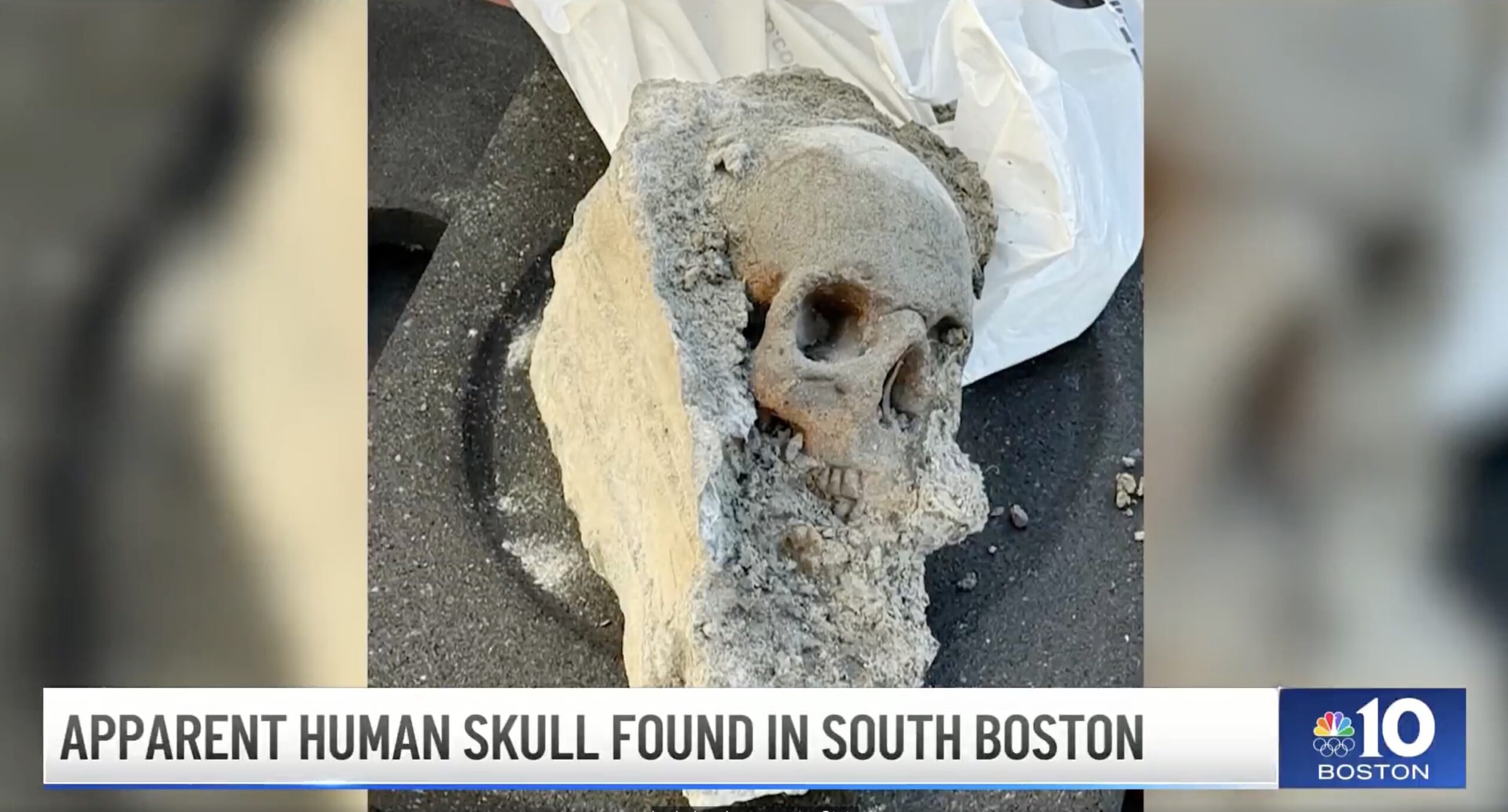
Multiple Bay Area public-safety incidents: human remains found near Monterey, fatal Oakland shootings, SF outages and crashes, parade protest censorship, and alleged nonprofit theft.


:max_bytes(150000):strip_icc():focal(1457x603:1459x605)/Human-skull-found-off-Coney-Island-boardwalk-121025-1b2efc31b8614e5a8e02b9f2f10d29ab.jpg)


fromLos Angeles Times
6 months agoDog leads authorities to uncover suspected human remains near Palmdale
A dog may have led authorities to suspected human remains over the weekend in unincorporated Palmdale. The Los Angeles County Sheriff's Department got a call for service Sunday around 12:22 p.m. near 124th Street East and Pearblossom Highway, according to sheriff's department spokesperson Miesha McClendon. Someone had called deputies about their dog finding a human skull, McClendon said. She didn't have further details about how many human remains were found or the circumstances of the death.
California
fromSun Sentinel
7 months agoWhen human bones turn up in South Florida, this professor and her students get the call
The discovery of what appeared to be a human femur and pelvic bone might have unnerved the construction workers who unearthed them near Lake Worth Beach last week, but for Dr. Heather Walsh-Haney and her students, it was just an average Monday. The forensic anthropologist and Florida Gulf Coast University professor is often one of the first calls officials make when they need to solve the mysteries of Florida's dead.
Science


fromQNS
7 months agoSanitation workers find skeletal remains of dead woman alongside Idlewild Park in Rosedale: NYPD - QNS
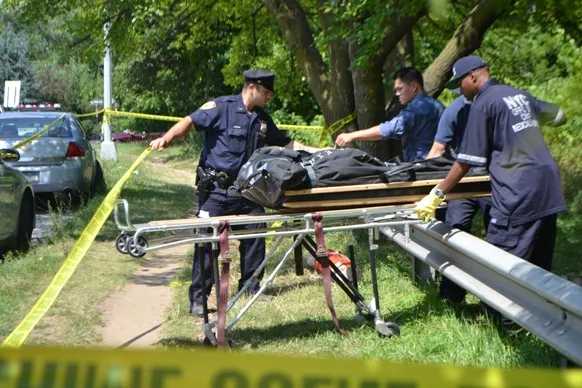
Police say the DSNY workers were clearing trash from an area on the eastern side of the park along Brookville Boulevard near 149th Avenue when one of them grabbed a garbage bag and was about to toss it into the hopper of their truck when he caught a whiff of a foul odor emanating from inside the bag at around 7 a.m., and they called it in to the NYPD.
New York City
fromIndependent
7 months agoFather made video call to gardai before body of little Daniel Aruebose found in Donabate
Gardaí held a video call with Daniel Aruebose's father from the wasteground where his suspected remains were found as part of their efforts to pinpoint where the little boy was buried.
Miscellaneous
fromThe Art Newspaper - International art news and events
8 months agoTasmanian museum kept and displayed human remains for decades without families' consent, report finds
A Tasmanian pathology museum kept, and in some cases displayed, 177 specimens of human remains for decades without relatives' knowledge or coronial approval, according to a damning report published by the Magistrates Court of Tasmania. The report, handed down on 11 September, found that pathologists had retained human specimens and given them to the R. A. Rodda Museum of Pathology at the University of Tasmania in Hobart between 1966, when the museum was established, and 1991.
World news
fromLos Angeles Times
8 months agoRotting corpse found in Tesla trunk at Hollywood tow yard
Human remains were found in the trunk of a Tesla at a Hollywood tow yard Monday afternoon, according to authorities. ABC7 reported that the vehicle was registered to David Anthony Burke, a musician whose stage name is D4vd. The singer is expected to perform in Minneapolis Tuesday for his world tour. About 12:20 p.m. Monday, the Los Angeles Police Department responded to Hollywood Tow on Mansfield Avenue, according to Officer Charles Miller.
US news
fromwww.theguardian.com
8 months agoA necklace of teeth isn't acceptable': the battle over the rise in sales of human remains
Speaking from his macabre curiosities shop in Essex in a recent YouTube interview, Scragg wears a shabby bowler hat, has tribal-style face tattoos and a ginger beard that descends into three pendulous dreadlocks. The shop, Curiosities from the 5th Corner, provides a backdrop that could be plucked straight from a Victorian penny dreadful: a foetus of conjoined twins floats in a large medical jar at Scragg's elbow, shelves of human skulls and a hybrid animal skeleton loom behind.
Law

fromTheartnewspaper
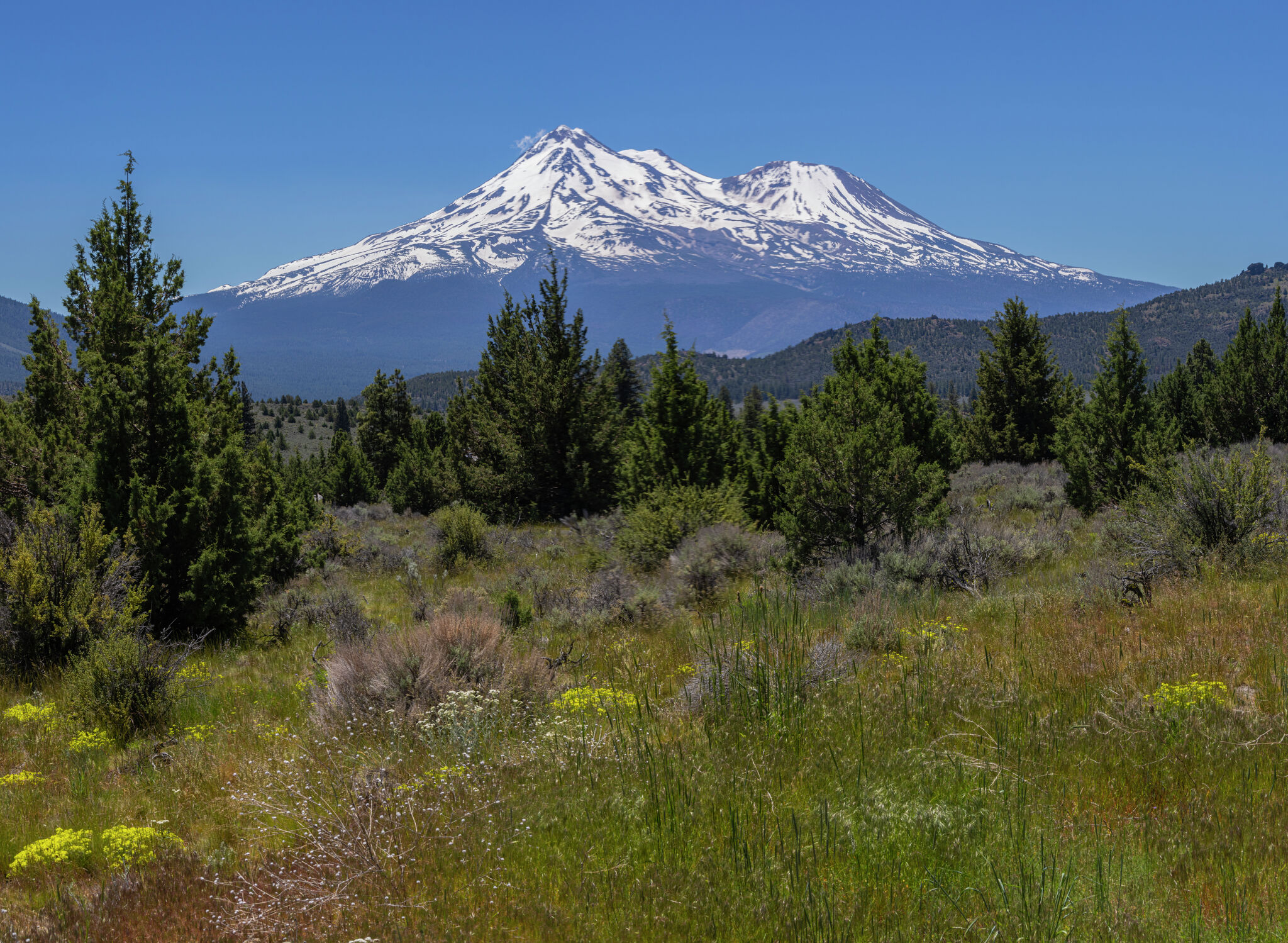
11 months agoWereldmuseum Amsterdam ponders space to 'respectfully' house human remains
We have chosen not to show any human remains. And that is a push with a lot of different museums. For us it is a complex story because physical anthropology is one of the important departments.
Arts
fromwww.newsshopper.co.uk
1 year agoInvestigation launched after human remains found near kids playground in Lewisham
Tiny kids were playing right next to literal bits of human arm. Another mum added: I've literally just had a baby, it's absolutely terrifying, we moved here to be safe we just don't know what to do.
UK news
[ Load more ]