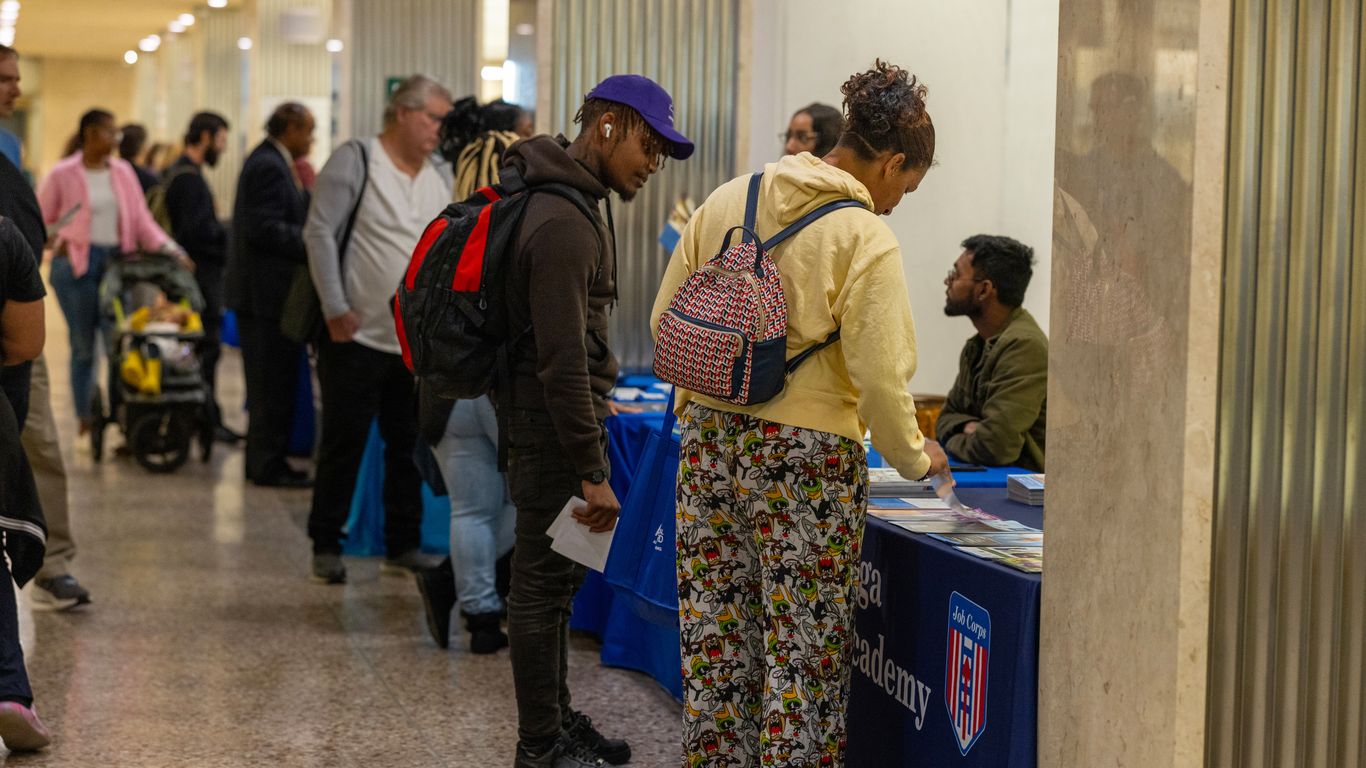
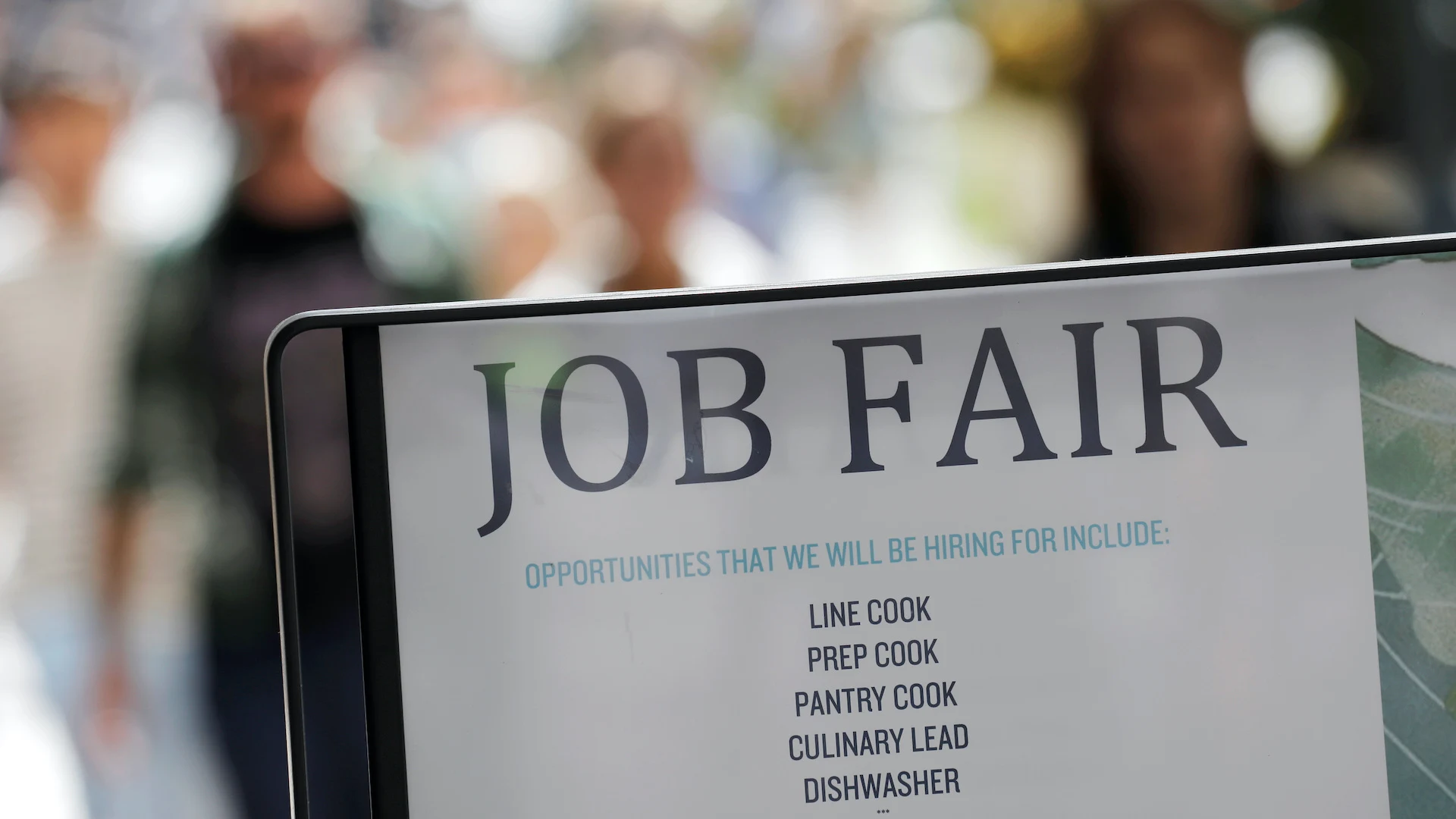
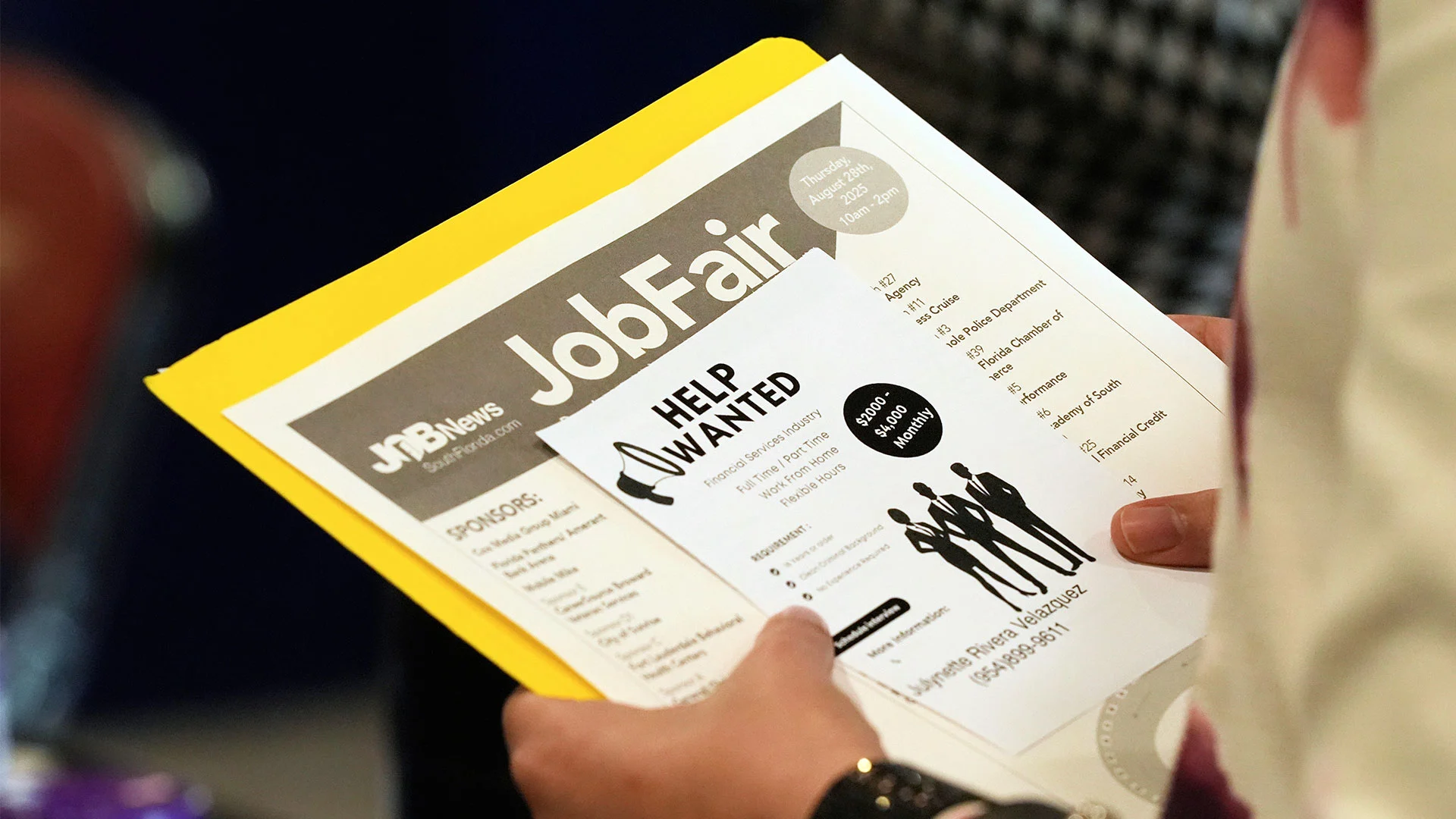
The U.S. job market is sluggish and confusing this fall. American companies are mostly holding onto the employees they have. But they're reluctant to hire new ones as they struggle to assess how to use artificial intelligence and how to adjust to President Donald Trump's unpredictable policies, especially his double-digit taxes on imports from around the world. The uncertainty leaves jobseekers struggling to find work or even land interviews.
In July 2024, Magdalena Robinson was laid off from her job as a vice president of talent acquisition at a media agency. The news came as a shock - by all accounts she was doing well - but she saw a silver lining: Maybe it was finally time for a career break. She took the rest of the year off, soaking in the extra time with her husband and teenage daughter. Then she started applying for jobs in January.
America's annual holiday shopping rush is usually preceded by a hiring sprint as retailers beef up their front-line workforces to meet the masses. But this year, there aren't as many jobs available at major retailers as there have been in years past. Retail hiring rates are at their lowest since 2009, according to analysis by outplacement firm Challenger, Gray & Christmas. "The cautious pace of announcements so far suggests that companies are not betting on a big seasonal surge," the firm's senior vice president, Andy Challenger, said in its report.
Britain has recorded the steepest decline in hiring intentions of any major European economy, as employers struggle with the fallout from last autumn's £26bn payroll tax raid and brace for another squeeze in the Chancellor's November Budget. Data from recruiter ManpowerGroup UK shows the UK labour market is slowing at a pace unmatched elsewhere in Europe. The margin has since collapsed to just 11 points, marking a 17-point fall over the past year.