#graphic-content
#graphic-content
[ follow ]
#social-media #content-moderation #violence #comedy #single-motherhood #drama #horror-film #faces-of-death

fromPsychology Today
2 months agoWhy Graphic News Stories May Not Be Safe for Everyone
Recently, the internet has been awash with stories and commentary related to Jeffrey Epstein's sex crimes, many of which are saturated with graphic and disturbing details. Some social media influencers appear to even be counting on Epstein-related content to increase their reach. Not everyone should consume this kind of material, however. When engaging with the Epstein coverage in particular or with graphic news stories in general, some people may be at an increased risk for re-traumatization or vicarious trauma. These include:
Mental health
#content-moderation

Mental health
fromwww.theguardian.com
1 year agoI didn't eat or sleep': a Meta moderator on his breakdown after seeing beheadings and child abuse
Exposure to extreme graphic content significantly affected Solomon's mental health as a Meta content moderator.
Desensitization to horrific imagery became a disturbing part of Solomon's work experience.
US news
fromIndependent
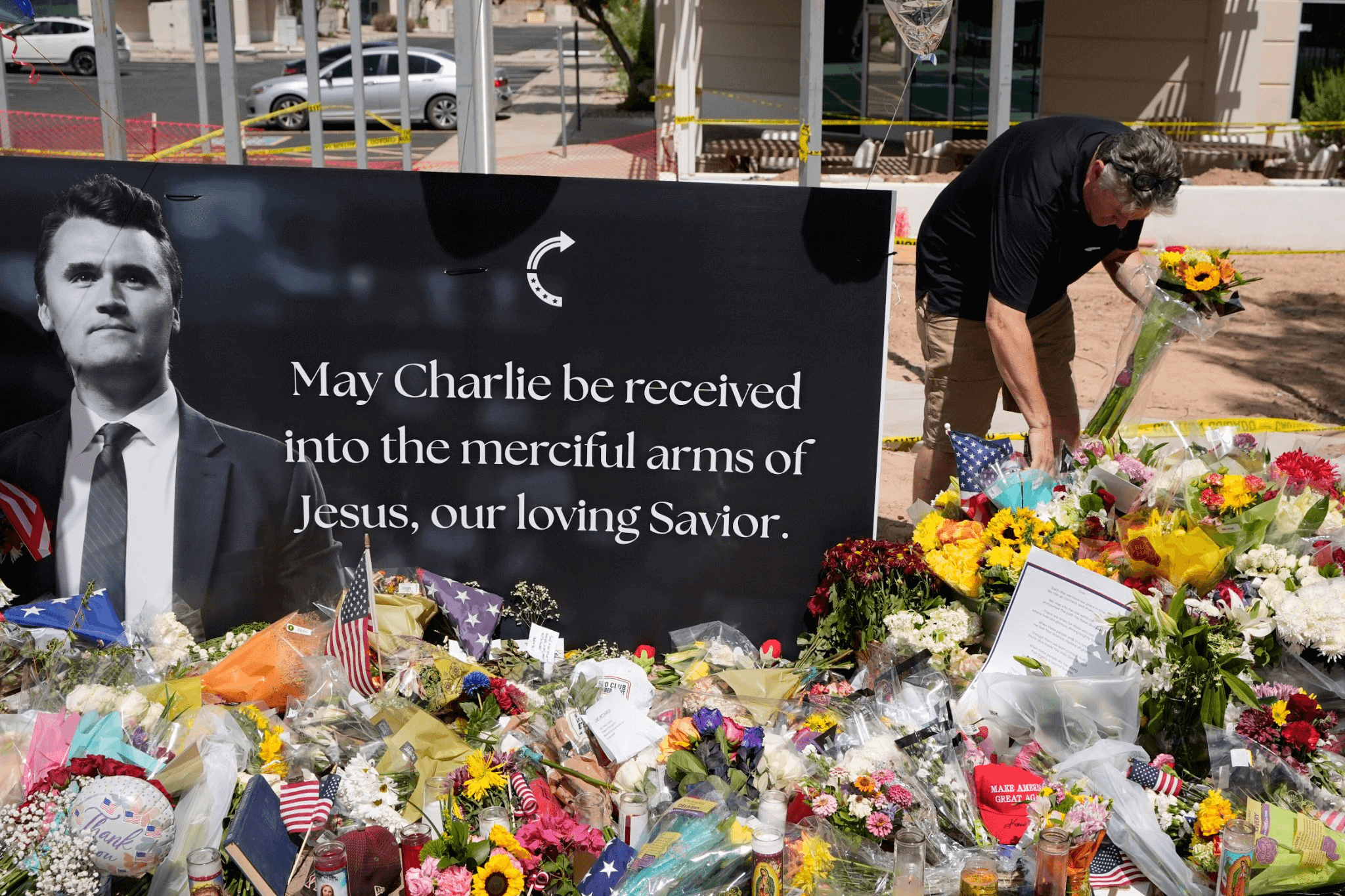
8 months agoAdrian Weckler: Search through social media reveals graphic videos of Charlie Kirk assassination can still be widely found - but why?
Graphic violent footage and platform loopholes are intensifying political tensions and prompting accusations of censorship against media regulators.
[ Load more ]