Whenever I'm asked about my recent trip to Alaska-a journey to visit Katmai National Park & Preserve and Kenai Fjords National Park-I nearly always mention the scale. The scale of the glaciers, the mountains, the sunsets, and the utter wilderness; every aspect of the landscape was just so much larger and more grand than anything I'd ever experienced. Magnitude is a continuous theme all across Alaska.
Though they look still on the surface, millions of optical and radar satellite images collected from 2014-2022 reveal that the rate of each glacier's flow depends on the season and geographic location. In Arctic regions of Russia and Europe, for instance, glaciers typically reach top speeds during summer or early fall, while in Alaska, they accelerate the most during spring.
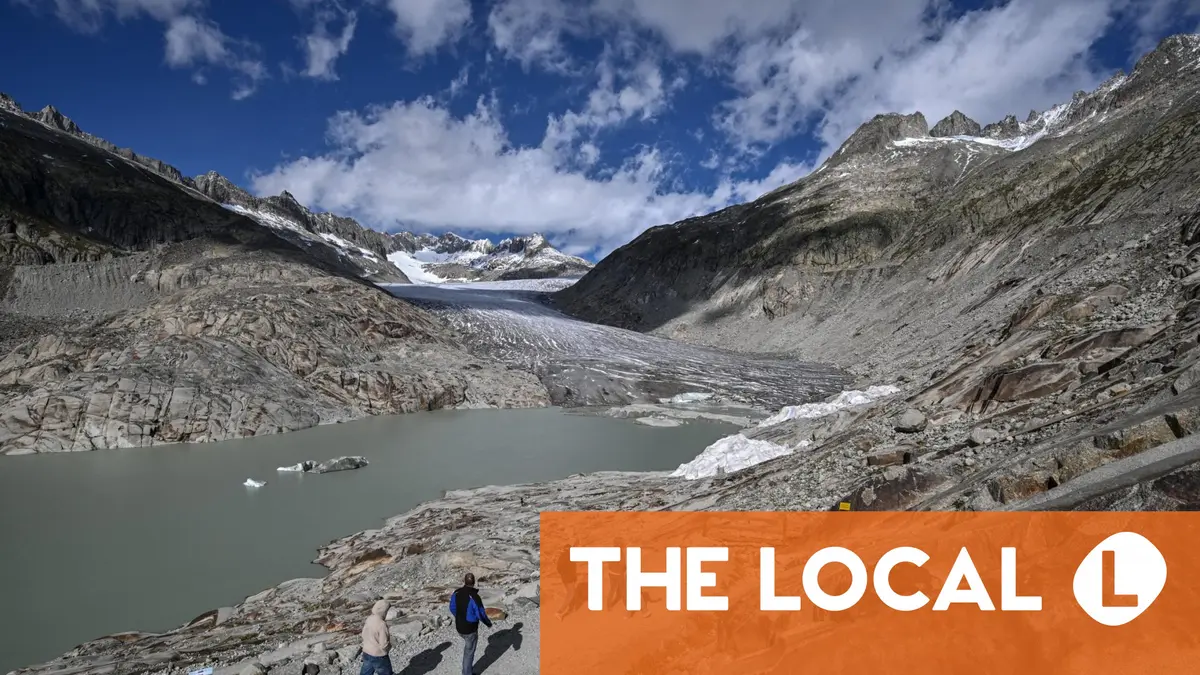
Bütler runs a law firm focusing on spatial planning and environmental law in Zurich. This past March, he delivered a seminar on the legal dimensions of glaciers before Zurich's glaciology group. "It's really a sad development that in Switzerland, the climate has changed very rapidly and strongly, and the effect is very real. And we lose a lot of snow and ice each year, which is hard to take," he said. "Some 40 years ago, it was a completely different world here."
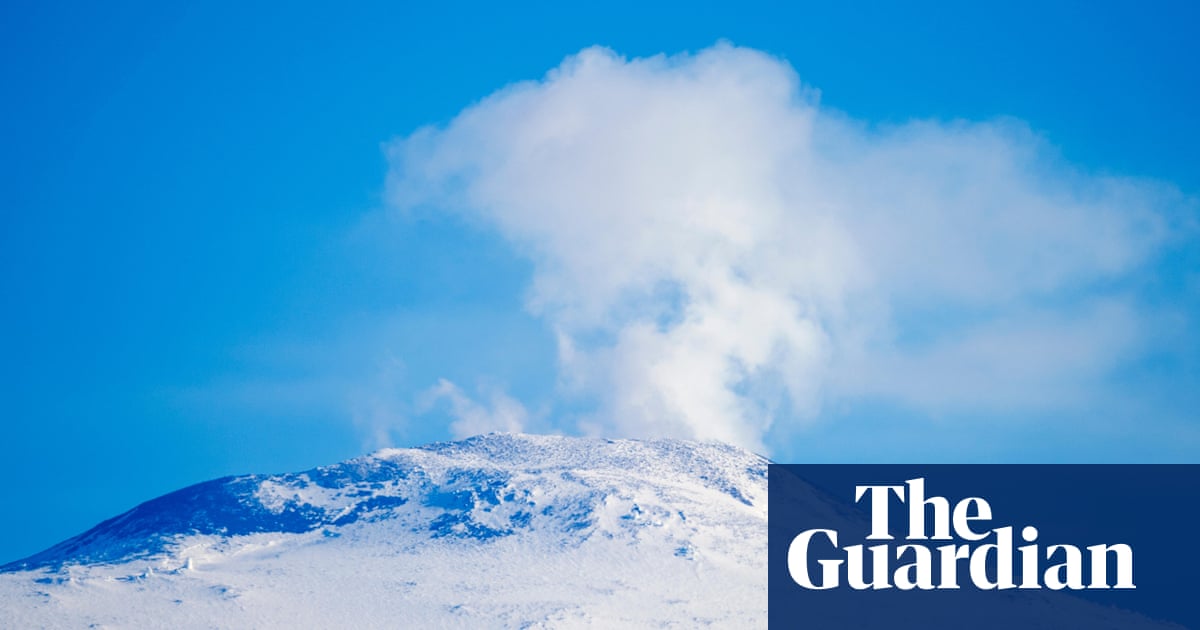
"Glaciers tend to suppress the volume of eruptions from the volcanoes beneath them," said University of Wisconsin-Madison graduate student and lead author Pablo Moreno-Yaeger in a statement. "But as glaciers retreat due to climate change, our findings suggest these volcanoes go on to erupt more frequently and more explosively."
We think that the observed slowdown on Kohler West Glacier is due to the redirection of ice flow towards its neighbor - Kohler East. This is due to the large change in Kohler West's surface slope, likely caused by the vastly different thinning rates on its neighboring glaciers.