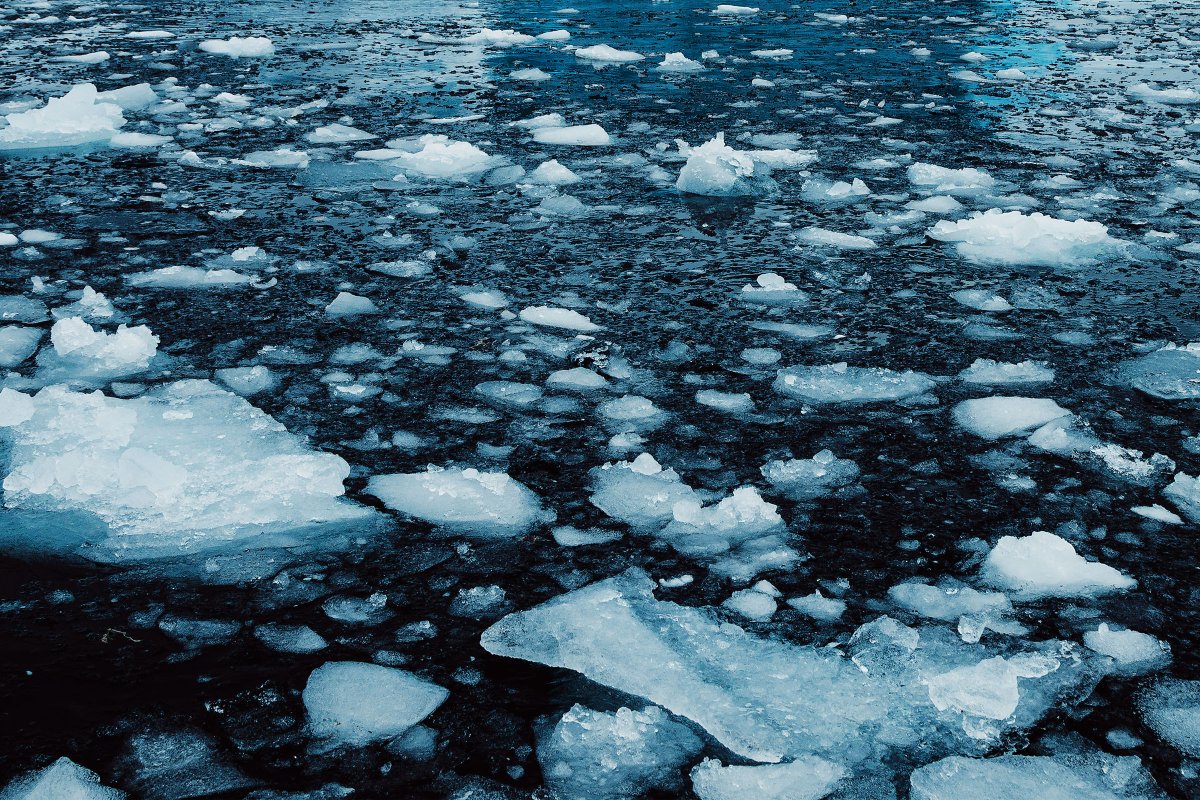
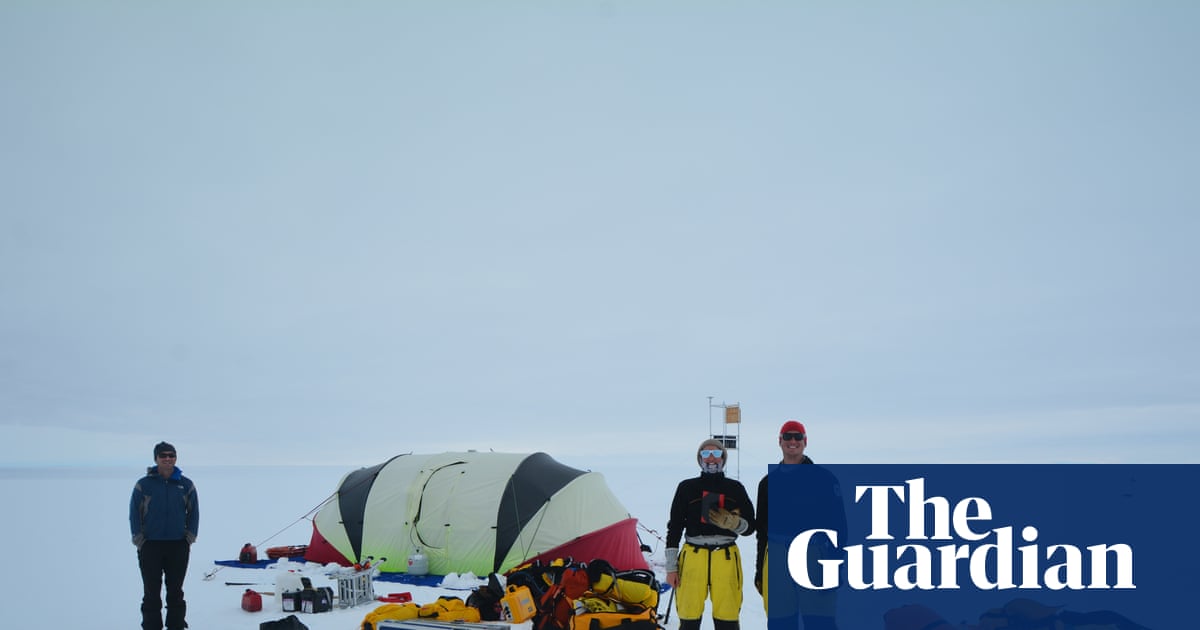
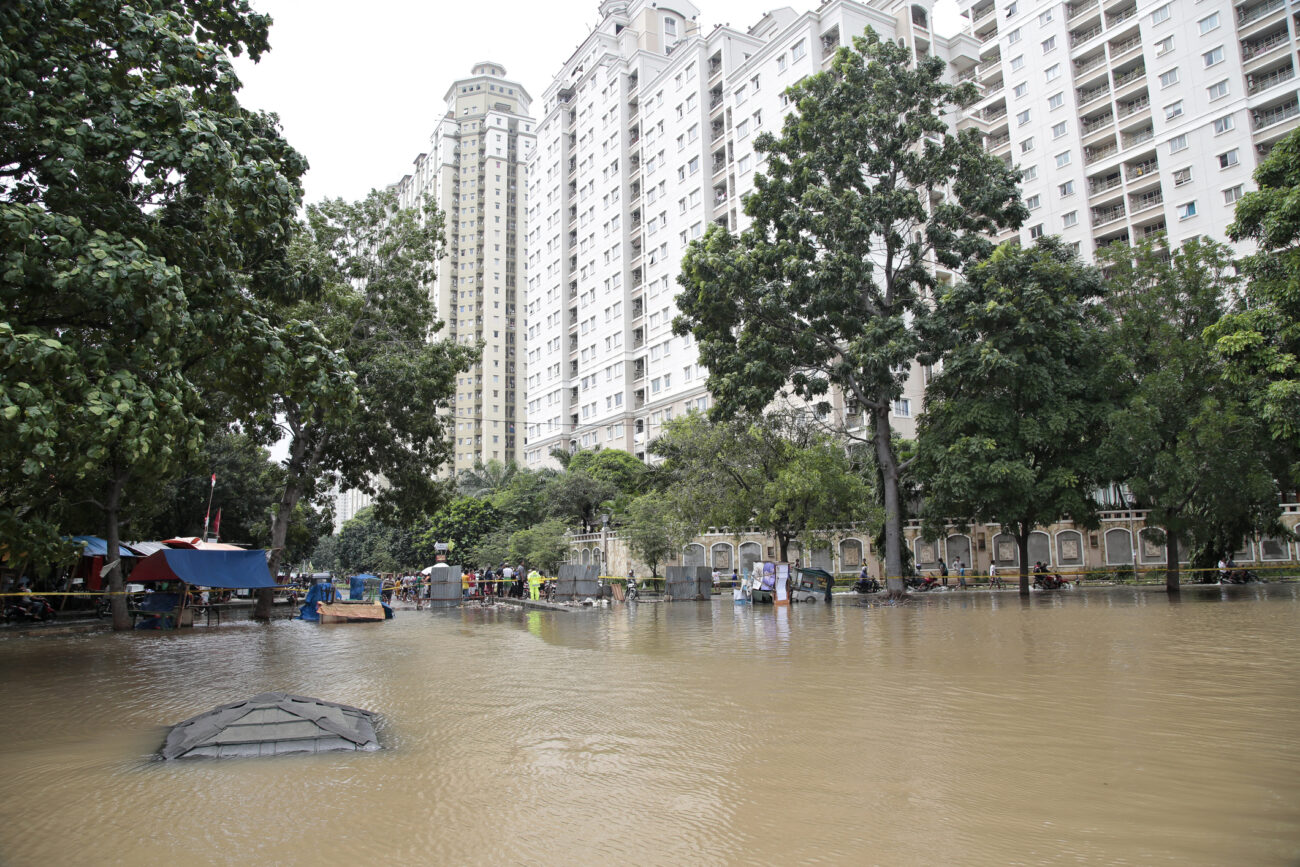
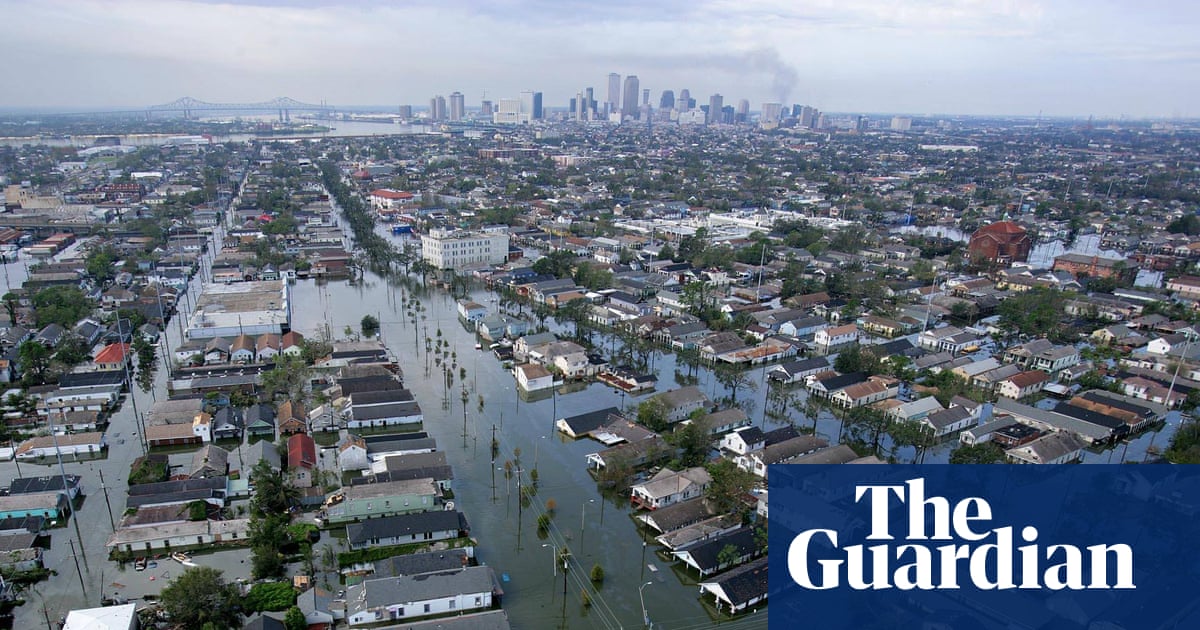
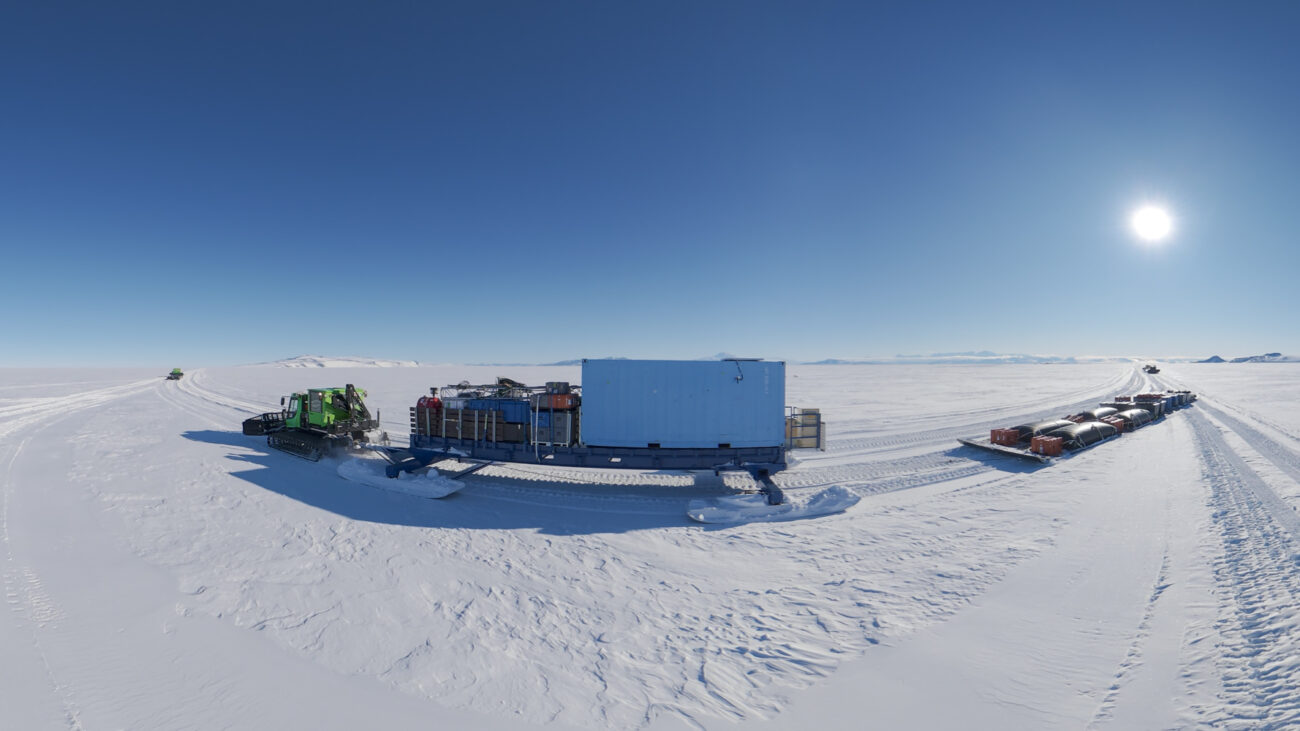
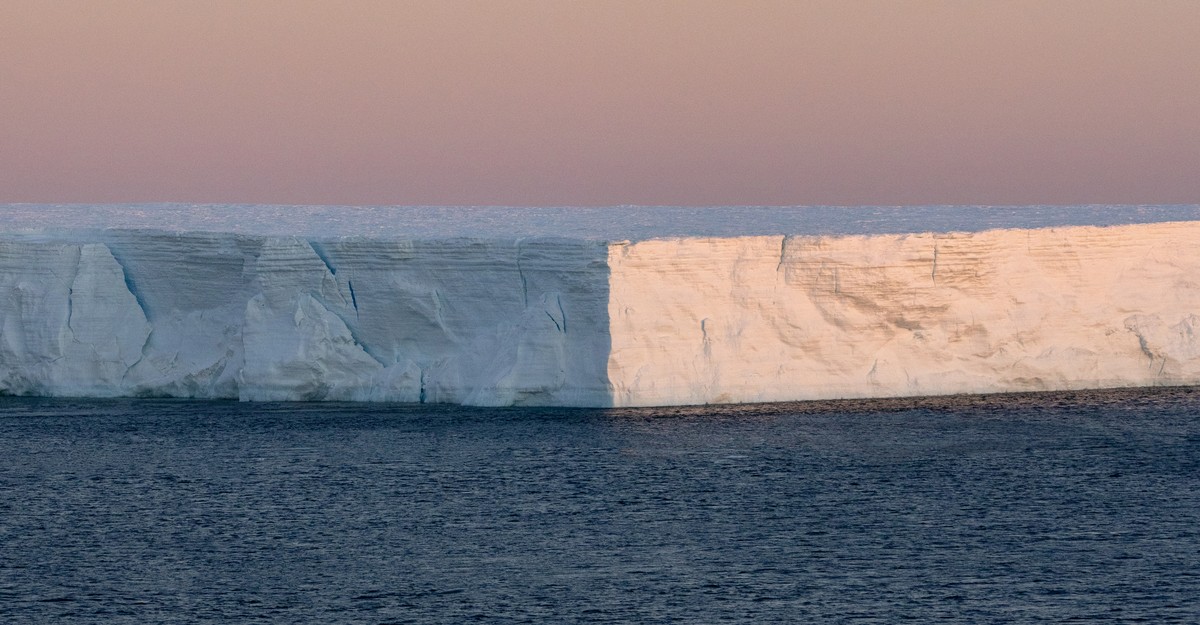
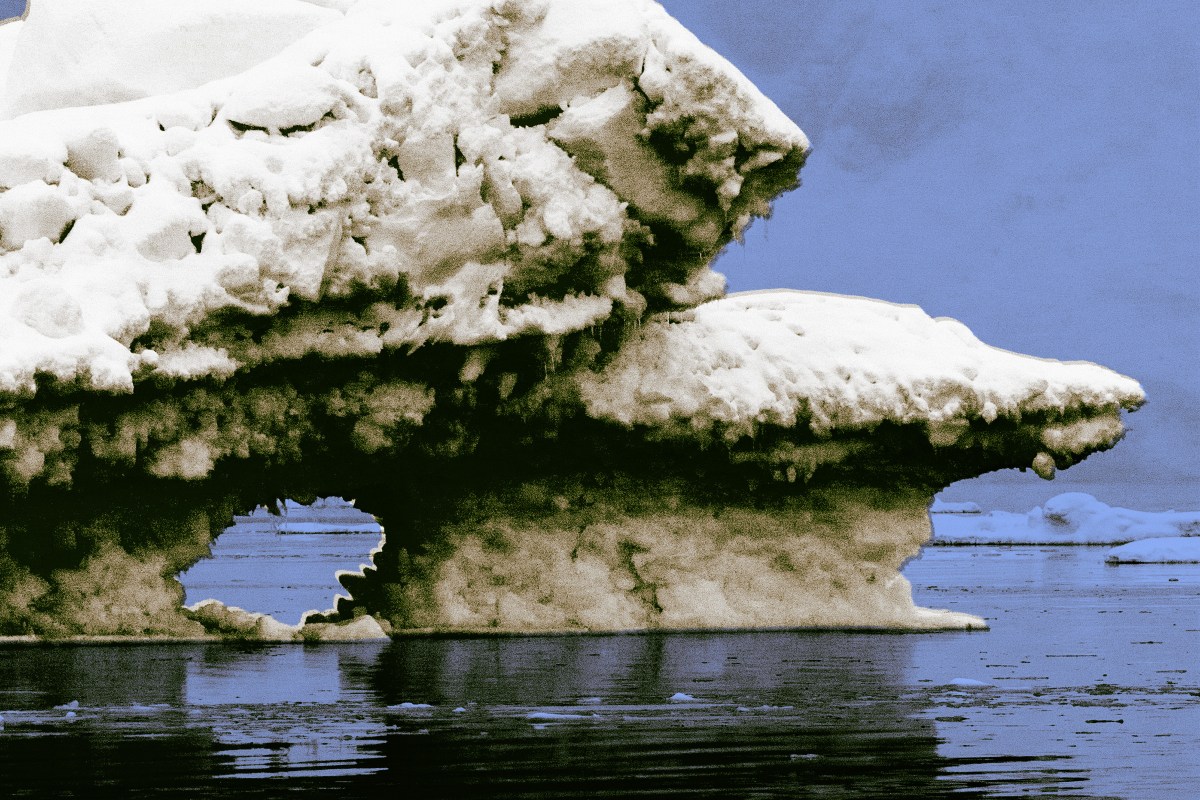
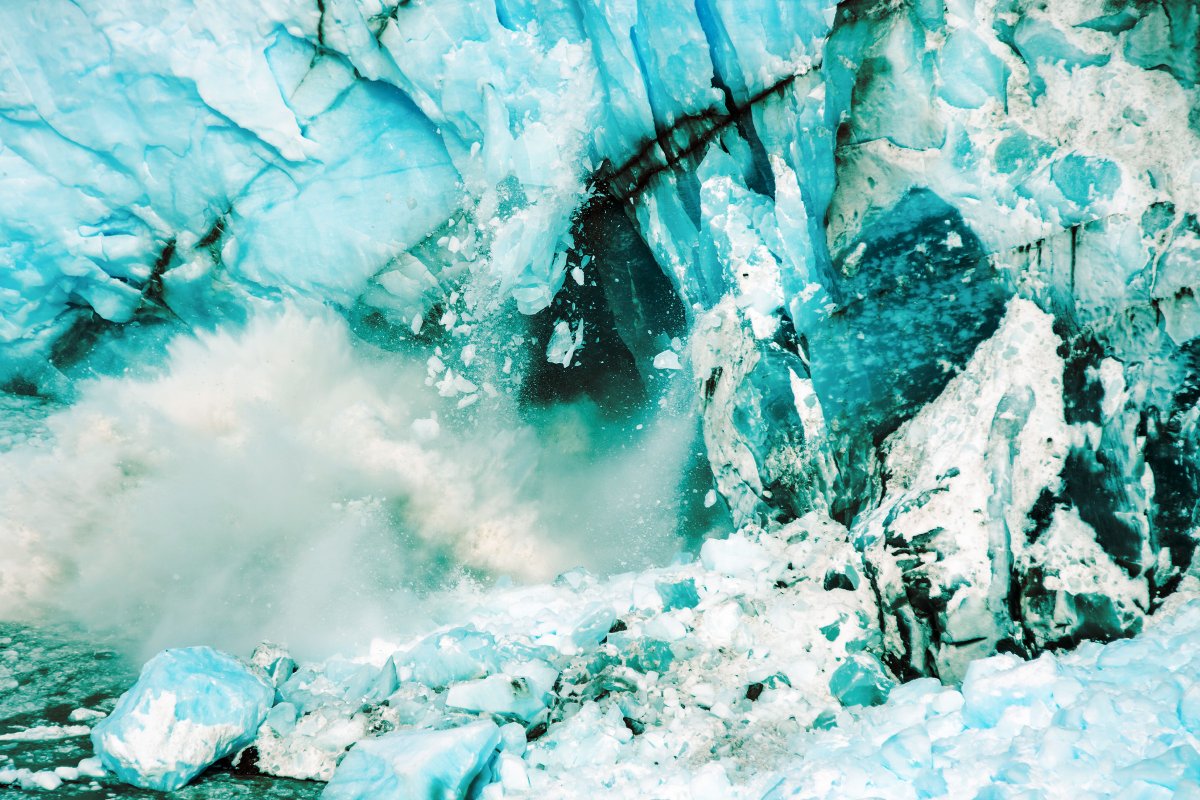
When we envision the South Pole, we tend to think of a fixed point on Earth. But it is more fluid than you might suppose. For starters, the geographic South Pole is situated at the southern tip of Earth's axis, pretty much right in the middle of Antarctica. But this place on our planet does not coincide with Earth's magnetic or geomagnetic South Polesthose are related to the planet's magnetic field and are located on the Adelie Coast and near Russia's Vostok Station, respectively.
In a move to restore vital marsh habitat and combat sea level rise, the East Bay Regional Park District has acquired 77-acres of the Hayward Regional Shoreline from the Hayward Area Recreation and Park District. The property transfer this week furthers East Bay Parks' vision to open the shoreline for public access along the San Francisco Bay Trail and revitalize the tidal marshes that existed there over a century ago, before industrial salt ponds peppered the San Francisco Bay shoreline.
recent scientific studies have recorded an average annual rise of seven millimeters over the past two decades. This is the second-highest sea level rise in the entire Caribbean, surpassed only by areas in southern Haiti. The underlying story is the same: greenhouse gas emissions have accelerated the melting of the polar ice caps. Consequently, the coastlines in some of these locations begin to subside in a geological process that poses a threat and a source of anxiety for residents.
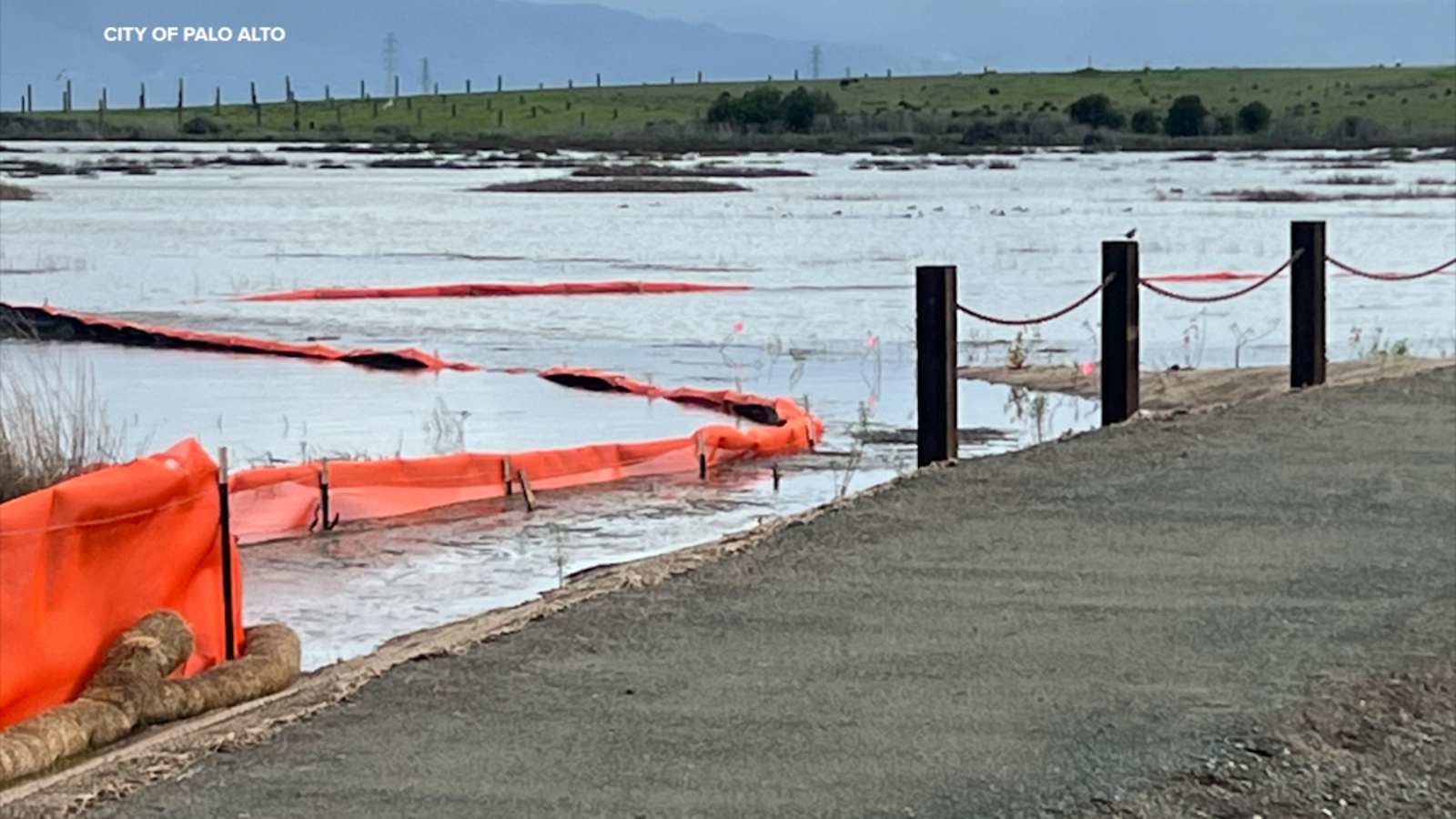
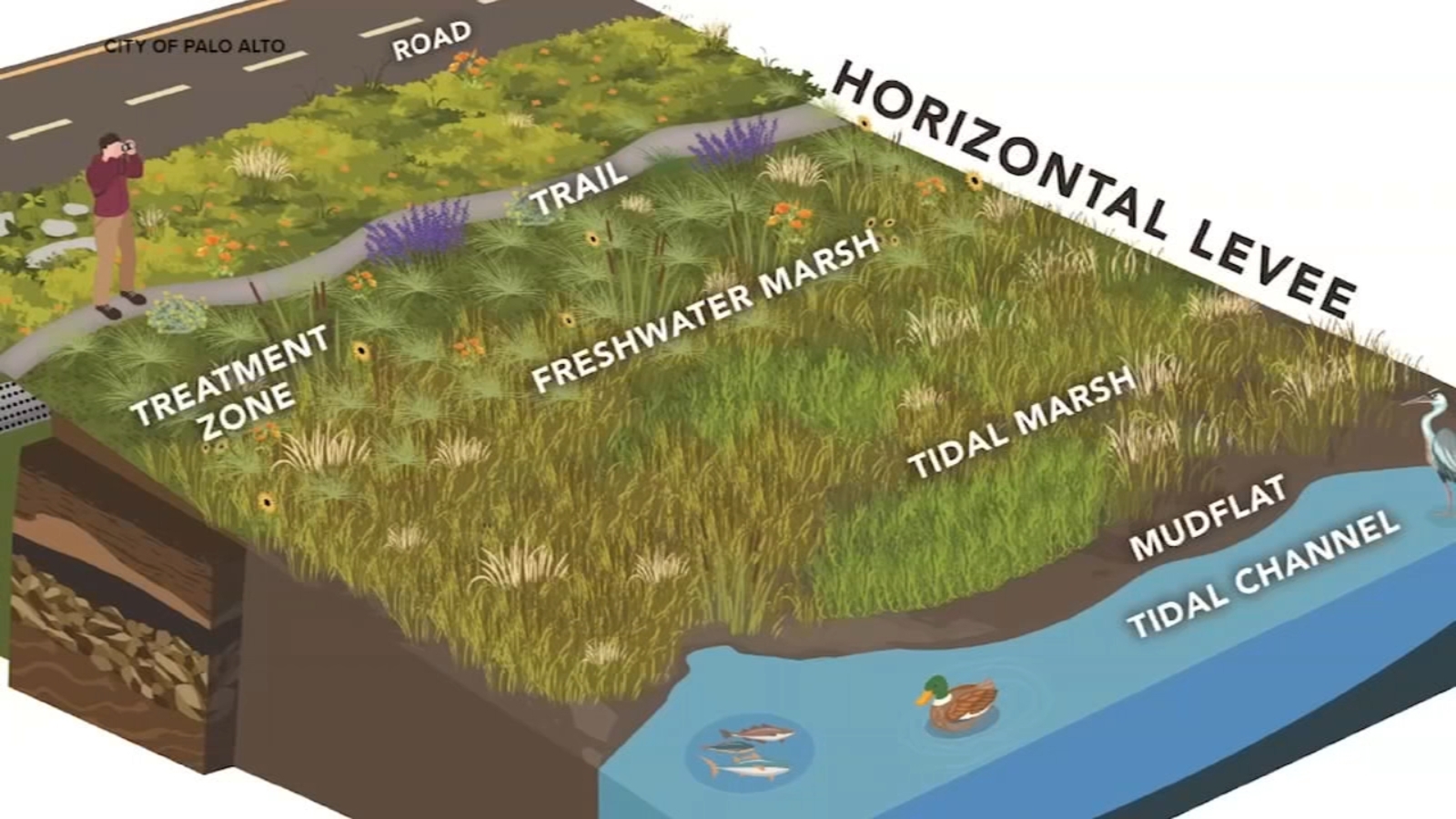
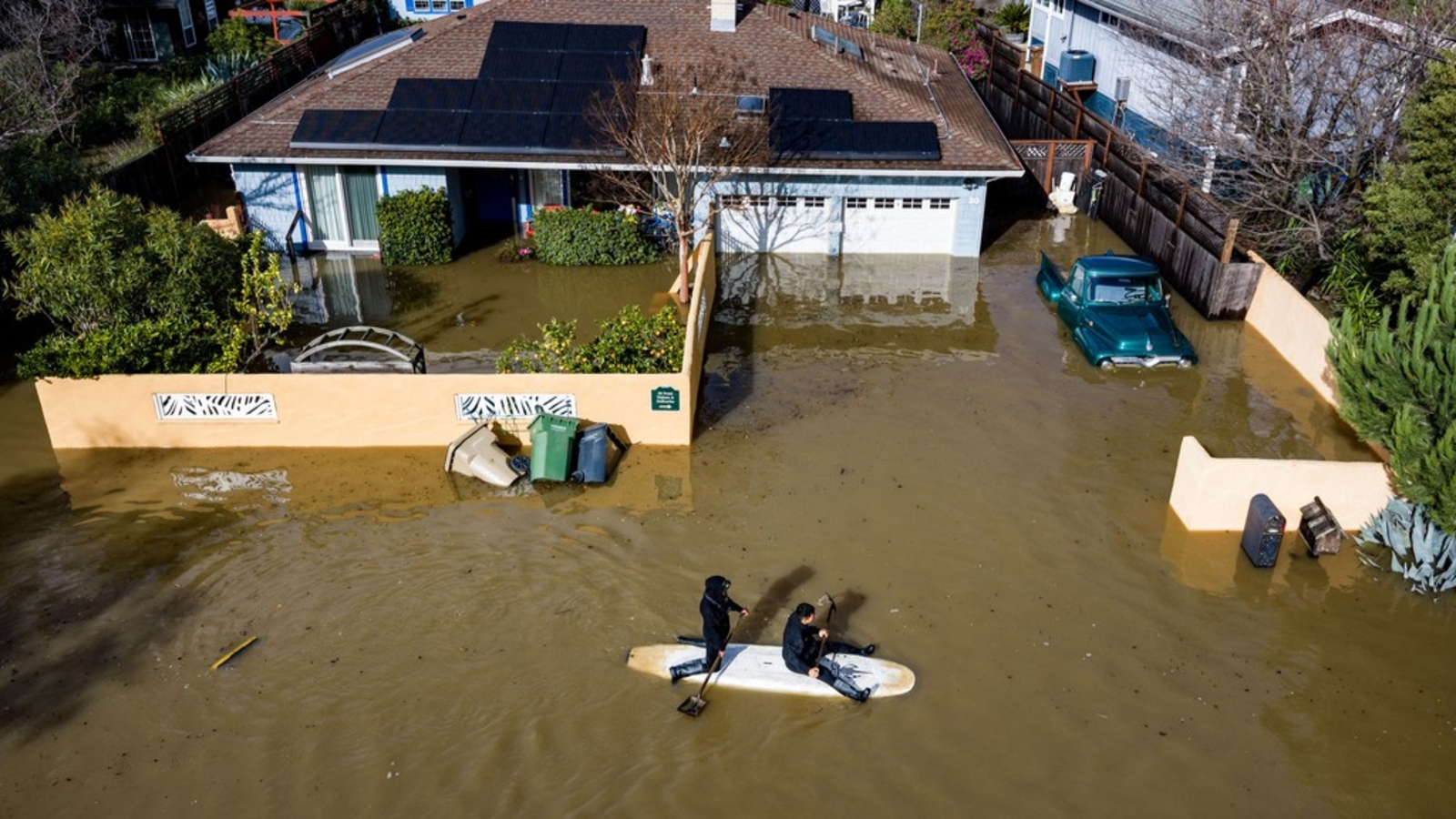
Volunteers were out bright and early Wednesday morning along the Harbor Marsh coastline in the Palo Alto Baylands, joining an effort to build a nature-based buffer designed to absorb storm surges and curb flooding amid climate change and sea-level rise that threaten shoreline communities. They were helping build what project developers described as the Bay Area's first horizontal "living levee" directly connected to the Bay and irrigated with treated wastewater.
Though they look still on the surface, millions of optical and radar satellite images collected from 2014-2022 reveal that the rate of each glacier's flow depends on the season and geographic location. In Arctic regions of Russia and Europe, for instance, glaciers typically reach top speeds during summer or early fall, while in Alaska, they accelerate the most during spring.
In 2009, Swiss photographers Mathias Braschler and Monika Fischer set out to document the people suffering the first shocks of the climate crisis. They had just returned from China, where rapid, unregulated development has ravaged the natural landscapes. Back home, though, the debate still felt strangely theoretical. In 2009, you still had people who denied climate change, Braschler recalls. People said, This is media hype.'
"It's just so addictive," Ramanujam said. "Wetlands are the first thing you see when you land in the Bay Area. The beautiful colors, red, pink, green." He's worried that rising sea levels, driven by human-caused climate change, could swallow the baylands he loves so dearly. Climate scientists predict that melting ice caps and expanding ocean waters could cause the seas to rise anywhere between a foot by 2050 and more than six feet by the end of the century.
Franck Detcheverry, Miquelon's 41-year-old mayor, trudges up a grassy hill. The view isn't too bad, huh? he jokes. The ocean sparkles 40 metres below the empty mound. The sound of a man playing the bagpipes, as if serenading the sea, floats up from the shoreline. This hill will be the location of his new home and those of all his fellow villagers.
101 East investigates how Easter Island is creating a sustainable way of living that could inspire the world. Easter Island, also known as Rapa Nui, is famous for its towering stone statues and Polynesian culture. But the remote and picturesque Pacific island was almost wiped out in the 19th century by slave trading and European diseases. Today, Rapa Nui faces a new battle rising sea levels from global warming.
"Recent changes observed in Antarctica now show that it is much more Greenland-like than earlier prognoses," wrote the authors of a recently-published paper titled "The Greenlandification of Antarctica."If your first reaction upon seeing that title is to wonder what Greenlandification means, the paper's authors have helpfully provided a definition: "he transition of a cold, stable ice mass with low or negligible surface melt to one more similar to present-day Greenland, where a warmer atmosphere and ocean drive increased surface and submarine melt and sustained calving activity."
Before colonial settlers arrived in the 1700s, Indigenous people likely traveled to the island in the summer to take advantage of the abundant fish and crabs, according to the National Park Service. Many descendants of the original settlers with surnames like Crockett, Parks and Thomas have remained to this day. The isolation has allowed the development of a unique accent, one that some residents describe as a mix between "Southern" and "Elizabethan" English.
Assembly Bill 697 would authorize the construction of additional travel lanes on State Route 37 between Vallejo and State Route 121 in Sonoma County by allowing the Department of Fish and Wildlife to issue a " permit for the incidental take of fully protected species." Normally, such a permit requires a study and a remediation plan, but legislation passed in 2023 created a streamlined process for certain situations.
Not only is Danielle working to implement the city's Climate Action and Resilience Plan (CARP) to reduce greenhouse gas emissions and adapt to climate change, she also founded and co-chairs the Oakland Alameda Adaptation Committee (OAAC), a coalition of more than 30 local, regional, state and federal stakeholders and community-based organizations. OAAC partners work collaboratively to identify and implement actions to address sea level rise; protect and restore water quality, recreation and habitat; and promote community resilience.
For more than 20 years, Mussel Rock, a steep stretch of oceanfront land in northern San Mateo County with breathtaking views of the Pacific Ocean and the Farallon Islands, was a garbage dump. Two communities, Pacifica and Daly City, threw away thousands of tons of trash there starting in 1957, when Dwight D. Eisenhower was president, I Love Lucy and Elvis ruled TV and radio, and environmental laws were few and far between. The landfill closed in 1978.