#germany-lebanon-relations
#germany-lebanon-relations
[ follow ]
#israel #lebanon #hezbollah #ceasefire #iran #middle-east-conflict #middle-east #trump #eu #germany #conflict #diplomacy






fromwww.dw.com
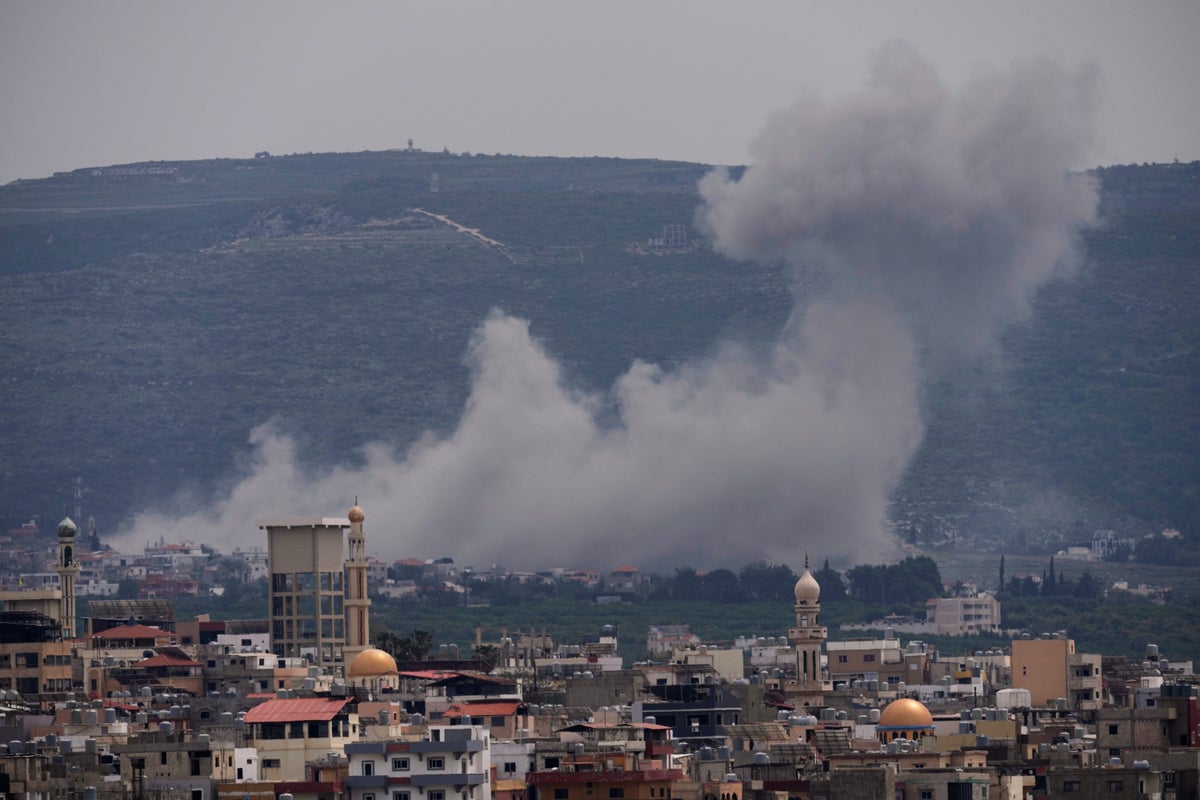
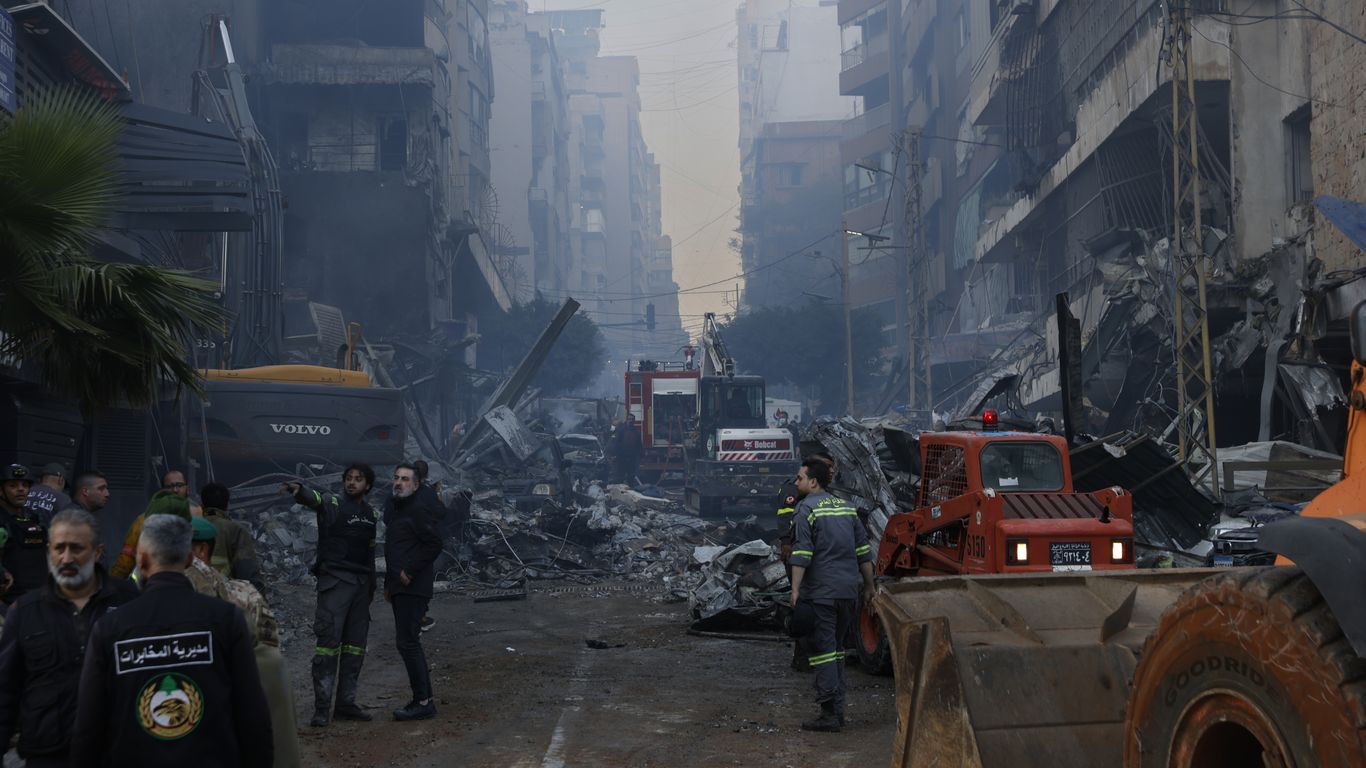
2 months agoGermany news: Berlin, Rome sign cooperation agreement
Germany and Italy are deepening defense and economic cooperation with the leaders of the two countries signing an agreement in Rome. German Chancellor Friedrich Merz and Italian Prime Minister Giorgia Meloni agreed on closer cooperation in the production of drones, naval vessels, underwater systems and air and missile defense systems. The leaders are also looking to collaborate in the development of electronic warfare and aerial combat defense systems.
Miscellaneous
fromwww.aljazeera.com
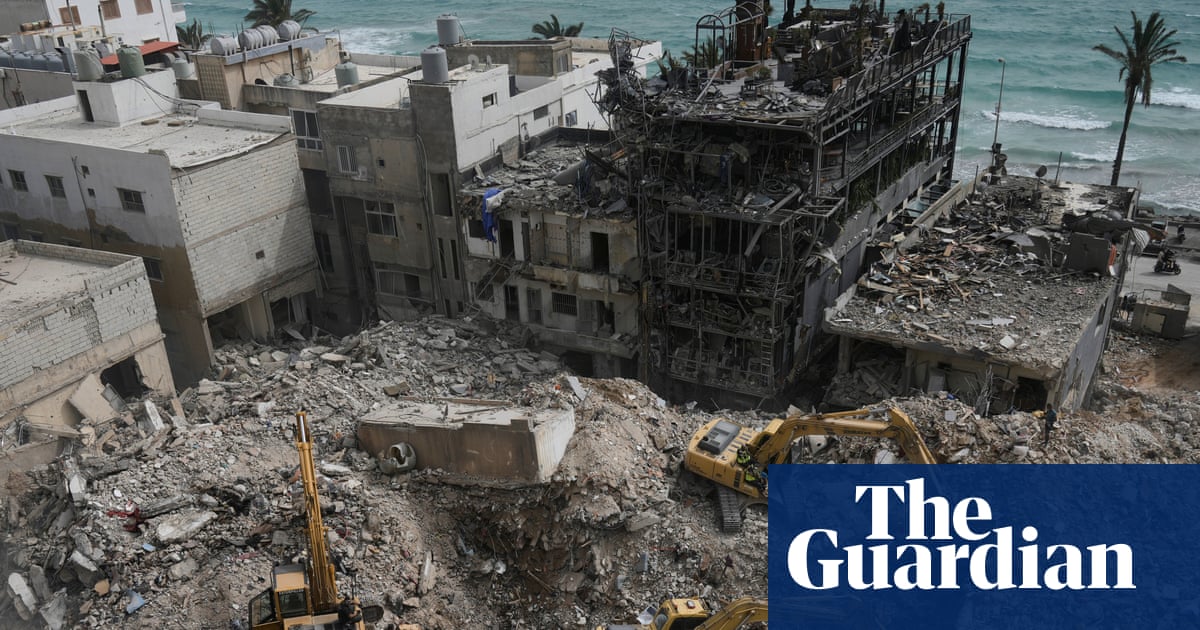
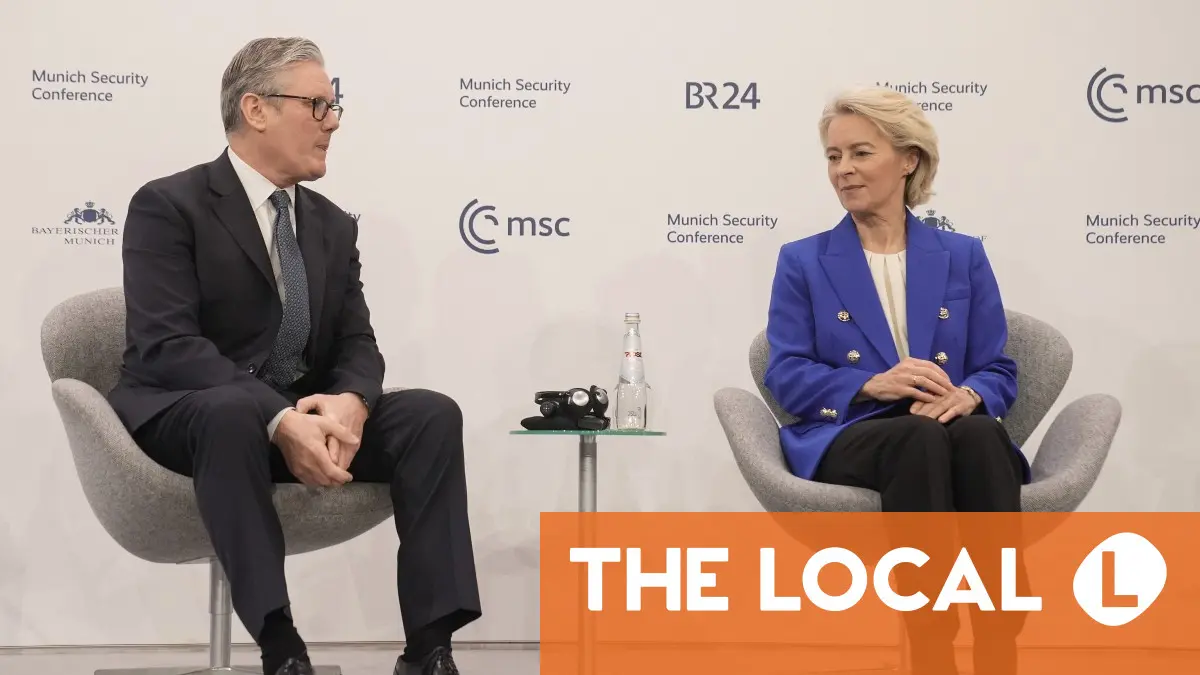
5 days agoSectarian fears increase as a Beirut area says no to displacement centre
A number of politicians and protesters were opposed to setting up the centre, citing a number of reasons, including increased traffic to the area near Beirut's port and health concerns. But there were also sectarian motivations with some of Karantina's Christian population leading objections to housing the displaced, who are predominantly Shia Muslims, citing demographic concerns and using sectarian slogans reminiscent of language used during the 1975-1990 Lebanese Civil War.
France politics

fromwww.thelocal.de
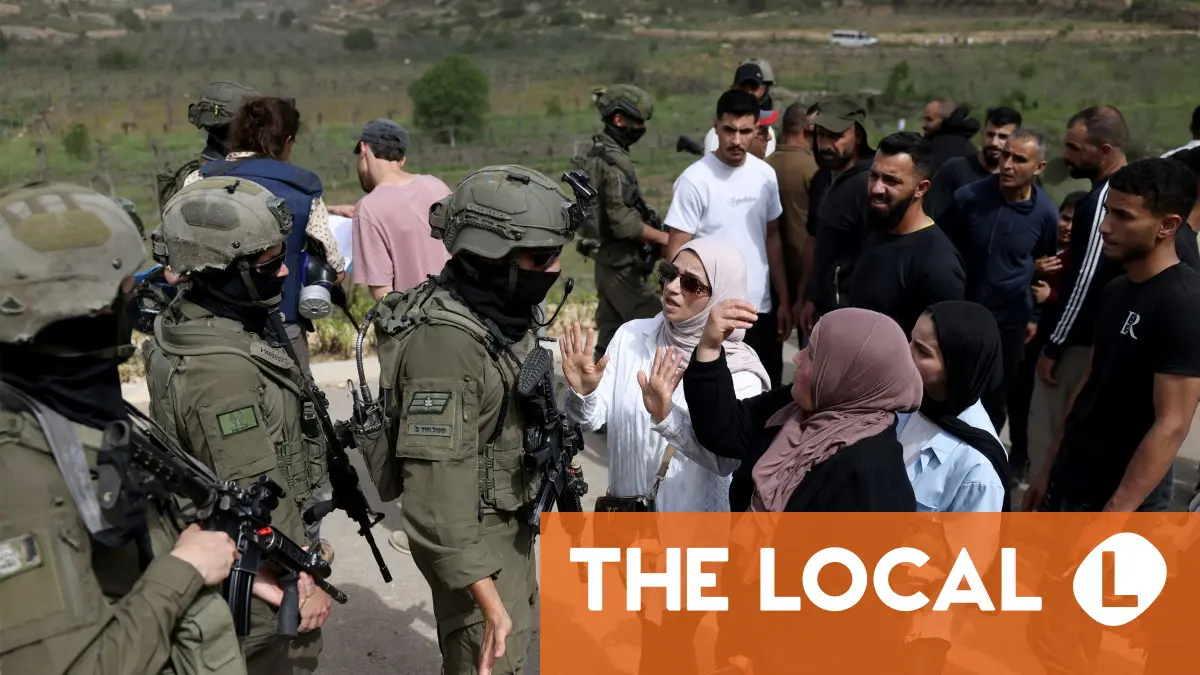
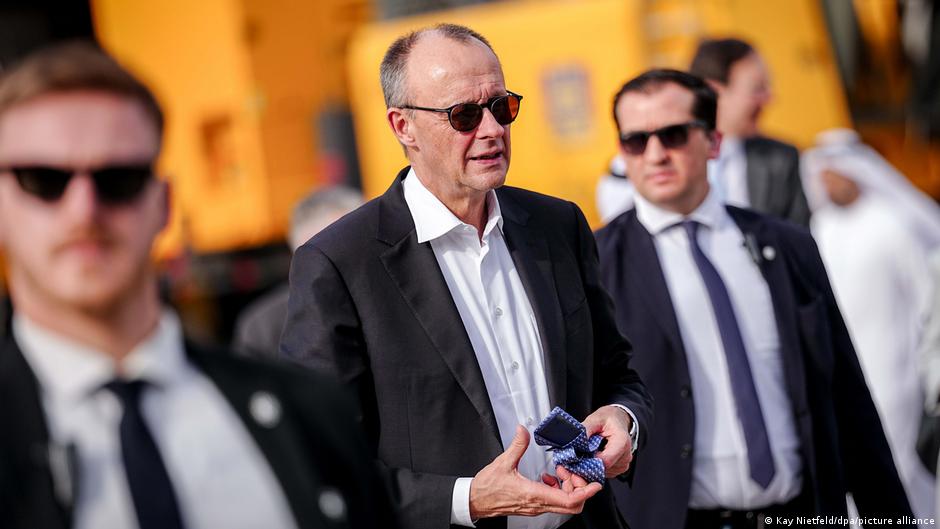
2 months agoGermany-US relations have been badly damaged but not beyond repair
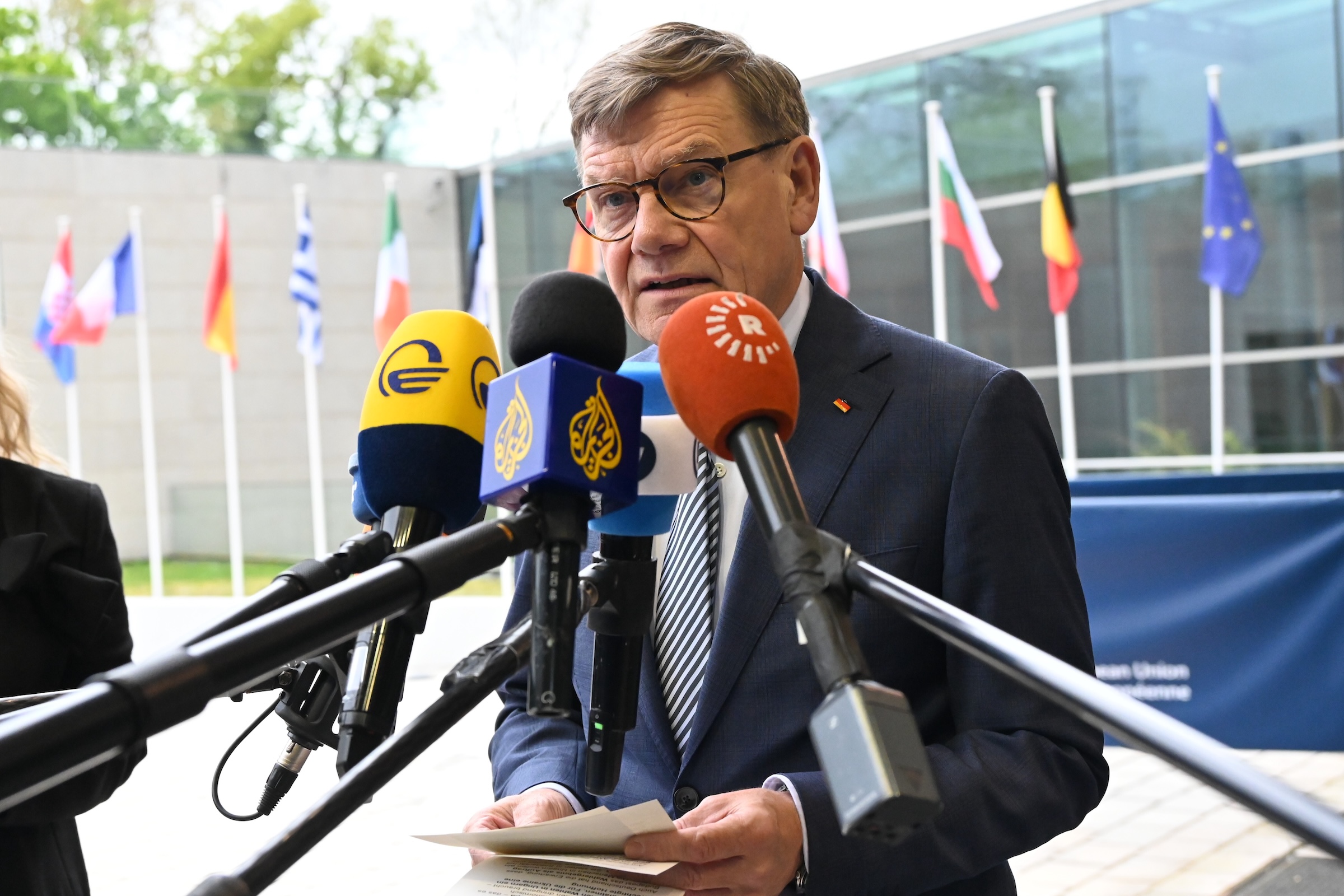
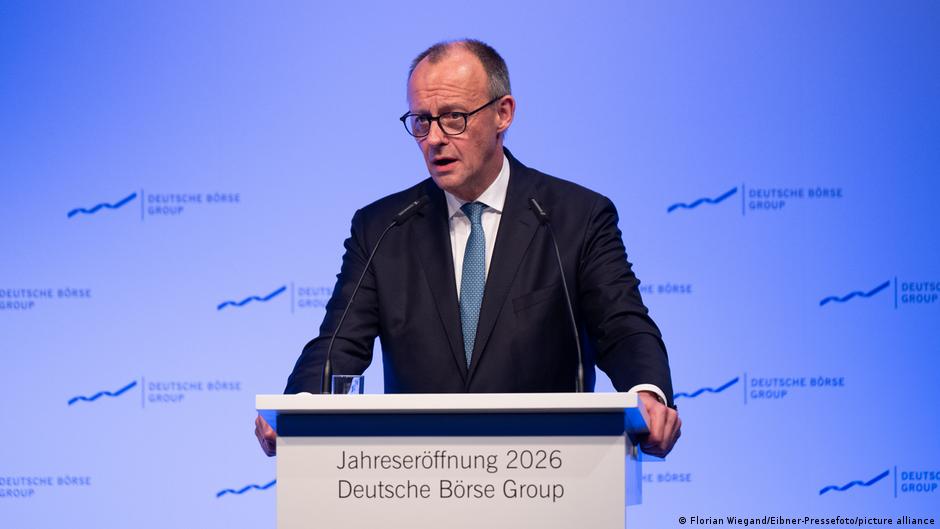
Meeting in Munich over the weekend, officials on both sides said they wanted to continue to work together. In the world of geopolitics all eyes were on Southern Germany over the weekend where the Munich Security Conference (MSC) served as the latest make or break moment for Germany-US relations. German Chancellor Friedrich Merz delivered the event's opening speech in which he acknowledged that a rift has opened up with the US, and urged trans-Atlantic partners to repair and revive trust.
Miscellaneous
fromwww.dw.com
2 months agoGerman government pushes Syrians to return to their homeland
Of these, 3,678 of them have already gone back to their home country. For German Interior Minister Alexander Dobrindt, this is proof of the migration policy that he has been promoting: "Those who have no prospect of staying receive targeted support for their voluntary repatriation." This "targeted support" includes the cost of the flights and 1,000 (ca. $1200) per adult and 500 for minors.
Miscellaneous
France politics
fromwww.aljazeera.com
1 month agoFrance offers to broker Lebanon-Israel talks: What do we know?
France offers to mediate ceasefire talks between Lebanon and Israel as diplomatic efforts intensify amid Israeli airstrikes, ground invasion threats, and over 800,000 displaced Lebanese civilians.
[ Load more ]