#future-of-space
#future-of-space
[ follow ]
#nasa #space-exploration #artemis-ii #spacex #mars #moon-mission #moon #lunar-mission #lunar-missions #elon-musk

fromArs Technica
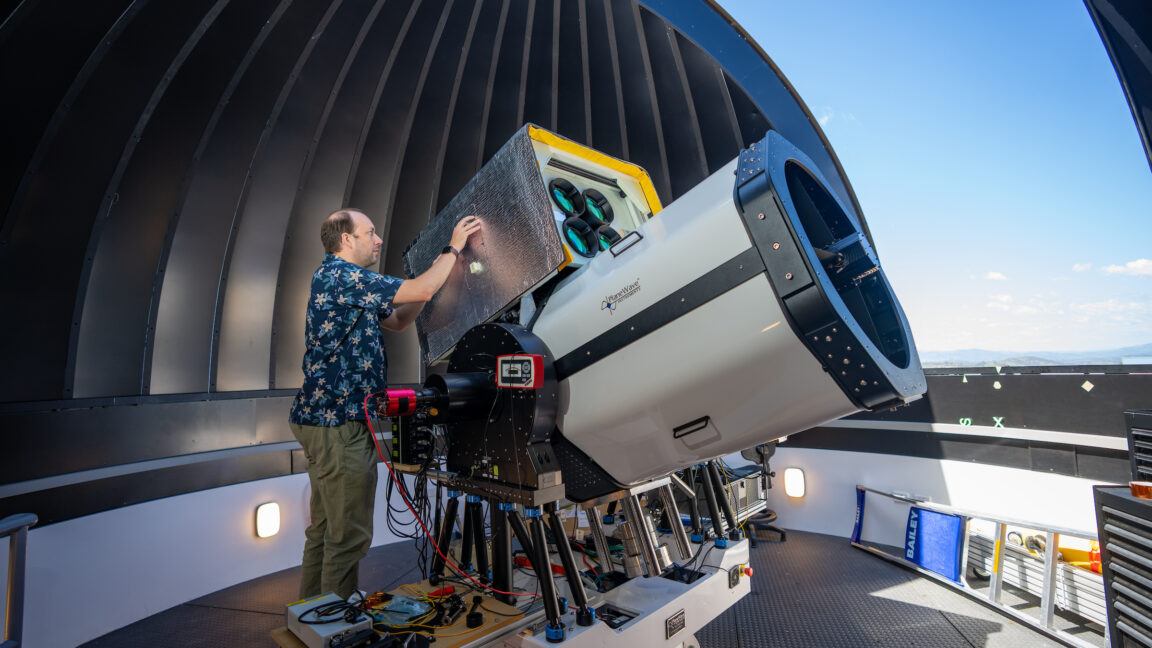
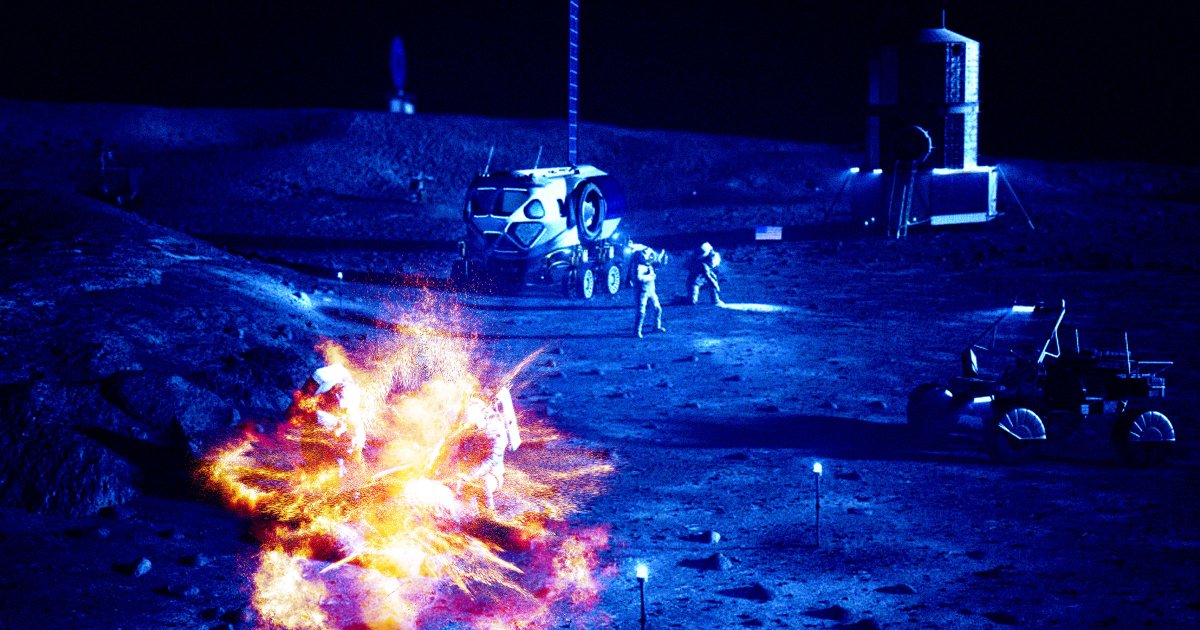
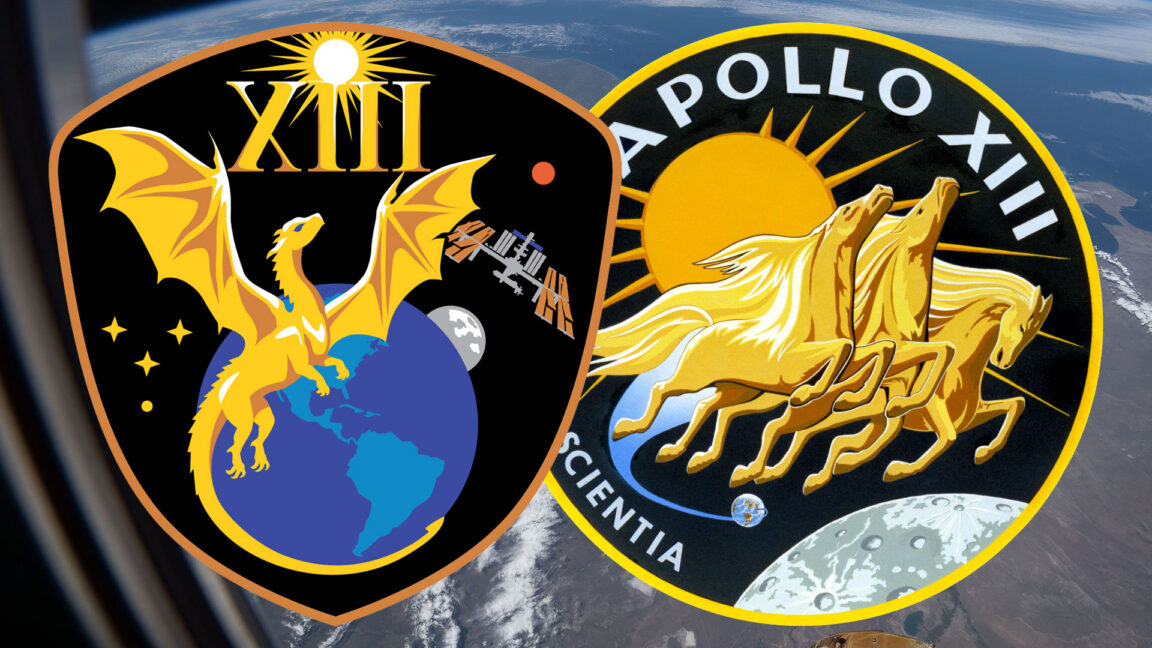
3 days agoWell, this is embarrassing: The Lunar Gateway's primary modules are corroded
"Following the identification of corrosion on HALO, a comprehensive investigation was promptly initiated. Preliminary findings indicate that the issue likely results from a combination of factors, including aspects of the forging process, surface treatment, and material properties."
Europe news


fromTechzine Global
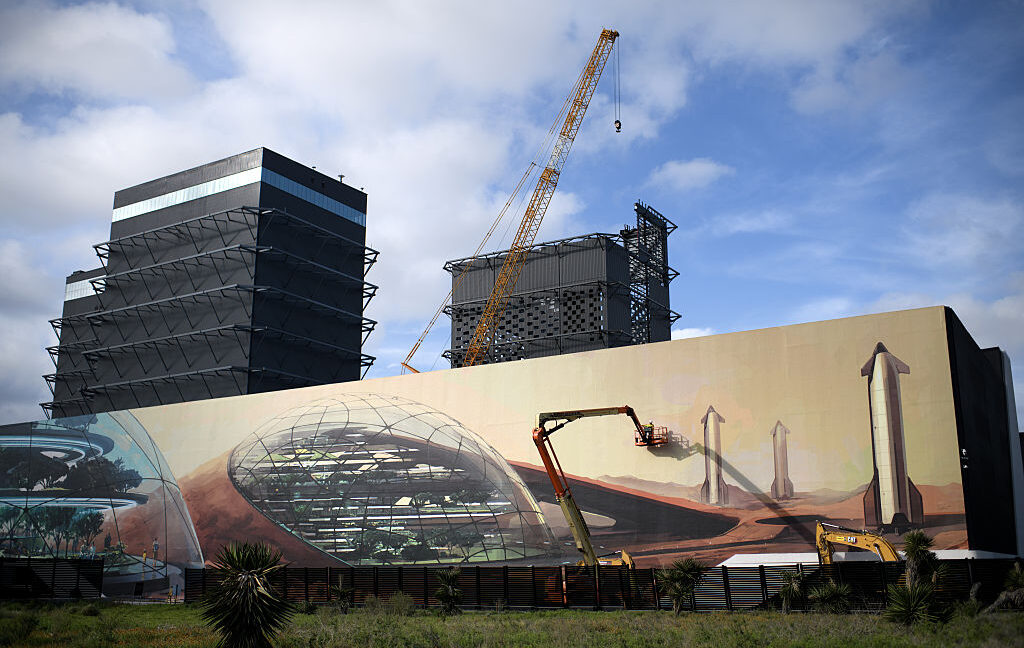
3 months agoIs the future of compute space-based?
Could IT infrastructure, and even the rise of AI, eventually migrate beyond the atmosphere? Amazon founder Jeff Bezos predicted in October that gigawatt-scale, solar-powered data centers would be a reality within 10 to 20 years. At the World Economic Forum in Davos this week, Elon Musk was even more ambitious: AI data centers in the "final frontier" could be viable within two to three years. Google also plans to deploy its TPU chips in orbit via Project Suncatcher.
Artificial intelligence

OMG science
fromwww.scientificamerican.com
1 month agoBlast off! Martian microbes might travel between worlds on asteroid-impact debris
Deinococcus radiodurans, an extremophile bacterium, can survive extreme pressures from asteroid impacts on Mars, suggesting potential for microbial life dispersal across the solar system.
fromBusiness Insider
2 months agoSpaceX is leaning into the moon. Here's why.
"For those unaware, SpaceX has already shifted focus to building a self-growing city on the Moon, as we can potentially achieve that in less than 10 years, whereas Mars would take 20+ years," Musk wrote on X. "The mission of SpaceX remains the same: extend consciousness and life as we know it to the stars." "The overriding priority is securing the future of civilization and the Moon is faster," Musk added.
Science
fromArs Technica
2 months agoDo you have ideas about how to improve America's space program?
Entrants will be required to write three- to five-page white papers that explain their idea and how they would shape markets and strengthen the space economy or national security. Papers are due by June 30, and judging will be complete by August 15. As an additional incentive, the best ideas will be briefed to relevant policymakers, including key members of Congress, NASA Administrator Jared Isaacman, and Saltzman, of the Space Force.
Science
fromwww.cnn.com
5 months agoArtemis moon landing plans: Apollo's bold, unruly and controversial successor
The Starship rocket system splits in two after takeoff. The upper spacecraft would head to Earth orbit to serve as that depot, ready to carry nothing but fuel. The towering Super Heavy rocket booster, meanwhile, would return to the launch site so it can be reused.
Science
Science
fromArs Technica
1 month agoDing-dong! The Exploration Upper Stage is dead
NASA's Exploration Upper Stage, a Boeing-developed upgrade for the SLS rocket, was cancelled in favor of United Launch Alliance's next-generation upper stages, ending a project that survived primarily through political support rather than technical necessity.
[ Load more ]