#european-politics
#european-politics
[ follow ]
#viktor-orban #nato #populism #trump-administration #ukraine #hungary #nationalism #international-relations

#hungary
fromwww.theguardian.com
2 weeks agoEurope politics
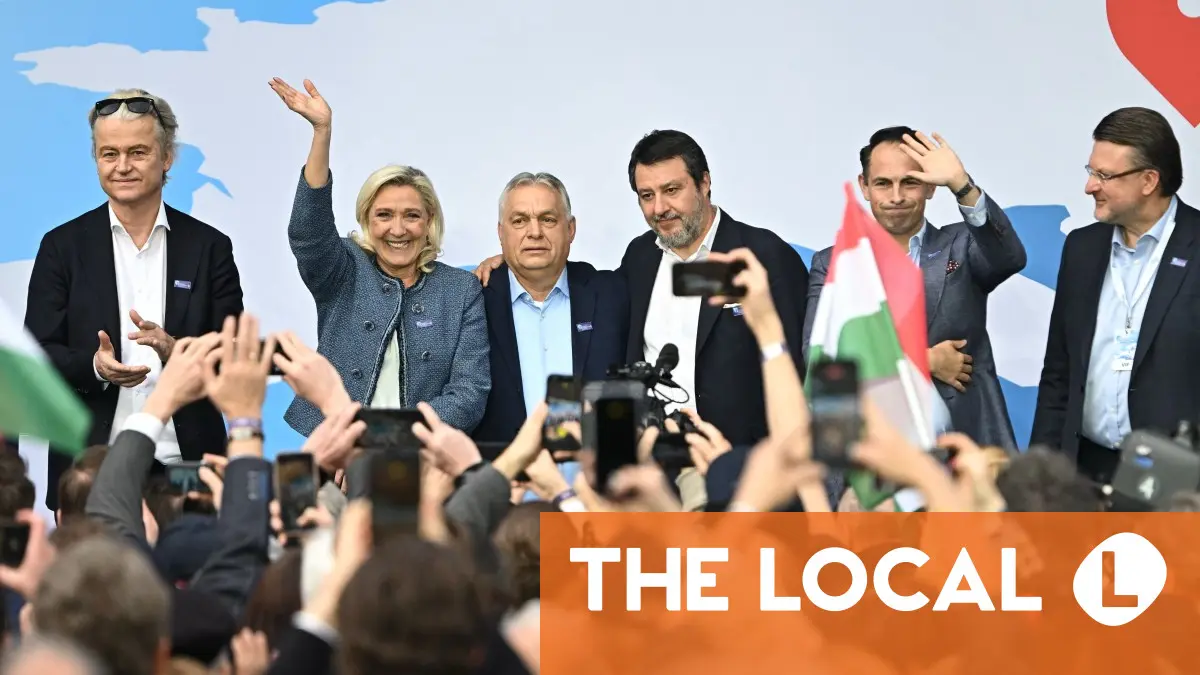
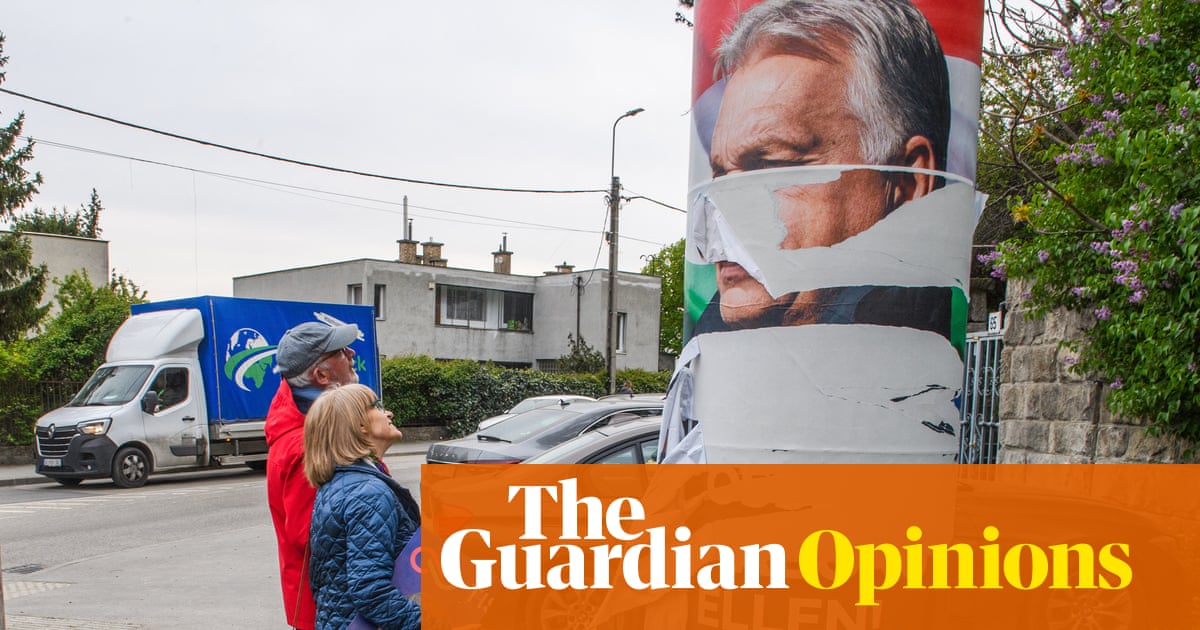
Viktor Orban inspired rightwingers across the EU and in Britain. His defeat could represent a turning of the tide | Polly Toynbee
European liberal democratic values triumphed in Hungary, defeating the populist-nativist right and weakening authoritarian forces across Europe.
Europe politics
fromwww.theguardian.com
1 week agoHungary beware: authoritarianism can be checked, but it is rarely dismissed with a single blow | Blanche Leridon
The Hungarian election marks a significant political shift with the fall of Viktor Orban after 16 years, signaling a potential change for liberal democracy.
Europe politics
fromwww.theguardian.com
2 weeks agoViktor Orban inspired rightwingers across the EU and in Britain. His defeat could represent a turning of the tide | Polly Toynbee
European liberal democratic values triumphed in Hungary, defeating the populist-nativist right and weakening authoritarian forces across Europe.


Europe politics
fromwww.theguardian.com
1 month agoThe Guardian view on a significant week for European politics: progressives have some reasons to be cheerful | Editorial
Denmark's snap election reflects shifting political dynamics amid domestic issues and international tensions, with the Social Democrats facing challenges despite remaining the largest party.
Europe politics
fromwww.theguardian.com
1 month agoPro-EU liberals see narrow win in Slovenia as key Italian referendum enters final hours Europe live
Robert Golob's liberal party won Slovenia's elections, narrowly defeating Janez Jansa's conservatives, while significant elections occurred in France and Germany.
fromwww.aljazeera.com
1 month agoHungary's Orban continues to block Ukraine loan at EU summit
Discussion was tough and rough, but Viktor is still not budging, one European official told Reuters. Another official, who also spoke on condition of anonymity to discuss confidential discussions between leaders, said that everyone is increasingly angry with Orban.
Europe politics
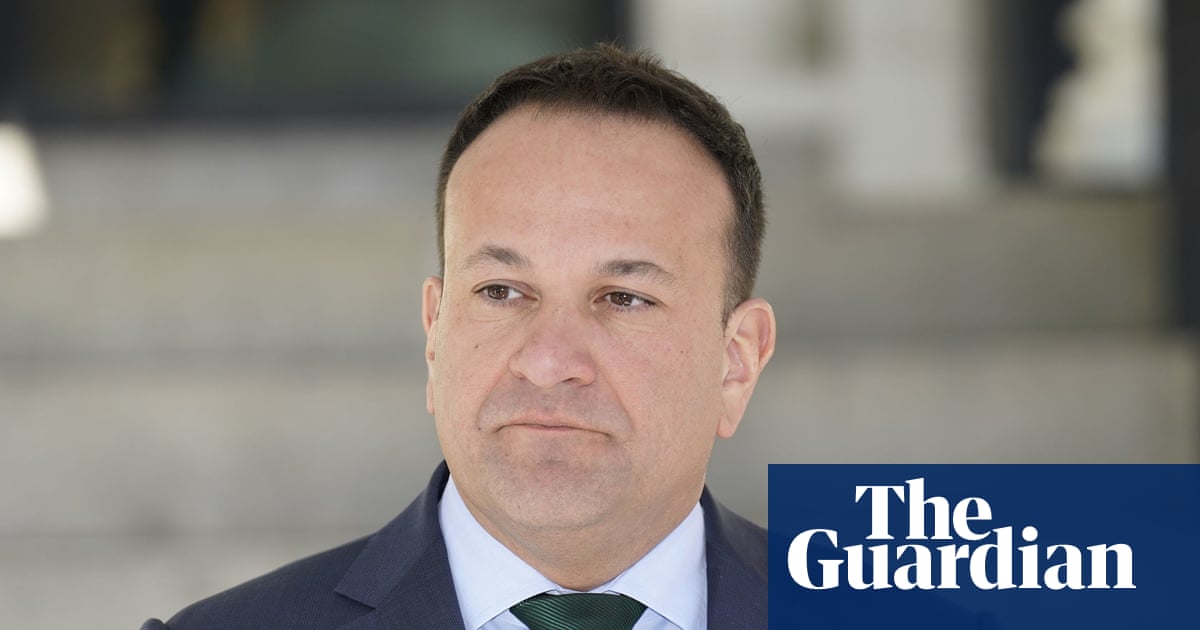

World politics
fromThe Washington Post
1 month agoTrump's friendship, once an asset, becomes a liability for Italy's Meloni
Italian Prime Minister Meloni distances herself from Trump's Middle East policies while maintaining diplomatic ties, condemning military strikes and questioning unilateral interventions outside international law.
Miscellaneous
fromwww.aljazeera.com
2 months agoDenmark's PM Mette Frederiksen calls parliamentary election on March 24
Denmark will hold a parliamentary election on March 24, with Prime Minister Frederiksen capitalizing on increased public support for her defiant stance against Trump's push to acquire Greenland.
US politics
fromemptywheel
2 months agoPsst! L'il Marco Rubio? Don't Lecture Europe When You're One Face of a Chaotic Suicide Pact! - emptywheel
Marco Rubio promoted so-called Christian values as Islamophobic rhetoric, allied with Russian-aligned leaders, and amplified a narrative that contributes to Western decline and hegemonic self-destruction.
fromwww.theguardian.com
2 months agoSome say we've gone too far': What's really behind Sanchez's plan to regularise' 500,000 undocumented migrants in Spain?
You don't need a degree in political science to understand why so many supposedly centrist European leaders have begun talking about immigration in terms that would have been unthinkable even a few years ago. Far-right parties across the continent have fuelled their rise by seizing on the issue as a political cosh with which to beat their more mainstream and established rivals, whom they accuse of complacency, inaction and a failure to defend borders.
Europe politics
fromwww.theguardian.com
3 months agoIt's payback time: inside the 2 January Guardian Weekly
In countries with ageing populations, there's a growing likelihood that many of us will be. But behind the dream of a cosy retirement, the economic reality is ever more complex. As populations age, the number of younger people entering the workforce is shrinking and that's a big problem for pay as you go state pension schemes where employees fund the pensions of an expanding cohort of retired people.
Europe politics
World news
fromwww.theguardian.com
4 months agoThe Guardian view on combating Europe's national populists: protect the less well-off from the winds of change | Editorial
Mainstream European parties lack bold fiscal and political responses to rising far-right support amid costly challenges like defence, green transition, and economic competitiveness.
Right-wing politics
fromwww.theguardian.com
4 months agoAfD responds to Trump erasure' claims with call for nationalist revival in Europe
Germany's AfD supports an international nationalist and conservative revival, aligning with MAGA Republicans and welcoming US tacit backing for patriotic European parties.
fromwww.thelocal.dk
4 months agoDenmark and UK call for human rights treaty changes to restrict immigration
Starmer and Frederiksen, who have toughened immigration policies in their countries, called for a "modernisation of the interpretation" of the ECHR, which came into force in 1953. The leaders said their proposal is "so that the convention system, which we believe in, can evolve to reflect the challenges of the 21st century". They argued that without a change "the forces that seek to divide us will grow stronger," in a clear reference to surging support for hard-right political parties across Europe.
Miscellaneous
fromwww.theguardian.com
4 months agoEU leaders race to save Ukraine funding deal as Kyiv's cash runs low
Germany's chancellor, Friedrich Merz, will meet the European Commission chief, Ursula von der Leyen, and Belgium's prime minister, Bart De Wever, for emergency talks on Friday as the EU races to save its sorely needed financing plan for Ukraine. The three leaders will dine in private in Brussels, a German government spokesperson said on Thursday, as Belgian officials continued to express strong opposition to the scheme, which involves the unprecedented use of frozen Russian assets.
Europe politics
fromwww.theguardian.com
5 months agoMacron and Merz must look at themselves if they want to stop Europe sliding to the far right | Shada Islam
Europe's leaders cannot stop talking about democracy. President Emmanuel Macron says he wants to kickstart a democratic resurgence, and Friedrich Merz, the German chancellor, has warned of an axis of autocratic states targeting liberal democracy in Europe. Having promised to fight for what she calls European values, Ursula von der Leyen, the president of the European Commission, has just announced a new democracy shield and a Centre for Democratic Resilience to prevent foreign interference and deal with external threats.
Miscellaneous
fromwww.theguardian.com
5 months agoNow is not the time for a Labour leadership election | Polly Toynbee
The dominant political force sweeping across Europe is the throw the bastards out party, whoever happens to be in power. Discontent and distrust spread as global democracy declines. Only 6.6% of the world's people live in a full democracy, according to the Economist's global index, down from 12.5% 10 years ago. Europe is still the most democratic place, but it's turbulent.
UK politics
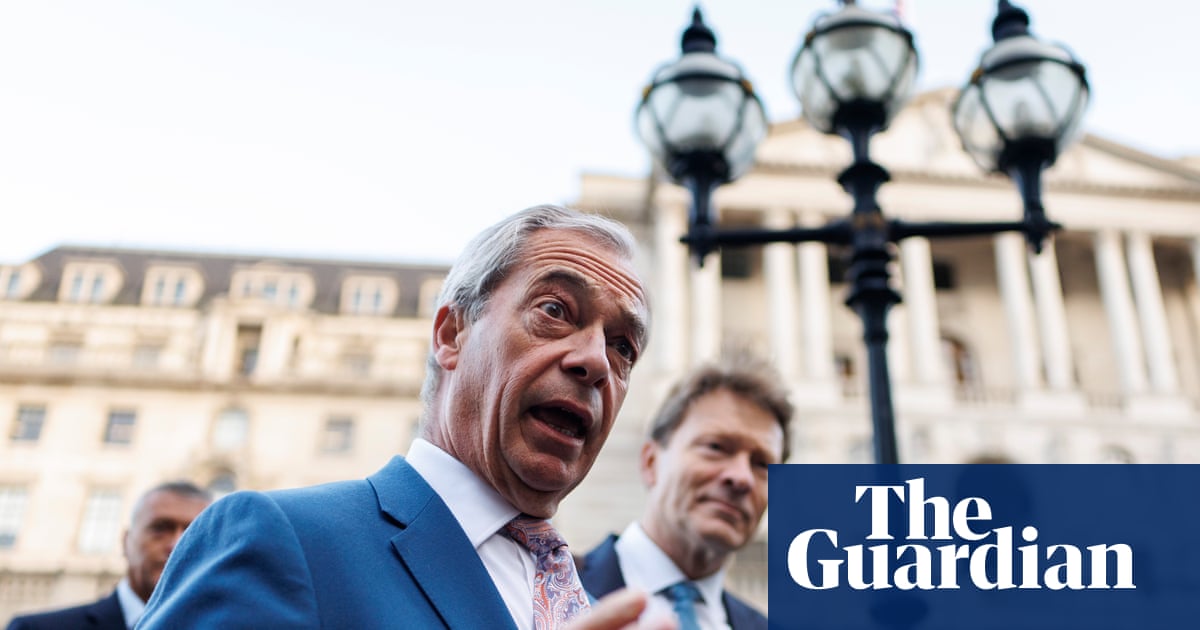

Europe politics
fromwww.theguardian.com
6 months agoForget diplomatic niceties: it's beyond time Europe denounced Trump's trashing of democracy in the US | Paul Taylor
European leaders have appeased Trump's attacks on democratic institutions and should assert moral autonomy by openly opposing his authoritarian drift.
fromwww.theguardian.com
6 months agoEuropean far right follows Trump in calling for antifa to be declared terrorists
Where Donald Trump leads, Europe's nationalists and far right follow. After a Truth Social post last month, when Trump announced the US would designate antifa, the decentralised anti-fascist movement, a major terrorist organisation, his international allies swung into action. That same day, the Dutch parliament, where the largest party is Geert Wilders' far-right PVV, passed a resolution, noting the US decision and calling on the government to declare antifa a terrorist organisation in the Netherlands.
Europe politics
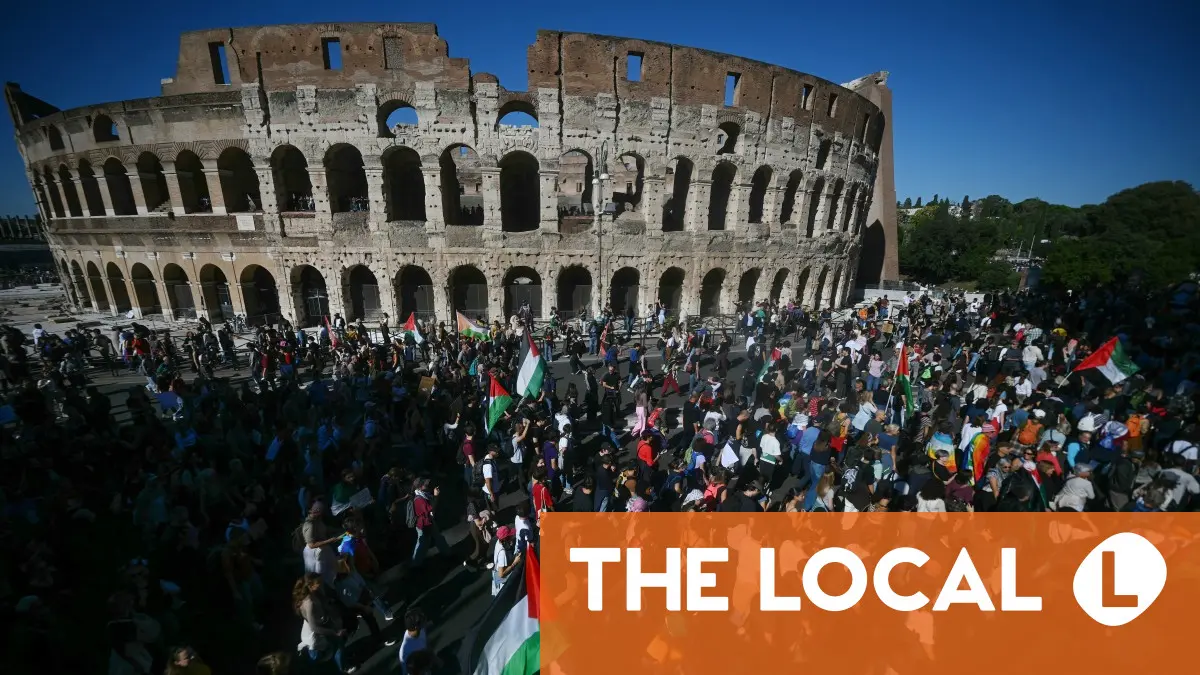
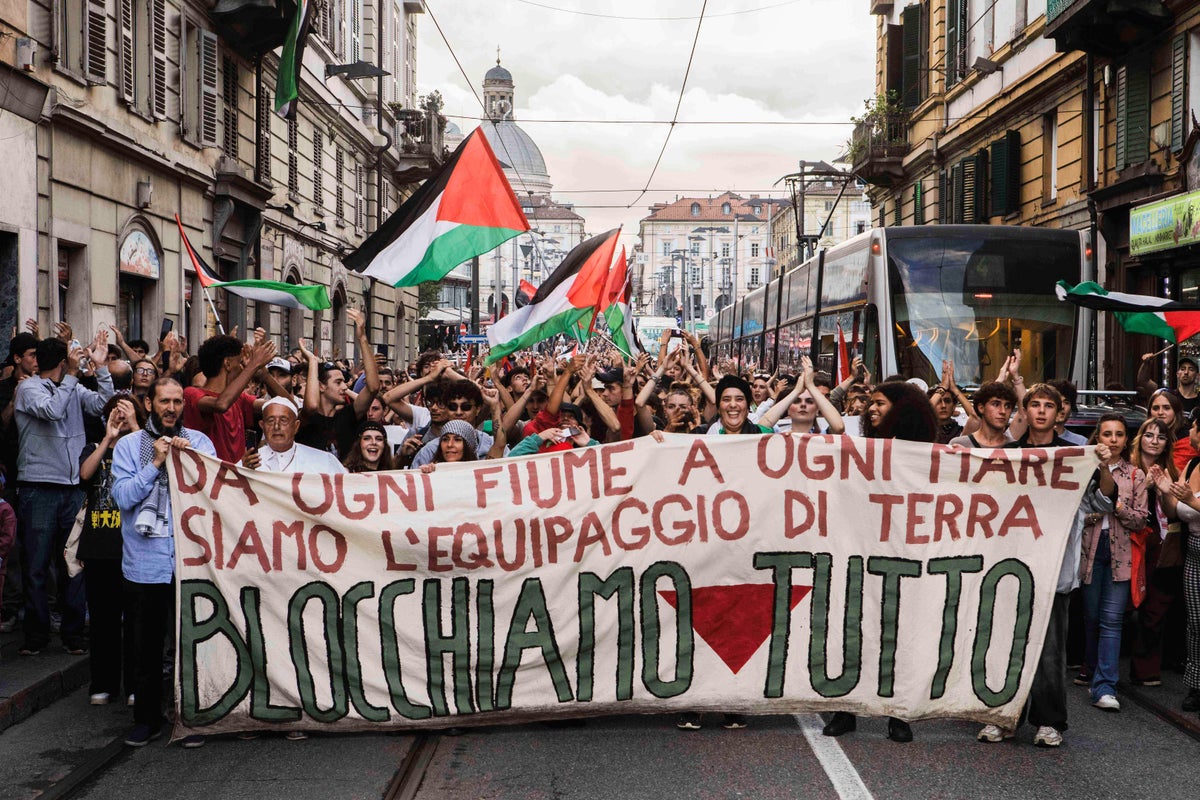
World news
fromIrish Independent
7 months ago'Europe is not going to hell' - Taoiseach hits out at Trump's claims countries are being 'invaded' and 'ruined by mass migration'
Trump accused the UN of aiding migrants, claimed Europe is being invaded by illegal migrants, rejected Palestinian statehood, and threatened tariffs on Russia.
Right-wing politics
fromLondon Business News | Londonlovesbusiness.com
7 months agoThe UK is 'heading to a civil war' and Farage is 'not going to stop it' - London Business News | Londonlovesbusiness.com
Britain is heading toward civil war due to an escalating problem with radical Islam, cultural clashes, and rising nationalist unrest.
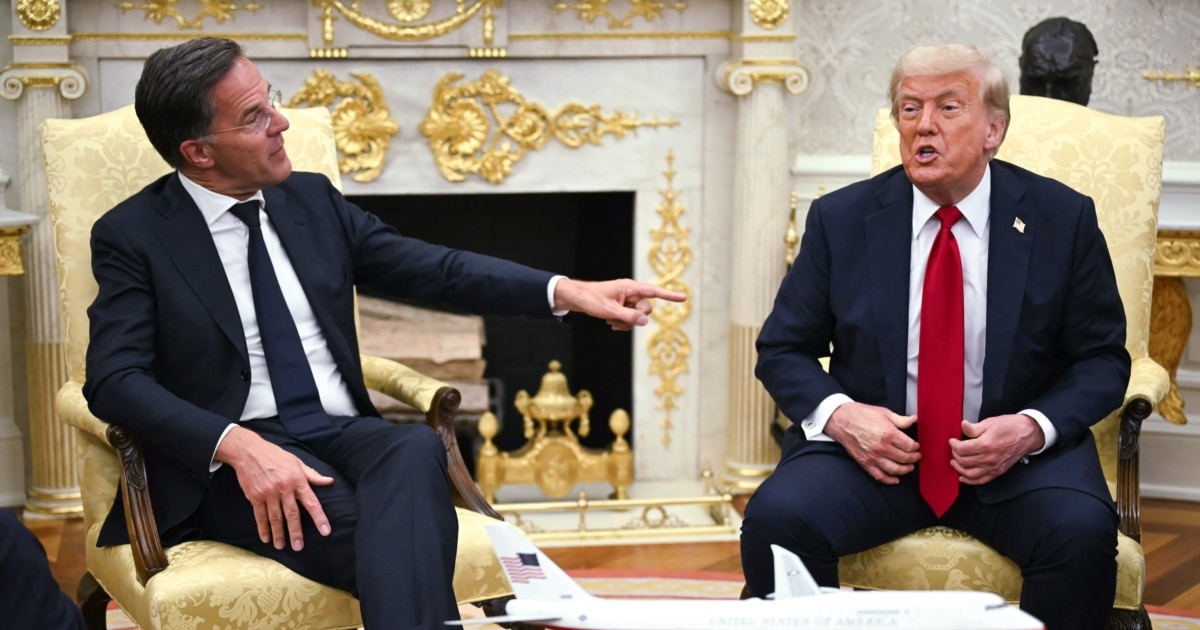

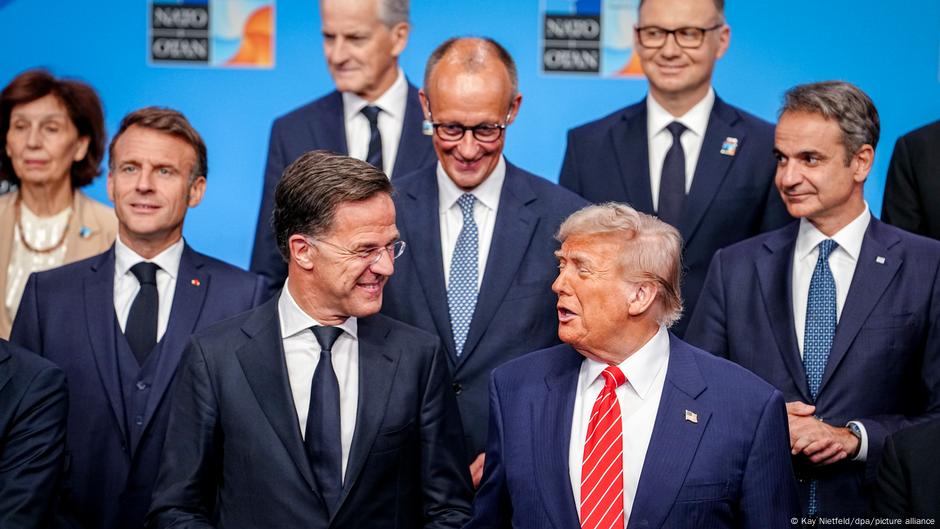

fromwww.theguardian.com
9 months agoThe Guardian view on Europe's failing economic orthodoxy: social contracts cannot be renewed through cuts | Editorial
In Britain and France, nationalist populist parties consistently lead in the polls, indicating a significant shift towards authoritarian and xenophobic political forces among voters.
Europe politics
fromwww.dw.com
10 months agoCentral Europe's right-wing populist networks up their game DW 06/05/2025
Orban celebrated the chaos wrought by the 'Trump tornado' and called on 'conservatives' to seize the opportunity it offers: "We have to go home, and everyone has to win their own election."
Right-wing politics
#romania
Europe politics
fromwww.theguardian.com
11 months agoThe Guardian view on Romania's presidential election upset: a vote for stability and the west | Editorial
The Romanian election results indicate a backlash against far-right populism and a vote for stability.
Nicusor Dan's victory amid high turnout represents a significant shift in Romania's political landscape.
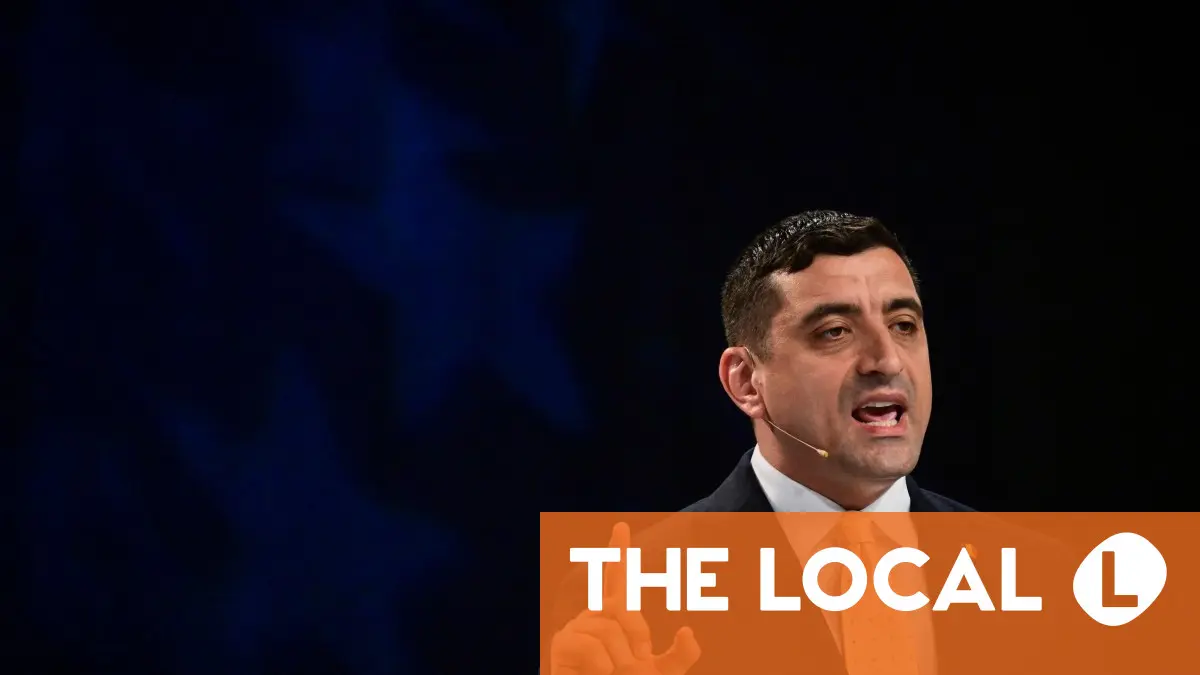
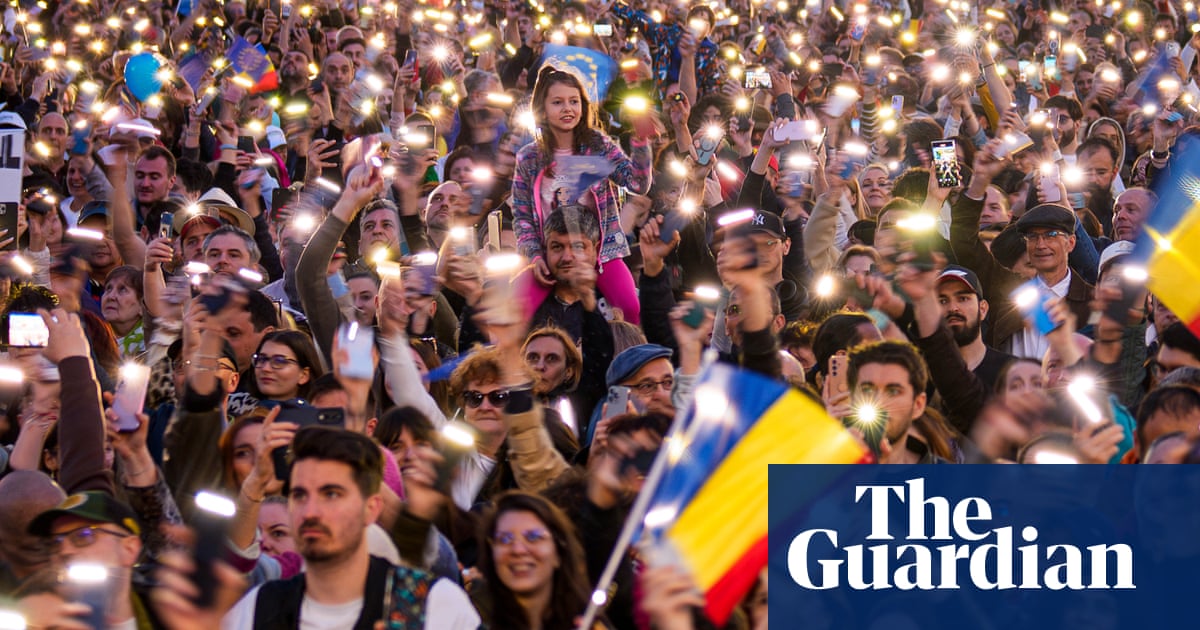
Europe politics
fromwww.theguardian.com
11 months agoThe Guardian view on Romania's presidential election upset: a vote for stability and the west | Editorial
The Romanian election results indicate a backlash against far-right populism and a vote for stability.
Nicusor Dan's victory amid high turnout represents a significant shift in Romania's political landscape.
UK politics
fromwww.theguardian.com
11 months agoWant to know how the world really ends? Look to TV show Families Like Ours | John Harris
The article discusses a new drama series highlighting everyday life amidst climate crisis chaos, emphasizing the dragging pace of global warming and its narrative implications.
[ Load more ]