Many farming and business families still assume the enterprise will pass tax‑free but under the new cap, that won't always be true. Where shareholder or partnership agreements transfer the business to a co‑owner on death, the estate may carry the IHT bill even though the family doesn't inherit the asset. That's the classic 'dry' tax scenario - risks are avoidable with the right planning.
Currently, pension savings are not used for estate valuations when calculating IHT charges when someone dies. This means money left in a pension can be passed on without worrying about generating a tax bill. But from the new tax year in April 2027, pensions will be included in estate calculations. This creates a higher chance of pushing the value of an estate above the IHT threshold, currently 325,000.
After completing her BA at Barnard and her PhD in French at UC Berkeley, she taught women's studies at San Francisco State University and Yale University before changing direction and earning her law degree at New College of California. Helene put French literature in conversation with feminism in her studies and teaching.
The rich have made an art of avoiding taxes and making sure their wealth passes down effortlessly to the next generation. But the tricks they use - to expedite payouts to heirs and avoid handing money to the government - can also work for people with far more modest estates. "It's a strategic game of chess played over decades," says Mark Bosler, an estate planning attorney in Troy, Michigan, and legal adviser to Real Estate Bees.
As the fiduciary of my parents' estate, I followed their trust directives as written, with no exceptions. My son received a nice check, but not as large as he had expected. He was upset and blamed me for taking his money. Then he declared that we would never see our grandsons again unless he received what his grandmother had promised. He refused to understand the concept of a trustee's fiduciary duty and has ghosted us,
Losing a parent can be a tough blow. The grief alone can feel overwhelming, and the last thing anyone wants during that time is additional stress or conflict. But one thing that can make the process even harder is having to fight to gain access to the assets you know your parent intended for you to inherit. When the emotional burden is already heavy, dealing with red tape, unresponsive institutions, or unclear documentation can push anyone to their limit.
I had a family, at least in part, to create what I never had: a home with love. My parents were not good people - we'll leave it at that. We were middle-class, and while they had the money to support me, they didn't, financially or otherwise. That's part of where my drive came from. I was bullied in school and penniless in college. I had to make my own way.
The changes approved by lawmakers in July lock in a friendlier tax climate for affluent Americans with lower rates and generous exemptions. While middle-income households may see some modest relief, the lion's share of the benefits will flow to those with substantial earnings, investment income, or large estates. "By definition," says Joseph Rosenberg, a senior fellow at the nonpartisan Urban-Brookings Tax Policy Center, "these are very wealthy people who benefit."
My parents moved to a new house in a new state 30 years ago. For some reason, they put the house in my mom's name only. I think it might have been to lower state estate taxes, but their state doesn't currently have any estate taxes (and their estate is definitely lower than the $13.99 million federal limit for 2025). In the past 30 years, the house has appreciated considerably.
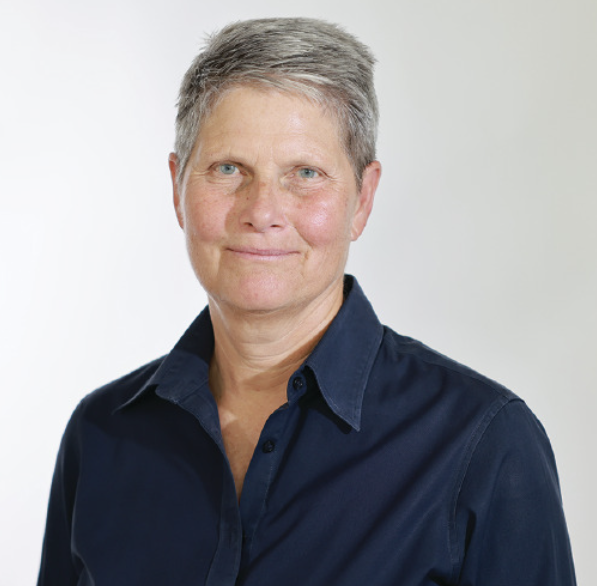
Jane Coogan is a Partner at Coogan Smith, LLP, based in Attleboro, Massachusetts. A trusted solicitor with more than 15 years of experience, she specializes in estate planning, business formation, succession planning, and probate and estate administration. Her approach blends technical expertise with empathy, helping clients navigate complex legal and personal decisions with confidence and care. Born and raised in Attleboro, Jane is deeply rooted in the community she serves.
Joe Fulton (Bill Sage), a filmmaker referred to as "the quiet and unassuming elder statesman of American romantic comedies," decides to prepare his last will and testament while also jockeying for a job as a cemetery groundskeeper. The timing of his estate planning combined with the drastic professional pivot concerns some of the people in Joe's life, most of whom assume that he's near death.
It should go without saying that when you are looking for an attorney to set up your estate plan, especially if you have children you want to pass along money or possessions to, you need to feel absolutely comfortable that whatever documents are set up are done with your best interest in mind. There is no question that what this original lawyer did to this Redditor is both morally and ethically wrong.
Q: I have been investing for decades, and I now want to transition into a safe, non-volatile, income producing account without penalties or capital gains. What are my options? A: Who wouldn't want a consistent return without risk or capital gains taxes? Sadly, this doesn't exist. If you seek safety, consider a money market fund, a CD, or treasury bills. Once the Fed starts to cut interest rates, which could be any day, rates on these investments will start to drop.
"I was shocked that this process was so hard. It's paper-driven. It's archaic. You're googling to-do lists that are not helpful. You're calling attorneys who might do a sliver of the work, and they cost thousands and thousands of dollars."